Меню
ПредпросмотрПредпросмотр Предпросмотр в ARПредпросмотр в AR Перейти к печати Перейти к печатиКупить картину ручной работы Купить картину ручной работы ПоделитьсяПоделиться
Детали произведенияДетали произведения Добавить в избранное Добавить в избранное СкачатьСкачать Похожие работыПохожие работы РентгенографияРентгенография Слайд-шоуСлайд-шоу СтатистикаСтатистика

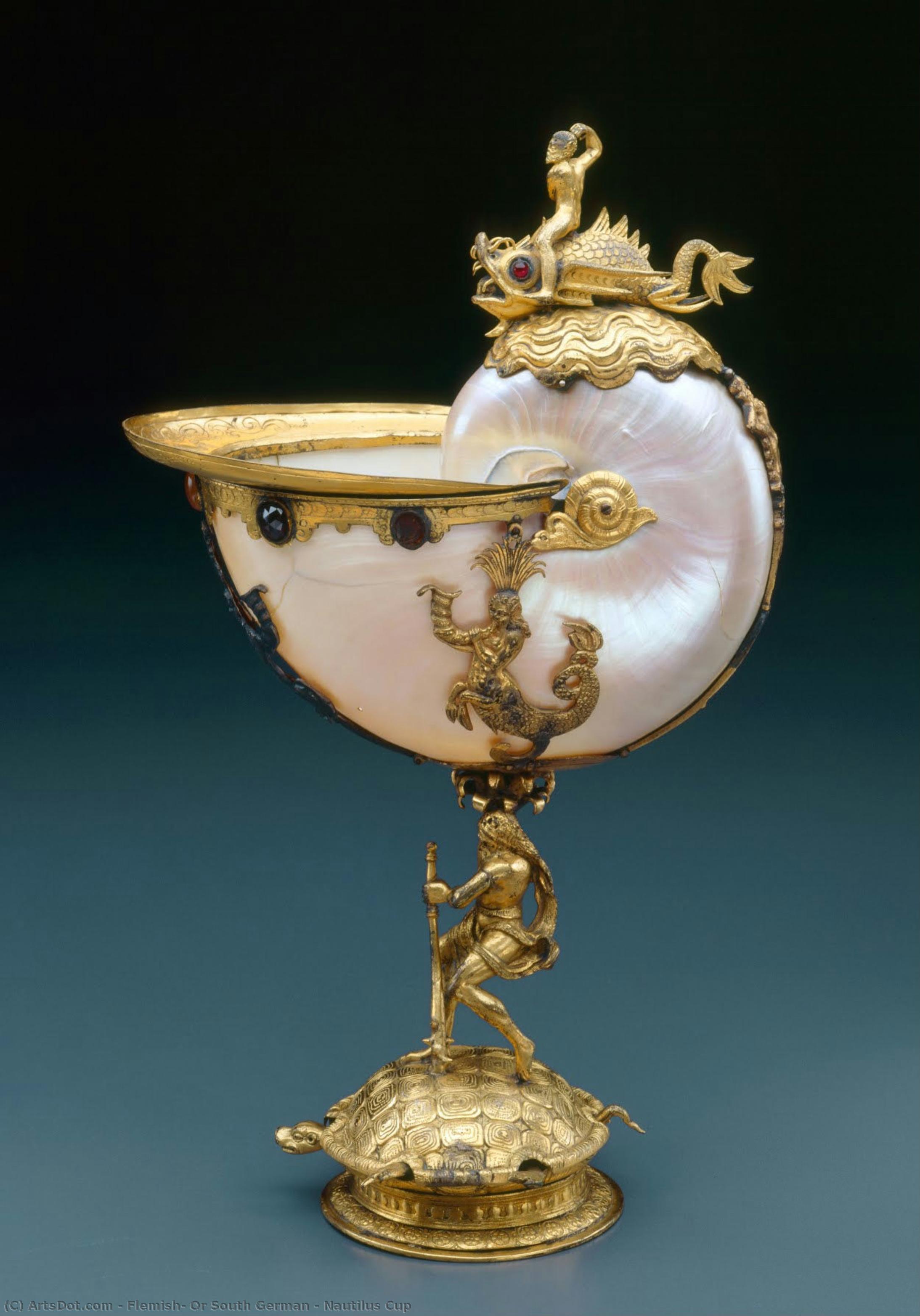
Nautilus Cup

  • Дата создания1625
  • Размеры31.0 x 19.0 cm

Discover the enigmatic 17th-century artist 'flemish, or south german,' renowned for exquisite bronze sculptures. Explore their cultural roots in Flanders and their lasting impact on European art and craftsmanship.

Приобретите цифровое изображение высокого разрешения в улучшенном качестве, которое значительно превосходит онлайн-превью.

Каждый файл тщательно подготавливается нашими специалистами с использованием передовых инструментов и экспертной ручной ретуши. Мы гарантируем исключительную четкость, точную цветопередачу и детальную проработку каждого изображения.

Финальный файл доставляется по электронной почте в течение 72 часов и оптимизирован для немедленного использования в профессиональной среде, при верстке и печати. Это тот же уровень качества, которому доверяют ведущие дизайнерские студии, издательства и галереи.

Цифровое изображение

Скачайте файл высокого разрешения для личного использования, печати и творческих проектов. (Перейти к печати Перейти к печатиКупить картину ручной работы Купить картину ручной работы)

Итоговая стоимость

$ 24,00

Включено в каждый заказ цифровых изображений

Гарантия экспертной цифровой доставки

Выбирая ArtsDot.com, вы получаете не просто изображение — вы приобретаете профессионально обработанное цифровое произведение искусства, созданное с безупречной точностью и под защитой гарантии качества. Вот всё, что автоматически входит в ваш заказ:

shipping_icon
Мгновенная доставка по e-mail

Ваш цифровой файл в высоком разрешении будет отправлен вам по электронной почте в течение 72 часов после оформления заказа — и сразу станет доступен для использования.

canvas_icon
Цифровой файл с ИИ-улучшением

Ваше произведение искусства проходит профессиональную оптимизацию с использованием передовых инструментов ИИ и ручной обработки, что гарантирует максимальную детализацию, четкость и точность цветопередачи.

insurance_icon
Бессрочная бесплатная повторная доставка

Случайно удалили или потеряли файл? Не беспокойтесь — мы отправим его вам повторно в любое время и совершенно бесплатно.

tax_icon
Без импортных пошлин — навсегда

Наслаждайтесь вашим произведением искусства мгновенно без таможенных пошлин, сборов или затрат на доставку — цифровые загрузки всегда не облагаются налогом.

color_icon
Гарантия точности цветопередачи

Мы гарантируем, что ваше цифровое изображение максимально точно передает оригинальные цвета благодаря использованию профессиональных инструментов и систем управления цветом.

return_icon
Гарантия удовлетворенности 100 дней

Если вы не будете удовлетворены своим цифровым изображением, мы внесем правки или вернем 100% стоимости в течение 100 дней — без лишних вопросов.

guarantee_icon
100% Гарантия возврата средств

Не удовлетворены покупкой? Получите полный возврат средств в течение 100 дней после получения цифрового файла — без лишних вопросов.

discount_icon
Скидки на оптовые заказы

Купите 3 изображения, сэкономьте 10% — Купите 5, сэкономьте 15% — Купите 10+, сэкономьте 20%. Отличное решение для творческих проектов, галерей и агентств.



Биография художника

A Shadowed Hand from Flanders: Unveiling the Bronze Sculptor

The 17th century witnessed a flourishing of artistic talent across Europe, and within the vibrant Flemish community in Belgium emerged an anonymous sculptor known simply as ‘flemish, or south german’. Little is definitively known about this artist’s life – no full name graces historical records, birth and death dates remain elusive, and specific biographical details are shrouded in mystery. Yet, despite this lack of personal narrative, their legacy endures through a captivating body of bronze work that speaks volumes about the period's aesthetic sensibilities and technical prowess. This relative obscurity is not uncommon for artisans of the time; many skilled craftspeople operated within workshops, contributing to larger projects or creating pieces under commission without achieving widespread individual recognition. What *is* known is rooted in their geographical context: they were active during a period when Flanders was a cultural crossroads, absorbing influences from across the continent and developing its own distinct artistic character. The Flemish community itself, comprising roughly 60% of Belgium’s population at the time, played a crucial role in preserving education, culture, and language within the Dutch-speaking area – a context that likely shaped the artist's worldview and creative expression.

The Cultural Landscape of 17th-Century Flanders

To understand the work of ‘flemish, or south german’, one must appreciate the rich tapestry of 17th-century Flanders. This region, historically encompassing parts of modern-day Belgium, France, and the Netherlands, was a hub of trade, religious fervor, and artistic innovation. The County of Flanders had long been renowned for its skilled artisans, particularly in metalworking. Following the Belgian Revolution, a heightened sense of Flemish identity began to emerge, fueled by linguistic preservation efforts and a desire to distinguish itself from neighboring regions. This burgeoning national consciousness likely influenced the themes and styles prevalent in local art production. The artist’s connection to this community is significant; their work reflects not only technical mastery but also an understanding of the cultural values and artistic traditions that defined Flemish society during this period. The dialects spoken – a Low Franconian cluster closely related to Dutch – further solidified a unique regional identity, distinct from both French and broader European influences. This sense of place, deeply embedded in the artist’s background, undoubtedly informed their creative vision.

Bronze as Medium: Technique and Symbolism

The artist's chosen medium—bronze—was itself laden with significance. Bronze sculpture had a long and esteemed history, dating back to antiquity. In the 17th century, it continued to be prized for its durability, versatility, and ability to capture intricate detail. The process of bronze casting was complex and demanding, requiring considerable skill in modeling, mold-making, and finishing. ‘flemish, or south german’ clearly possessed a mastery of these techniques, as evidenced by the exquisite quality of their surviving works. One notable example is the *Nautilus Cup*, a testament to their ability to transform a natural form into an object of refined beauty. Beyond technical skill, however, lies a deeper understanding of symbolism. While specific interpretations vary depending on the individual piece, bronze often represented permanence, strength, and resilience—qualities that resonated with the religious and political climate of the time. The artist’s sculptures were not merely decorative objects; they were imbued with meaning, reflecting the beliefs, values, and aspirations of their patrons and society.

Legacy and Lasting Impact

Despite the anonymity surrounding ‘flemish, or south german’, their work continues to captivate art enthusiasts and scholars alike. Their contribution lies in the exquisite craftsmanship and subtle artistry that characterize their bronze sculptures. They stand as a testament to the skill and creativity of Flemish artisans during a pivotal period in European history. While much remains unknown about their personal life, their lasting impact is undeniable. The artist’s work serves as a reminder that artistic excellence can flourish even in the absence of widespread recognition, and that true talent often transcends the boundaries of time and circumstance. Their sculptures offer a glimpse into the cultural roots of Flanders, revealing a community deeply invested in preserving its identity through art, language, and tradition. The enduring beauty of their creations ensures that the shadowed hand from Flanders will continue to be celebrated for generations to come.