

 Предпросмотр
 Поделиться
 Поделиться
 Детали произведения

 Скачать
 Похожие работы
 Рентгенография
 Слайд-шоу
 Статистика
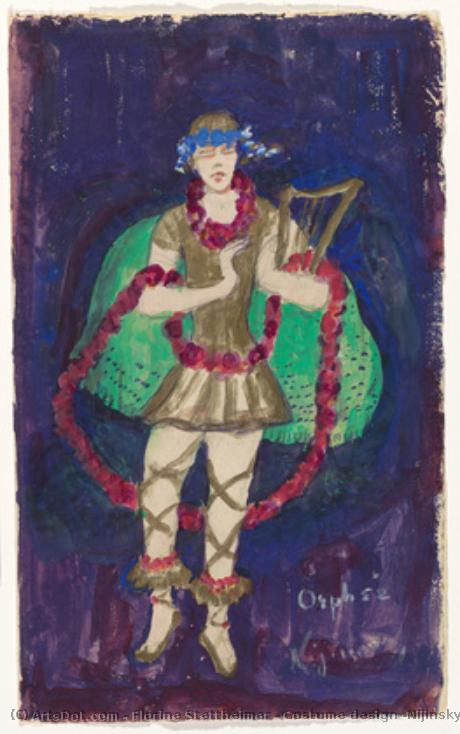
Costume design (Nijinsky) for artist's ballet "Orphée of the Quat-z-arts"


 Читать далее
Масляная репродукция ручной работы
Картина маслом на холсте в выбранном вами размере и раме, написанная на заказ нашими художниками. ( Перейти к печати Перейти к цифровым изображениям)




P118B $10

P118H $10

P118W $10

P438Z $10

P508JH $12

P508YH $12

P805H $10

P805Z $10

P919BZ $10

P919G $10

P919XJ $10

P959ZH $10

P968JZ $12

W106C $8

W218G $10

W218JH $8

W218Y $10

W307PJ $10

W316G $10

W316PJ $8

W316Y $10

W398PJ $8

W4111J $10

W500HY $15

W500JH $15

W692G $12

W849H $8

W940BG $15

W953PJ $8




Выберите один из наших стандартных размеров, соответствующих оригинальным пропорциям произведения искусства.

Вы можете указать собственные размеры, чтобы картина идеально вписалась в выбранную раму или пространство. Если выбранный вами размер не соответствует пропорциям оригинала, мы либо обрежем полотно, либо расширим его за счет дополнительных элементов, написанных вручную. Цифровой макет будет отправлен вам на утверждение перед началом производства.
Обратите внимание, что предварительный просмотр на экране не отражает фактическую обрезку или расширение. Только макет точно покажет окончательную композицию.
Хотя доступны индивидуальные размеры, мы рекомендуем выбирать вариант из предопределенного списка, чтобы сохранить исходные пропорции.
После оформления заказа команда ArtsDot.com свяжется с клиентом по электронной почте для уточнения деталей и предоставит предварительный макет
Доставка по всему миру () за 3–4 недели вместо стандартных 5 недель. (13 Сентябрь). Без компромиссов в качестве.

Бесплатная экспресс-доставка по всему миру

Высококачественный льняной холст

Полное страхование доставки

Гарантия возмещения таможенных пошлин

Гарантия точного соответствия цветов

100-дневная политика возврата (только при обнаружении дефектов)

Гарантия возврата 100% средств

Предложение оптовых скидок
 Вариант со стеклом доступен только для размеров менее 110 см

Costume design (Nijinsky) for artist's ballet "Orphée of the Quat-z-arts"
Техника репродукции
Размер репродукции
-


Итоговая стоимость
$ 263
A Vision of Mythic Elegance
In the vibrant tapestry of early 20th-century American modernism, few works capture the intersection of theatricality and myth as vividly as Florine Stettheimer's "Costume design (Nijinsky) for artist's ballet 'Orphée of the Quat-z-arts'." Created in 1912, this exquisite gouache on paper is far more than a mere costume sketch; it is a window into the avant-garde spirit that pulsed through New York City during the burgeoning Jazz Age. The composition centers on a figure of profound poise, standing with a singular, deliberate grace upon one leg. This posture, reminiscent of a dancer caught in a moment of suspended animation, immediately draws the eye to the opulent attire inspired by Greek mythology. As the legendary Orpheus, the subject carries a harp, a symbol of divine musical inspiration, while draped in a flowing tunic that serves as a canvas for Stettheility's expressive mastery.
The artwork is a symphony of textures and symbolic motifs. Stettheimer weaves together crossed ribbons that suggest a sense of unity and cosmic balance, interspersed with delicate garlands of flowers—a signature element in her oeuvre that speaks to themes of beauty, fertility, and the ephemeral nature of life. Through these classical references, she bridges the gap between ancient legend and the modern theatrical stage, creating an atmosphere that is simultaneously reverent toward tradition and boldly experimental.
Technique and the Luminous Palette
To behold this piece is to experience the tactile richness of Stettheimer's technique. Utilizing gouache, a medium prized for its velvety opacity and brilliant luminosity, the artist achieves a matte finish that possesses an almost sculptural quality. Unlike the translucent layers of watercolor, the gouache allows for bold, saturated applications of color that command attention. The palette is dominated by a dramatic interplay of deep, melancholic blues and striking reds, creating a visual tension that heightens the emotional resonance of the figure.
The blue tones evoke a sense of profound introspection and classical weight, while the vibrant accents provide the energy necessary for a theatrical design. This mastery of color does not merely decorate the subject; it breathes life into the paper, making the costume appear as though it might flutter with the movement of a dancer. For the discerning collector or interior designer, this piece offers a sophisticated focal point, bringing a sense of historical depth and chromatic drama to any curated space.
A Legacy of Modernist Splendor
The historical significance of this work is anchored by its presence in the prestigious Museum of Modern Art collection, marking it as a cornerstone of American art history. Florine Stettheimer was a true salonnière, a woman whose life and art were inextricably linked to the intellectual and creative elite of her era. Her ability to blend the feminine, the theatrical, and the political allowed her to create a visual language that was entirely her own—one that celebrated the beauty of New York's cultural "cathedrals" while pushing the boundaries of gender and expression.
Owning or displaying a high-quality reproduction of this masterpiece allows one to invite this spirit of avant-garde elegance into the modern home. It serves as an enduring tribute to a time when art, dance, and myth converged to redefine the American aesthetic. Whether viewed as a study in classical symbolism or an exploration of expressionist color, Stettheimer's design remains a captivating testament to the power of imagination and the timeless allure of the stage.
Похожие произведения
Биография художника
Florine Stettheimer: A Visionary of New York’s Modernist Soul
Florine Stettheimer, a name that now echoes with the vibrancy and rebellious spirit of early 20th-century American art, was an artist who defied easy categorization. Born in Rochester, New York, in 1871, she didn't simply *live* through those transformative years; she actively shaped them, creating a world within her canvases—a dazzling, theatrical realm that reflected the energy and anxieties of a rapidly changing nation. Her life was one of deliberate artistic cultivation, fueled by both privilege and an unwavering independence, allowing her to forge a uniquely personal visual language. Stettheimer wasn’t merely *of* her time; she was a catalyst for it, inviting fellow artists, writers, and intellectuals into the intoxicating atmosphere of her salons—spaces where ideas collided and boundaries were playfully challenged. The story of Florine Stettheimer is not just a biography of an artist, but a vibrant portrait of a pivotal moment in American cultural history – a time of burgeoning modernism, shifting social norms, and the birth of a distinctly American aesthetic sensibility.European Echoes and the Birth of a Distinctive Style
Stettheimer’s artistic journey truly ignited during her extended sojourn in Europe with her sisters between 1906 and 1914. Rather than merely observing from afar, she immersed herself completely within the diverse currents of European art, residing in cities like Berlin, Stuttgart, and Munich. This wasn't a passive experience; it was an intense period of absorption, where she studied the Symbolist movement’s evocative use of myth and dream imagery, and the Post-Impressionists’ bold color palettes and fractured perspectives. While formally trained at the Art Students League of New York from 1892 to 1895, it was this exposure that fundamentally altered her artistic trajectory. She didn't simply replicate European styles; instead, she meticulously analyzed their techniques and began to synthesize them with her own burgeoning aesthetic—one characterized by a deliberate flattening of perspective, an explosion of vibrant color, and a playful embrace of decorative motifs. This period wasn’t about adopting a European identity; it was about harnessing European artistic knowledge as a powerful tool for creating something profoundly *her own*. The influence of these movements is subtly woven into the fabric of her work, adding layers of complexity and visual richness.The Salon: A Crucible of Creativity
Upon returning to New York after World War I, Stettheimer and her sisters transformed their Manhattan home—a grand, rambling mansion on 58th Street—into a legendary salon. From 1915 to 1935, it became an unparalleled hub for modernist artists, writers, and expatriates – a sanctuary where the likes of Marcel Duchamp, Henry McBride, Carl Van Vechten, Georgia O’Keeffe, and countless others gathered to debate ideas, share work, and forge connections. This wasn't merely a social gathering; it was a dynamic incubator of creativity. Stettheimer consciously prioritized exhibiting her art within the intimate setting of these salons, believing that a smaller, more engaged audience offered a richer, more meaningful experience than the often-sterile environment of traditional galleries. Her only solo exhibition during her lifetime—held at Knoedler & Company in 1916—proved surprisingly underwhelming; critics found her “high-keyed, decorative paintings” too idiosyncratic and lacking commercial appeal. This rejection, however, solidified her preference for the salon as a space of artistic freedom and genuine appreciation – a place where her unique vision could be celebrated without the constraints of market expectations. Despite this initial setback, she remained committed to engaging with the broader art world through regular submissions to the Society of Independent Artists, demonstrating a persistent desire for dialogue and recognition.A World Painted in Bold Colors: Themes and Techniques
Stettheimer’s artistic style is immediately recognizable—a captivating blend of decorative elegance and theatrical composition. Her paintings often resemble elaborate stage sets, blurring the boundaries between reality and fantasy. Vibrant colors – deep blues, fiery reds, shimmering golds – are juxtaposed with intricate patterns and a deliberate sense of artifice, creating a world that is both alluringly seductive and subtly unsettling. Recurring themes in her work include portraits of friends and family, evocative scenes from New York City life (particularly the glittering nightlife), and explorations of androgyny and doubling—a fascination with mirrored reflections and ambiguous identities. Her celebrated “Cathedrals” series – depicting iconic landmarks like Wall Street, Fifth Avenue, and the city’s museums – are particularly noteworthy. These aren't straightforward depictions of architecture; they are allegorical representations of modern American culture, imbued with a subtle yet potent social commentary. The series can be interpreted as both celebrations and critiques of the city’s relentless pursuit of wealth and power. Feminist undertones permeate much of her work, challenging societal norms through depictions of women in positions of power and agency – figures who are not merely passive observers but active participants in shaping their own destinies. *Model (Nude Self-Portrait)* stands as a particularly striking example—a confident and unapologetically autonomous self-representation that subverts traditional notions of the female nude, asserting her authority and celebrating her feminine beauty. While undeniably influenced by European modernism and even Rococo aesthetics, Stettheimer developed a distinctly American style, reflecting her unique perspective and experiences – a testament to the power of individual vision.Legacy and Rediscovery: A Pioneer Re-evaluated
Despite limited recognition during her lifetime, Florine Stettheimer’s reputation has experienced a remarkable resurgence since her death in 1944. A pivotal moment came with a retrospective exhibition at the Museum of Modern Art in 1946, curated by Marcel Duchamp – a profound testament to his deep respect for her work and artistic vision. This exhibition helped solidify her place in art history, introducing her paintings to a wider audience and sparking renewed critical interest. Today, Stettheimer is celebrated as a pioneering feminist artist who challenged conventional notions of femininity and artistic expression, and as a key figure in the development of American modernism. The Stettheimer dollhouse—a whimsical miniature replica of her home filled with works by prominent artists – offers a fascinating glimpse into their artistic circle and aesthetic sensibilities, serving as a tangible symbol of the creative energy that flourished within those walls. Florine Stettheimer’s story is one of quiet determination, artistic innovation, and a profound understanding of the power of art to reflect—and reshape—the world around us.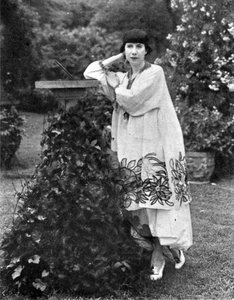
Флорина Стеттеимер
1871 - 1944 , Соединенные Штаты Америки
Основные сведения
- Artistic Movement Or Style: Современное искусство, Деко
- Artists Or Movements Influenced By This Artist:
- Феминистки
- Современное искусство
- Artists Who Influenced This Artist:
- Европейские модернисты
- Рококо
- Date Of Birth: 1871-08-19
- Date Of Death: 1944-05-11
- Full Name: Florine Stettheimer
- Nationality: Американка
- Notable Artworks:
- Кафедральные комплексы
- Портрет моей матери
- Place Of Birth: Рочестер, США
Похожие статьи
Discover Gouache: The Expert Guide to the Vibrant, Opaque Secret of Masterful Artistry
Master the vibrant world of gouache with our expert guide. Discover the unique opacity and matte brilliance that sets this medium apart from watercolor, perfect for collectors seeking bold, impactful art to elevate their home decor.
The Gilded Age Revisited: Art Deco's Modernity & Luxury
Explore the captivating world of Art Deco paintings & the Gilded Age's enduring legacy. Discover iconic artists like Tamara de Lempicka & invest in museum-quality reproductions with ArtsDot.
The Roaring Twenties Revisited: Art Deco & Modernist Expressions for the Discerning Collector
Explore the glamour of Art Deco & the innovation of Modernism! Discover key artists, investment potential, and expert guidance for collecting 1920s art. Enhance your space with timeless masterpieces.
Albert Kretschmer: Capturing 19th-Century Costume & the Seeds of Expressionism
Explore the exquisite costume studies of Albert Kretschmer (1825-1891). Discover his detailed illustrations, influence on art history & connection to early Expressionism. Learn about collecting this remarkable artist's work.
Stuart Davis: Modernist Abstraction & the Vibrant Spirit of the Jazz Age
Explore the vibrant world of Stuart Davis, a pioneer of American Modernism. Discover his jazz-inspired paintings, signature style & investment potential. Expert insights for art collectors.