

 Предпросмотр
 Поделиться
 Поделиться
 Детали произведения

 Скачать
 Похожие работы
 Рентгенография
 Слайд-шоу
 Статистика
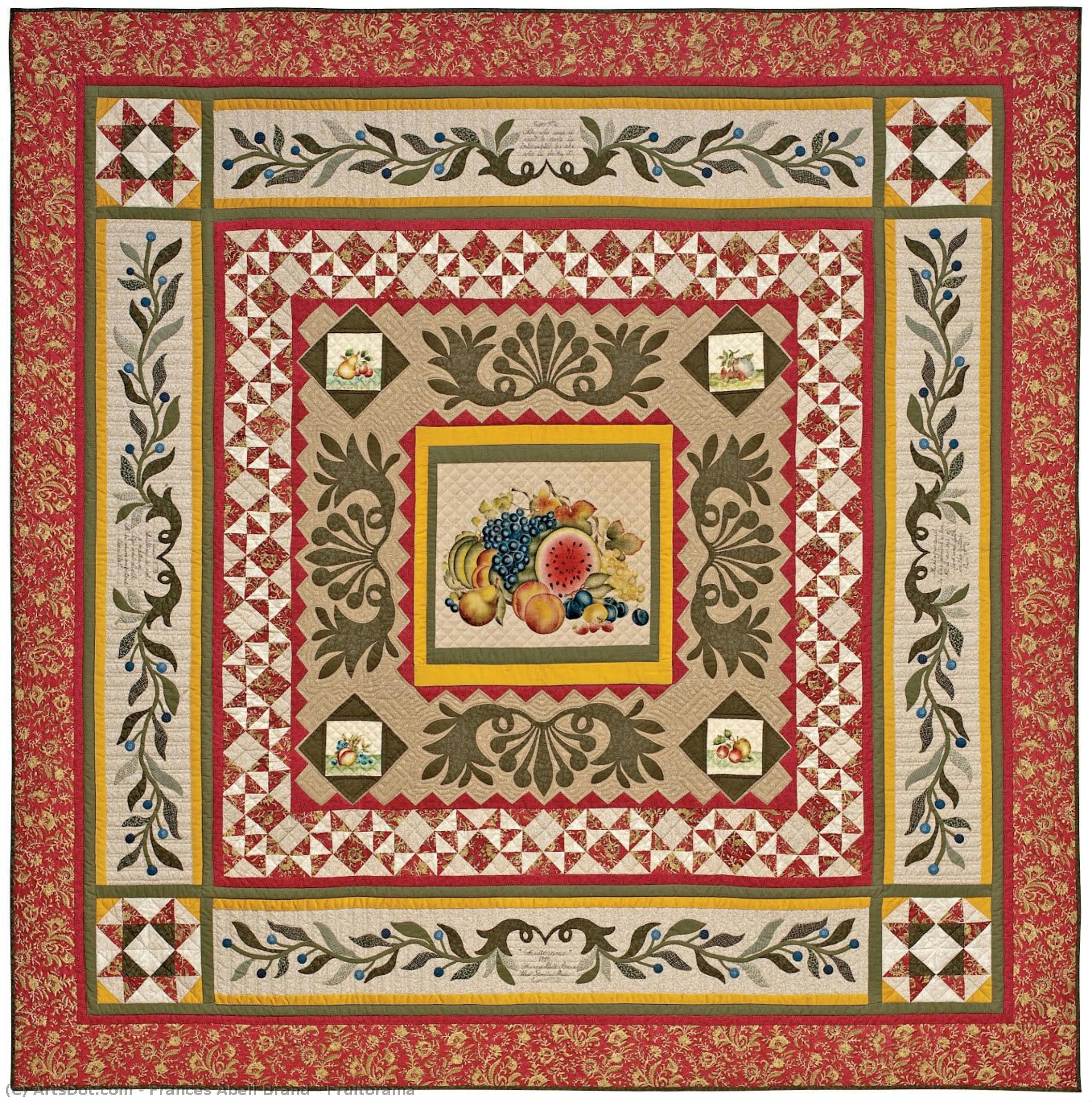
Fruitorama


 Читать далее
Приобретите цифровое изображение высокого разрешения в улучшенном качестве, которое значительно превосходит онлайн-превью.
Каждый файл тщательно подготавливается нашими специалистами с использованием передовых инструментов и экспертной ручной ретуши. Мы гарантируем исключительную четкость, точную цветопередачу и детальную проработку каждого изображения.
Финальный файл доставляется по электронной почте в течение 72 часов и оптимизирован для немедленного использования в профессиональной среде, при верстке и печати. Это тот же уровень качества, которому доверяют ведущие дизайнерские студии, издательства и галереи.
Цифровое изображение
Скачайте файл высокого разрешения для личного использования, печати и творческих проектов. ( Перейти к печати Купить картину ручной работы)
Включено в каждый заказ цифровых изображений
Гарантия экспертной цифровой доставки
Выбирая ArtsDot.com, вы получаете не просто изображение — вы приобретаете профессионально обработанное цифровое произведение искусства, созданное с безупречной точностью и под защитой гарантии качества. Вот всё, что автоматически входит в ваш заказ:

Мгновенная доставка по e-mail
Ваш цифровой файл в высоком разрешении будет отправлен вам по электронной почте в течение 72 часов после оформления заказа — и сразу станет доступен для использования.

Цифровой файл с ИИ-улучшением
Ваше произведение искусства проходит профессиональную оптимизацию с использованием передовых инструментов ИИ и ручной обработки, что гарантирует максимальную детализацию, четкость и точность цветопередачи.

Бессрочная бесплатная повторная доставка
Случайно удалили или потеряли файл? Не беспокойтесь — мы отправим его вам повторно в любое время и совершенно бесплатно.

Без импортных пошлин — навсегда
Наслаждайтесь вашим произведением искусства мгновенно без таможенных пошлин, сборов или затрат на доставку — цифровые загрузки всегда не облагаются налогом.

Гарантия точности цветопередачи
Мы гарантируем, что ваше цифровое изображение максимально точно передает оригинальные цвета благодаря использованию профессиональных инструментов и систем управления цветом.

Гарантия удовлетворенности 100 дней
Если вы не будете удовлетворены своим цифровым изображением, мы внесем правки или вернем 100% стоимости в течение 100 дней — без лишних вопросов.

100% Гарантия возврата средств
Не удовлетворены покупкой? Получите полный возврат средств в течение 100 дней после получения цифрового файла — без лишних вопросов.

Скидки на оптовые заказы
Купите 3 изображения, сэкономьте 10% — Купите 5, сэкономьте 15% — Купите 10+, сэкономьте 20%. Отличное решение для творческих проектов, галерей и агентств.
Похожие произведения
Биография художника
Henri Matisse: A Life Painted in Color
Born Henri Émile Benoît Matisse on December 31, 1869, in Cateau-Cambrésis, Northern France, Matisse’s journey to becoming one of the most influential artists of the 20th century was marked by a relentless pursuit of color and form. His early life, shaped by a relatively distant relationship with his parents and a childhood spent on a farm outside Lille, instilled in him a deep appreciation for the natural world – a theme that would repeatedly surface throughout his career. Unlike many artists of his time who sought to emulate academic traditions, Matisse’s artistic development was driven by an intensely personal vision, one rooted in observation and a desire to capture the essence of experience through vibrant hues.
Matisse's formal training began at the École des Beaux-Arts in Paris in 1884. Initially drawn to the darker, more realistic styles prevalent at the time, he quickly became disillusioned with academic constraints and sought alternative approaches. Crucially, his exposure to the works of Paul Gauguin during this period proved transformative. Gauguin’s bold use of color and simplified forms ignited a passion within Matisse for expressive painting, leading him to experiment with brighter palettes and looser brushstrokes. This early encounter laid the foundation for his later development as a key figure in Fauvism – a movement characterized by its unrestrained use of color and rejection of traditional representational techniques.
The 1900s witnessed Matisse’s emergence as a leading voice within the Fauvist circle. Works like *Woman with a Hat* (1905) and *The Joy of Life* (1906) exemplify this period, showcasing his masterful manipulation of color to convey emotion and atmosphere. These paintings were initially met with considerable controversy due to their unconventional use of color, but they quickly gained recognition for their innovative approach and emotional intensity. Matisse’s exploration of color wasn't merely decorative; it was a fundamental element of his artistic language, used to create a sense of joy, vitality, and subjective experience.
The Evolution of Style: From Fauvism to Bold Abstraction
Following the initial fervor of Fauvism, Matisse embarked on a period of stylistic refinement. He moved away from the purely arbitrary use of color, developing a more disciplined approach that emphasized harmony, balance, and decorative patterns. This shift is particularly evident in works like *Blue Nude* (1908) and *Dance* (1909-10), which demonstrate his increasing interest in simplified forms and rhythmic compositions. These paintings reveal a growing concern with the underlying structure of the image, moving beyond mere color to explore spatial relationships and visual dynamics.
The years between 1917 and 1926 represent a pivotal phase in Matisse’s artistic development. He relocated to Nice, France, seeking respite from the pressures of Parisian art circles and embracing a more relaxed, contemplative approach to painting. During this period, he created his iconic “cut-out” collages – vibrant compositions crafted from colored paper, often incorporating elements of folk art and decorative motifs. These works demonstrate his continued fascination with pattern, color, and the interplay between surface and depth.
Despite his earlier association with Fauvism, Matisse never fully abandoned its principles. His later paintings, such as *The Red Studio* (1913) and *La Danse* (1912), retain a sense of boldness and chromatic intensity while simultaneously exploring new formal possibilities. These works represent a culmination of his artistic journey – a synthesis of color, form, and decorative elements that defined his unique visual language.
Influence and Legacy
Matisse’s impact on 20th-century art is undeniable. He profoundly influenced generations of artists with his innovative use of color, his emphasis on formal structure, and his exploration of subjective experience. His work paved the way for movements such as Abstract Expressionism and Pop Art, demonstrating the enduring power of color to evoke emotion and communicate ideas.
Beyond his direct influence on painting, Matisse’s approach to art – characterized by a focus on pleasure, beauty, and the transformative potential of creative expression – continues to resonate with artists and audiences today. His legacy extends far beyond the realm of fine art, inspiring designers, architects, and other creatives to embrace color and form as essential elements of their work.
A Life Dedicated to Art
Henri Matisse died on November 3, 1954, in Nice, leaving behind a vast and influential body of work. Throughout his long and productive career, he remained committed to his artistic vision, constantly experimenting with new techniques and approaches. He taught at the Académie Julian and the Académie Colarossi in Paris, sharing his knowledge and inspiring countless students. His later years were marked by increasing physical limitations, but he continued to paint until shortly before his death, producing a series of vibrant “black” paintings that explored the expressive possibilities of monochrome.
Matisse’s art is celebrated for its joyous spirit, its masterful use of color, and its profound exploration of human experience. His work remains a testament to the power of creativity to transform the world around us – one brushstroke at a time.
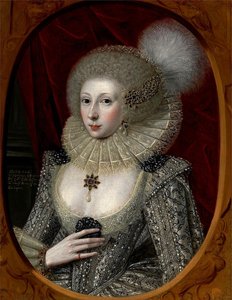
Фрэнсис Абелл Брэнд
1913 - , Соединенные Штаты Америки
Основные сведения
- Artistic Movement Or Style: Фовизм, модернизм, постимпрессионизм
- Artists Or Movements Influenced By This Artist:
- Андре Дерен
- Морис де Вламинко
- Кубизм
- Artists Who Influenced This Artist:
- Поль Сезанн
- Винсент ван Гог
- Эдгар Дега
- Date Of Birth: 31 декабря 1869 г.
- Date Of Death: 3 ноября 1954 г.
- Full Name: Анри Матисс
- Nationality: Француз
- Notable Artworks:
- Женщина в шляпе
- Радость жизни
- Синяя обнаженная (Сувенир из Бискры)
- Танец
- Красная мастерская
- Place Of Birth: Като-Бре, Франция