

 Предпросмотр
 Поделиться
 Поделиться
 Детали произведения

 Скачать
 Похожие работы
 Рентгенография
 Слайд-шоу
 Статистика
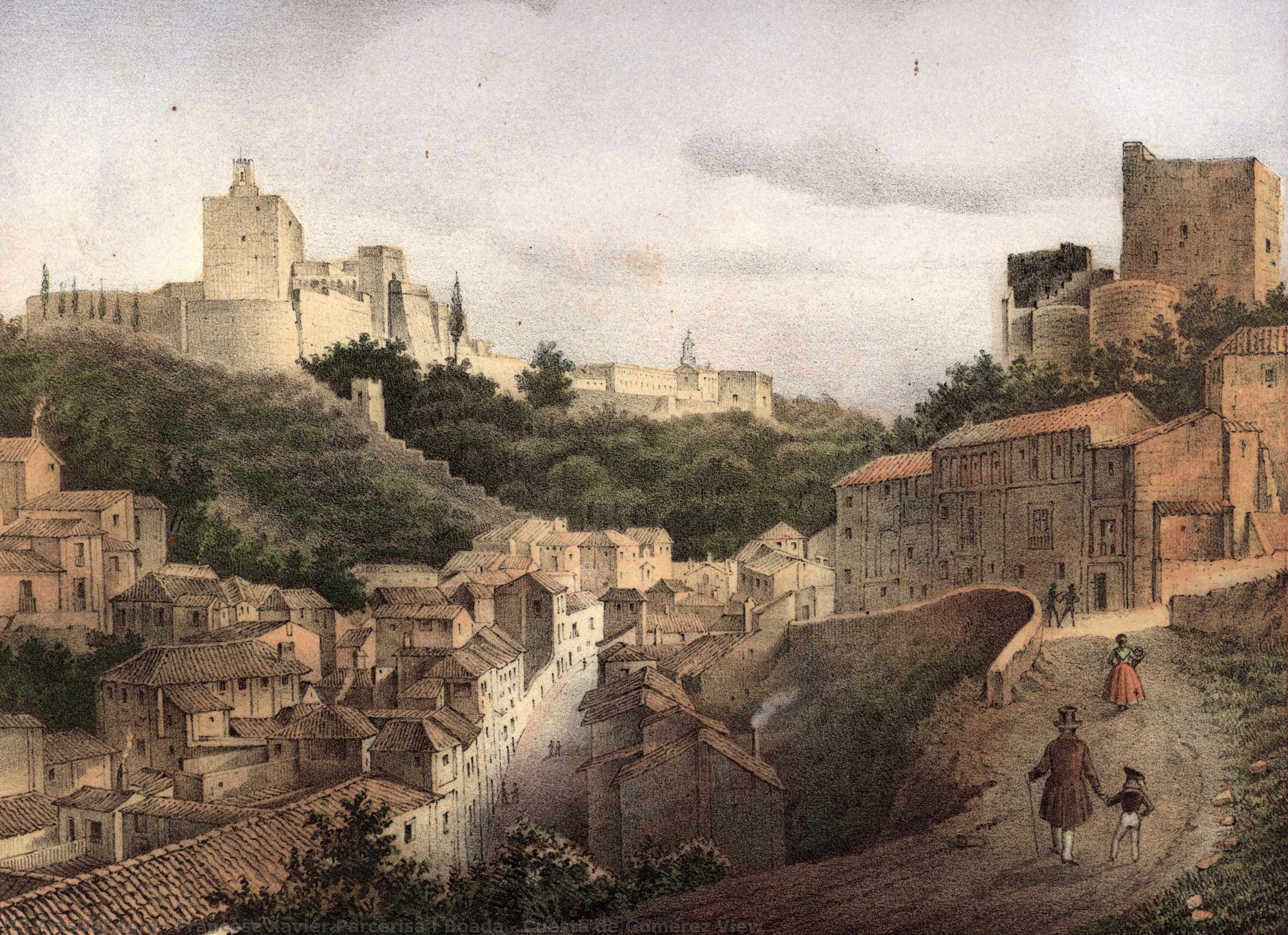
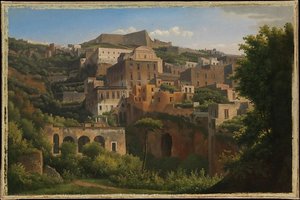
Cuesta de Gomérez View
 Romanticism
 1800
1800- 19th Century
 14.0 x 20.0 cm
 Museo Casa de los Tiros de Granada
 Читать далее
Приобретите цифровое изображение высокого разрешения в улучшенном качестве, которое значительно превосходит онлайн-превью.
Каждый файл тщательно подготавливается нашими специалистами с использованием передовых инструментов и экспертной ручной ретуши. Мы гарантируем исключительную четкость, точную цветопередачу и детальную проработку каждого изображения.
Финальный файл доставляется по электронной почте в течение 72 часов и оптимизирован для немедленного использования в профессиональной среде, при верстке и печати. Это тот же уровень качества, которому доверяют ведущие дизайнерские студии, издательства и галереи.
Цифровое изображение
Скачайте файл высокого разрешения для личного использования, печати и творческих проектов. ( Перейти к печати Купить картину ручной работы)
Включено в каждый заказ цифровых изображений
Гарантия экспертной цифровой доставки
Выбирая ArtsDot.com, вы получаете не просто изображение — вы приобретаете профессионально обработанное цифровое произведение искусства, созданное с безупречной точностью и под защитой гарантии качества. Вот всё, что автоматически входит в ваш заказ:

Мгновенная доставка по e-mail
Ваш цифровой файл в высоком разрешении будет отправлен вам по электронной почте в течение 72 часов после оформления заказа — и сразу станет доступен для использования.

Цифровой файл с ИИ-улучшением
Ваше произведение искусства проходит профессиональную оптимизацию с использованием передовых инструментов ИИ и ручной обработки, что гарантирует максимальную детализацию, четкость и точность цветопередачи.

Бессрочная бесплатная повторная доставка
Случайно удалили или потеряли файл? Не беспокойтесь — мы отправим его вам повторно в любое время и совершенно бесплатно.

Без импортных пошлин — навсегда
Наслаждайтесь вашим произведением искусства мгновенно без таможенных пошлин, сборов или затрат на доставку — цифровые загрузки всегда не облагаются налогом.

Гарантия точности цветопередачи
Мы гарантируем, что ваше цифровое изображение максимально точно передает оригинальные цвета благодаря использованию профессиональных инструментов и систем управления цветом.

Гарантия удовлетворенности 100 дней
Если вы не будете удовлетворены своим цифровым изображением, мы внесем правки или вернем 100% стоимости в течение 100 дней — без лишних вопросов.

100% Гарантия возврата средств
Не удовлетворены покупкой? Получите полный возврат средств в течение 100 дней после получения цифрового файла — без лишних вопросов.

Скидки на оптовые заказы
Купите 3 изображения, сэкономьте 10% — Купите 5, сэкономьте 15% — Купите 10+, сэкономьте 20%. Отличное решение для творческих проектов, галерей и агентств.
A Window into the Romantic Past
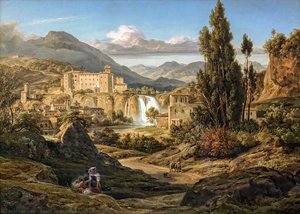
In the delicate strokes of Cuesta de Gomérez View, we are transported to a bygone era where time seems to move at the pace of a gentle breeze. Painted around 1800 by the skilled hand of Francesc Xavier Parcerisa i Boada, this intimate work captures more than just a landscape; it captures a mood of profound tranquility. The scene unfolds upon a sun-drenched hillside, where a quaint town nestles harmoniously against a backdrop of majestic, undulating mountains. As your eyes wander through the composition, you encounter the rhythmic life of the village: figures strolling leisurely along the paths, their presence adding a sense of scale and human connection to the vastness of the natural world. Even the subtle inclusion of two dogs, wandering near the center and the periphery, lends an air of domestic peace and unhurried charm to this picturesque vista.
The artistry of Parcerisa i Boada shines through in the masterful way he balances the architectural elements of the town with the rugged grandeur of the distant castle and peaks. The technique reflects the transitionary period of the early 19th century, where the meticulous attention to detail found in classical training meets the burgeoning emotional depth of the Romantic movement. Each brushstroke contributes to a sense of atmospheric perspective, making the mountains feel distant and ethereal while bringing the textures of the town's stone and earth into sharp, tactile focus. For the discerning collector, this piece offers a masterclass in composition, using the winding paths of the Cuesta de Gomérez to guide the viewer’s gaze deep into the heart of the landscape.
An Atmosphere of Timeless Serenity
Beyond its technical brilliance, Cuesta de Gomérez View serves as an emotional sanctuary. There is a palpable sense of nostalgia embedded within the pigment—a longing for a world untouched by the frenetic energy of modernity. The interplay of light and shadow across the hillside suggests a specific moment in time, perhaps a late afternoon where the warmth of the sun begins to soften against the cooling shadows of the mountains. This play of light creates a luminous quality that breathes life into the canvas, making the scene feel less like a static image and more like a living, breathing memory.
For interior designers and art enthusiasts alike, this painting offers unparalleled versatility. Its soft palette and serene subject matter make it an exquisite focal point for a room designed for contemplation, such as a library, a study, or a quiet sitting area. As a high-quality reproduction, it brings the prestige of 19th-century Spanish landscape tradition into the contemporary home, providing a sophisticated touch of historical elegance. To possess this work is to invite a sense of enduring peace into one's surroundings, offering a daily escape to a world of mountain mist, ancient stone, and the quiet beauty of a life lived in harmony with nature.
Похожие произведения
Биография художника
Eugène Isabey: Bridging the Worlds of Observation and Romanticism
Eugène Isabey’s life and artistic journey represent a fascinating confluence of observation, experience, and the evolving sensibilities of 19th-century France. Born in Paris in 1803 to a family deeply rooted in the art world – his father, Jean-Baptiste Isabey, was a celebrated painter who enjoyed patronage from Napoleon himself – Eugène initially pursued a career at sea, a path seemingly destined for him given his family’s history. However, his father’s insistence on artistic training ultimately steered him toward the brush, marking a shift that would profoundly shape his legacy. Isabey's early education focused on mastering the techniques of the Old Masters, diligently studying at the Louvre and honing his skills in meticulous copying – a practice that instilled within him a deep appreciation for classical form and composition. This foundation proved crucial as he navigated the complex landscape of Parisian art circles and sought to establish himself as a distinct artist.- Early Influences & Training: Isabey’s artistic development was significantly shaped by his apprenticeship with François André Vincent, a respected academic painter. This period provided him with invaluable experience in portraiture and the fundamentals of painting technique. Crucially, he also spent time studying under James Barry, a renowned historical painter known for his dramatic compositions and masterful use of light and shadow. Barry’s influence is particularly evident in Isabey's later works depicting grand scenes and figures, demonstrating a clear understanding of theatricality and narrative.
- The Salon Years & Expanding Horizons: Isabey’s early career was intimately tied to the prestigious *Salon* exhibitions, the primary venue for artistic recognition in France. He consistently exhibited his work, gradually gaining exposure and refining his style. However, he quickly realized that simply replicating established academic conventions wasn't sufficient. He sought opportunities beyond the Salon, including documenting significant historical events like the return of Napoleon’s remains from Saint Helena – a commission that brought him considerable acclaim and showcased his ability to capture both grandeur and human emotion. This period marked a shift towards larger-scale works and a growing interest in depicting scenes of adventure and exploration.
A Painter of Scenes: From Ships to Courts
Isabey’s artistic output spanned a remarkably diverse range of subjects, reflecting his restless curiosity and adaptability. He excelled at capturing the dynamism of maritime life – storms at sea, naval battles, and scenes of port activity – often drawing upon his own seafaring experiences. These works are characterized by their dramatic lighting, meticulous detail, and skillful rendering of movement. He wasn’t merely depicting ships; he was conveying the power and unpredictability of nature, imbuing them with a sense of both beauty and danger.- Genre Scenes & Social Commentary: Beyond maritime subjects, Isabey produced numerous genre scenes – depictions of everyday life in Parisian cafes, theaters, and public spaces. These works offer valuable insights into the social customs and cultural trends of his time. He possessed a keen eye for capturing the nuances of human interaction and the atmosphere of urban environments.
- Royal Patronage & Historical Commissions: Isabey’s artistic talents eventually caught the attention of the French court, leading to commissions from King Louis-Philippe. He created portraits of prominent figures, including members of the royal family and notable statesmen. His most celebrated historical painting, *Return of the Embalmed Remains of Napoleon Bonaparte*, commissioned for the 1840 Exposition Universelle, remains a testament to his ability to convey both solemnity and grandeur – a work that cemented his position as one of France’s leading artists.
Technique and Style: Romanticism with a Practical Eye
Isabey's artistic style can be characterized as a sophisticated blend of Romanticism and Realism. He embraced the emotional intensity and dramatic lighting favored by the Romantic movement, evident in his depictions of storms and heroic scenes. However, unlike some of his contemporaries, Isabey maintained a pragmatic approach to his craft, meticulously studying anatomy, perspective, and color theory. His works are notable for their technical precision and attention to detail, particularly in rendering fabrics, textures, and the effects of light on surfaces.- Color & Light: Isabey was a master of color, employing a rich palette and skillfully manipulating light to create atmospheric effects. He often used chiaroscuro – the dramatic contrast between light and shadow – to heighten the emotional impact of his scenes. His paintings are imbued with a sense of luminosity that draws the viewer into the heart of the action.
- Influence & Legacy: While he never achieved the same level of fame as some of his Romantic peers, Isabey’s work exerted a significant influence on subsequent generations of French artists. His meticulous observation and skillful rendering of detail paved the way for later Realist painters, while his dramatic compositions and evocative use of color continue to resonate with viewers today.
A Life Dedicated to Observation: Death and Remembrance
Eugène Isabey died in Paris on 25 April 1886 at the age of 82. His life’s work, encompassing a vast range of subjects and styles, stands as a testament to his dedication to observation and artistic expression. He left behind a substantial body of paintings, drawings, and lithographs that offer valuable insights into the social, cultural, and historical landscape of 19th-century France. His legacy extends beyond his individual works; he represents a pivotal figure in bridging the gap between academic tradition and the burgeoning spirit of Romanticism, demonstrating the power of artistic observation to capture both the grandeur of history and the subtleties of everyday life.
francesc xavier parcerisa i boada
1803 - 1876