


 Поделиться
 Поделиться
 Детали произведения

 Скачать
 Похожие работы
 Слайд-шоу
 Статистика
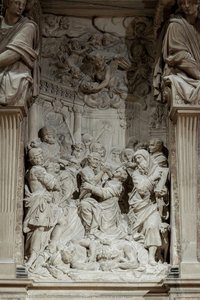
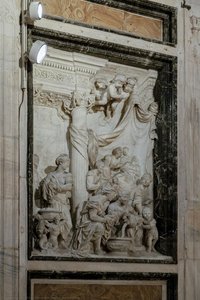
Chapel of Saint Francis of Paola in the Basilica of Santa Croce - detail


 Читать далее
Приобретите цифровое изображение высокого разрешения в улучшенном качестве, которое значительно превосходит онлайн-превью.
Каждый файл тщательно подготавливается нашими специалистами с использованием передовых инструментов и экспертной ручной ретуши. Мы гарантируем исключительную четкость, точную цветопередачу и детальную проработку каждого изображения.
Финальный файл доставляется по электронной почте в течение 72 часов и оптимизирован для немедленного использования в профессиональной среде, при верстке и печати. Это тот же уровень качества, которому доверяют ведущие дизайнерские студии, издательства и галереи.
Цифровое изображение
Скачайте файл высокого разрешения для личного использования, печати и творческих проектов. ( Перейти к печати Купить картину ручной работы)
Включено в каждый заказ цифровых изображений
Гарантия экспертной цифровой доставки
Выбирая ArtsDot.com, вы получаете не просто изображение — вы приобретаете профессионально обработанное цифровое произведение искусства, созданное с безупречной точностью и под защитой гарантии качества. Вот всё, что автоматически входит в ваш заказ:

Мгновенная доставка по e-mail
Ваш цифровой файл в высоком разрешении будет отправлен вам по электронной почте в течение 72 часов после оформления заказа — и сразу станет доступен для использования.

Цифровой файл с ИИ-улучшением
Ваше произведение искусства проходит профессиональную оптимизацию с использованием передовых инструментов ИИ и ручной обработки, что гарантирует максимальную детализацию, четкость и точность цветопередачи.

Бессрочная бесплатная повторная доставка
Случайно удалили или потеряли файл? Не беспокойтесь — мы отправим его вам повторно в любое время и совершенно бесплатно.

Без импортных пошлин — навсегда
Наслаждайтесь вашим произведением искусства мгновенно без таможенных пошлин, сборов или затрат на доставку — цифровые загрузки всегда не облагаются налогом.

Гарантия точности цветопередачи
Мы гарантируем, что ваше цифровое изображение максимально точно передает оригинальные цвета благодаря использованию профессиональных инструментов и систем управления цветом.

Гарантия удовлетворенности 100 дней
Если вы не будете удовлетворены своим цифровым изображением, мы внесем правки или вернем 100% стоимости в течение 100 дней — без лишних вопросов.

100% Гарантия возврата средств
Не удовлетворены покупкой? Получите полный возврат средств в течение 100 дней после получения цифрового файла — без лишних вопросов.

Скидки на оптовые заказы
Купите 3 изображения, сэкономьте 10% — Купите 5, сэкономьте 15% — Купите 10+, сэкономьте 20%. Отличное решение для творческих проектов, галерей и агентств.
A Masterpiece in Stone: The Visionary Relief of Francesco Antonio Zimbalo
In the heart of the Basilica of Santa Croce, within the sacred Chapel of Saint Francis of Paola, lies a breathtaking testament to the dawn of the Baroque era. This intricate relief sculpture, executed in 1615 by the master Francesco Antonio Zimbalo, serves as a window into a world where stone breathes with life and movement. The work captures a profound moment of communal devotion and narrative drama, depicting a scene teeming with at least thirteen distinct figures. As one gazes upon this masterpiece, the eye is immediately drawn into a complex tapestry of human interaction; some figures stand in quiet contemplation, while others kneel or engage in the rhythmic motions of a shared journey. It is not merely a carving, but a frozen moment of spiritual and historical significance that continues to captivate the modern soul.
The technique employed by Zimbalo reveals his profound lineage as a sculptor of stone, a craftsman who understood how to manipulate light and shadow to create depth within a shallow plane. Through the medium of bas-relief, he achieves a sense of three-dimensionality that borders on the miraculous. The intricate details—the folds of heavy garments, the subtle expressions of faces, and the delicate textures of the surrounding architecture—showcase a transition from the restrained elegance of the Renaissance to the emotive, theatrical flourishes of the Baroque. Every chisel mark serves a purpose, guiding the viewer's gaze through a meticulously composed landscape where foreground and background merge into a singular, immersive experience.
Beyond its technical brilliance, the artwork carries a heavy symbolic weight, representing the Magi’s journey and the collective spiritual fervor of the era. The composition functions as a visual sermon, utilizing a serene yet dramatic palette to evoke feelings of reverence and awe. For the collector or the interior designer, this piece offers more than just aesthetic beauty; it provides a profound emotional anchor. A high-quality reproduction of this relief brings with it the weight of Italian history and the sophisticated atmosphere of Lecce’s golden age. It is an ideal centerpiece for those seeking to infuse a space with narrative depth, timeless elegance, and the enduring spirit of Baroque mastery.
Похожие произведения
Биография художника
The Baroque Visionary of Lecce: Francesco Antonio Zimbalo
Francesco Antonio Zimbalo, born in the vibrant city of Lecce around 1567 and passing away there in 1631, stands as a pivotal figure in the development of Baroque architecture in southern Italy. While not widely known outside specialist circles, within the Salento peninsula – the heel of Italy’s boot – his influence is monumental. Zimbalo wasn't merely an architect; he was a sculptor of stone, a master craftsman who helped define the exuberant and uniquely ornate style that came to be synonymous with Lecce. His life coincided with a period of significant artistic transition, as the restrained elegance of the Renaissance yielded to the dramatic flourishes and emotional intensity of the Baroque era. He emerged not from academic training but from a deeply rooted tradition of local artisans, inheriting skills passed down through generations of stonemasons and sculptors. This practical grounding, coupled with an innate understanding of the region’s distinctive *pietra leccese* – a soft, easily workable limestone – would become the hallmark of his work.A Family Legacy in Stone
Zimbalo hailed from a family deeply embedded in the artistic fabric of Lecce. The trade wasn't simply a profession; it was a dynastic inheritance. His son continued the family’s pursuits, but it was his grandson, Giuseppe Zimbalo – affectionately known as “Lo Zingarello” (the Little Zimbalo) – who would achieve perhaps even greater renown. This lineage is crucial to understanding Francesco Antonio’s role: he wasn't an isolated genius but a vital link in a chain of artistic innovation. He laid the foundations for his grandson’s masterpieces, establishing a workshop and aesthetic sensibility that would dominate Lecce’s architectural landscape for decades. The family’s commitment to their craft ensured not only its survival but also its evolution, adapting and refining techniques while remaining deeply connected to the local materials and traditions.The Basilica di Santa Croce: A Defining Project
Zimbalo's most significant contribution lies in his work on the Basilica of Santa Croce, a sprawling architectural complex that embodies the spirit of Leccese Baroque. Construction began in 1549 under Gabriele Riccardi, but it was Zimbalo who truly transformed the façade into a breathtaking spectacle. He designed and executed the three magnificent portals – elaborate gateways teeming with sculpted figures, floral motifs, and fantastical creatures. These weren’t simply entrances; they were statements of faith, displays of civic pride, and showcases of artistic virtuosity. The *pietra leccese* was exploited to its fullest potential, allowing for an astonishing level of detail and a play of light and shadow that accentuated the dramatic forms. Beyond the portals, Zimbalo also designed the altar of San Francesco di Paola within the basilica, further solidifying his reputation as a master of religious architecture. The Basilica stands today as a testament to his skill and vision, attracting visitors from around the world who marvel at its intricate beauty.Influences and Artistic Development
Pinpointing specific influences on Zimbalo is challenging due to limited documentation. However, it’s clear that he absorbed elements from both Renaissance classicism and emerging Baroque trends prevalent in Naples – a major cultural center nearby. He skillfully blended these influences with the unique characteristics of Leccese stone carving, creating a style that was distinctly his own. Early works likely demonstrate a more restrained classical approach, gradually evolving towards the increasingly ornate and dynamic forms characteristic of his later projects. The emphasis on sculptural detail, the theatrical use of light and shadow, and the integration of local motifs – such as stylized acanthus leaves and grotesque masks – all point to a deliberate artistic development driven by both aesthetic considerations and the inherent properties of the *pietra leccese*.Historical Significance and Lasting Impact
Francesco Antonio Zimbalo’s legacy extends far beyond the Basilica di Santa Croce. He helped establish a distinctive Leccese Baroque style that continues to captivate audiences today. His workshop trained generations of artisans, ensuring the continuity of his techniques and aesthetic principles. The influence of his work can be seen throughout Lecce – in churches, palaces, and even private residences. More importantly, he fostered a sense of civic pride and artistic identity within the city, transforming it into a showcase for Baroque splendor. He wasn’t simply building structures; he was creating an environment, shaping a cultural landscape that would define Lecce for centuries to come. His work remains a powerful reminder of the enduring beauty and expressive potential of stone carving, and his contribution to Italian art history is increasingly recognized as profoundly significant.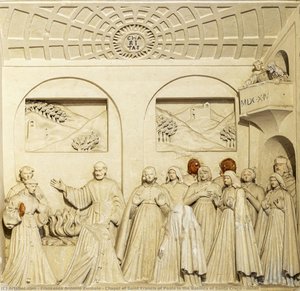
francesco antonio zimbalo
1567 - 1631