


 Предпросмотр
 Поделиться
 Поделиться
 Детали произведения

 Скачать
 Похожие работы
 Рентгенография
 Слайд-шоу
 Статистика
Adoration of the Magi
 Oil On Canvas
- WallArt
- Baroque
 1567
1567 98.0 x 129.0 cm
 Эрмитаж
 Читать далее
Приобретите цифровое изображение высокого разрешения в улучшенном качестве, которое значительно превосходит онлайн-превью.
Каждый файл тщательно подготавливается нашими специалистами с использованием передовых инструментов и экспертной ручной ретуши. Мы гарантируем исключительную четкость, точную цветопередачу и детальную проработку каждого изображения.
Финальный файл доставляется по электронной почте в течение 72 часов и оптимизирован для немедленного использования в профессиональной среде, при верстке и печати. Это тот же уровень качества, которому доверяют ведущие дизайнерские студии, издательства и галереи.
Цифровое изображение
Скачайте файл высокого разрешения для личного использования, печати и творческих проектов. ( Перейти к печати Купить картину ручной работы)
Включено в каждый заказ цифровых изображений
Гарантия экспертной цифровой доставки
Выбирая ArtsDot.com, вы получаете не просто изображение — вы приобретаете профессионально обработанное цифровое произведение искусства, созданное с безупречной точностью и под защитой гарантии качества. Вот всё, что автоматически входит в ваш заказ:

Мгновенная доставка по e-mail
Ваш цифровой файл в высоком разрешении будет отправлен вам по электронной почте в течение 72 часов после оформления заказа — и сразу станет доступен для использования.

Цифровой файл с ИИ-улучшением
Ваше произведение искусства проходит профессиональную оптимизацию с использованием передовых инструментов ИИ и ручной обработки, что гарантирует максимальную детализацию, четкость и точность цветопередачи.

Бессрочная бесплатная повторная доставка
Случайно удалили или потеряли файл? Не беспокойтесь — мы отправим его вам повторно в любое время и совершенно бесплатно.

Без импортных пошлин — навсегда
Наслаждайтесь вашим произведением искусства мгновенно без таможенных пошлин, сборов или затрат на доставку — цифровые загрузки всегда не облагаются налогом.

Гарантия точности цветопередачи
Мы гарантируем, что ваше цифровое изображение максимально точно передает оригинальные цвета благодаря использованию профессиональных инструментов и систем управления цветом.

Гарантия удовлетворенности 100 дней
Если вы не будете удовлетворены своим цифровым изображением, мы внесем правки или вернем 100% стоимости в течение 100 дней — без лишних вопросов.

100% Гарантия возврата средств
Не удовлетворены покупкой? Получите полный возврат средств в течение 100 дней после получения цифрового файла — без лишних вопросов.

Скидки на оптовые заказы
Купите 3 изображения, сэкономьте 10% — Купите 5, сэкономьте 15% — Купите 10+, сэкономьте 20%. Отличное решение для творческих проектов, галерей и агентств.
The Scene Unfolds: A Nativity Rich in Symbolism
Francesco Bassano the Younger’s “Adoration of the Magi” is not merely a depiction of a biblical scene; it's an immersive experience, a vibrant tableau brimming with religious fervor and humanist observation. Painted in 1567, this work transports us to a humble stable – the birthplace of Jesus – where Joseph, Mary, and the infant Christ are surrounded by the reverent figures of the Magi. The composition is dynamic, skillfully employing diagonal lines that draw the eye through the crowded space, creating a sense of movement and immediacy. Bassano masterfully captures the emotional core of the event: the wonder of witnessing the divine, the humility of the Magi, and the profound peace of the newborn King.
The scene is populated with carefully rendered figures – a donkey patiently observing, a dog nestled at Christ’s feet, and three richly adorned Magi bearing gifts of gold, frankincense, and myrrh. These gifts aren't simply offerings; they represent spiritual riches, the treasures brought to honor the Messiah. The inclusion of the dog is particularly noteworthy, symbolizing loyalty and faithfulness – virtues essential in the narrative. The stable itself, a simple, rustic structure, provides a striking contrast to the opulent attire of the Magi, emphasizing the humility and earthly nature of Christ’s birth.
Baroque Brilliance: Technique and Artistic Vision
Bassano's style is quintessential Baroque – dramatic lighting, rich textures, and an emphasis on emotional intensity. The painting utilizes oil on canvas with a smooth, layered application of paint, creating a sense of depth and realism. Notice the masterful use of chiaroscuro, where strong contrasts between light and shadow highlight key figures like Mary and the infant Jesus, drawing our attention to their central importance. The artist’s brushstrokes are confident and expressive, contributing to the overall dynamism of the scene.
Furthermore, Bassano demonstrates a keen understanding of perspective, though it's somewhat flattened compared to later Renaissance works. This deliberate choice prioritizes the narrative impact over strict realism, guiding our gaze through the crowded space and immersing us in the event. The use of gold leaf adds to the opulence and sacredness of the subject matter, reflecting the divine nature of the scene.
A Window into 16th-Century Venice: Context and Influences
Created during a period of immense artistic innovation in Venice, “Adoration of the Magi” reflects the city’s flourishing cultural landscape. Bassano, part of a prominent family of artists, was deeply influenced by his predecessors, particularly his father, Jacopo Bassano, and the Venetian masters Titian and Pordenone. The painting's composition shares similarities with earlier works, notably Rogier van der Weyden’s “Entombment of Christ,” demonstrating Bassano’s engagement with established artistic traditions while forging his own distinctive style.
Francesco Bassano the Younger (born January 26, 1549 – July 4, 1592), was a pivotal figure in Venetian Renaissance painting and a descendant of Francesco da Ponte the elder—a lineage that profoundly shaped his artistic vision. His life unfolded amidst the vibrant cultural landscape of Bassano and Venice, where he honed his craft under the tutelage of his father and established himself as a respected artist within the prestigious Bassano family workshop alongside his brothers giambattista, girolamo, and leandro bassano.
A Legacy Endures: Symbolism and Emotional Resonance
Beyond its technical brilliance, “Adoration of the Magi” resonates deeply with viewers due to its powerful symbolism. The scene evokes feelings of piety, wonder, and reverence – emotions inextricably linked to the birth of Jesus. The painting serves as a reminder of the humble origins of Christ, the importance of faith, and the enduring power of hope. It’s a timeless masterpiece that continues to captivate audiences centuries after its creation.
Похожие произведения



Биография художника
A Venetian Legacy Illuminated
The story of Francesco Bassano the Younger is one of lineage, light, and the enduring spirit of the Venetian Renaissance. Born as Jacopo dal Ponte in the picturesque landscape of Bassano del Grappa, his very identity was woven into the fabric of a profound artistic dynasty. As a descendant of the celebrated Francesco da Ponte the Elder, Francesco did not merely inherit a name; he inherited a visual language defined by the mastery of nature and the dramatic interplay of shadow and light. His early years were spent within the hallowed walls of the Bassano family workshop, a creative crucible where he trained alongside his brothers Giambattista, Girolamo, and Leandro. This collaborative environment, guided by the meticulous instruction of his father, Jacopo Bassano, allowed him to absorb the nuances of Venetian Mannerism and the burgeoning influences of the Baroque style.
The artistic DNA of Francesco was deeply influenced by the masters who preceded him, most notably the atmospheric brilliance of Titian and the powerful compositions of Pordenone. From these giants, he learned to manipulate color to evoke emotion and to use light not just as a tool for visibility, but as a narrative force capable of breathing life into the canvas. His training focused heavily on the ability to capture the fleeting essence of the natural world—the way sunlight filters through a canopy or the heavy atmosphere of a nocturnal scene. This technical prowess allowed him to transition seamlessly from the pastoral traditions of his father to more complex, emotionally resonant compositions that would define his mature period.
The Venetian Ascent and Artistic Evolution
In 1576, Francesco made a pivotal move to Venice, a decision that would alter the trajectory of his career and solidify his standing in the European art world. Within the bustling, cosmopolitan atmosphere of the Venetian Republic, he ascended rapidly through the ranks of the city's elite artistic circles. He was not merely a painter but a vital administrator of the family’s legacy, taking on significant responsibilities for the Bassano branch in Venice. This role required him to oversee large-scale productions and manage complex commissions, ensuring that the distinctive Bassano style remained a dominant force in the Venetian market. His work during this era began to exhibit a sophisticated fusion of styles, blending the structured elegance of Mannerism with a new, more dynamic energy that hinted at the coming Baroque era.
His repertoire was remarkably diverse, ranging from intimate landscapes to grand mythological and religious narratives. In works such as 'Summer', one can witness his ability to capture the vibrant pulse of rural life through rich, saturated colors and a sense of rhythmic movement among figures. Conversely, in more mythologically charged pieces like 'The Forge of Vulcan', he demonstrated a masterful command over light and shadow, using the glow of the forge to create a dramatic, theatrical atmosphere that captivated viewers. This ability to oscillate between the serene beauty of the natural world and the intense drama of classical myth is what truly distinguishes his hand from that of his contemporaries.
Artistic Mastery and Historical Significance
The enduring significance of Francesco Bassano the Younger lies in his role as a bridge between eras. He carried the weight of a prestigious family tradition while simultaneously embracing the innovations of a changing artistic landscape. His paintings serve as windows into the 16th-century Venetian soul, offering a glimpse into a world where the boundaries between the human, the divine, and the natural were blurred by the brushstroke. Through his meticulous attention to detail and his evocative use of color, he ensured that the Bassano name would remain synonymous with excellence for generations.
To reflect on his body of work is to explore several key pillars of his artistry:
- The Mastery of Light: His ability to utilize chiaroscuro to create depth and emotional weight.
- Naturalism and Detail: A profound connection to the textures of the earth, from livestock to seasonal landscapes.
- Narrative Complexity: The seamless integration of religious and mythological themes into cohesive, moving compositions.
- Legacy of the Workshop: His role in maintaining the commercial and artistic prestige of the Bassano family brand during a period of intense competition.
Today, Francesco’s works remain vital touchstones for anyone studying the evolution of Italian painting. He remains a testament to the power of tradition when met with individual innovation, leaving behind a luminous legacy that continues to inspire awe in the hearts of art lovers worldwide.
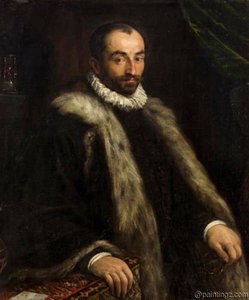
Francesco Bassano the Younger
1549 - 1592 , Italy
Основные сведения
- Artistic Movement Or Style: Venetian Renaissance
- Artists Or Movements Influenced By This Artist:
- Titian
- Pordenone
- Artists Who Influenced This Artist:
- Jacopo Bassano
- Antonio Canova
- Date Of Birth: January 26, 1549
- Date Of Death: July 4, 1592
- Full Name: Francesco Bassano the Younger
- Nationality: Italian
- Notable Artworks:
- Winter
- The Forge of Vulcan
- Market Scene
- Place Of Birth: Bassano del Grappa, Italy