

 Предпросмотр
 Поделиться
 Поделиться
 Детали произведения

 Скачать
 Похожие работы
 Рентгенография
 Слайд-шоу
 Статистика
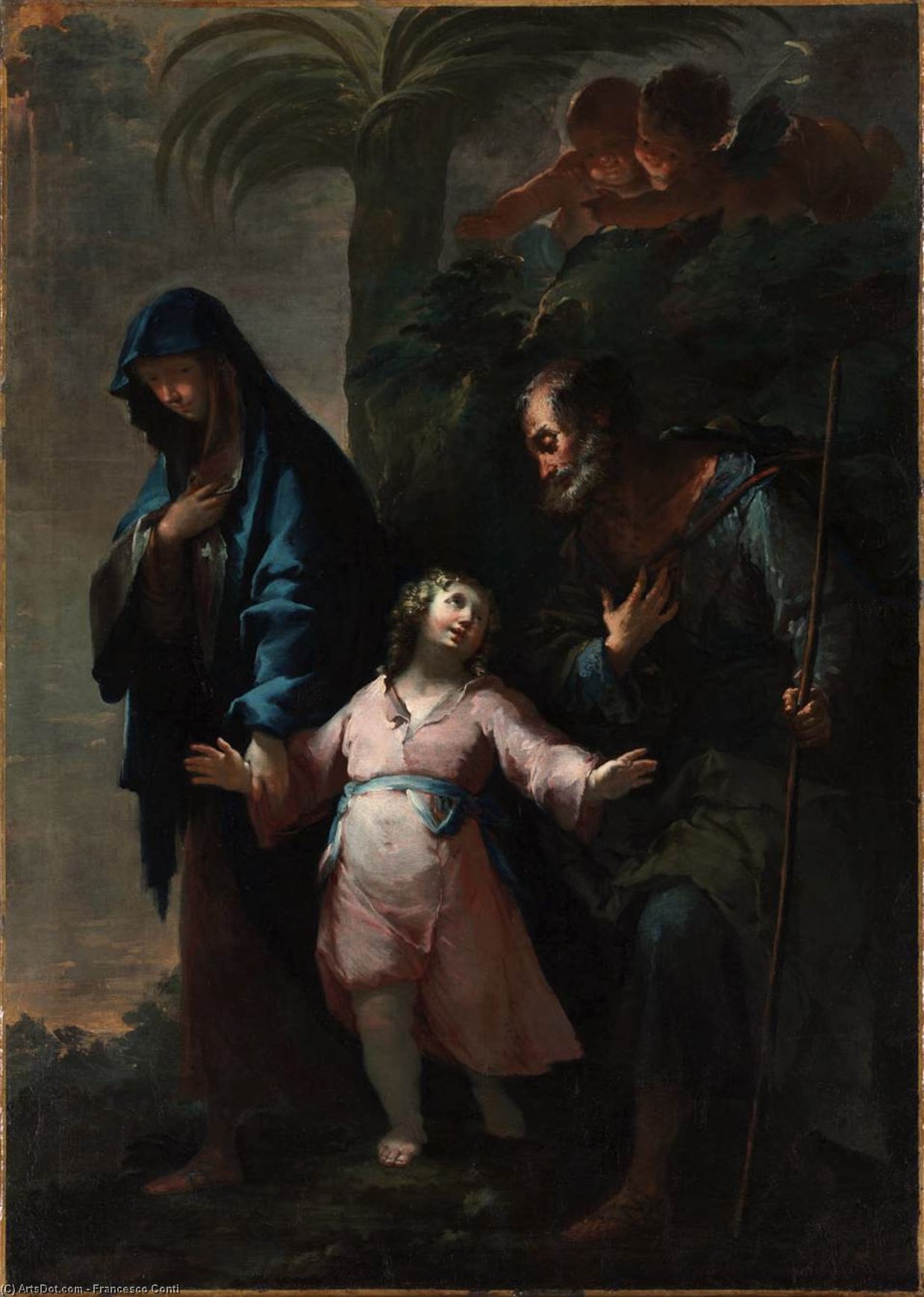
Return to Nazareth from Egypt
 Oil On Canvas
- WallArt
- Baroque
 1734
1734- Early Modern
 118.0 x 84.0 cm
 Кливлендский музей искусств
 Читать далее
Приобретите цифровое изображение высокого разрешения в улучшенном качестве, которое значительно превосходит онлайн-превью.
Каждый файл тщательно подготавливается нашими специалистами с использованием передовых инструментов и экспертной ручной ретуши. Мы гарантируем исключительную четкость, точную цветопередачу и детальную проработку каждого изображения.
Финальный файл доставляется по электронной почте в течение 72 часов и оптимизирован для немедленного использования в профессиональной среде, при верстке и печати. Это тот же уровень качества, которому доверяют ведущие дизайнерские студии, издательства и галереи.
Цифровое изображение
Скачайте файл высокого разрешения для личного использования, печати и творческих проектов. ( Перейти к печати Купить картину ручной работы)
Включено в каждый заказ цифровых изображений
Гарантия экспертной цифровой доставки
Выбирая ArtsDot.com, вы получаете не просто изображение — вы приобретаете профессионально обработанное цифровое произведение искусства, созданное с безупречной точностью и под защитой гарантии качества. Вот всё, что автоматически входит в ваш заказ:

Мгновенная доставка по e-mail
Ваш цифровой файл в высоком разрешении будет отправлен вам по электронной почте в течение 72 часов после оформления заказа — и сразу станет доступен для использования.

Цифровой файл с ИИ-улучшением
Ваше произведение искусства проходит профессиональную оптимизацию с использованием передовых инструментов ИИ и ручной обработки, что гарантирует максимальную детализацию, четкость и точность цветопередачи.

Бессрочная бесплатная повторная доставка
Случайно удалили или потеряли файл? Не беспокойтесь — мы отправим его вам повторно в любое время и совершенно бесплатно.

Без импортных пошлин — навсегда
Наслаждайтесь вашим произведением искусства мгновенно без таможенных пошлин, сборов или затрат на доставку — цифровые загрузки всегда не облагаются налогом.

Гарантия точности цветопередачи
Мы гарантируем, что ваше цифровое изображение максимально точно передает оригинальные цвета благодаря использованию профессиональных инструментов и систем управления цветом.

Гарантия удовлетворенности 100 дней
Если вы не будете удовлетворены своим цифровым изображением, мы внесем правки или вернем 100% стоимости в течение 100 дней — без лишних вопросов.

100% Гарантия возврата средств
Не удовлетворены покупкой? Получите полный возврат средств в течение 100 дней после получения цифрового файла — без лишних вопросов.

Скидки на оптовые заказы
Купите 3 изображения, сэкономьте 10% — Купите 5, сэкономьте 15% — Купите 10+, сэкономьте 20%. Отличное решение для творческих проектов, галерей и агентств.
A Divine Journey Captured in Light and Shadow
In the profound stillness of Francesco Conti’s 1734 masterpiece, Return to Nazareth from Egypt, the viewer is transported into a moment of sacred transition. This evocative oil on canvas serves as a breathtaking window into the Baroque era, capturing the tender yet heavy atmosphere of the Holy Family's journey back to their home. The painting does not merely depict a biblical event; it breathes life into the emotional weight of protection and destiny. As the eye wanders through the composition, one is immediately struck by the dramatic interplay of light and shadow—a hallmark of Conti’s mastery—which pulls the figures of Mary, Joseph, and the infant Jesus from the depths of obscurity into a radiant, spiritual clarity.
The technical brilliance of the work lies in its sophisticated use of chiaroscuro, a technique that creates a sculptural sense of volume and presence. Conti employs sharp contrasts to define the contours of the figures, making them emerge with startling realism against a dark, atmospheric background. In the foreground, the composition follows a graceful pyramidal structure, anchored by the steadfast presence of Joseph. His weathered face and protective stance, marked by the inclusion of his staff, suggest a man burdened by responsibility yet guided by faith. Beside him, Mary cradles the infant Jesus with a maternal devotion that is both serene and solemn, her expression reflecting the quiet gravity of their flight and subsequent return.
Symbolism and the Baroque Soul
Beyond its technical execution, the painting is rich with symbolic layers that resonate deeply with the spiritual traditions of the 18th century. The presence of celestial beings—small, ethereal cherubs or putti hovering in the background—serves as a divine seal of protection, reminding the observer that this earthly journey is overseen by heavenly forces. Every element, from the soft light illuminating the Christ child’s hand to the distant, hazy palm trees that suggest a far-off, exotic landscape, contributes to a narrative of divine guidance. The textures of the oil paint itself, with its visible, rhythmic brushstrokes, add a tactile dimension to the scene, lending a sense of movement and organic life to the fabric of their garments and the natural world surrounding them.
For the discerning collector or interior designer, this artwork offers more than just historical significance; it provides a profound emotional anchor for any space. The painting’s ability to evoke feelings of vulnerability, strength, and spiritual peace makes it a versatile centerpiece for those seeking to infuse their environments with classical elegance and contemplative depth. Whether displayed in a grand gallery or a private study, a high-quality reproduction of this Conti masterpiece brings the dramatic intensity of the Florentine Baroque into the modern home, serving as a timeless testament to the enduring power of sacred art.
Похожие произведения



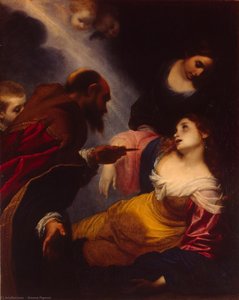


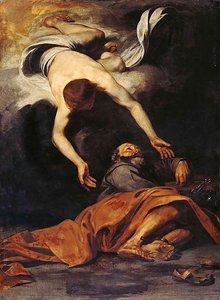
Биография художника
Francesco Conti (1681 – 1760): A Florentine Baroque Master
Francesco Conti, born in Caivano near Naples in 1681, emerged as a prominent figure within the vibrant artistic landscape of Florence during the Baroque era. His formative years were steeped in the tutelage of Giovanni Maria Morandi and Carlo Maratta – masters whose stylistic approaches profoundly shaped his own artistic vision. These influential mentors instilled in Conti a dedication to dramatic realism and masterful chiaroscuro techniques, characteristics that would define his oeuvre for decades to come.- Early Influences: Conti’s initial training under Morandi exposed him to the refined elegance of Roman Baroque painting, emphasizing idealized forms and balanced compositions. Simultaneously, Maratta's teachings championed theatrical grandeur and emotional intensity – elements that would become integral to Conti’s artistic sensibilities.
- Florence & Patronage: Returning to Florence after his formative years in Rome, Conti secured invaluable support from the Riccardi family, who regularly commissioned him for monumental altarpieces and provided a stable income. This patronage allowed him to pursue his artistic endeavors with unwavering commitment and fostered collaborations that enriched Florentine art history.
Notable Works & Artistic Style
Conti’s artistic style was characterized by an uncompromising embrace of Baroque principles – particularly chiaroscuro, the dramatic interplay between light and shadow—which he skillfully employed to convey emotion and heighten visual impact. His paintings pulsated with palpable energy, capturing moments of profound spiritual contemplation alongside scenes of heroic action. Among his most celebrated achievements are “Madonna & Child with Saint Sylvester I, Saint Paul and Saint Catherine of Alexandria” (1738), commissioned for Sant’Andrea della Minerva by the Rucellai family—a masterpiece lauded for its masterful composition and luminous illumination—and “Death of King Josiah,” a monumental depiction of biblical drama executed in 1740. These works stand as testament to Conti's ability to fuse technical virtuosity with expressive storytelling.- Dominant Technique: Conti’s signature technique involved meticulous layering of paint, creating textures that mirrored the grandeur and solemnity of his subjects. He skillfully manipulated light sources to sculpt forms and imbue canvases with an ethereal glow—a hallmark of Maratta's influence.
- Religious Themes: Conti dedicated his artistic energies primarily to religious iconography, producing a prolific output of altarpieces and devotional paintings that reflected the spiritual fervor of his time. His depictions of saints and biblical narratives resonated deeply with audiences and cemented his reputation as one of Florence’s foremost Baroque artists.
Legacy & Influence
Francesco Conti's artistic legacy extends beyond his individual masterpieces; he served as a mentor to numerous aspiring painters, fostering the development of Florentine Baroque art for generations to come. His pupil Anna Bacherini Piattoli continued Conti’s stylistic traditions and contributed significantly to the artistic discourse of the era. Conti’s unwavering commitment to Baroque principles—particularly chiaroscuro and dramatic realism—established him as a pivotal figure in Florentine art history, ensuring his enduring influence on subsequent artists and shaping the visual culture of his time. His work continues to inspire admiration for its expressive power and technical brilliance.Further Exploration
For deeper insights into Francesco Conti’s artistic journey and contributions to Baroque painting, explore resources such as:Recommended Resources
- Museum Database: Сан Франческо делла Вінья
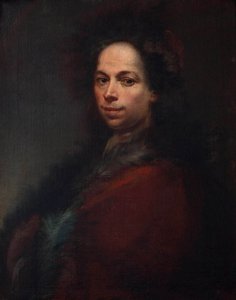
Francesco Conti
1681 - 1760 , Italy
Основные сведения
- Artistic Movement Or Style: Baroque
- Artists Or Movements Influenced By This Artist: ['Simone Pignoni']
- Artists Who Influenced This Artist:
- Giovanni Maria Morandi
- Carlo Maratta
- Date Of Birth: Caivano, Italy (1681)
- Date Of Death: Florence (1760)
- Full Name: Francesco Conti
- Nationality: Italian
- Notable Artworks:
- Madonna & Child with St. Sylvester I, St. Paul and St. Catherine of Alexandria
- Death of King Josiah
- Return to Nazareth from Egypt
- Saint Joseph with the Christ Child
- The Crucifixion of Jesus
- Pietà
- Allegory of Musica Gentleman
- Place Of Birth: Florence, Italy