

 Предпросмотр
 Поделиться
 Поделиться
 Детали произведения

 Скачать
 Похожие работы
 Рентгенография
 Слайд-шоу
 Статистика
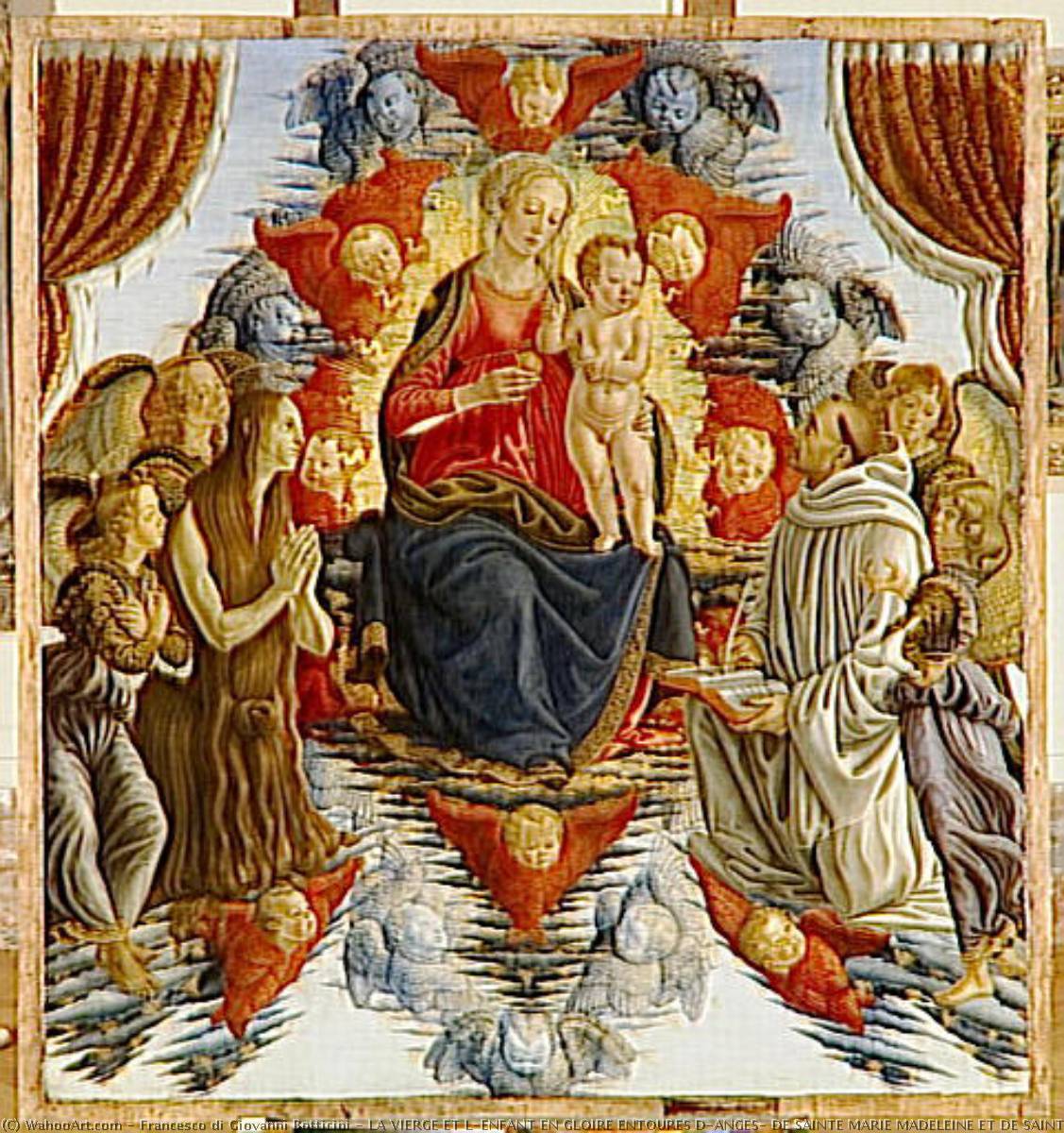
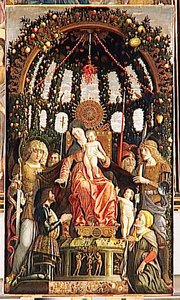
LA VIERGE ET L'ENFANT EN GLOIRE ENTOURES D'ANGES, DE SAINTE MARIE MADELEINE ET DE SAINT BERNARD


 Читать далее
Масляная репродукция ручной работы
Картина маслом на холсте в выбранном вами размере и раме, написанная на заказ нашими художниками. ( Перейти к печати Перейти к цифровым изображениям)




P118B $10

P118H $10

P118W $10

P438Z $10

P508JH $12

P508YH $12

P805H $10

P805Z $10

P919BZ $10

P919G $10

P919XJ $10

P959ZH $10

P968JZ $12

W106C $8

W218G $10

W218JH $8

W218Y $10

W307PJ $10

W316G $10

W316PJ $8

W316Y $10

W398PJ $8

W4111J $10

W500HY $15

W500JH $15

W692G $12

W849H $8

W940BG $15

W953PJ $8




Выберите один из наших стандартных размеров, соответствующих оригинальным пропорциям произведения искусства.

Вы можете указать собственные размеры, чтобы картина идеально вписалась в выбранную раму или пространство. Если выбранный вами размер не соответствует пропорциям оригинала, мы либо обрежем полотно, либо расширим его за счет дополнительных элементов, написанных вручную. Цифровой макет будет отправлен вам на утверждение перед началом производства.
Обратите внимание, что предварительный просмотр на экране не отражает фактическую обрезку или расширение. Только макет точно покажет окончательную композицию.
Хотя доступны индивидуальные размеры, мы рекомендуем выбирать вариант из предопределенного списка, чтобы сохранить исходные пропорции.
После оформления заказа команда ArtsDot.com свяжется с клиентом по электронной почте для уточнения деталей и предоставит предварительный макет
Доставка по всему миру () за 3–4 недели вместо стандартных 5 недель. (13 Сентябрь). Без компромиссов в качестве.

Бесплатная экспресс-доставка по всему миру

Высококачественный льняной холст

Полное страхование доставки

Гарантия возмещения таможенных пошлин

Гарантия точного соответствия цветов

100-дневная политика возврата (только при обнаружении дефектов)

Гарантия возврата 100% средств

Предложение оптовых скидок
 Вариант со стеклом доступен только для размеров менее 110 см

LA VIERGE ET L'ENFANT EN GLOIRE ENTOURES D'ANGES, DE SAINTE MARIE MADELEINE ET DE SAINT BERNARD
Техника репродукции
Размер репродукции
-


Итоговая стоимость
$ 263
A Divine Embrace: Botticini’s ‘La Vierge et l'Enfant’ – A Florentine Masterpiece
Francesco di Giovanni Botticini’s “La Vierge et l’Enfant en gloire entourés d’anges, de Sainte Marie Madeleine et de Saint Bernard” is not merely a depiction of the Virgin Mary and Child; it’s a carefully constructed tableau of faith, piety, and Renaissance artistry. Painted in 1480-90, during Botticini's burgeoning career in Florence, this altarpiece offers a glimpse into the spiritual landscape of its time – a period grappling with both established dogma and emerging humanist thought. The painting’s enduring appeal lies not just in its technical brilliance but also in the profound sense of serenity and devotion it conveys.
Botticini, working within the shadow of giants like Leonardo da Vinci and Verrocchio, developed a distinctive style characterized by a meticulous attention to detail and a subtle use of color. He skillfully blended influences from his predecessors – particularly the more formal approach of Verrocchio – with elements of Botticelli’s vibrant palette and lyrical grace. This synthesis is immediately apparent in “La Vierge et l'Enfant,” where the figures possess a dignified composure, yet are imbued with an almost palpable warmth. The composition itself is carefully balanced, drawing the eye towards the central Madonna and Child while subtly incorporating the surrounding angelic host and the prominent saints.
The Symbolism of Angels and Saints
The presence of numerous angels is paramount to understanding the painting’s intended message. They are not simply decorative elements; each angel contributes to a complex web of symbolism. The cherubic figures, with their delicate wings and youthful faces, represent purity and divine grace. Larger, more imposing angels draw back the curtains, suggesting the unveiling of God's glory and the revelation of the sacred narrative. Sainte Marie Madeleine, often associated with repentance and spiritual longing, stands as a poignant reminder of humanity’s capacity for redemption. Saint Bernard de Clairvaux, a renowned mystic and theologian, embodies intellectual contemplation and devotion to Christ.
The inclusion of these specific saints was likely deliberate, reflecting the patronage of the painting's original owners – Matteo Palmieri and his wife Niccolosa. Palmieri, a prominent poet and diplomat, held strong beliefs rooted in both Christian theology and classical philosophy. The choice of figures aligns with his intellectual interests and underscores the painting’s function as a devotional object intended to inspire contemplation and reinforce faith within the family's home.
Technique and Artistic Detail
Botticini employed tempera on wood, a technique favored for its luminosity and durability. The colors are rich and vibrant, particularly in the drapery of the Virgin’s robes, which flows with an almost ethereal quality. The artist demonstrates remarkable skill in rendering textures – from the smooth skin of the Child Jesus to the intricate folds of the angels' wings. Close examination reveals a meticulous attention to detail, evident in the delicate expressions on the faces and the subtle variations in color within each figure.
Notably, the background incorporates a recognizable view of Florence, subtly anchoring the scene in its earthly context while simultaneously elevating it to a realm of divine beauty. The inclusion of the Arno River and distant hills provides a sense of depth and perspective, further enhancing the painting’s immersive quality. The overall effect is one of harmonious integration – a seamless blend of religious symbolism, artistic skill, and realistic representation.
A Legacy of Quiet Devotion
“La Vierge et l'Enfant” stands as a testament to Botticini’s mastery of the Florentine Renaissance style. It’s a painting that invites viewers to pause, reflect, and contemplate the profound mysteries of faith and devotion. While initially met with controversy due to its unconventional composition and subject matter, it has since been recognized as a significant work of art – a poignant expression of spiritual longing and artistic excellence. Reproductions of this masterpiece continue to resonate with audiences today, offering a timeless reminder of the enduring power of beauty and grace.
Похожие произведения
Биография художника
The Florentine Master: The Life and Legacy of Francesco Botticini
In the vibrant, sun-drenched streets of 15th-century Florence, amidst the burgeoning intellect of the Early Renaissance, lived a painter whose brush captured the profound spiritual essence of an era. Francesco di Giovanni Botticini, born around 1446, was far more than a mere contemporary to the giants of his age; he was a vital thread in the rich tapestry of Florentine art. While history often casts the spotlight on the monumental shadows of Leonardo da Vinci or Michelangelo, Botticini’s work offers a window into a period of exquisite transition, where the rigid structures of medieval devotion began to melt into the humanistic grace of the Renaissance.
Botticini’s journey into the heart of artistry was predestined by his lineage. Born into a family steeped in the traditions of the craft, he was the son of Giovanni di Domenico di Piero, a skilled painter of playing cards. This early exposure to the meticulous demands of pigment and design laid the groundwork for a career defined by precision and devotion. His formal education began in the prestigious workshop of Neri di Bicci, where, as an apprentice in 1459, he absorbed the foundational principles of fresco and the collaborative spirit of the Florentine studio system. However, it was his subsequent immersion in the atelier of the legendary Andrea del Verrocchio that truly transformed his vision. Within Verrocchio’s workshop—the same crucible that nurtured Leonardo da Vinci—Botticini learned to marry the sculptural depth of three-dimensional form with the ethereal beauty of tempera painting.
A Symphony of Devotion and Technique
The oeuvre of Botticini is a testament to his ability to evoke the divine through the tangible. His style, heavily influenced by the lyrical elegance of Botticelli and the structural clarity of Filippino Lippi, often centered on religious narratives that invited deep contemplation. One cannot discuss his mastery without reflecting on his monumental achievement, "The Assumption of the Virgin." This large-scale tempera on wood panel, now housed in the National Gallery in London, serves as a breathtaking display of his technical prowess. In this work, the heavens open to reveal a celestial hierarchy of angels, while the earthly realm is populated by disciples and donors, all rendered with a delicate balance of movement and stillness.
Botticini’s talent extended beyond grand altarpieces into the intimate realm of small-scale religious panels and portraits. His ability to manipulate light and shadow allowed him to create scenes of profound intimacy, such as his "Virgin and Child Enthroned," where the boundaries between the sacred and the human seem to dissolve. His technique often utilized the traditional medium of tempera, which lent a luminous, almost translucent quality to the skin of his holy figures, making them appear as though they were radiating an inner, spiritual light. Whether depicting the scholarly weight of Saint Jerome or the tender grace of the Madonna, Botticini possessed a unique gift for capturing the emotional gravity of his subjects.
Historical Significance and Rediscovery
The historical trajectory of Francesco Botticini is as poignant as the art he produced. For centuries, much of his contribution was obscured by the overwhelming legacies of his more famous peers. Many of his works were once attributed to other masters, lost in the shifting tides of art historical attribution. It is only through the meticulous efforts of modern scholars—reconstructing his oeuvre through stylistic analysis and archival research—that Botticini has been reclaimed as a significant voice of the Quattrocento.
Today, we recognize Botticini not merely as a student of Verrocchio or a follower of the Florentine tradition, but as an artist who contributed a distinct sense of serenity and spiritual depth to the Renaissance. His legacy resides in:
- The integration of sculptural form: Bringing a sense of weight and presence to religious figures through his training under Verrocchio.
- Mastery of the Florentine style: Contributing to the aesthetic language of grace, line, and luminosity that defined the era.
- Spiritual storytelling: Creating works that served as both educational tools for the faithful and profound objects of meditation.
As we gaze upon his surviving panels, we see more than just paint on wood; we see the enduring spirit of a master who, though he lived in the shadow of giants, left an indelible mark upon the soul of Florence.
francesco di giovanni botticini
1446 - 1498
Основные сведения
- Artistic Movement Or Style: Early Renaissance
- Artists Who Influenced This Artist:
- Neri di Bicci
- Andrea del Verrocchio
- Date Of Death: 1498
- Full Name: Francesco di Giovanni Botticini
- Nationality: Italian
- Notable Artworks:
- Assumption of the Virgin
- Sacrament Tabernacle
- Saint Sebastian
- Saint Cecilia Between Saint Valerian and Saint Tiburtius with a Donor
- Place Of Birth: Florence, Italy
Похожие статьи
Фра Анджелико: Топ-25 шедевров эпохи Возрождения для вашего интерьера
Погрузитесь в мир Фра Анджелико! Топ-25 шедевров Возрождения – религиозные фрески, алтари и картины с ангелами. Узнайте историю искусства и вдохновитесь для декора дома. Репродукции картин высокого качества на ArtsDot.com.

25 Шедевров Уффици: Путешествие в Сердце Ренессанса | ArtsDot
Погрузитесь в мир Ренессанса с 25 шедеврами галереи Уффици! От Боттичелли до Леонардо да Винчи – истории, техники и вдохновение для вашего интерьера. Купите репродукции картин высочайшего качества на ArtsDot.com.
Celestial Messengers: Angels in Painting – A Historical & Artistic Exploration
Explore the captivating history of angels in painting! Discover symbolism, iconic Renaissance & Byzantine masterpieces, and renowned artists. Expert insights for art lovers & collectors at ArtsDot.
Celestial Messengers: A Comprehensive Exploration of Angelic Representation in Art History
Explore the captivating history of angels in art! Discover symbolism, iconic Renaissance masterpieces & renowned artists. Expert insights for art lovers & collectors at ArtsDot.
Рафаэль: 25 шедевров великого художника для ценителей искусства и декора интерьера
Погрузитесь в мир Рафаэля! 25 величайших шедевров эпохи Возрождения, полные гармонии и красоты. Узнайте истории создания картин, технику живописи и вдохновитесь для декора интерьера. Репродукции высокого качества на ArtsDot.com.