

 Предпросмотр
 Поделиться
 Поделиться
 Детали произведения

 Скачать
 Похожие работы
 Рентгенография
 Слайд-шоу
 Статистика
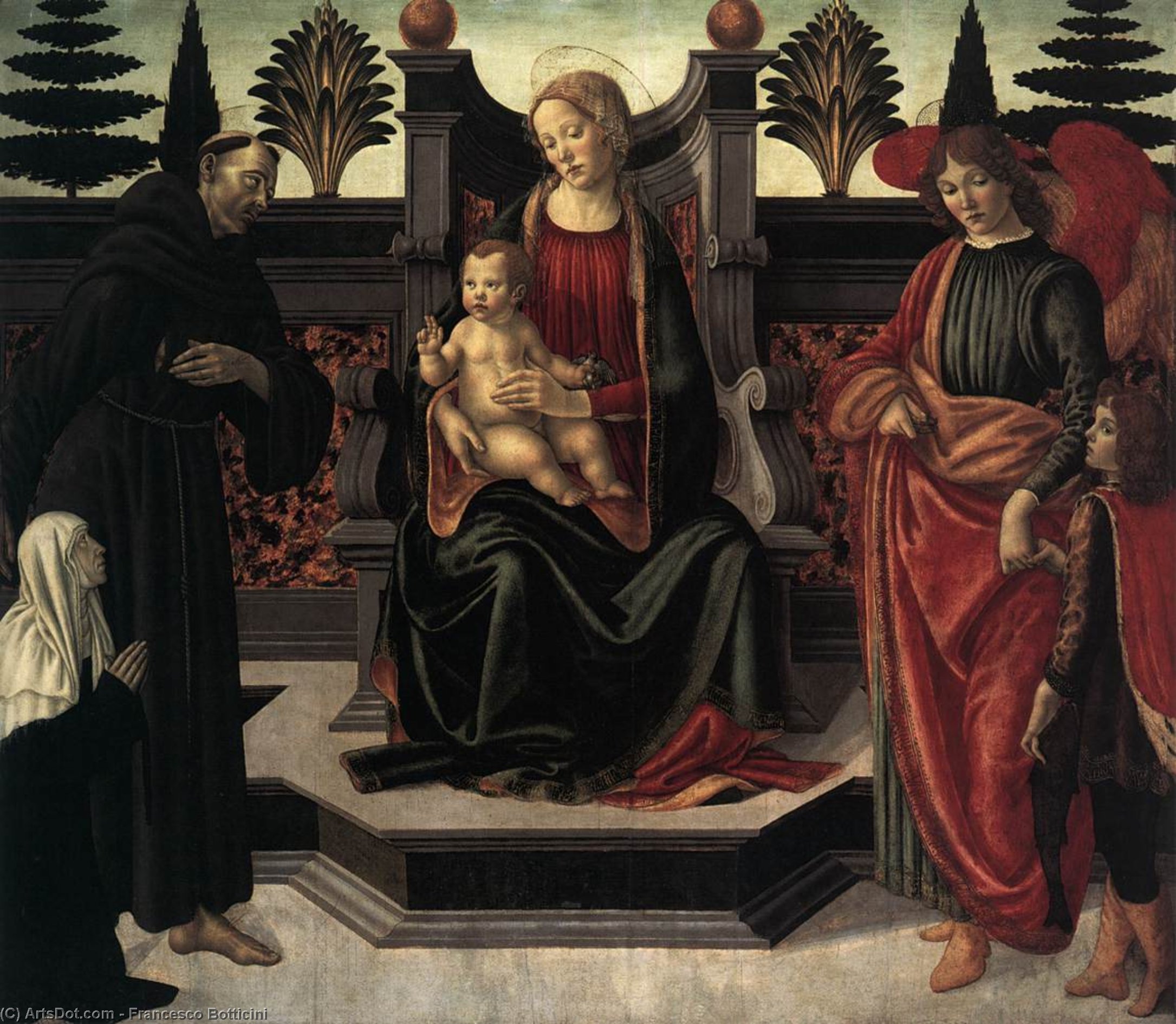
Virgin and Child Enthroned
 Renaissance
 1495
1495- Renaissance
 149.0 x 170.0 cm
 Национальная галерея Шотландии
 Читать далее
Приобретите цифровое изображение высокого разрешения в улучшенном качестве, которое значительно превосходит онлайн-превью.
Каждый файл тщательно подготавливается нашими специалистами с использованием передовых инструментов и экспертной ручной ретуши. Мы гарантируем исключительную четкость, точную цветопередачу и детальную проработку каждого изображения.
Финальный файл доставляется по электронной почте в течение 72 часов и оптимизирован для немедленного использования в профессиональной среде, при верстке и печати. Это тот же уровень качества, которому доверяют ведущие дизайнерские студии, издательства и галереи.
Цифровое изображение
Скачайте файл высокого разрешения для личного использования, печати и творческих проектов. ( Перейти к печати Купить картину ручной работы)
Включено в каждый заказ цифровых изображений
Гарантия экспертной цифровой доставки
Выбирая ArtsDot.com, вы получаете не просто изображение — вы приобретаете профессионально обработанное цифровое произведение искусства, созданное с безупречной точностью и под защитой гарантии качества. Вот всё, что автоматически входит в ваш заказ:

Мгновенная доставка по e-mail
Ваш цифровой файл в высоком разрешении будет отправлен вам по электронной почте в течение 72 часов после оформления заказа — и сразу станет доступен для использования.

Цифровой файл с ИИ-улучшением
Ваше произведение искусства проходит профессиональную оптимизацию с использованием передовых инструментов ИИ и ручной обработки, что гарантирует максимальную детализацию, четкость и точность цветопередачи.

Бессрочная бесплатная повторная доставка
Случайно удалили или потеряли файл? Не беспокойтесь — мы отправим его вам повторно в любое время и совершенно бесплатно.

Без импортных пошлин — навсегда
Наслаждайтесь вашим произведением искусства мгновенно без таможенных пошлин, сборов или затрат на доставку — цифровые загрузки всегда не облагаются налогом.

Гарантия точности цветопередачи
Мы гарантируем, что ваше цифровое изображение максимально точно передает оригинальные цвета благодаря использованию профессиональных инструментов и систем управления цветом.

Гарантия удовлетворенности 100 дней
Если вы не будете удовлетворены своим цифровым изображением, мы внесем правки или вернем 100% стоимости в течение 100 дней — без лишних вопросов.

100% Гарантия возврата средств
Не удовлетворены покупкой? Получите полный возврат средств в течение 100 дней после получения цифрового файла — без лишних вопросов.

Скидки на оптовые заказы
Купите 3 изображения, сэкономьте 10% — Купите 5, сэкономьте 15% — Купите 10+, сэкономьте 20%. Отличное решение для творческих проектов, галерей и агентств.
A Vision of Divine Serenity
In the quietude of the late Quattrocento, Francesco di Giovanni Botticini captured a moment of profound celestial intimacy in his masterpiece, Virgin and Child Enthroned. This evocative work invites the viewer into a sacred space where the boundaries between the earthly and the divine begin to blur. At its heart, the painting presents the Virgin Mary, seated with a regal yet tender grace upon an ornate throne, cradling the infant Jesus. The composition is not merely a portrait of religious figures but a carefully orchestrated tableau of devotion. Surrounded by attendants who stand in silent reverence, the scene is anchored by a sense of stillness that transcends time, offering a window into the spiritual aspirations of 15th-century Florence.
The artistry of Botticini shines through his masterful command of light and form, characteristic of the Florentine Renaissance. The way the light falls upon the Virgin’s robes and the soft features of the Christ child suggests a divine radiance emanating from within the scene itself. His technique employs a delicate balance of line and color, where the subtle transitions in skin tones and the intricate textures of the surrounding drapery create a palpable sense of depth. This meticulous attention to detail serves to ground the miraculous event in a tangible reality, making the holy figures feel present and accessible to the faithful observer.
Symbolism and the Renaissance Landscape
Beyond the central figures, Botticini weaves a rich tapestry of symbolism that speaks to the era's preoccupation with nature as a reflection of God's handiwork. The inclusion of potted plants in the background is far from incidental; they serve as symbols of life, growth, and the flourishing of faith. As the eye wanders from the central throne toward the periphery, the outdoor setting provides a breath of fresh air, suggesting that the presence of the divine is not confined to cathedral walls but permeates the very landscape of our world. The arrangement of the figures—one standing to the left, another behind, and a third to the right—creates a triangular stability that guides the viewer's gaze in a continuous loop of contemplation, reinforcing the themes of unity and eternal protection.
For the discerning collector or interior designer, this painting offers more than just historical significance; it provides an emotional anchor for any space. The palette, though rooted in the traditions of 1495, possesses a timeless elegance that complements both classical and contemporary settings. Whether placed in a sunlit gallery or a sophisticated study, the Virgin and Child Enthroned radiates a sense of peace and tranquility. It is a piece that does not merely decorate a room but transforms its atmosphere, inviting a moment of reflection and a deep appreciation for the enduring beauty of Renaissance humanism.
Похожие произведения
Биография художника
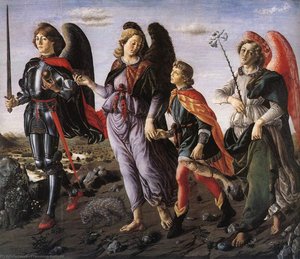
The Florentine Master: The Life and Legacy of Francesco Botticini
In the vibrant, sun-drenched streets of 15th-century Florence, amidst the burgeoning intellect of the Early Renaissance, lived a painter whose brush captured the profound spiritual essence of an era. Francesco di Giovanni Botticini, born around 1446, was far more than a mere contemporary to the giants of his age; he was a vital thread in the rich tapestry of Florentine art. While history often casts the spotlight on the monumental shadows of Leonardo da Vinci or Michelangelo, Botticini’s work offers a window into a period of exquisite transition, where the rigid structures of medieval devotion began to melt into the humanistic grace of the Renaissance.
Botticini’s journey into the heart of artistry was predestined by his lineage. Born into a family steeped in the traditions of the craft, he was the son of Giovanni di Domenico di Piero, a skilled painter of playing cards. This early exposure to the meticulous demands of pigment and design laid the groundwork for a career defined by precision and devotion. His formal education began in the prestigious workshop of Neri di Bicci, where, as an apprentice in 1459, he absorbed the foundational principles of fresco and the collaborative spirit of the Florentine studio system. However, it was his subsequent immersion in the atelier of the legendary Andrea del Verrocchio that truly transformed his vision. Within Verrocchio’s workshop—the same crucible that nurtured Leonardo da Vinci—Botticini learned to marry the sculptural depth of three-dimensional form with the ethereal beauty of tempera painting.
A Symphony of Devotion and Technique
The oeuvre of Botticini is a testament to his ability to evoke the divine through the tangible. His style, heavily influenced by the lyrical elegance of Botticelli and the structural clarity of Filippino Lippi, often centered on religious narratives that invited deep contemplation. One cannot discuss his mastery without reflecting on his monumental achievement, "The Assumption of the Virgin." This large-scale tempera on wood panel, now housed in the National Gallery in London, serves as a breathtaking display of his technical prowess. In this work, the heavens open to reveal a celestial hierarchy of angels, while the earthly realm is populated by disciples and donors, all rendered with a delicate balance of movement and stillness.
Botticini’s talent extended beyond grand altarpieces into the intimate realm of small-scale religious panels and portraits. His ability to manipulate light and shadow allowed him to create scenes of profound intimacy, such as his "Virgin and Child Enthroned," where the boundaries between the sacred and the human seem to dissolve. His technique often utilized the traditional medium of tempera, which lent a luminous, almost translucent quality to the skin of his holy figures, making them appear as though they were radiating an inner, spiritual light. Whether depicting the scholarly weight of Saint Jerome or the tender grace of the Madonna, Botticini possessed a unique gift for capturing the emotional gravity of his subjects.
Historical Significance and Rediscovery
The historical trajectory of Francesco Botticini is as poignant as the art he produced. For centuries, much of his contribution was obscured by the overwhelming legacies of his more famous peers. Many of his works were once attributed to other masters, lost in the shifting tides of art historical attribution. It is only through the meticulous efforts of modern scholars—reconstructing his oeuvre through stylistic analysis and archival research—that Botticini has been reclaimed as a significant voice of the Quattrocento.
Today, we recognize Botticini not merely as a student of Verrocchio or a follower of the Florentine tradition, but as an artist who contributed a distinct sense of serenity and spiritual depth to the Renaissance. His legacy resides in:
- The integration of sculptural form: Bringing a sense of weight and presence to religious figures through his training under Verrocchio.
- Mastery of the Florentine style: Contributing to the aesthetic language of grace, line, and luminosity that defined the era.
- Spiritual storytelling: Creating works that served as both educational tools for the faithful and profound objects of meditation.
As we gaze upon his surviving panels, we see more than just paint on wood; we see the enduring spirit of a master who, though he lived in the shadow of giants, left an indelible mark upon the soul of Florence.
francesco di giovanni botticini
1446 - 1498
Основные сведения
- Artistic Movement Or Style: Early Renaissance
- Artists Who Influenced This Artist:
- Neri di Bicci
- Andrea del Verrocchio
- Date Of Death: 1498
- Full Name: Francesco di Giovanni Botticini
- Nationality: Italian
- Notable Artworks:
- Assumption of the Virgin
- Sacrament Tabernacle
- Saint Sebastian
- Saint Cecilia Between Saint Valerian and Saint Tiburtius with a Donor
- Place Of Birth: Florence, Italy