

 Предпросмотр
 Поделиться
 Поделиться
 Детали произведения

 Скачать
 Похожие работы
 Рентгенография
 Слайд-шоу
 Статистика
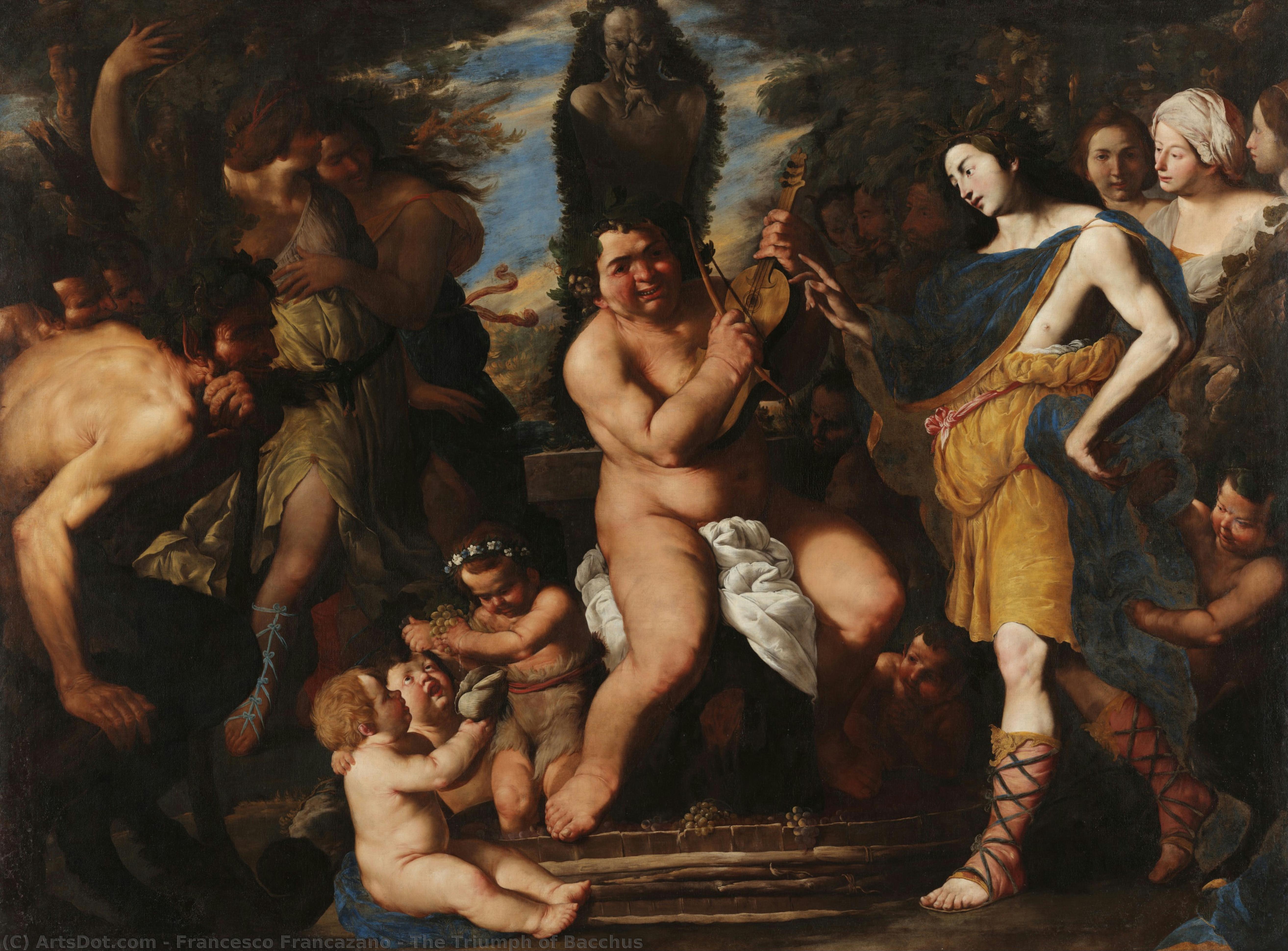
The Triumph of Bacchus


 Читать далее
Масляная репродукция ручной работы
Картина маслом на холсте в выбранном вами размере и раме, написанная на заказ нашими художниками. ( Перейти к печати Перейти к цифровым изображениям)




































Выберите один из наших стандартных размеров, соответствующих оригинальным пропорциям произведения искусства.

Вы можете указать собственные размеры, чтобы картина идеально вписалась в выбранную раму или пространство. Если выбранный вами размер не соответствует пропорциям оригинала, мы либо обрежем полотно, либо расширим его за счет дополнительных элементов, написанных вручную. Цифровой макет будет отправлен вам на утверждение перед началом производства.
Обратите внимание, что предварительный просмотр на экране не отражает фактическую обрезку или расширение. Только макет точно покажет окончательную композицию.
Хотя доступны индивидуальные размеры, мы рекомендуем выбирать вариант из предопределенного списка, чтобы сохранить исходные пропорции.
После оформления заказа команда ArtsDot.com свяжется с клиентом по электронной почте для уточнения деталей и предоставит предварительный макет
Доставка по всему миру () за 3–4 недели вместо стандартных 5 недель. (12 Сентябрь). Без компромиссов в качестве.

Бесплатная экспресс-доставка по всему миру

Высококачественный льняной холст

Полное страхование доставки

Гарантия возмещения таможенных пошлин

Гарантия точного соответствия цветов

100-дневная политика возврата (только при обнаружении дефектов)

Гарантия возврата 100% средств

Предложение оптовых скидок
 Вариант со стеклом доступен только для размеров менее 110 см

The Triumph of Bacchus
Техника репродукции
Размер репродукции
-


Итоговая стоимость
$ 388
Похожие произведения
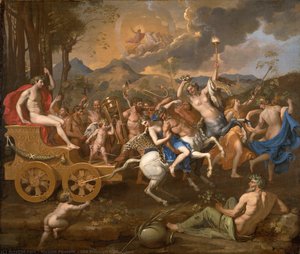
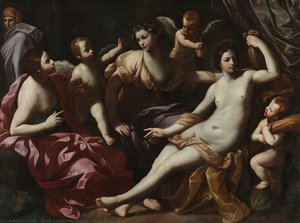
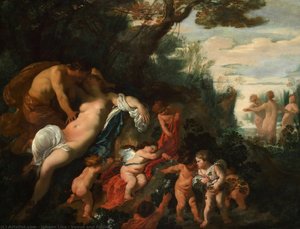
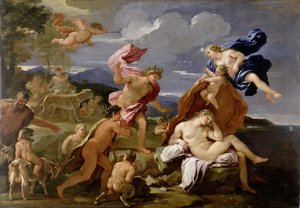
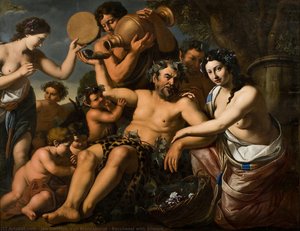
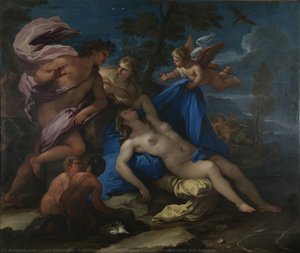
Биография художника
The Dramatic Voice of Baroque Naples
Francesco Francazano, often recognized by his name Cesare, was a luminous figure within the Neapolitan Baroque school, a painter whose brush captured the very essence of seventeenth-century spiritual fervor and theatrical intensity. Born in 1605 in the Italian town of Bisceglie, he emerged from a lineage steeped in artistic tradition; his father, Alessandro, was a nobleman from Verona with Mannerist inclinations, ensuring that Francesco’s early years were saturated with the language of form and light. As a pivotal artist of the Neapolitan era, Francazano did not merely observe the world around him but sought to dramatize it, utilizing the profound emotional depth and technical mastery that defined the golden age of Italian Baroque painting.
The trajectory of his career was shaped by a series of profound encounters with the masters of his time. His formative training was deeply rooted in the study of Spagnoletto (Jusepe de Ribera), whose uncompromising naturalism and mastery of light provided the foundation for Francaziente's early explorations. This connection to the Caravaggist tradition allowed him to experiment with tenebrism—that striking, almost violent contrast between shadow and illumination—to create works that felt immediate and physically present. However, his vision was never confined to the darkness of a single style; he possessed a remarkable ability to synthesize the rugged realism of Ribera with the sweeping grandeur and idealized grace found in the works of Tintoretto, the Carracci brothers, and Guido Reni.
A Synthesis of Light and Grace
As his career progressed, Francazano’s palette and technique underwent a fascinating evolution, moving from the starker influences of his youth toward a more disciplined and academic elegance. In his earlier years, particularly during his time in Naples around 1630, one can observe a fascination with vibrant colors—brilliant reds and warm ochres—that suggest an awareness of the glowing, atmospheric qualities championed by artists like Van Dyck. His works from this period, such as his depictions of saints, often balance a sense of physical weight with a celestial luminosity, creating a tension between the earthly and the divine.
Later in life, particularly after 1640, his art began to reflect a more structured and refined sensibility. The influence of Massimo Stanzione brought a newfound discipline to his compositions, while the lyrical beauty of Guido Reni infused his later religious subjects with a sense of classical poise. This transition from the raw, emotive power of Caravaggism to a more sophisticated, academic style demonstrates an artist who was constantly in dialogue with the changing currents of European art. Whether working on large-scale frescoes for the vaults of Neapolitan churches or intimate canvases for noble palaces, his ability to command both scale and detail remained unparalleled.
Legacy and Artistic Significance
The historical significance of Francesco Francazano lies in his role as a bridge between the revolutionary naturalism of the early seventeenth century and the more refined, classical Baroque that followed. His legacy is preserved not only in the great collections of Naples and Rome but also in international institutions such as the Museo del Prado in Madrid, which houses his evocative depictions of human struggle. Through his work, we witness the transformation of Neapolitan art from a movement of shadow and grit into one of light, color, and sophisticated grace.
To reflect on the breadth of his contribution, one might consider the following pillars of his artistic identity:
- Mastery of Chiaroscuro: His ability to use dramatic light to sculpt form and evoke psychological depth.
- Stylistic Versatility: The seamless integration of Ribera’s realism with the elegance of Reni and the grandeur of Tintoretto.
- Cultural Impact: His role in enriching the artistic landscape of both Apulia and Naples, leaving a permanent mark on the churches and palaces of Southern Italy.
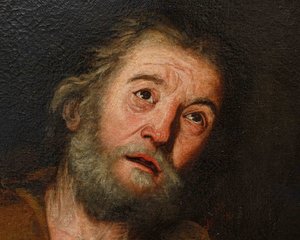
francesco francazano
1605 - 1651 , Italy
Основные сведения
- Artistic Movement Or Style: Caravaggism
- Artists Or Movements Influenced By This Artist: ['Van Dyck']
- Artists Who Influenced This Artist:
- Spagnoletto
- Ribera
- Tintoretto
- Carracci
- René
- Date Of Birth: 1605 Bisceglie, Italy
- Date Of Death: 1651 Barletta, Italy
- Full Name: Francesco Francazano
- Nationality: Italian
- Notable Artworks:
- Two Wrestlers
- St John the Baptist
- Place Of Birth: Bisceglie
Похожие статьи
Cultivating Ambiance: A Curatorial Guide to Art Selection for Wine Cellars and Tasting Rooms – Enhancing Oenological Experience Through Landscape, Symbolism, and Interior Harmony
Elevate your wine cellar or tasting room with curated art! Expert guidance on landscape paintings, symbolism & lighting to enhance the oenological experience. Discover how art transforms spaces and tells your winery's story.

The Dramatic Flourish: Exploring the Baroque Movement's Enduring Legacy in Art History
Explore the dramatic world of Baroque art! Discover iconic artists like Caravaggio & Rubens, defining techniques, and its lasting impact on art history. Expert insights for collectors & enthusiasts at ArtsDot.

Барочная драма: Искусство величия в современном интерьере
Погрузитесь в мир роскоши и величия барокко! Узнайте об истории стиля, ключевых элементах интерьера и архитектуре. Вдохновляйтесь с и создайте свой неповторимый дизайн.

10 Шедевров Барокко: Искусство, изменившее мир | ArtsDot.com
Погрузитесь в мир барокко! 10 шедевров Караваджо, Рембрандта и других великих художников. Узнайте историю создания культовых картин и найдите идеальную репродукцию для вашего интерьера на ArtsDot.com

Simon Vouet: A Baroque Master's Journey from Italian Influence to French Classicism
Explore the life & art of Simon Vouet, a pivotal French Baroque painter who introduced Italian styles to France. Discover his masterpieces and lasting influence on 17th-century art.