

 Предпросмотр
 Поделиться
 Поделиться
 Детали произведения

 Скачать
 Похожие работы
 Рентгенография
 Слайд-шоу
 Статистика
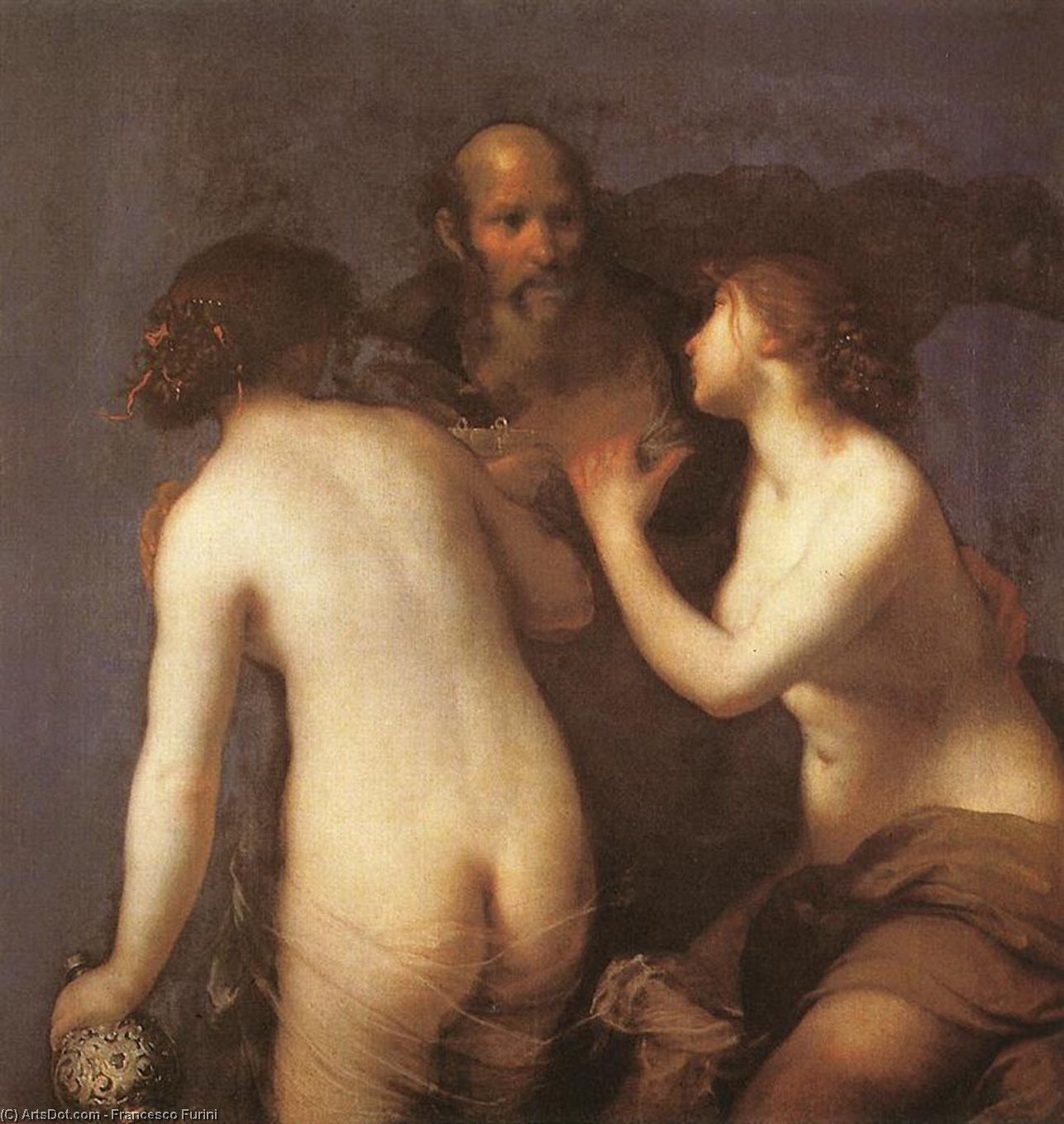
Lot and his Daughters
 Oil On Canvas
- WallArt
- Baroque
 123.0 x 120.0 cm
 Музей Прадо
 Читать далее
Масляная репродукция ручной работы
Картина маслом на холсте в выбранном вами размере и раме, написанная на заказ нашими художниками. ( Перейти к печати Перейти к цифровым изображениям)




P118B $10

P118H $10

P118W $10

P438Z $10

P508JH $12

P508YH $12

P805H $10

P805Z $10

P919BZ $10

P919G $10

P919XJ $10

P959ZH $10

P968JZ $12

W106C $8

W218G $10

W218JH $8

W218Y $10

W307PJ $10

W316G $10

W316PJ $8

W316Y $10

W398PJ $8

W4111J $10

W500HY $15

W500JH $15

W692G $12

W849H $8

W940BG $15

W953PJ $8




Выберите один из наших стандартных размеров, соответствующих оригинальным пропорциям произведения искусства.

Вы можете указать собственные размеры, чтобы картина идеально вписалась в выбранную раму или пространство. Если выбранный вами размер не соответствует пропорциям оригинала, мы либо обрежем полотно, либо расширим его за счет дополнительных элементов, написанных вручную. Цифровой макет будет отправлен вам на утверждение перед началом производства.
Обратите внимание, что предварительный просмотр на экране не отражает фактическую обрезку или расширение. Только макет точно покажет окончательную композицию.
Хотя доступны индивидуальные размеры, мы рекомендуем выбирать вариант из предопределенного списка, чтобы сохранить исходные пропорции.
После оформления заказа команда ArtsDot.com свяжется с клиентом по электронной почте для уточнения деталей и предоставит предварительный макет
Доставка по всему миру () за 3–4 недели вместо стандартных 5 недель. (11 Сентябрь). Без компромиссов в качестве.

Бесплатная экспресс-доставка по всему миру

Высококачественный льняной холст

Полное страхование доставки

Гарантия возмещения таможенных пошлин

Гарантия точного соответствия цветов

100-дневная политика возврата (только при обнаружении дефектов)

Гарантия возврата 100% средств

Предложение оптовых скидок
 Вариант со стеклом доступен только для размеров менее 110 см

Lot and his Daughters
Техника репродукции
Размер репродукции
-


Итоговая стоимость
$ 263
A Glimpse into Florentine Devotion: Analyzing Lot and His Daughters
To stand before this portrait of Lot and his Daughters is to step directly into the rich, emotionally charged atmosphere of 17th-century Florence. Francesco Furini, a painter whose touch was renowned for its sensual sfumato, has captured not merely figures, but moments suspended in time—moments thick with narrative weight and unspoken emotion. The composition immediately draws the eye to the grouping of three central figures: an older gentleman, presumably Lot, anchoring the scene with his bearded presence, flanked by two women. The dynamic tension between them, coupled with the subtle inclusion of background elements, suggests a story unfolding just beyond the viewer's immediate perception.
Mastery of Baroque Narrative and Technique
Furini’s command over the Baroque style is evident in every brushstroke. His technique allows light to play across the drapery and skin tones with an almost ethereal quality, characteristic of his celebrated sfumato. Notice how the background seems to recede into a soft haze, ensuring that the focus remains intensely on the human drama at hand. The inclusion of details—the visible upper body in the background, or the delicate placement of two birds, one near the top left and another toward the bottom right—are not mere filler; they are carefully orchestrated elements that enrich the symbolic tapestry. These natural touches ground the sacred narrative within a tangible, lived-in space.
Symbolism and Emotional Resonance
The subject matter itself carries profound biblical resonance. The depiction of Lot and his daughters invites contemplation on themes of familial duty, transition, and divine intervention. Emotionally, the painting speaks volumes through gesture. One woman stands beside another, their postures suggesting a shared history or perhaps a moment of quiet counsel. The man’s bearing conveys authority mixed with paternal concern. For the modern admirer, this piece offers a window into deeply human experiences—the weight of tradition meeting the pull of personal destiny. It is art that does not simply decorate a wall; it prompts dialogue.
Bringing Baroque Grandeur Home
For those seeking to infuse a space with the gravitas and artistry of the Italian Golden Age, this reproduction offers an unparalleled opportunity. The size, measuring 123 x 120 cm, allows the full sweep of Furini’s narrative complexity to be appreciated from a respectful distance, making it a breathtaking focal point for a grand hall or a richly decorated study. Owning a piece echoing Furini's vision means acquiring not just paint on canvas, but a curated piece of Florentine artistic history—a testament to the enduring power of storytelling through masterful brushwork.
Похожие произведения



Биография художника
The Florentine Visionary: The Life and Legacy of Francesco Furini
Francesco Furini stands as a singular figure in the Florentine Baroque landscape—a painter whose sensual sfumato technique and profound engagement with biblical narratives captivated audiences of his time and continues to intrigue art historians today. Born into an artistic lineage within Florence’s vibrant cultural milieu, Furini's very foundation was steeped in the tradition of visual representation. His father, Filippo, was a respected portrait artist, establishing a domestic environment where the nuances of light and form were part of daily life. This familial devotion to art extended to his siblings; while his sister Alessandra pursued painting, another sibling, Angelica, graced the court of Cosimo II de' Medici with her vocal talents, creating a household brimming with the creative energies that would later define Furini’s masterpieces.
His early artistic education commenced under the tutelage of Matteo Rosselli, a master whose pupils included notable figures like Lorenzo Lippii and Baldassare Franceschini. Through Rosselli, Furini was introduced to the refined Mannerist style prevalent in Florence during his youth. However, his thirst for innovation led him beyond these traditional boundaries. He absorbed vital lessons from Domenico Passignano and Giovanni Biliverti, artists instrumental in shaping the stylistic sensibilities of the Florentine school. A significant connection was also forged with Giovanni da San Giovanni, a friendship that anchored Furini within the influential artistic community of his era.
A Journey Through Light and Shadow
A pivotal moment in Furini’s development arrived in 1619 when he ventured to Rome. This city, pulsating with the revolutionary energy of Caravaggio and his followers, offered a transformative encounter with groundbreaking techniques. The Roman atmosphere, thick with the legacy of chiaroscuro and dramatic realism, irrevocably altered his stylistic trajectory. It was here that Furini began to bridge the gap between the conservative Mannerist traditions of his Florentine roots and the burgeoning, emotive power of the Baroque era. This synthesis allowed him to develop a signature style characterized by soft, blurred edges and a dreamlike quality that made his figures appear almost ethereal.
Furini’s mastery is perhaps most evident in his ability to render the human form with an unparalleled delicacy. His work often features:
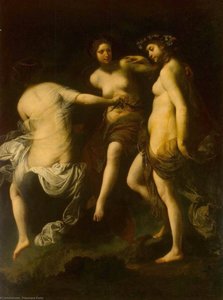
- The Three Graces: A sensual Baroque masterpiece depicting the goddesses of joy and beauty, where the soft application of paint creates a sense of divine luminosity.
- Lot and His Daughters: A captivating exploration of biblical narrative, showcasing his ability to weave complex human emotion with masterful sfumato.
- St. Agatha: An evocative oil painting that utilizes dramatic light and shadow to highlight the symbolic strength and vulnerability of the saint.
Artistic Influence and Historical Significance
Beyond his own brushwork, Furini played a crucial role in the continuity of the Florentine tradition through his commitment to nurturing new talent. His pupils, including Simone Pignoni and Giovanni Battista Galestruzzi, carried forward his distinctive approach, ensuring that his soft-focus aesthetic left a lasting imprint on the next generation of Italian painters. His ability to blend the mythological with the sacred allowed him to navigate both the secular tastes of aristocratic patrons and the profound requirements of religious commissions.
Though his reputation faced periods of obscurity, Furini was rediscovered in the 20th century, allowing modern audiences to appreciate the sophisticated emotional intelligence embedded in his work. He remains a master of the "soft" Baroque, an artist who could capture the fleeting nature of beauty and the weight of spiritual devotion with equal grace. His legacy survives not just in the museums that house his treasures, such as the Hermitage or the Prado, but in the very way we perceive the intersection of light, flesh, and divinity in the history of Western art.
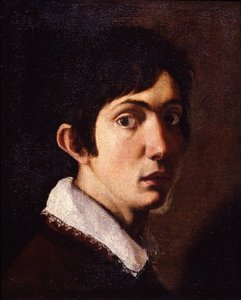
Francesco Furini
1603 - 1646 , Italy
Основные сведения
- Artistic Movement Or Style: Baroque
- Artists Or Movements Influenced By This Artist: ['Guido Reni']
- Artists Who Influenced This Artist:
- Matteo Rosselli
- Domenico Passignano
- Giovanni Biliverti
- Date Of Birth: Florence, Italy (1603)
- Date Of Death: 1646
- Full Name: Francesco Furini
- Nationality: Italian
- Notable Artworks:
- Cephalus and Aurora
- Clio, the Muse of History
- St. Agatha
- Place Of Birth: Florence
Похожие статьи

The Dramatic Flourish: Exploring the Baroque Movement's Enduring Legacy in Art History
Explore the dramatic world of Baroque art! Discover iconic artists like Caravaggio & Rubens, defining techniques, and its lasting impact on art history. Expert insights for collectors & enthusiasts at ArtsDot.
Theatricality & Triumph: Baroque Drama in Painting & Sculpture
Explore the dramatic world of Baroque art! Discover its history, defining characteristics, & lasting influence on painting & sculpture. Expert insights into Caravaggio, Zurbarán, and Bernini – plus high-quality reproductions at ArtsDot.

The Visceral Stage: Exploring Dramatic Narratives & Emotional Intensity in Baroque Art
Explore the dramatic world of Baroque art! Discover iconic masters like Caravaggio & Rembrandt, their techniques, and the movement's lasting impact. Expert insights for collectors & enthusiasts at ArtsDot.

10 Шедевров Барокко: Искусство, изменившее мир | ArtsDot.com
Погрузитесь в мир барокко! 10 шедевров Караваджо, Рембрандта и других великих художников. Узнайте историю создания культовых картин и найдите идеальную репродукцию для вашего интерьера на ArtsDot.com

Барочная драма: Искусство величия в современном интерьере
Погрузитесь в мир роскоши и величия барокко! Узнайте об истории стиля, ключевых элементах интерьера и архитектуре. Вдохновляйтесь с и создайте свой неповторимый дизайн.