

 Предпросмотр
 Поделиться
 Поделиться
 Детали произведения

 Скачать
 Похожие работы
 Рентгенография
 Слайд-шоу
 Статистика
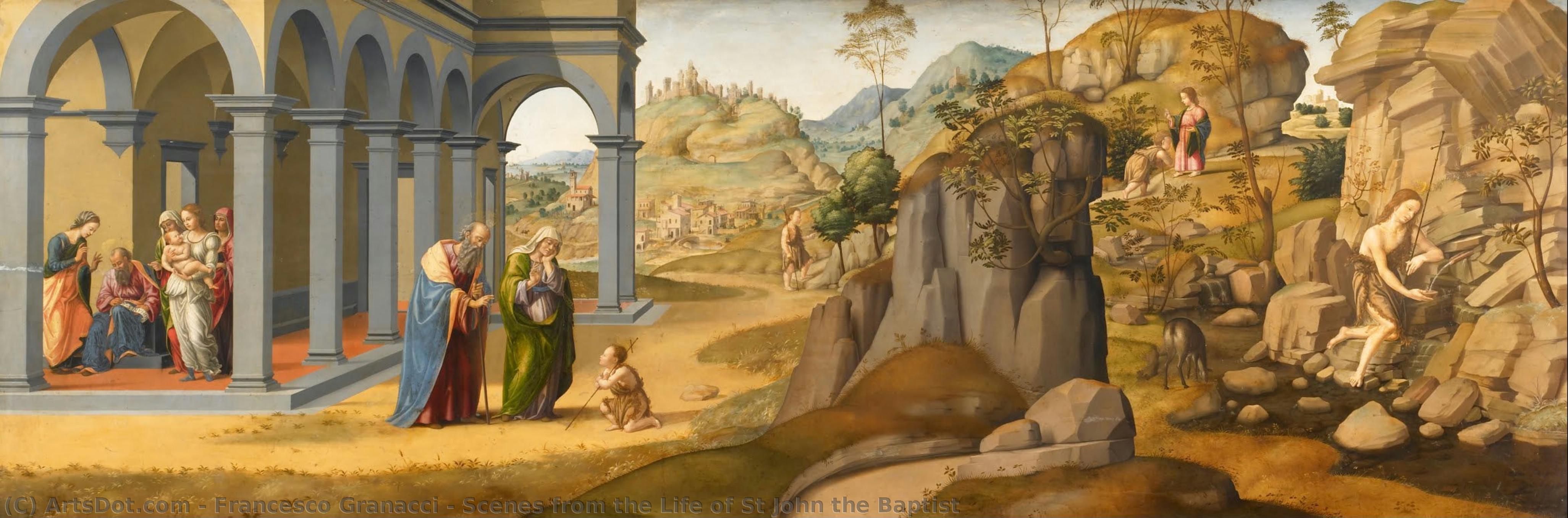
Scenes from the Life of St John the Baptist
 Oil On Panel
- Renaissance
 1505
1505- Renaissance
 286.0 x 774.0 cm
 Walker Art Gallery
 Читать далее
Приобретите цифровое изображение высокого разрешения в улучшенном качестве, которое значительно превосходит онлайн-превью.
Каждый файл тщательно подготавливается нашими специалистами с использованием передовых инструментов и экспертной ручной ретуши. Мы гарантируем исключительную четкость, точную цветопередачу и детальную проработку каждого изображения.
Финальный файл доставляется по электронной почте в течение 72 часов и оптимизирован для немедленного использования в профессиональной среде, при верстке и печати. Это тот же уровень качества, которому доверяют ведущие дизайнерские студии, издательства и галереи.
Цифровое изображение
Скачайте файл высокого разрешения для личного использования, печати и творческих проектов. ( Перейти к печати Купить картину ручной работы)
Включено в каждый заказ цифровых изображений
Гарантия экспертной цифровой доставки
Выбирая ArtsDot.com, вы получаете не просто изображение — вы приобретаете профессионально обработанное цифровое произведение искусства, созданное с безупречной точностью и под защитой гарантии качества. Вот всё, что автоматически входит в ваш заказ:

Мгновенная доставка по e-mail
Ваш цифровой файл в высоком разрешении будет отправлен вам по электронной почте в течение 72 часов после оформления заказа — и сразу станет доступен для использования.

Цифровой файл с ИИ-улучшением
Ваше произведение искусства проходит профессиональную оптимизацию с использованием передовых инструментов ИИ и ручной обработки, что гарантирует максимальную детализацию, четкость и точность цветопередачи.

Бессрочная бесплатная повторная доставка
Случайно удалили или потеряли файл? Не беспокойтесь — мы отправим его вам повторно в любое время и совершенно бесплатно.

Без импортных пошлин — навсегда
Наслаждайтесь вашим произведением искусства мгновенно без таможенных пошлин, сборов или затрат на доставку — цифровые загрузки всегда не облагаются налогом.

Гарантия точности цветопередачи
Мы гарантируем, что ваше цифровое изображение максимально точно передает оригинальные цвета благодаря использованию профессиональных инструментов и систем управления цветом.

Гарантия удовлетворенности 100 дней
Если вы не будете удовлетворены своим цифровым изображением, мы внесем правки или вернем 100% стоимости в течение 100 дней — без лишних вопросов.

100% Гарантия возврата средств
Не удовлетворены покупкой? Получите полный возврат средств в течение 100 дней после получения цифрового файла — без лишних вопросов.

Скидки на оптовые заказы
Купите 3 изображения, сэкономьте 10% — Купите 5, сэкономьте 15% — Купите 10+, сэкономьте 20%. Отличное решение для творческих проектов, галерей и агентств.
A Narrative Tapestry from Renaissance Florence
This magnificent panel transports us directly into the vibrant spiritual life of early Renaissance Florence, offering a detailed glimpse into the sacred biography of St John the Baptist. The scene is not merely a depiction; it is a carefully orchestrated narrative unfolding across time and space. From the initial moment where his father inscribes the name Johannes in Latin, we witness the genesis of a profound spiritual journey. The composition guides the eye sequentially, mirroring the saint's own passage from domestic life to ascetic calling.
The artist masterfully combines several key moments—the departure for the wilderness, the blessed encounter with the Christ child, and the gathering of water at a spring—into one cohesive visual poem. The background itself is a testament to period accuracy, portraying the rustic charm of the Florentine countryside, complete with its walled hill-town and humble buildings, grounding this divine narrative in tangible, earthly reality.
Mastery of Renaissance Composition and Detail
The technical brilliance evident here speaks to the high standards of early sixteenth-century Italian painting. Francesco Granacci, working within the rich tradition established by masters like Ghirlandaio, demonstrates a profound understanding of perspective and human anatomy. Observe how the figures are arranged; some appear intimately close to the viewer, while others recede into the landscape, creating an impressive sense of depth that pulls the observer into the scene. The inclusion of two watchful dogs adds a layer of unexpected realism, anchoring the spiritual drama with everyday life.
Granacci’s handling of light and shadow imbues the figures with a palpable presence. It is a style characterized by clarity of line combined with rich narrative storytelling, hallmarks of the Florentine school at its zenith. The sheer scale of this original work suggests it was intended for a significant devotional space, perhaps adorning a private chapel dedicated to the saint.
Symbolism and Spiritual Resonance
The symbolism woven throughout the panel is deeply resonant with Christian tradition. St John’s journey itself embodies themes of preparation, purification, and divine calling. His withdrawal into the wilderness speaks to necessary solitude for spiritual growth, while his blessing from the Christ child foreshadows the pivotal role he plays in salvation history. The water at the spring often symbolizes baptism and rebirth—a constant motif in art celebrating this saint.
For the modern collector or designer, this piece offers more than mere decoration; it offers a contemplation point. It invites reflection on personal journeys of faith, calling us to consider our own moments of transition and spiritual renewal against the backdrop of timeless devotion.
A Legacy for Your Sanctuary
To bring the enduring spirit of Renaissance Florence into your home or sacred space is to acquire a piece steeped in history and profound artistry. While this original panel measures an impressive 286 x 774 cm, reproductions allow you to connect with Granacci’s vision on a scale suited to your needs. Owning a reproduction means curating a segment of art history—a tangible echo of the artistic ferment that defined Florence in the early years of the sixteenth century.
It is an artwork that speaks eloquently of devotion, human potential, and the enduring beauty found at the intersection of faith and masterful craftsmanship. It promises to elevate any interior with its narrative depth and historical grandeur.
Похожие произведения
![Lot And His Daughters [reverse] — Альбрехт Дюрер, Northern Renaissance](/media/artworks/images-thumb/ea/fc/eafc588c791acf4038126ea21ac8656e.jpg)
Биография художника
Early Life and Florentine Beginnings
Francesco Granacci, born in the Tuscan village of Villamagna in 1469, emerged during a period of extraordinary artistic ferment in Florence. His early life was deeply intertwined with the city’s burgeoning Renaissance spirit, and his formative years were spent within the esteemed workshop of Domenico Ghirlandaio—a master renowned for his clarity of line, balanced compositions, and vibrant narrative frescoes. It was here that Granacci absorbed the foundational principles of Florentine painting, honing his skills alongside a cohort of talented apprentices. However, it wasn’t solely Ghirlandaio who shaped the young artist's trajectory; a particularly close friendship with Michelangelo Buonarroti blossomed during this time. The two shared a passion for classical sculpture and frequented Lorenzo de’ Medici’s renowned garden, immersing themselves in the study of ancient forms—an experience that would subtly yet profoundly influence Granacci’s artistic development. Early works like the Madonna and Child with Saints Michael and John the Baptist, now housed in Berlin's Staatliche Museen, and the Adoration of the Child at the Honolulu Museum of Art reveal a nascent talent already demonstrating Ghirlandaio’s influence, yet hinting at a unique sensibility beginning to emerge.A Collaborative Spirit and Roman Interlude
Granacci’s artistic path wasn't solely defined by solitary practice; collaboration played a significant role in his growth. He frequently worked alongside Filippino Lippi, whose style also left an indelible mark on his early paintings. Vasari recounts that Granacci even served as a model for the nude figure in Lippi’s celebrated Raising of Theophilus within the Brancacci Chapel—a testament to the close working relationship between the two artists. In 1508, a pivotal moment arrived when Granacci journeyed to Rome. There, he joined Michelangelo and other skilled painters assisting with the monumental task of decorating the Sistine Chapel ceiling. While his direct contribution remains debated, this experience exposed him to the sheer scale and ambition of High Renaissance art, broadening his artistic horizons and instilling a greater sense of sculptural form in his compositions. Upon returning to Florence, Granacci’s work began to exhibit a newfound dynamism, evident in pieces like Rest on the Flight into Egypt, where figures possess a more robust physicality and are set within exotic landscapes rendered with radiant color.Religious Themes and Florentine Commissions
The majority of Granacci's oeuvre centers around religious subjects—frescoes, altarpieces, and devotional paintings that reflect the piety and artistic tastes of his time. He secured numerous commissions throughout Florence, working for various churches and convents. Notable examples include the Madonna with Child with Saints Francesco and Jerome, originally created for the Augustinian convent of San Gallo, and the Assumption of the Virgin commissioned for Santi Girolamo e Francesco sulla Costa—both now residing in the Galleria dell'Accademia. In 1515, he participated in a large-scale decorative project celebrating Pope Leo X’s visit to Florence, collaborating with prominent artists such as Andrea del Sarto and Jacopo Pontormo. This period saw him create Joseph Presents his Father and his Brothers to the Pharaoh, now gracing the Uffizi Gallery—a work that showcases his skill in narrative clarity and detailed composition.Later Years and Artistic Synthesis
As Granacci matured, his style underwent a subtle yet significant evolution. He began incorporating influences from artists like Fra Bartolomeo and Pietro Perugino, absorbing elements of Umbrian painting characterized by its soft modeling and harmonious color palettes. This synthesis of diverse artistic currents resulted in works that balanced the clarity of Florentine tradition with a more nuanced emotional depth. While he never achieved the widespread renown of his contemporaries, Granacci was consistently regarded as a dependable and skilled craftsman—a painter whose work stood at an important juncture between the older Florentine manner and the emerging aesthetics of the High Renaissance. He passed away in Florence in 1543, buried within the Church of Sant’Ambrogio, leaving behind a legacy of devotional paintings that continue to offer glimpses into the artistic life of Renaissance Italy.Historical Significance
Francesco Granacci's historical significance lies not in radical innovation but in his embodiment of the collaborative spirit and evolving stylistic trends of Florentine painting during the High Renaissance. He was a skilled artisan who successfully navigated the complex interplay of influences—from Ghirlandaio and Lippi to Michelangelo, Fra Bartolomeo, and Perugino—creating works that reflect the artistic diversity of his time. Though often overshadowed by more celebrated figures, Granacci’s paintings provide valuable insights into the religious sensibilities and aesthetic preferences of 16th-century Florence. His ability to blend narrative clarity with a growing emotional depth makes him a compelling figure in the broader context of Renaissance art history—a testament to the enduring power of artistic synthesis and dedicated craftsmanship.
Francesco Granacci
1469 - 1543 , Italy
Основные сведения
- Artistic Movement Or Style: Renaissance
- Artists Or Movements Influenced By This Artist: ['Botticelli']
- Artists Who Influenced This Artist: ['Andrea del Verrocchio']
- Date Of Birth: 1452-04-15
- Date Of Death: 1519-05-02
- Full Name: Leonardo di ser Piero da Vinci
- Nationality: Italian
- Notable Artworks:
- Mona Lisa
- The Last Supper
- Vitruvian Man
- Place Of Birth: Florence, Italy