


 Предпросмотр
 Поделиться
 Поделиться
 Детали произведения

 Скачать
 Похожие работы
 Рентгенография
 Слайд-шоу
 Статистика
L'audience accordée par le doge de Venise dans la salle du collège au palais ducal de Venise


 Читать далее
Приобретите цифровое изображение высокого разрешения в улучшенном качестве, которое значительно превосходит онлайн-превью.
Каждый файл тщательно подготавливается нашими специалистами с использованием передовых инструментов и экспертной ручной ретуши. Мы гарантируем исключительную четкость, точную цветопередачу и детальную проработку каждого изображения.
Финальный файл доставляется по электронной почте в течение 72 часов и оптимизирован для немедленного использования в профессиональной среде, при верстке и печати. Это тот же уровень качества, которому доверяют ведущие дизайнерские студии, издательства и галереи.
Цифровое изображение
Скачайте файл высокого разрешения для личного использования, печати и творческих проектов. ( Перейти к печати Купить картину ручной работы)
Включено в каждый заказ цифровых изображений
Гарантия экспертной цифровой доставки
Выбирая ArtsDot.com, вы получаете не просто изображение — вы приобретаете профессионально обработанное цифровое произведение искусства, созданное с безупречной точностью и под защитой гарантии качества. Вот всё, что автоматически входит в ваш заказ:

Мгновенная доставка по e-mail
Ваш цифровой файл в высоком разрешении будет отправлен вам по электронной почте в течение 72 часов после оформления заказа — и сразу станет доступен для использования.

Цифровой файл с ИИ-улучшением
Ваше произведение искусства проходит профессиональную оптимизацию с использованием передовых инструментов ИИ и ручной обработки, что гарантирует максимальную детализацию, четкость и точность цветопередачи.

Бессрочная бесплатная повторная доставка
Случайно удалили или потеряли файл? Не беспокойтесь — мы отправим его вам повторно в любое время и совершенно бесплатно.

Без импортных пошлин — навсегда
Наслаждайтесь вашим произведением искусства мгновенно без таможенных пошлин, сборов или затрат на доставку — цифровые загрузки всегда не облагаются налогом.

Гарантия точности цветопередачи
Мы гарантируем, что ваше цифровое изображение максимально точно передает оригинальные цвета благодаря использованию профессиональных инструментов и систем управления цветом.

Гарантия удовлетворенности 100 дней
Если вы не будете удовлетворены своим цифровым изображением, мы внесем правки или вернем 100% стоимости в течение 100 дней — без лишних вопросов.

100% Гарантия возврата средств
Не удовлетворены покупкой? Получите полный возврат средств в течение 100 дней после получения цифрового файла — без лишних вопросов.

Скидки на оптовые заказы
Купите 3 изображения, сэкономьте 10% — Купите 5, сэкономьте 15% — Купите 10+, сэкономьте 20%. Отличное решение для творческих проектов, галерей и агентств.
A Venetian Twilight: Francesco Guardi’s Capture of Elegance Amidst Decline
Francesco Lazzaro Guardi's "Audience Granted by the Doge," housed in the Web Gallery of Art, isn’t merely a painting; it’s a distillation of Venice itself—a city grappling with its fading glory as political instability eroded its former splendor. Born into a family renowned for artistic patronage on October 5, 1712, Guardi emerged from this lineage as a singular voice documenting the era's poignant beauty and quiet sorrow, anticipating the stylistic breakthroughs of Impressionism decades later. Initially collaborating with his brother Gian Antonio on devotional canvases—a formative experience that instilled foundational technical prowess—Guardi’s artistic trajectory pivoted dramatically after Gian Antonio’s untimely demise in 1760. This pivotal moment liberated Guardi to explore his own distinctive vision, focusing primarily on capturing the atmospheric nuances of Venetian life.- Subject Matter: The painting portrays a formal audience ceremony presided over by the Doge—Venice's elected ruler—before ambassadors representing foreign nations within the Sala del Collegio of the Doge’s Palace. This setting underscores the importance of diplomacy and ceremonial tradition in Venetian governance.
- Style: Guardi’s style defies easy categorization, aligning more closely with Luminism than Baroque formalism. He eschewed dramatic chiaroscuro—the stark contrasts of light and dark favored by Caravaggio—opting instead for a diffused illumination that softens outlines and imbues the scene with an ethereal quality.
Technique: Atmospheric Impressionism Prefigured
Guardi’s masterful technique exemplifies Luminism, prioritizing tonal gradations over precise detail. He achieved this remarkable effect through painstaking layering of thin glazes—transparent washes of pigment applied in successive coats—allowing underlying colors to subtly blend and shimmer. This method brilliantly conveys the hazy atmosphere characteristic of Venetian summers, mirroring the visual language pioneered by Impressionists like Claude Monet and Pierre-Auguste Renoir. The artist’s meticulous observation of light and color is palpable throughout the canvas, transforming it into a luminous testament to Venetian beauty.- Color Palette: Guardi employs a restrained palette dominated by muted yellows, blues, and greens—colors that evoke the colors of Venetian facades and gardens. These hues are blended seamlessly, creating an illusion of depth and enhancing the painting’s overall sense of tranquility.
- Brushwork: Guardi's brushstrokes are delicate and expressive, conveying movement without resorting to overt dynamism. He utilizes a scumbling technique—dragging pigment across the surface with a dry brush—to create subtle textural variations that contribute to the painting’s atmospheric richness.
Historical Context: Venice Under Pressure
“Audience Granted by the Doge” was created during a period of significant political upheaval for Venice. The Napoleonic Wars severely disrupted Venetian trade routes and undermined its authority, accelerating its decline as a dominant maritime power. Yet, amidst this crisis, Guardi steadfastly documented the enduring spirit of Venetian culture—its artistic traditions, social rituals, and architectural grandeur—preserving a visual record of a bygone era. The painting serves as a poignant reminder that beauty can persist even in times of adversity.Symbolism: Light, Dignity, and Remembrance
The diffused illumination enveloping the Sala del Collegio symbolizes not only the Venetian summer’s hazy atmosphere but also the overarching theme of remembrance—the preservation of Venetian heritage against the encroaching tide of change. The dignified postures of the Doge and ambassadors convey respect for tradition and diplomatic protocol, reinforcing the painting's moral dimension. Furthermore, the subtle inclusion of a clock reinforces the passage of time, prompting contemplation on Venice’s past glories and its uncertain future.Emotional Impact: Elegance Amidst Melancholy
Ultimately, “Audience Granted by the Doge” transcends mere visual representation; it evokes profound emotional resonance. The painting's serene beauty is tempered by an underlying sense of melancholy—a recognition that Venice’s golden age has irrevocably passed. Yet, Guardi’s masterful technique and astute observation capture a moment of exquisite grace—a testament to Venetian culture’s enduring legacy and its capacity to inspire awe and contemplation.Похожие произведения

Биография художника
Francesco Guardi: A Venetian Twilight – The Last Voice of the School
Francesco Lazzaro Guardi, born into a family deeply rooted in artistic tradition on October 5th, 1712, stands as a poignant and ultimately tragic figure at the close of the illustrious Venetian School. His life unfolded against the backdrop of Venice’s slow decline – a once-dominant maritime republic grappling with political instability and economic hardship, yet retaining an undeniable beauty that Guardi sought to capture with unparalleled sensitivity. He wasn't merely a painter; he was a chronicler of this fading grandeur, a visual poet attempting to distill the essence of a city on the verge of transformation, a style that would later profoundly influence the Impressionists. The Guardi family workshop, established by his father Domenico, served as a vibrant hub of artistic production, where Francesco initially collaborated with his elder brother Gian Antonio on religious paintings – a solid foundation in technique, but it was after Gian Antonio’s untimely death in 1760 that Francesco truly discovered his own distinctive voice, turning his attention to the *vedute* – the captivating cityscape views for which he would ultimately become celebrated.From Collaboration to Individual Vision: The Seeds of Innovation
Initially, Guardi's work bore a clear and undeniable influence from Canaletto, the undisputed master of Venetian *vedute*. Both artists meticulously depicted the city’s canals, opulent palaces, and bustling piazzas with remarkable detail. However, while Canaletto prioritized topographical accuracy – striving for an almost photographic representation – Guardi gradually began to diverge, moving towards a more expressive and imaginative approach. He wasn't interested in creating mere copies; instead, he sought to convey the *feeling* of Venice – its shimmering light reflecting off the water, the hazy atmosphere that often enveloped the city, and the pervasive sense of impermanence that underscored its beauty. This shift is vividly evident in his looser brushwork, characterized by spirited, almost impulsive strokes and freely imagined architectural details—a departure from Canaletto’s more rigid approach. His skies became particularly noteworthy, frequently filled with dramatic cloud formations – hinting at impending storms or the melancholic beauty of a twilight hour. This evolution wasn't a rejection of Canaletto’s skill, but rather an organic progression, demonstrating Guardi’s growing artistic maturity and his willingness to explore new avenues of expression. The family legacy also played a crucial role; his sister Maria Cecilia’s marriage to Giovanni Battista Tiepolo, one of the leading artists of the era, fostered a rich exchange of ideas and influences within their household, further shaping Guardi's artistic development.The Doge’s Feasts: A Grand Spectacle in Paint
Guardi’s most ambitious undertaking – and arguably his masterpiece – came in 1763 with his commission for *The Doge’s Feasts*. This monumental series of twelve canvases celebrated the elaborate ceremonies surrounding the election of Alvise IV Mocenigo, the new Doge (chief magistrate) of Venice. These weren't simply documentary records; they were grand theatrical spectacles – teeming with figures in lavish costumes, overflowing with opulent details, and capturing the vibrant energy of Venetian civic life. Guardi’s skill is evident not only in his ability to depict such a complex scene with remarkable accuracy but also in his masterful use of composition and color to create a sense of movement and drama. The paintings are filled with a palpable sense of occasion – one can almost hear the music, smell the perfumes, and feel the excitement of the crowd. This project solidified Guardi’s reputation as a leading artist within Venice and demonstrated his ability to synthesize classical techniques with a distinctly personal vision.Pittura di Tocco: A Revolutionary Technique
During the creation of *The Doge's Feasts*, Guardi developed and perfected his signature style, known as *pittura di tocco* (painting of touch). This technique involved applying paint in small, broken strokes – tiny dots or dashes rather than broad brushstrokes. The result was a shimmering surface that seemed to vibrate with light and movement, creating an illusion of depth and atmosphere. It wasn’t about precise detail; instead, *pittura di tocco* prioritized capturing the *impression* of form and light—a technique remarkably ahead of its time. This innovative approach distinguished Guardi from his contemporaries and foreshadowed the artistic developments that would emerge in France during the late 18th and early 19th centuries – a style that would later be embraced by Impressionists like Monet and Degas, who recognized in Guardi’s work a kindred spirit—an artist who prioritized feeling and sensation over strict representation.A Legacy of Atmosphere and Influence: The Echoes of Venice
Francesco Guardi passed away quietly on January 1st, 1793, in the Cannaregio district of Venice – a poignant end for an artist deeply connected to his city. His paintings weren’t merely depictions of Venice; they were evocative expressions of its atmosphere—a melancholic beauty tinged with nostalgia and a subtle awareness of impending change. Unlike Canaletto, who often presented Venice bathed in bright sunlight, Guardi frequently depicted the city shrouded in twilight or veiled by clouds, emphasizing its inherent melancholy and timelessness. This atmospheric quality is what particularly resonated with the French Impressionists, who recognized in his work a profound understanding of light, color, and the fleeting nature of perception. Guardi’s influence can be seen in their own explorations of these themes – artists seeking to capture the *feeling* of a place rather than simply its appearance. His legacy endures not only through his individual masterpieces but also as a pivotal link between the classical traditions of Venetian painting and the revolutionary artistic movements that would shape the course of European art.- Key Dates: October 5, 1712: Birth; January 1, 1793: Death.
- Style: *Vedute*, *Pittura di tocco* (painting of touch).
- Influences: Canaletto, Venetian School traditions.
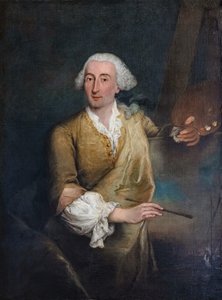
Francesco Lazzaro Guardi
1712 - 1793 , Италия
Основные сведения
- Artistic Movement Or Style: *Vedute*, *Pittura di tocco*
- Artists Or Movements Influenced By This Artist: ['Импрессионисты']
- Artists Who Influenced This Artist: ['Каналетто']
- Date Of Birth: 5 октября 1712 г.
- Date Of Death: 1 января 1793 г.
- Full Name: Francesco Lazzaro Guardi
- Nationality: Итальянец
- Notable Artworks:
- Карнавал в Венеции
- Пляж Сан-Лоренцо
- Догорание кораблей
- Place Of Birth: Венеция, Италия