

 Предпросмотр
 Поделиться
 Поделиться
 Детали произведения

 Скачать
 Похожие работы
 Рентгенография
 Слайд-шоу
 Статистика
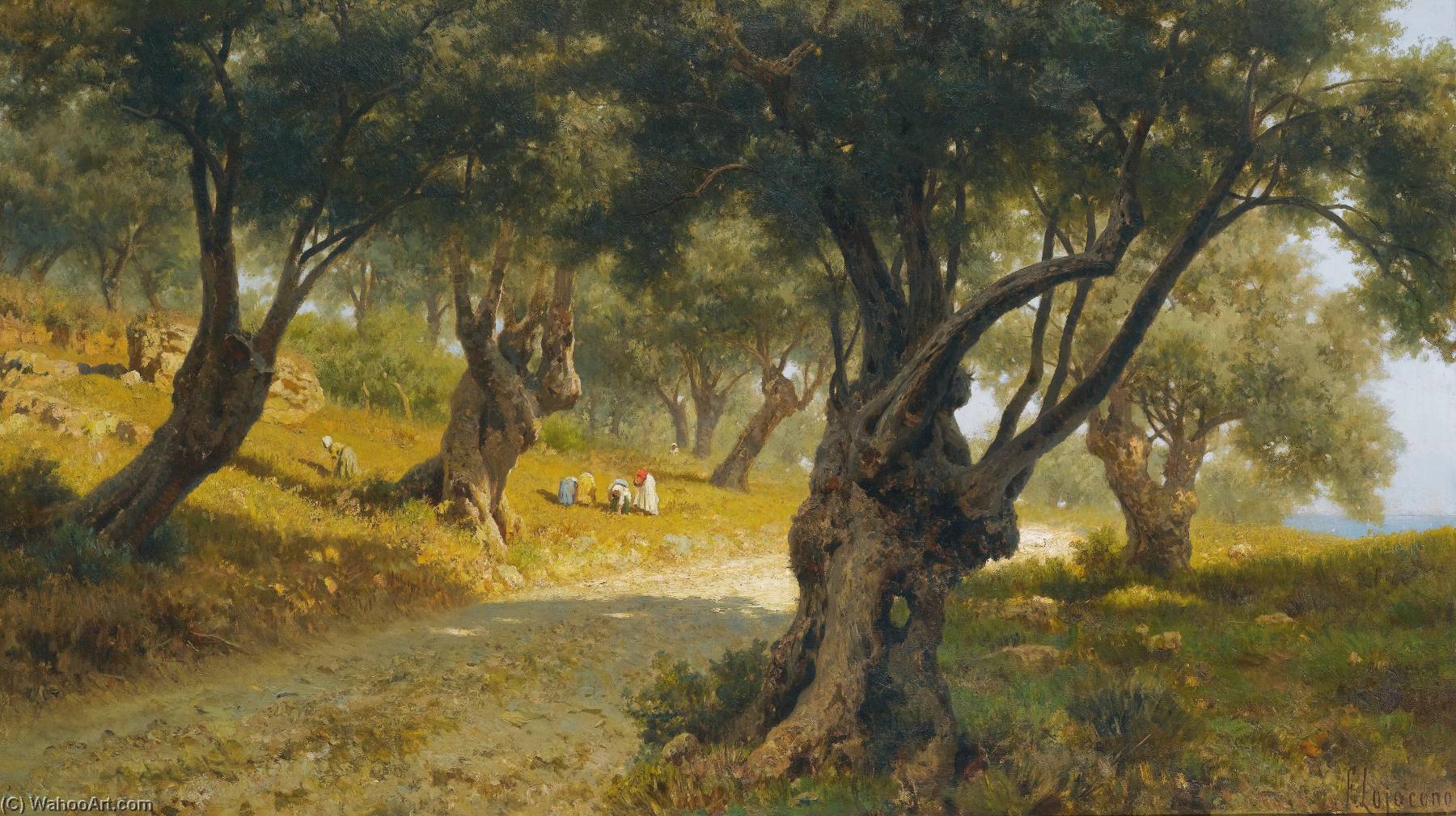
The Olive Grove, Palermo
 Читать далее
Приобретите цифровое изображение высокого разрешения в улучшенном качестве, которое значительно превосходит онлайн-превью.
Каждый файл тщательно подготавливается нашими специалистами с использованием передовых инструментов и экспертной ручной ретуши. Мы гарантируем исключительную четкость, точную цветопередачу и детальную проработку каждого изображения.
Финальный файл доставляется по электронной почте в течение 72 часов и оптимизирован для немедленного использования в профессиональной среде, при верстке и печати. Это тот же уровень качества, которому доверяют ведущие дизайнерские студии, издательства и галереи.
Цифровое изображение
Скачайте файл высокого разрешения для личного использования, печати и творческих проектов. ( Перейти к печати Купить картину ручной работы)
Включено в каждый заказ цифровых изображений
Гарантия экспертной цифровой доставки
Выбирая ArtsDot.com, вы получаете не просто изображение — вы приобретаете профессионально обработанное цифровое произведение искусства, созданное с безупречной точностью и под защитой гарантии качества. Вот всё, что автоматически входит в ваш заказ:

Мгновенная доставка по e-mail
Ваш цифровой файл в высоком разрешении будет отправлен вам по электронной почте в течение 72 часов после оформления заказа — и сразу станет доступен для использования.

Цифровой файл с ИИ-улучшением
Ваше произведение искусства проходит профессиональную оптимизацию с использованием передовых инструментов ИИ и ручной обработки, что гарантирует максимальную детализацию, четкость и точность цветопередачи.

Бессрочная бесплатная повторная доставка
Случайно удалили или потеряли файл? Не беспокойтесь — мы отправим его вам повторно в любое время и совершенно бесплатно.

Без импортных пошлин — навсегда
Наслаждайтесь вашим произведением искусства мгновенно без таможенных пошлин, сборов или затрат на доставку — цифровые загрузки всегда не облагаются налогом.

Гарантия точности цветопередачи
Мы гарантируем, что ваше цифровое изображение максимально точно передает оригинальные цвета благодаря использованию профессиональных инструментов и систем управления цветом.

Гарантия удовлетворенности 100 дней
Если вы не будете удовлетворены своим цифровым изображением, мы внесем правки или вернем 100% стоимости в течение 100 дней — без лишних вопросов.

100% Гарантия возврата средств
Не удовлетворены покупкой? Получите полный возврат средств в течение 100 дней после получения цифрового файла — без лишних вопросов.

Скидки на оптовые заказы
Купите 3 изображения, сэкономьте 10% — Купите 5, сэкономьте 15% — Купите 10+, сэкономьте 20%. Отличное решение для творческих проектов, галерей и агентств.
Похожие произведения







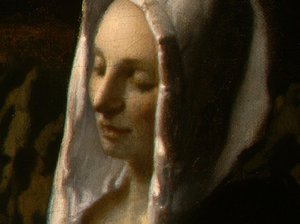


Биография художника
William Keith: A Pioneer of California Tonalism
Born in Oldmeldrum, Aberdeenshire, Scotland, on November 18, 1838, William Keith’s artistic journey took him from the rugged landscapes of his homeland to the sun-drenched vistas of California. His early life was marked by a swift emigration with his family to New York City in 1850, where he apprenticed as an engraver – a skill that would later inform his meticulous attention to detail and tonal control. This initial training provided a foundation for his evolving artistic style, yet it was his relocation to San Francisco in 1859 that truly ignited his passion for painting. Keith’s lineage, claiming descent from the Scottish Clan Keith, added an intriguing layer to his identity, though this claim remains largely anecdotal.
Initially struggling to secure work as a painter, Keith quickly established himself through commissions and, crucially, by embracing a distinctly American aesthetic. He sought guidance from Samuel Marsden Brookes in 1863, absorbing elements of the burgeoning Tonalist movement – an approach emphasizing subtle gradations of tone and atmospheric effects over sharp outlines and detailed representation. This influence is evident in his early watercolors depicting Yosemite Valley and other High Sierra scenes, capturing not just the visual appearance but also the *feeling* of these majestic landscapes. His work during this period demonstrates a remarkable sensitivity to light and shadow, anticipating the later developments of American Barbizon painters who sought to emulate the French masters’ focus on tonal harmony.
European Studies and Artistic Evolution
Recognizing the need for broader artistic experience, Keith embarked on two significant study trips to Europe – first in 1867-68, then again in 1879. These journeys profoundly shaped his artistic development. He spent time in Paris, immersing himself in the works of artists like Jean-Baptiste Camille Corot and Gustave Courbet, absorbing their techniques for capturing atmospheric effects and rendering natural forms with subdued colors. His return to America brought a renewed confidence and a more refined approach to composition and color palette. The influence of these European experiences is particularly noticeable in his later landscapes, which retain the tonal qualities of his earlier work while exhibiting a greater sense of spatial depth and formal structure.
Keith’s artistic practice wasn't confined solely to landscape painting. He also produced portraits and genre scenes, often depicting rural life with a quiet dignity and understated charm. His subjects – farmers, laborers, and families – were rendered with a remarkable empathy, reflecting his own connection to the land and its people. He was particularly interested in capturing the essence of ordinary individuals, eschewing dramatic poses or elaborate settings in favor of simple, intimate scenes.
California Landscapes and Tonalist Principles
Keith’s career truly flourished in California, where he established a studio in San Francisco and became one of the state's leading landscape painters. He developed a distinctive style characterized by its subtle tonal harmonies, atmospheric perspective, and evocative sense of place. His paintings are not merely representations of scenery; they are meditations on light, color, and mood – capturing the spirit of the California wilderness with remarkable sensitivity. Keith’s commitment to Tonalism is evident in his deliberate avoidance of harsh contrasts and his preference for blending colors seamlessly to create a sense of unity and tranquility.
Keith's artistic philosophy was deeply personal. He famously stated, “My subjective pictures are the ones that come from the inside. I feel some emotion and I immediately paint a picture that expresses it.” He believed that true art should not rely on external influences or objective observation but rather on an artist’s inner experience. This conviction shaped his approach to painting, leading him to prioritize emotional expression over technical virtuosity. His work is imbued with a quiet introspection and a profound appreciation for the beauty of the natural world.
Legacy and Historical Significance
William Keith's contribution to American art lies primarily in his pioneering role as a Tonalist painter in California. He helped establish this movement’s foothold on the West Coast, influencing generations of artists who followed. His paintings are now recognized for their atmospheric qualities, emotional depth, and understated beauty. Keith’s work stands as a testament to the power of observation, empathy, and artistic vision – a reminder that true art is not simply about depicting reality but about capturing its essence.
He died in 1911, leaving behind a substantial body of work that continues to resonate with viewers today. His paintings are held in numerous public and private collections, including the Smithsonian American Art Museum and the California Palace of Fine Arts Collection. William Keith’s legacy endures as a significant figure in the history of American art, a quiet giant who shaped the landscape of California painting.
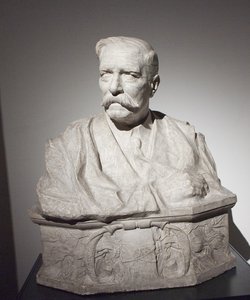
francesco lojacono
1838 - 1915
Основные сведения
- Artistic Movement Or Style: Genre, Landscape
- Artists Or Movements Influenced By This Artist: ['American Society']
- Artists Who Influenced This Artist: ['National Academy']
- Date Of Birth: March 20, 1838
- Date Of Death: 1918
- Full Name: William Magrath
- Nationality: Irish
- Notable Artworks:
- Cotton Plantation
- Levee, New Orleans
- Place Of Birth: Cork, Ireland