

 Предпросмотр
 Поделиться
 Поделиться
 Детали произведения

 Скачать
 Похожие работы
 Рентгенография
 Слайд-шоу
 Статистика
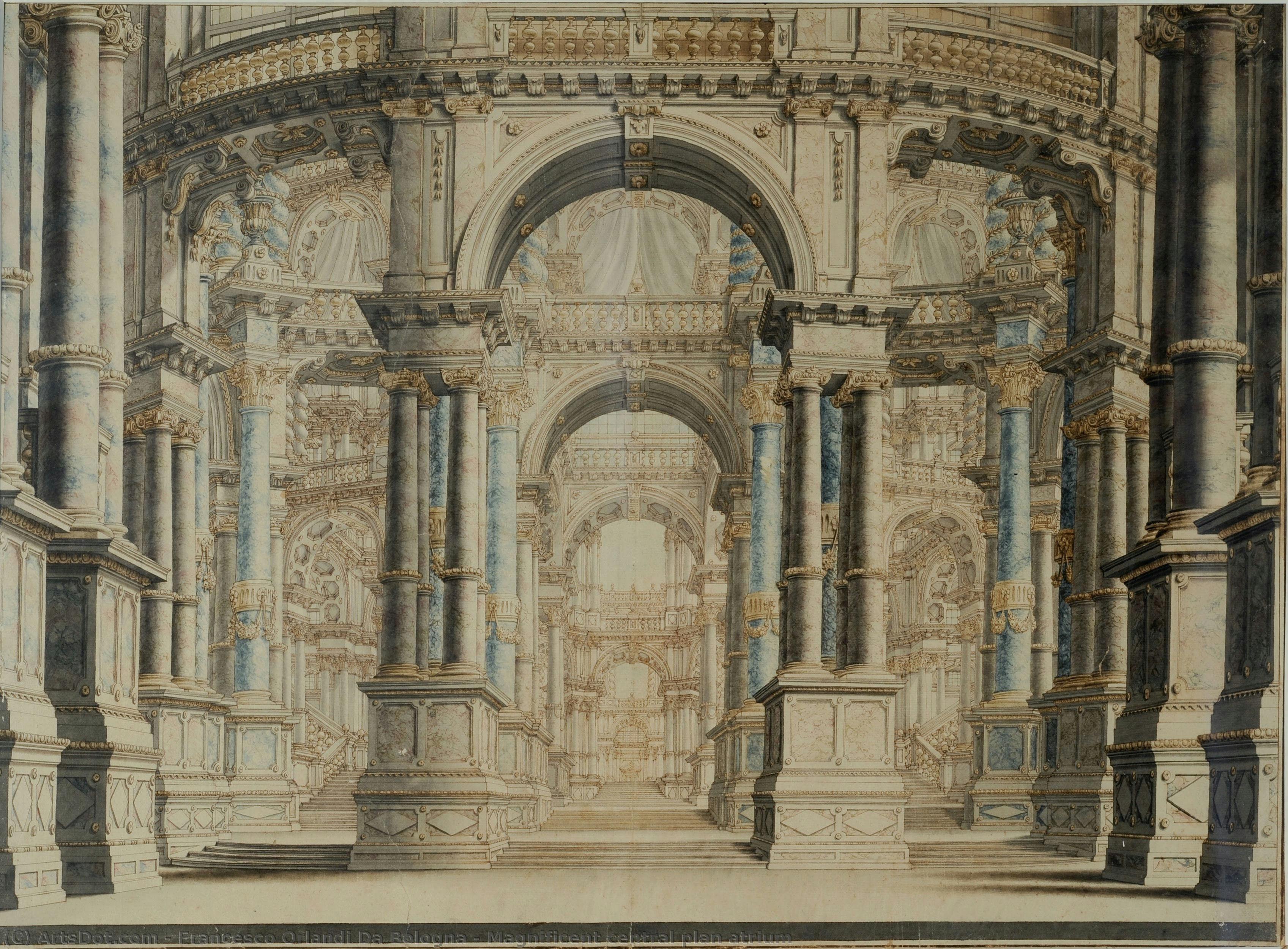
Magnificent central plan atrium


 Читать далее
Масляная репродукция ручной работы
Картина маслом на холсте в выбранном вами размере и раме, написанная на заказ нашими художниками. ( Перейти к печати Перейти к цифровым изображениям)




































Выберите один из наших стандартных размеров, соответствующих оригинальным пропорциям произведения искусства.

Вы можете указать собственные размеры, чтобы картина идеально вписалась в выбранную раму или пространство. Если выбранный вами размер не соответствует пропорциям оригинала, мы либо обрежем полотно, либо расширим его за счет дополнительных элементов, написанных вручную. Цифровой макет будет отправлен вам на утверждение перед началом производства.
Обратите внимание, что предварительный просмотр на экране не отражает фактическую обрезку или расширение. Только макет точно покажет окончательную композицию.
Хотя доступны индивидуальные размеры, мы рекомендуем выбирать вариант из предопределенного списка, чтобы сохранить исходные пропорции.
После оформления заказа команда ArtsDot.com свяжется с клиентом по электронной почте для уточнения деталей и предоставит предварительный макет
Доставка по всему миру () за 3–4 недели вместо стандартных 5 недель. (13 Сентябрь). Без компромиссов в качестве.

Бесплатная экспресс-доставка по всему миру

Высококачественный льняной холст

Полное страхование доставки

Гарантия возмещения таможенных пошлин

Гарантия точного соответствия цветов

100-дневная политика возврата (только при обнаружении дефектов)

Гарантия возврата 100% средств

Предложение оптовых скидок
 Вариант со стеклом доступен только для размеров менее 110 см

Magnificent central plan atrium
Техника репродукции
Размер репродукции
-


Итоговая стоимость
$ 263
Похожие произведения










Биография художника
The Architectural Soul of Bologna: The Life of Francesco Orlandi
In the heart of the Italian Baroque, where the grandeur of stone meets the delicate precision of light, the name Francesco Orlandi da Bologna resonates as a symbol of structural elegance and artistic mastery. Born in 1725 within the vibrant, culturally rich atmosphere of Bologna, Orlandi was destined for a life defined by the intersection of art and engineering. He did not merely observe the world; he sought to frame it through the lens of classical perfection. His lineage provided the initial spark, as his father, Stefano Orlandi, was a respected painter who instilled in his son a profound reverence for the visual arts. This early immersion ensured that even when Francesco turned his attention toward the rigid demands of architecture, his work would always retain a painterly grace and an eye for ornamental beauty.
The true refinement of Orlandi’s vision occurred within the hallowed halls of the Accademia Clementina. Established in 1751, this prestigious institution served as the crucible for his technical development, teaching him to marry geometric precision with the sweeping ideals of classical antiquity. It was here that he transitioned from a student of tradition to a master of design, developing a unique ability to perceive space not just as a void to be filled, but as a stage for drama and light. His intellect, however, was never confined to the drafting table; his deep-seated fascination with music and mechanics infused his architectural compositions with a rhythmic quality, suggesting that every column and arch was part of a larger, harmonious symphony of form.
A Legacy of Grandeur and Scenography
As Orlandi’s career ascended, he became a central figure in the Bolognese artistic landscape, earning a professorship at the Acculated Clementina and eventually receiving the prestigious title of Prince in 1784. His contributions to the city were both structural and aesthetic, most notably through his role in overseeing the ambitious construction of a new theater in Bologna. This commission allowed him to merge his skills as an architect with those of a scenographer, creating spaces that were inherently theatrical. In his paintings, such as the breathtaking Magnificent Atrium, one can witness this duality; he captures the monumental scale of classical columns and intricate arches with the same sensitivity a painter uses to capture the soft glow of candlelight.
His work often transcends simple documentation, moving into the realm of the sublime. To look upon an Orlandi composition is to enter a world of Baroque grandeur, where:
- Ornate Arches create a sense of infinite depth and movement.
- Classical Columns provide a rhythmic stability that anchors the viewer's gaze.
- Light and Shadow dance across marble surfaces, evoking the ephemeral nature of beauty.
- Architectural Symmetry reflects the Enlightenment-era pursuit of order and reason.
Ultimately, Francesco Orlandi da Bologna left behind a legacy that bridges the gap between the physical permanence of architecture and the fleeting emotion of art. His ability to breathe life into stone and structure through his canvases ensures that his vision of 18th-century elegance remains as captivating today as it was during the height of the Bolognese Baroque. He remains a master who understood that true beauty lies in the perfect balance between strength and ornament, between the earthbound weight of a building and the soaring spirit of its design.
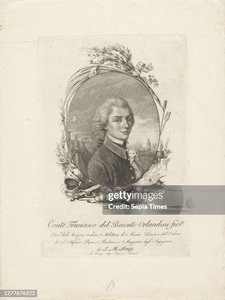
francesco orlandi da bologna
1725 - 1804 , Italy
Основные сведения
- Artistic Movement Or Style: Architectural Painting & Ornamentation
- Artists Or Movements Influenced By This Artist: ['Classical Art']
- Artists Who Influenced This Artist:
- Francesco Francia
- Giunta Pisano
- Date Of Birth: 1725
- Full Name: Francesco Orlandi da Bologna
- Nationality: Italian
- Notable Artworks:
- Magnificent atrium
- Magnificent central plan atrium
- Place Of Birth: Bologna, Italy