

 Предпросмотр
 Поделиться
 Поделиться
 Детали произведения

 Скачать
 Похожие работы
 Рентгенография
 Слайд-шоу
 Статистика
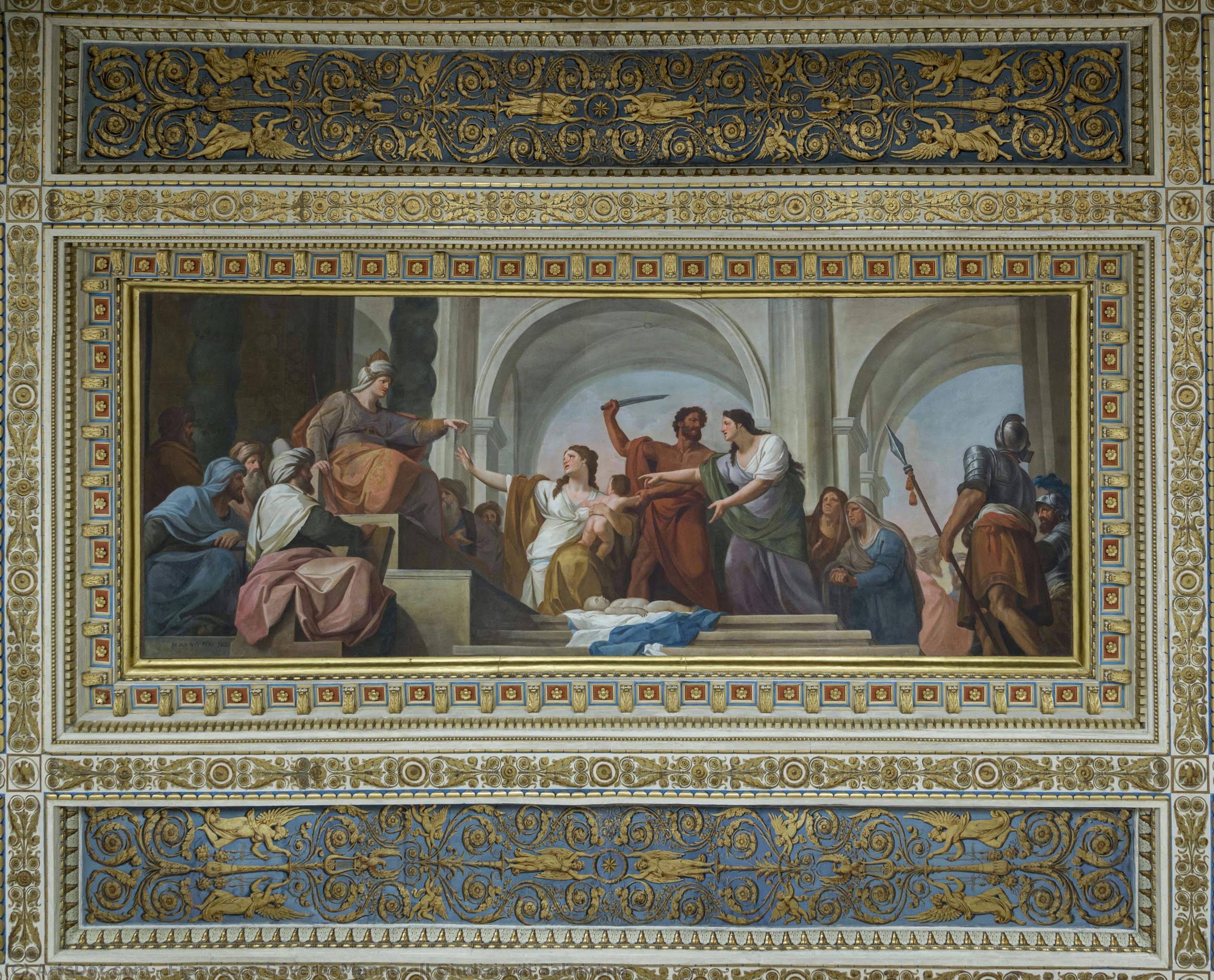
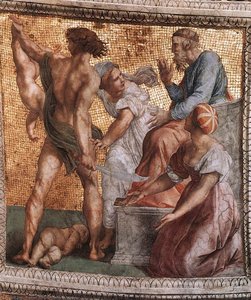
Il Giudizio di Salomone


 Читать далее
Масляная репродукция ручной работы
Картина маслом на холсте в выбранном вами размере и раме, написанная на заказ нашими художниками. ( Перейти к печати Перейти к цифровым изображениям)




P118B $10

P118H $10

P118W $10

P438Z $10

P508JH $12

P508YH $12

P805H $10

P805Z $10

P919BZ $10

P919G $10

P919XJ $10

P959ZH $10

P968JZ $12

W106C $8

W218G $10

W218JH $8

W218Y $10

W307PJ $10

W316G $10

W316PJ $8

W316Y $10

W398PJ $8

W4111J $10

W500HY $15

W500JH $15

W692G $12

W849H $8

W940BG $15

W953PJ $8

Выберите один из наших стандартных размеров, соответствующих оригинальным пропорциям произведения искусства.

Вы можете указать собственные размеры, чтобы картина идеально вписалась в выбранную раму или пространство. Если выбранный вами размер не соответствует пропорциям оригинала, мы либо обрежем полотно, либо расширим его за счет дополнительных элементов, написанных вручную. Цифровой макет будет отправлен вам на утверждение перед началом производства.
Обратите внимание, что предварительный просмотр на экране не отражает фактическую обрезку или расширение. Только макет точно покажет окончательную композицию.
Хотя доступны индивидуальные размеры, мы рекомендуем выбирать вариант из предопределенного списка, чтобы сохранить исходные пропорции.
После оформления заказа команда ArtsDot.com свяжется с клиентом по электронной почте для уточнения деталей и предоставит предварительный макет
Доставка по всему миру () за 3–4 недели вместо стандартных 5 недель. (13 Сентябрь). Без компромиссов в качестве.

Бесплатная экспресс-доставка по всему миру

Высококачественный льняной холст

Полное страхование доставки

Гарантия возмещения таможенных пошлин

Гарантия точного соответствия цветов

100-дневная политика возврата (только при обнаружении дефектов)

Гарантия возврата 100% средств

Предложение оптовых скидок
 Вариант со стеклом доступен только для размеров менее 110 см

Il Giudizio di Salomone
Техника репродукции
Размер репродукции
-


Итоговая стоимость
$ 263
The Dramatic Justice of Solomon: A Neoclassical Masterpiece
Francesco Saverio Manno’s “Il Giudizio di Salomone,” painted in 1864, is more than just a depiction of a biblical story; it's a potent exploration of justice, mercy, and the human condition rendered with the meticulous detail characteristic of the Neoclassical style. This large fresco, likely intended for a private chapel or significant public space, immediately commands attention with its opulent setting – an ornate background ablaze with gold trim that elevates the scene to a realm of divine authority. Manno’s skill as a former goldsmith is evident in every shimmering surface and precisely rendered drapery, reflecting his deep understanding of texture and material value, a hallmark of his artistic approach.
- Subject Matter: The painting vividly portrays the biblical narrative of King Solomon's judgment of two young men accused of adultery. This dramatic scene, rooted in the wisdom and righteousness attributed to Solomon, serves as a powerful allegory for moral discernment and the consequences of wrongdoing.
- Style & Technique: Manno’s work firmly establishes him within the Neoclassical tradition, inherited from his influential mentors Batoni and Preziado de la Vega. He employs a restrained palette dominated by earthy tones – ochres, browns, and creams – punctuated by vibrant reds and blues used for emphasis, particularly in the clothing of the figures. The application of paint is remarkably smooth and polished, demonstrating a mastery of *sfumato* (a technique developed by Leonardo da Vinci) to create subtle gradations of light and shadow, adding depth and realism to the composition.
A Window into 19th-Century Rome
Created in 1864, “Il Giudizio di Salomone” reflects the artistic climate of Rome during the mid-19th century – a period marked by a renewed interest in classical antiquity and a desire to create works that were both aesthetically pleasing and morally instructive. The fresco’s grandeur speaks to the era's fascination with monumental art, often commissioned for religious or civic purposes. Manno’s career coincided with a flourishing of artistic activity in Rome, fueled by papal patronage and the influx of artists seeking inspiration from the city’s rich historical heritage. His work stands as a testament to this vibrant creative environment.
- Historical Context: The painting aligns with the broader trend of Neoclassical art's emphasis on order, reason, and moral virtue – values championed by Enlightenment thinkers.
- Commission & Patronage: While the exact commission remains unknown, it’s plausible that this piece was created for a wealthy Catholic family or an institution seeking to project an image of piety and authority.
Symbolism and Emotional Resonance
Beyond its narrative content, “Il Giudizio di Salomone” is rich in symbolic meaning. The central figure, the man holding the sword, represents justice – a force both impartial and potentially destructive. His stern expression and commanding posture underscore the gravity of the situation. Conversely, the other figures embody mercy and compassion, offering a contrasting perspective on Solomon’s judgment. The overall composition evokes a sense of dramatic tension and moral complexity, inviting viewers to contemplate the nature of fairness, forgiveness, and the ultimate consequences of human actions. Manno skillfully uses light and shadow to heighten this emotional impact, drawing the eye to key figures and emphasizing their expressions.
Recreating the Masterpiece – A Hand-Painted Reproduction
ArtsDot offers a meticulously crafted hand-painted reproduction of “Il Giudizio di Salomone,” capturing the essence of Manno’s original fresco with unparalleled fidelity. Each reproduction is created by skilled artisans using traditional techniques, ensuring that every brushstroke and detail faithfully reflects the artist's vision. This isn’t merely a print; it’s a timeless work of art reborn, perfect for adorning grand halls, private studies, or as a captivating conversation piece. Bring the dramatic justice of Solomon into your space with this exceptional reproduction.
Похожие произведения
Биография художника
Francesco Saverio Manno: A Neoclassical Vision of Rome
Francesco Saverio Manno (1754-1831) emerged from the vibrant artistic landscape of Palermo, Italy, to become a significant figure in 18th and early 19th century Roman art. Initially trained as a goldsmith – a craft that instilled an appreciation for detail and precious materials – Manno’s innate talent led him towards painting, ultimately shaping his distinctive neoclassical style. His journey began with apprenticeships under the esteemed Pompeo Batoni and Francesco Preziado de la Vega, absorbing the classical influences that would become cornerstones of his artistic practice. Moving to Rome in 1786, he quickly established himself as a versatile artist, contributing not only to paintings but also venturing into architecture, leaving an indelible mark on the city’s grandest structures.Early Career and Accademia Membership
Manno's early career was marked by dedication and recognition within Rome’s artistic circles. He diligently served as the secretary of the prestigious Accademia di San Luca, a hub for artistic innovation and debate, demonstrating his commitment to scholarly pursuits alongside creative endeavors. His membership in the Accademia dei Virtuosi del Pantheon in 1794 further solidified his position amongst Rome's leading artists and intellectuals. This period witnessed the development of his signature style – characterized by harmonious proportions, meticulous detail, and a profound respect for classical forms. The patronage of Pope Pius VI proved particularly crucial, culminating in Manno’s appointment as Painter of the Sacred Apostolic Buildings in 1800, a role that afforded him access to some of Rome's most important commissions.Notable Works: Frescoes and Architectural Designs
Manno’s artistic legacy is powerfully represented by his monumental frescoes, which adorn several iconic Roman buildings. The Palazzo Altieri boasts stunning overdoor panels depicting “Descent of the Cross,” while the Quirinal Palace showcases a breathtaking ceiling fresco in the Sala degli Ambasciatori, vividly illustrating the Judgement of Solomon with flanking allegorical tondi. His work at San Lorenzo in Lucina celebrates the canonization of Saint Francis Caracciolo, and his contributions to the Palazzo Arcivescovile, Monreale, are equally impressive, featuring intricate frescoes within its chambers. Beyond fresco painting, Manno’s architectural designs, notably for the Palazzo Altieri and the Quirinal Palace, demonstrate a masterful command of classical principles, reflecting a deep understanding of Roman architecture and aesthetics.Artistic Style and Influences
Manno's artistic style is firmly rooted in Neoclassicism, an aesthetic movement that sought to revive the ideals of ancient Greece and Rome. His paintings are imbued with a sense of order, balance, and clarity, reflecting a deliberate attempt to emulate the grandeur and serenity of classical art. The influence of Batoni and Preziado de la Vega is evident in his use of light, color, and composition, yet Manno developed a unique voice within this tradition. His meticulous attention to detail – particularly in rendering drapery, facial expressions, and architectural elements – elevates his work beyond mere imitation, imbuing it with a palpable sense of realism and emotional depth. The works of artists like Caravaggio, whose dramatic use of light and shadow informed Manno’s approach, also subtly shaped his style.Legacy and Collections
Francesco Saverio Manno's impact on Italian art extends beyond his individual masterpieces. He played a significant role in shaping the development of Neoclassicism in Italy, providing a vital link between the Baroque era and the Romantic movement. His architectural designs contributed to the visual identity of Rome’s most important buildings, while his paintings continue to inspire admiration for their beauty and technical skill. His work is now housed in various museums and collections across Europe, including the National Museum of Fine Arts in La Valletta, Malta, and can be explored further through resources like ArtsDot.com and Wikipedia. The Palumbo-fossati collection in Venice offers a valuable opportunity to view a selection of his paintings, alongside works by other notable artists such as Thomas Moran, William James Glackens, and Gilbert Munger. Manno’s legacy endures as a testament to the power of classical ideals and the enduring appeal of Neoclassical art.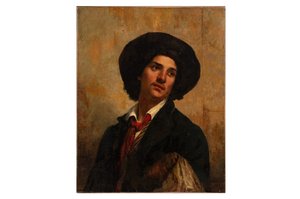
francesco saverio manno
1752 - 1831 , Italy
Основные сведения
- Artistic Movement Or Style: Neoclassical
- Artists Or Movements Influenced By This Artist: ['Neoclassical art']
- Artists Who Influenced This Artist:
- Pompeo Batoni
- Francesco Preziado de la Vega
- Date Of Birth: 1754 Palermo, Italy
- Date Of Death: 1831
- Full Name: Francesco Saverio Manno
- Nationality: Italian
- Notable Artworks:
- Santi Apostoli
- Palazzo Altieri
- San Lorenzo in Lucina
- Quirinal Palace
- Santi Vincenzo e Anastasio a Trevi
- Palazzo Arcivescovile, Monreale
- Place Of Birth: Palermo, Italy
Похожие статьи

Фреска как Семейное Наследие: Сохранение Истории в Искусстве Стен
Узнайте о фресках как семейном наследии! История, техника создания, реставрация и сохранение. Экспертные советы и вдохновение для вашего дома. .
The Enduring Legacy of Fresco: Technique, History & Artistic Expression Across Cultures
Explore the rich history & enduring legacy of fresco painting! Discover ancient techniques, Giotto's masterpieces, and modern applications. Expert insights for art lovers & professionals.

Искусство, живущее с вами: эмоциональная сила индивидуальной интерьерной фрески
Узнайте о фресках в интерьере: история, технологии, выбор и уход. Создайте уникальный дизайн с экспертами! Качество и индивидуальный подход гарантированы.

The Enduring Legacy of Fresco Painting: Techniques, History & Contemporary Relevance
Explore the rich history & enduring artistry of fresco painting – from Giotto to Michelangelo! Discover techniques, conservation efforts, & modern applications. Learn how ArtsDot brings this timeless art form to your home.
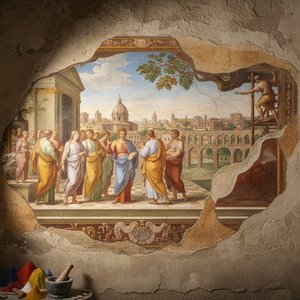
The Enduring Legacy of Fresco: Technique, History & Artistic Expression
Explore the rich history & enduring artistry of fresco painting. Discover techniques from Giotto to Michelangelo, conservation efforts, & modern applications. Learn how ArtsDot brings this timeless art form to your home.