

 Предпросмотр
 Поделиться
 Поделиться
 Детали произведения

 Скачать
 Похожие работы
 Рентгенография
 Слайд-шоу
 Статистика
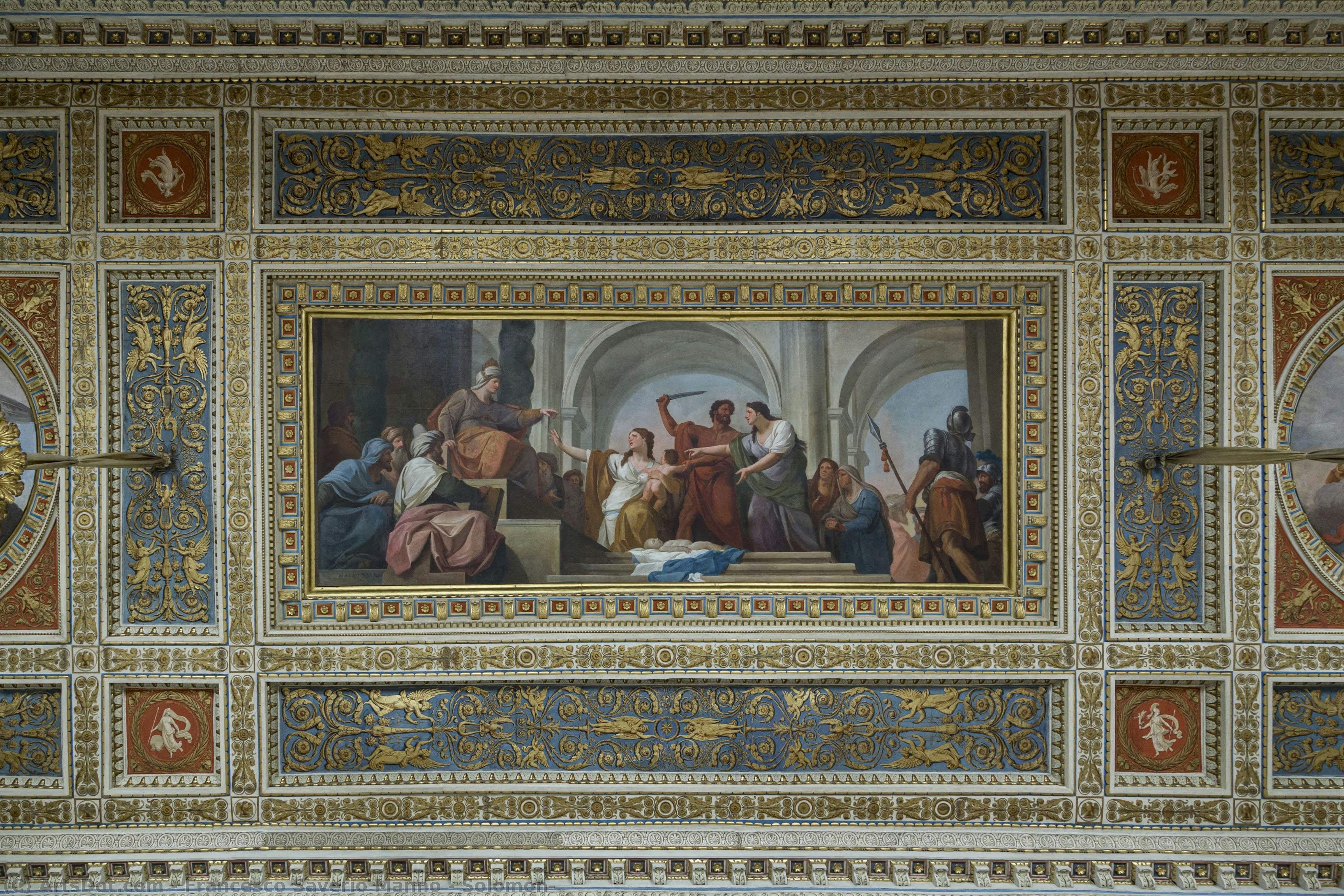
Solomon


 Читать далее
Приобретите цифровое изображение высокого разрешения в улучшенном качестве, которое значительно превосходит онлайн-превью.
Каждый файл тщательно подготавливается нашими специалистами с использованием передовых инструментов и экспертной ручной ретуши. Мы гарантируем исключительную четкость, точную цветопередачу и детальную проработку каждого изображения.
Финальный файл доставляется по электронной почте в течение 72 часов и оптимизирован для немедленного использования в профессиональной среде, при верстке и печати. Это тот же уровень качества, которому доверяют ведущие дизайнерские студии, издательства и галереи.
Цифровое изображение
Скачайте файл высокого разрешения для личного использования, печати и творческих проектов. ( Перейти к печати Купить картину ручной работы)
Включено в каждый заказ цифровых изображений
Гарантия экспертной цифровой доставки
Выбирая ArtsDot.com, вы получаете не просто изображение — вы приобретаете профессионально обработанное цифровое произведение искусства, созданное с безупречной точностью и под защитой гарантии качества. Вот всё, что автоматически входит в ваш заказ:

Мгновенная доставка по e-mail
Ваш цифровой файл в высоком разрешении будет отправлен вам по электронной почте в течение 72 часов после оформления заказа — и сразу станет доступен для использования.

Цифровой файл с ИИ-улучшением
Ваше произведение искусства проходит профессиональную оптимизацию с использованием передовых инструментов ИИ и ручной обработки, что гарантирует максимальную детализацию, четкость и точность цветопередачи.

Бессрочная бесплатная повторная доставка
Случайно удалили или потеряли файл? Не беспокойтесь — мы отправим его вам повторно в любое время и совершенно бесплатно.

Без импортных пошлин — навсегда
Наслаждайтесь вашим произведением искусства мгновенно без таможенных пошлин, сборов или затрат на доставку — цифровые загрузки всегда не облагаются налогом.

Гарантия точности цветопередачи
Мы гарантируем, что ваше цифровое изображение максимально точно передает оригинальные цвета благодаря использованию профессиональных инструментов и систем управления цветом.

Гарантия удовлетворенности 100 дней
Если вы не будете удовлетворены своим цифровым изображением, мы внесем правки или вернем 100% стоимости в течение 100 дней — без лишних вопросов.

100% Гарантия возврата средств
Не удовлетворены покупкой? Получите полный возврат средств в течение 100 дней после получения цифрового файла — без лишних вопросов.

Скидки на оптовые заказы
Купите 3 изображения, сэкономьте 10% — Купите 5, сэкономьте 15% — Купите 10+, сэкономьте 20%. Отличное решение для творческих проектов, галерей и агентств.
Похожие произведения





Биография художника
Francesco Saverio Manno: A Neoclassical Vision of Rome
Francesco Saverio Manno (1754-1831) emerged from the vibrant artistic landscape of Palermo, Italy, to become a significant figure in 18th and early 19th century Roman art. Initially trained as a goldsmith – a craft that instilled an appreciation for detail and precious materials – Manno’s innate talent led him towards painting, ultimately shaping his distinctive neoclassical style. His journey began with apprenticeships under the esteemed Pompeo Batoni and Francesco Preziado de la Vega, absorbing the classical influences that would become cornerstones of his artistic practice. Moving to Rome in 1786, he quickly established himself as a versatile artist, contributing not only to paintings but also venturing into architecture, leaving an indelible mark on the city’s grandest structures.Early Career and Accademia Membership
Manno's early career was marked by dedication and recognition within Rome’s artistic circles. He diligently served as the secretary of the prestigious Accademia di San Luca, a hub for artistic innovation and debate, demonstrating his commitment to scholarly pursuits alongside creative endeavors. His membership in the Accademia dei Virtuosi del Pantheon in 1794 further solidified his position amongst Rome's leading artists and intellectuals. This period witnessed the development of his signature style – characterized by harmonious proportions, meticulous detail, and a profound respect for classical forms. The patronage of Pope Pius VI proved particularly crucial, culminating in Manno’s appointment as Painter of the Sacred Apostolic Buildings in 1800, a role that afforded him access to some of Rome's most important commissions.Notable Works: Frescoes and Architectural Designs
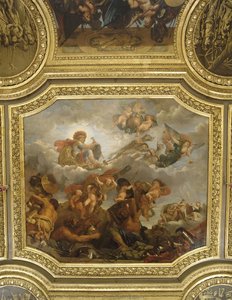
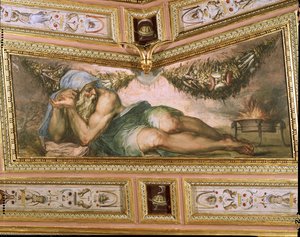
Manno’s artistic legacy is powerfully represented by his monumental frescoes, which adorn several iconic Roman buildings. The Palazzo Altieri boasts stunning overdoor panels depicting “Descent of the Cross,” while the Quirinal Palace showcases a breathtaking ceiling fresco in the Sala degli Ambasciatori, vividly illustrating the Judgement of Solomon with flanking allegorical tondi. His work at San Lorenzo in Lucina celebrates the canonization of Saint Francis Caracciolo, and his contributions to the Palazzo Arcivescovile, Monreale, are equally impressive, featuring intricate frescoes within its chambers. Beyond fresco painting, Manno’s architectural designs, notably for the Palazzo Altieri and the Quirinal Palace, demonstrate a masterful command of classical principles, reflecting a deep understanding of Roman architecture and aesthetics.Artistic Style and Influences
Manno's artistic style is firmly rooted in Neoclassicism, an aesthetic movement that sought to revive the ideals of ancient Greece and Rome. His paintings are imbued with a sense of order, balance, and clarity, reflecting a deliberate attempt to emulate the grandeur and serenity of classical art. The influence of Batoni and Preziado de la Vega is evident in his use of light, color, and composition, yet Manno developed a unique voice within this tradition. His meticulous attention to detail – particularly in rendering drapery, facial expressions, and architectural elements – elevates his work beyond mere imitation, imbuing it with a palpable sense of realism and emotional depth. The works of artists like Caravaggio, whose dramatic use of light and shadow informed Manno’s approach, also subtly shaped his style.Legacy and Collections
Francesco Saverio Manno's impact on Italian art extends beyond his individual masterpieces. He played a significant role in shaping the development of Neoclassicism in Italy, providing a vital link between the Baroque era and the Romantic movement. His architectural designs contributed to the visual identity of Rome’s most important buildings, while his paintings continue to inspire admiration for their beauty and technical skill. His work is now housed in various museums and collections across Europe, including the National Museum of Fine Arts in La Valletta, Malta, and can be explored further through resources like ArtsDot.com and Wikipedia. The Palumbo-fossati collection in Venice offers a valuable opportunity to view a selection of his paintings, alongside works by other notable artists such as Thomas Moran, William James Glackens, and Gilbert Munger. Manno’s legacy endures as a testament to the power of classical ideals and the enduring appeal of Neoclassical art.
francesco saverio manno
1752 - 1831 , Italy
Основные сведения
- Artistic Movement Or Style: Neoclassical
- Artists Or Movements Influenced By This Artist: ['Neoclassical art']
- Artists Who Influenced This Artist:
- Pompeo Batoni
- Francesco Preziado de la Vega
- Date Of Birth: 1754 Palermo, Italy
- Date Of Death: 1831
- Full Name: Francesco Saverio Manno
- Nationality: Italian
- Notable Artworks:
- Santi Apostoli
- Palazzo Altieri
- San Lorenzo in Lucina
- Quirinal Palace
- Santi Vincenzo e Anastasio a Trevi
- Palazzo Arcivescovile, Monreale
- Place Of Birth: Palermo, Italy