

 Предпросмотр
 Поделиться
 Поделиться
 Детали произведения

 Скачать
 Похожие работы
 Рентгенография
 Слайд-шоу
 Статистика
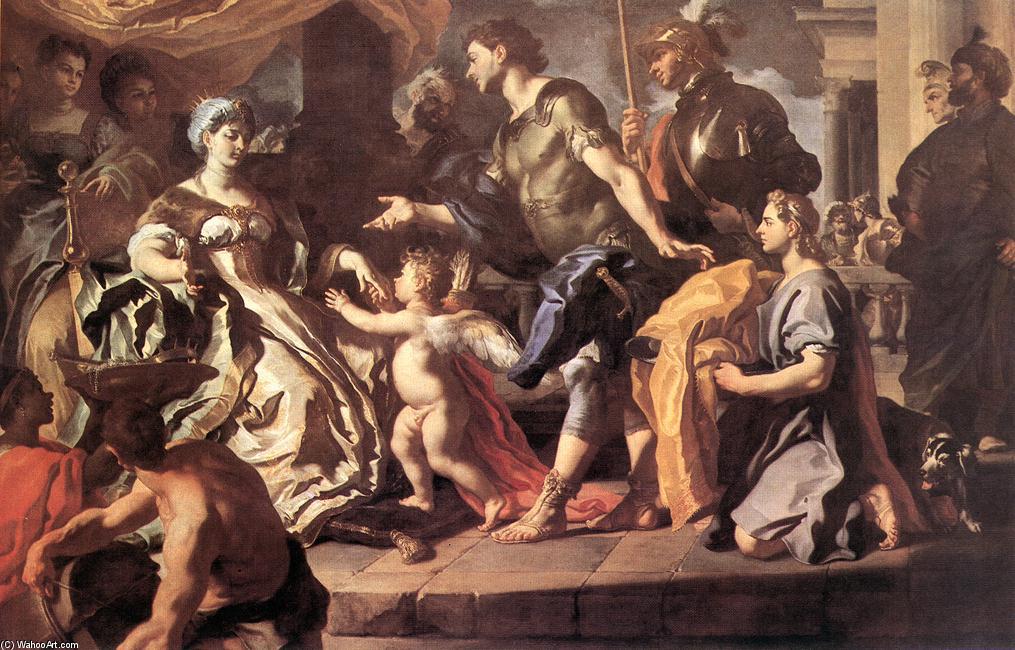
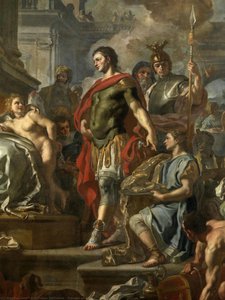
Dido Receiving Aeneas and Cupid Disguised as Ascanius
 Oil On Canvas
- WallArt
- Baroque Grandeur
 1720
1720 207.0 x 310.0 cm
 Национальная галерея
 Читать далее
Масляная репродукция ручной работы
Картина маслом на холсте в выбранном вами размере и раме, написанная на заказ нашими художниками. ( Перейти к печати Перейти к цифровым изображениям)




P118B $10

P118H $10

P118W $10

P438Z $10

P508JH $12

P508YH $12

P805H $10

P805Z $10

P919BZ $10

P919G $10

P919XJ $10

P959ZH $10

P968JZ $12

W106C $8

W218G $10

W218JH $8

W218Y $10

W307PJ $10

W316G $10

W316PJ $8

W316Y $10

W398PJ $8

W4111J $10

W500HY $15

W500JH $15

W692G $12

W849H $8

W940BG $15

W953PJ $8




Выберите один из наших стандартных размеров, соответствующих оригинальным пропорциям произведения искусства.

Вы можете указать собственные размеры, чтобы картина идеально вписалась в выбранную раму или пространство. Если выбранный вами размер не соответствует пропорциям оригинала, мы либо обрежем полотно, либо расширим его за счет дополнительных элементов, написанных вручную. Цифровой макет будет отправлен вам на утверждение перед началом производства.
Обратите внимание, что предварительный просмотр на экране не отражает фактическую обрезку или расширение. Только макет точно покажет окончательную композицию.
Хотя доступны индивидуальные размеры, мы рекомендуем выбирать вариант из предопределенного списка, чтобы сохранить исходные пропорции.
После оформления заказа команда ArtsDot.com свяжется с клиентом по электронной почте для уточнения деталей и предоставит предварительный макет
Доставка по всему миру () за 3–4 недели вместо стандартных 5 недель. (10 Сентябрь). Без компромиссов в качестве.

Бесплатная экспресс-доставка по всему миру

Высококачественный льняной холст

Полное страхование доставки

Гарантия возмещения таможенных пошлин

Гарантия точного соответствия цветов

100-дневная политика возврата (только при обнаружении дефектов)

Гарантия возврата 100% средств

Предложение оптовых скидок
 Вариант со стеклом доступен только для размеров менее 110 см

Dido Receiving Aeneas and Cupid Disguised as Ascanius
Техника репродукции
Размер репродукции
-


Итоговая стоимость
$ 263
A Dramatic Encounter: Unveiling Solimena’s “Dido Receiving Aeneas and Cupid Disguised as Ascanius”
Francesco Solimena's "Dido Receiving Aeneas and Cupid Disguised as Ascanius," painted around 1720, is more than just a depiction of a pivotal moment in Virgil’s *Aeneid*; it’s a masterclass in Baroque drama, light, and the potent allure of unrequited love. The canvas explodes with theatricality, transporting the viewer to the opulent court of Queen Dido of Carthage, where a fateful encounter is about to unfold. Solimena, a leading figure in Naples' vibrant artistic scene during the late 17th and early 18th centuries, expertly blends classical mythology with his signature dramatic flair, creating an image that resonates with both historical significance and timeless emotional depth.
The painting immediately commands attention through its monumental scale – measuring a substantial 207 x 310 cm. Solimena’s composition is meticulously staged, reminiscent of the grand opera performances popular at the time. The scene unfolds within a richly appointed interior, bathed in a dramatic interplay of light and shadow—a hallmark of Solimena's technique. He masterfully employs *chiaroscuro*, using pools of intense illumination to highlight key figures while leaving other elements shrouded in darkness, intensifying the sense of mystery and intrigue. The vibrant reds and golds of Dido’s garments contrast sharply with the cooler tones of the surrounding figures, further emphasizing her central importance within the narrative.
The Mythic Core: Aeneas, Cupid, and the Seeds of Love
At the heart of the composition stands Queen Dido, a figure of regal beauty and profound sorrow. She’s poised in anticipation, seemingly oblivious to the approaching figures, her gaze fixed on the disguised Cupid – rendered as a youthful Ascanius, a son of Venus. The young boy, with his cherubic features and playful demeanor, is undeniably captivating, yet it's clear that he represents not just a potential lover but also a catalyst for Dido’s heartbreak. Aeneas, clad in gleaming armor and bearing the weight of destiny, extends a hand in greeting, symbolizing the promise of a new era—one that will ultimately be overshadowed by unfulfilled desire.
Solimena doesn't simply depict the arrival of Cupid; he captures the *moment* of potential connection. The subtle gestures – Dido’s hesitant turn towards the boy, Aeneas’ outstretched hand – speak volumes about the complex emotions at play. The inclusion of the horses and attendants adds to the scene’s dynamism, suggesting a courtly gathering filled with intrigue and expectation. The painting is rich in symbolism; Cupid's arrows represent the swiftness and power of love, while Dido’s initial indifference highlights the tragic nature of her fate.
A Neapolitan Master at Work: Solimena’s Artistic Legacy
Francesco Solimena (1657-1747) was a pivotal figure in the artistic landscape of Naples, inheriting and expanding upon the traditions established by his father, Angelo Solimena. His early training under his father instilled a deep appreciation for naturalism and dramatic lighting, which he later refined through studies with other prominent Neapolitan artists. Solimena’s work is characterized by its emotional intensity, masterful use of color, and dynamic compositions—qualities that cemented his reputation as one of the most influential painters of his era. His ability to seamlessly blend classical mythology with Baroque theatricality resulted in works that continue to captivate audiences centuries later.
Beyond this particular painting, Solimena’s oeuvre encompasses a vast range of subjects—religious scenes, portraits, and mythological narratives—all executed with the same meticulous attention to detail and dramatic flair. His legacy extends beyond his individual masterpieces; he also trained numerous students who went on to become accomplished artists in their own right, ensuring that his artistic influence would endure for generations.
A Timeless Narrative: Reproduction and Interpretation
“Dido Receiving Aeneas and Cupid Disguised as Ascanius” is a powerful testament to the enduring appeal of classical mythology and the complexities of human emotion. Reproductions of this iconic painting offer an exceptional opportunity to bring this dramatic scene into your home or office, adding a touch of Baroque grandeur and timeless beauty to any space. Consider framing it in a classic style that complements its rich colors and theatrical composition. The image’s evocative power invites contemplation on themes of love, loss, destiny, and the enduring allure of the past.
Похожие произведения


Биография художника
A Neapolitan Master of Baroque Grandeur
Francesco Solimena, born in the small Italian town of Canale di Serino near Avellino in 1657, emerged as one of the most significant figures in Neapolitan painting during the late Baroque period. His artistic journey began within a family already steeped in artistic tradition; his father, Angelo Solimena, served as his initial instructor, collaborating with him on early projects like the Paradise fresco for the cathedral of Nocera. This foundational experience instilled in young Francesco a deep appreciation for technique and composition – an understanding that would profoundly shape his later work. He further honed his skills under the tutelage of Francesco di Maria and Giacomo del Po, absorbing diverse influences from across Italy, particularly those emanating from Rome and Venice. The patronage of Cardinal Vincenzo Orsini proved crucial, providing encouragement and opportunities that allowed Solimena to establish himself as an independent artist by the 1680s, undertaking increasingly ambitious fresco commissions for prominent churches and palaces throughout Naples.Forging a Style: Echoes of Rome in Neapolitan Splendor
Solimena’s artistic voice is immediately recognizable through its distinctive qualities – a warm, brownish shadowing combined with a dramatic use of light. These elements are deeply indebted to the Roman Baroque masters, particularly Luca Giordano and Giovanni Lanfranco, whose techniques he meticulously studied and adapted. However, Solimena didn't merely imitate; instead, he synthesized these influences into a uniquely Neapolitan aesthetic – a style that retained the grandeur and theatricality characteristic of the Baroque period while simultaneously incorporating local traditions and sensibilities. His paintings are characterized by dynamic compositions brimming with emotional intensity, reflecting the spirit of the age. He possessed an exceptional ability to capture movement and drama within his scenes, drawing viewers directly into the narratives he depicted—whether they were sacred tales or mythological adventures. The influence of Mattia Preti, known for his dramatic lighting and intense color palettes, is also evident in Solimena’s work, adding another layer of complexity to his artistic vocabulary.The Workshop and a School of Artists
From the 1690s onward, Solimena's studio became a dominant force in Naples, shaping the artistic landscape of the city for decades. It wasn’t just a place of production; it was a veritable academy, nurturing a generation of talented painters. His workshop churned out an astonishing volume of work – altarpieces, frescoes, and canvases that adorned churches, palaces, and private residences throughout the region. A key characteristic of his compositional approach involved suggesting settings with minimal detail—a few strategically placed steps, archways, or balustrades—allowing the viewer’s eye to be drawn directly to the figures within the scene and their richly detailed draperies. These draperies were often illuminated by carefully positioned light sources, creating a sense of drama and highlighting the figures' emotional states. The influence of Solimena extended far beyond his own artistic creations; he mentored numerous pupils who went on to become prominent artists in their own right – including Francesco de Mura, Giuseppe Bonito, Pietro Capelli, and Corrado Giaquinto—solidifying his position as a central figure in 18th-century Italian art.Major Works and Artistic Themes
Francesco Solimena’s artistic output spanned a wide range of subjects and formats. He excelled in large-scale fresco cycles, transforming the interiors of Neapolitan churches and palaces into vibrant displays of religious fervor and aristocratic splendor. His altarpieces are particularly noteworthy for their ability to convey complex theological narratives with both emotional depth and technical brilliance. Beyond his religious works, Solimena also demonstrated a mastery of mythological scenes, imbuing classical tales with dramatic energy and sensuous beauty. Among his most celebrated pieces is the *Allegory of Rule*, currently housed in the State Hermitage Museum in St. Petersburg – a testament to his skill in allegorical representation and sophisticated composition. His depictions of weddings and courtly events further showcase his versatility, capturing the elegance and opulence of Neapolitan society. Works like “St John the Baptist” and “The Assumption and Coronation of the Virgin” exemplify his mastery of chiaroscuro and dynamic compositions.Legacy and Historical Significance
Francesco Solimena’s impact extended far beyond his own artistic creations. He achieved considerable financial prosperity during his lifetime, being bestowed with the title of baron and living a life commensurate with his fame. He died in 1747 at Barra, near Naples, leaving behind an enduring legacy that continues to be celebrated through exhibitions, scholarly studies, and reproductions available today. Solimena stands as one of the most important figures in Neapolitan Baroque painting, successfully synthesizing Roman influences with local traditions to create a distinctive style that defined artistic production in Naples for generations. His works remain admired for their dramatic flair, technical mastery, and enduring beauty – a testament to his genius and lasting contribution to art history.
Франческо Солимена
1657 - 1747 , Италия
Основные сведения
- Artistic Movement Or Style: Барокко
- Artists Or Movements Influenced By This Artist:
- Франческо де Мура
- Жозе де Рибера
- Artists Who Influenced This Artist:
- Лука Джордано
- Джованни Лафранкьо
- Date Of Birth: 4 октября 1657 г.
- Date Of Death: 3 апреля 1747 г.
- Full Name: Francesco Solimena
- Nationality: Итальянский
- Notable Artworks:
- Аллегория власти
- Фрески Неаполя
- Святой Иоанн Креститель
- Place Of Birth: Канале ди Серино, Италия
Похожие статьи
Echoes of Olympus: Mythological Narratives in Western Art Through the Ages
Explore the captivating history of mythological narratives in Western art! From ancient Greece to modern masterpieces, discover iconic artworks & symbolism. Expert analysis and high-quality reproductions at ArtsDot.

10 Шедевров Барокко: Искусство, изменившее мир | ArtsDot.com
Погрузитесь в мир барокко! 10 шедевров Караваджо, Рембрандта и других великих художников. Узнайте историю создания культовых картин и найдите идеальную репродукцию для вашего интерьера на ArtsDot.com
Pietro da Cortona: Baroque Grandeur & the Synthesis of Roman Painting
Explore the life & masterpieces of Pietro da Cortona, a defining figure of the Italian Baroque. Discover his stunning frescoes at Palazzo Barberini and lasting influence on Roman art history. Learn more with ArtsDot.

Барочная драма: Искусство величия в современном интерьере
Погрузитесь в мир роскоши и величия барокко! Узнайте об истории стиля, ключевых элементах интерьера и архитектуре. Вдохновляйтесь с и создайте свой неповторимый дизайн.

The Dramatic Flourish: Exploring the Baroque Movement's Enduring Legacy in Art History
Explore the dramatic world of Baroque art! Discover iconic artists like Caravaggio & Rubens, defining techniques, and its lasting impact on art history. Expert insights for collectors & enthusiasts at ArtsDot.