


 Предпросмотр
 Поделиться
 Поделиться
 Детали произведения

 Скачать
 Похожие работы
 Рентгенография
 Слайд-шоу
 Статистика
Bois de la Brigade de Marine, Belleau Wood


 Читать далее
Приобретите цифровое изображение высокого разрешения в улучшенном качестве, которое значительно превосходит онлайн-превью.
Каждый файл тщательно подготавливается нашими специалистами с использованием передовых инструментов и экспертной ручной ретуши. Мы гарантируем исключительную четкость, точную цветопередачу и детальную проработку каждого изображения.
Финальный файл доставляется по электронной почте в течение 72 часов и оптимизирован для немедленного использования в профессиональной среде, при верстке и печати. Это тот же уровень качества, которому доверяют ведущие дизайнерские студии, издательства и галереи.
Цифровое изображение
Скачайте файл высокого разрешения для личного использования, печати и творческих проектов. ( Перейти к печати Купить картину ручной работы)
Включено в каждый заказ цифровых изображений
Гарантия экспертной цифровой доставки
Выбирая ArtsDot.com, вы получаете не просто изображение — вы приобретаете профессионально обработанное цифровое произведение искусства, созданное с безупречной точностью и под защитой гарантии качества. Вот всё, что автоматически входит в ваш заказ:

Мгновенная доставка по e-mail
Ваш цифровой файл в высоком разрешении будет отправлен вам по электронной почте в течение 72 часов после оформления заказа — и сразу станет доступен для использования.

Цифровой файл с ИИ-улучшением
Ваше произведение искусства проходит профессиональную оптимизацию с использованием передовых инструментов ИИ и ручной обработки, что гарантирует максимальную детализацию, четкость и точность цветопередачи.

Бессрочная бесплатная повторная доставка
Случайно удалили или потеряли файл? Не беспокойтесь — мы отправим его вам повторно в любое время и совершенно бесплатно.

Без импортных пошлин — навсегда
Наслаждайтесь вашим произведением искусства мгновенно без таможенных пошлин, сборов или затрат на доставку — цифровые загрузки всегда не облагаются налогом.

Гарантия точности цветопередачи
Мы гарантируем, что ваше цифровое изображение максимально точно передает оригинальные цвета благодаря использованию профессиональных инструментов и систем управления цветом.

Гарантия удовлетворенности 100 дней
Если вы не будете удовлетворены своим цифровым изображением, мы внесем правки или вернем 100% стоимости в течение 100 дней — без лишних вопросов.

100% Гарантия возврата средств
Не удовлетворены покупкой? Получите полный возврат средств в течение 100 дней после получения цифрового файла — без лишних вопросов.

Скидки на оптовые заказы
Купите 3 изображения, сэкономьте 10% — Купите 5, сэкономьте 15% — Купите 10+, сэкономьте 20%. Отличное решение для творческих проектов, галерей и агентств.
A Tapestry Woven from Conflict and Remembrance
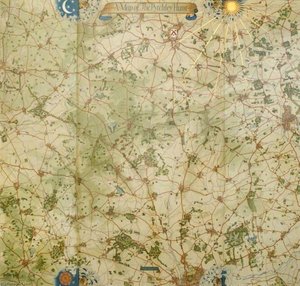
To gaze upon this depiction of Bois de la Brigade de Marine, Belleau Wood, is to step across the threshold of history itself. It is not merely a map rendered in paint; it is a monumental act of commemoration, a visual elegy painted over the scarred earth where valor was tested to its absolute limit. The air seems thick with the echoes of distant artillery and the hushed reverence for sacrifice. Barry Faulkner, the artist, did more than document geography; he captured the very spirit of service, transforming aerial surveys and personal sketches into a richly textured narrative that speaks volumes without uttering a single word.
The Palette of Memory: Technique and Tone
Faulkner’s masterful handling of earth tones dominates the composition, lending the entire piece an immediate sense of antiquity and profound weight. These muted ochres, deep siennas, and dusty greens do not merely suggest a battlefield; they evoke the patina of time itself—the passage of seasons over fields marked by extraordinary human endeavor. The technique employed blends cartographic precision with the immediacy of wartime sketching. One can almost feel the grit underfoot as the artist layered his vision, combining the objective reality of military mapping with the subjective emotional weight carried by those who survived to record it. The inclusion of small paintings at the lower edge serves not just as an artistic flourish, but as a poignant anchor, grounding the grand scope of the map in intimate moments of human experience.
Historical Resonance: Honoring the Marines
This work is inextricably linked to the memory of the American Expeditionary Forces during the Great War. Commissioned by Edward Robinson to honor the Marines at Belleau Wood, it carries the weight of national gratitude and personal sacrifice. The presence of figures—soldiers, officers, and even horses suggesting cavalry movements—populates the landscape with human drama. It is a testament to Phillips B. Robinson’s service and ultimate fate, transforming a specific patch of French woodland into an enduring monument to duty. For the collector or designer, owning this piece means curating not just decor, but a tangible connection to pivotal moments in modern military history.
Symbolism of Place and Perseverance
The map itself functions as a powerful symbol: the delineation of boundaries that were violently redrawn by human will. The wood, the "Bois," becomes a metaphor for resilience—the enduring spirit of those who fought there. Faulkner’s background, including his time in France and advocacy for camouflage, informs this symbolism; he understood how environment dictated survival. When placed within an interior space, it invites contemplation on themes of endurance, strategy, and the complex relationship between humanity and the landscape. It is a piece that demands quiet viewing, rewarding the observer with layers of historical context alongside its undeniable artistic merit.
Похожие произведения
Биография художника
Pablo Picasso: A Revolutionary of Color and Form
Pablo Picasso, a name synonymous with artistic innovation and boundless creativity, remains one of the most recognizable and influential figures in the history of art. Born in Málaga, Spain, on October 25, 1881, into a family steeped in artistic tradition – his father, José Ruiz y Blasco, was a respected art teacher and curator – Picasso’s journey was marked by relentless experimentation, profound personal experiences, and an unwavering commitment to pushing the boundaries of visual expression. His life wasn't simply about painting; it was a continuous dialogue with the world around him, reflected in a staggering output encompassing painting, sculpture, printmaking, ceramics, and stage design. More than just a painter, Picasso was a restless explorer, constantly absorbing influences from diverse cultures and artistic movements, ultimately forging his own unique and revolutionary style.
Early Years and Influences: Malaga and Barcelona
Picasso’s childhood in Málaga provided the foundation for his artistic development. His father instilled in him a love of art and technique, introducing him to classical masters like Velázquez and Goya. The family's frequent visits to the city’s museum fostered an early appreciation for art history, while his grandfather, a Genoese sailor, introduced him to the world of bullfighting – a recurring theme throughout Picasso’s career, imbued with both fascination and a sense of primal energy. However, it was in Barcelona, where his father took a teaching position in 1895, that Picasso truly began to develop his own distinctive voice. He enrolled at La Llotja School of Fine Arts, but found the rigid curriculum stifling. He quickly abandoned formal training, preferring to learn through observation and independent study, sketching pigeons in the streets and absorbing the vibrant atmosphere of the city’s bohemian quarter.
- Key Influences: Velázquez, Goya, classical sculpture, bullfighting, Iberian art
- Early Techniques: Sketching, drawing, watercolor
The Blue and Rose Periods: Emotional Landscapes
Picasso’s artistic development can be broadly categorized into distinct periods, each reflecting a particular mood, subject matter, and stylistic approach. The early 1900s witnessed the emergence of his “Blue Period” (roughly 1901-1904), characterized by somber tones—primarily blues and greens—and depictions of poverty, loneliness, and despair. This period was deeply influenced by the suicide of his friend, Carlos Casagemas, and a general sense of melancholy that permeated his life at the time. Following this introspective phase, Picasso entered the “Rose Period” (1904-1906), marked by warmer colors—pinks, oranges, and reds—and subjects related to circus performers, harlequins, and acrobats. This shift reflected a move towards a more optimistic outlook, though still tinged with underlying sadness.
- Blue Period: Themes of poverty, loneliness, despair; influenced by the death of Casagemas
- Rose Period: Circus performers, harlequins, acrobats; a shift towards optimism
Cubism and Beyond: Revolutionizing Representation
Picasso’s most groundbreaking contribution to art history arrived with the development of Cubism in collaboration with Georges Braque around 1907. Rejecting traditional notions of perspective and representation, Cubism sought to depict objects from multiple viewpoints simultaneously, fracturing forms into geometric shapes and presenting them on a flattened plane. Analytical Cubism (1908-1912) involved breaking down subjects into their basic components, using monochromatic colors and fragmented forms. Synthetic Cubism (1912 onwards) introduced collage elements – newspaper clippings, fabric scraps – adding texture and complexity to the compositions. Beyond Cubism, Picasso continued to experiment with a wide range of styles—Surrealism, Neoclassicism, Expressionism—demonstrating an unparalleled versatility and willingness to challenge artistic conventions.
- Cubism: Multiple viewpoints, geometric shapes, flattened planes
- Analytical Cubism: Monochromatic colors, fragmented forms
- Synthetic Cubism: Collage elements, texture, complexity
Guernica and Legacy: A Symbol of Protest and Enduring Influence
Perhaps Picasso’s most iconic work is *Guernica* (1937), a monumental black-and-white mural created in response to the bombing of the Basque town of Guernica during the Spanish Civil War. The painting, a searing indictment of violence and suffering, has become a universal symbol of anti-war sentiment and human tragedy. Throughout his long career, Picasso’s work consistently engaged with social and political issues, reflecting his deep concern for humanity and his commitment to using art as a means of protest. He died in Mougins, France, on April 8, 1973, leaving behind an unparalleled legacy that continues to inspire artists and captivate audiences worldwide. His influence can be seen across countless artistic disciplines, solidifying his position as one of the most important figures in modern art history.
Picasso’s work is held in major museums around the world, including the Museum of Modern Art (MoMA) in New York and the Tate Modern in London. His paintings continue to command record-breaking prices at auction, a testament to their enduring value and artistic significance.
Фрэнсис Барретт Фоулкнер
1881 - 1966 , Соединенные Штаты Америки
Основные сведения
- Artistic Movement Or Style:
- Кубизм
- Сюрреализм
- Artists Or Movements Influenced By This Artist:
- Брак
- Модернизм
- Artists Who Influenced This Artist:
- Сезанн
- Эль Греко
- африканское искусство
- Date Of Birth: 25 октября 1881 г.
- Date Of Death: 8 апреля 1973 г.
- Full Name: Пабло Диего Хосе Франсиско де Паула Хуан Непомусено Мария де лос Ремедиос Сиприано де ла Сантисима Тринидад Руис и Пикассо
- Nationality: Испанец
- Notable Artworks:
- Герника
- Авиньонские девицы
- Прекрасная женщина
- Place Of Birth: Малага, Испания