

 Предпросмотр
 Поделиться
 Поделиться
 Детали произведения

 Скачать
 Похожие работы
 Рентгенография
 Слайд-шоу
 Статистика
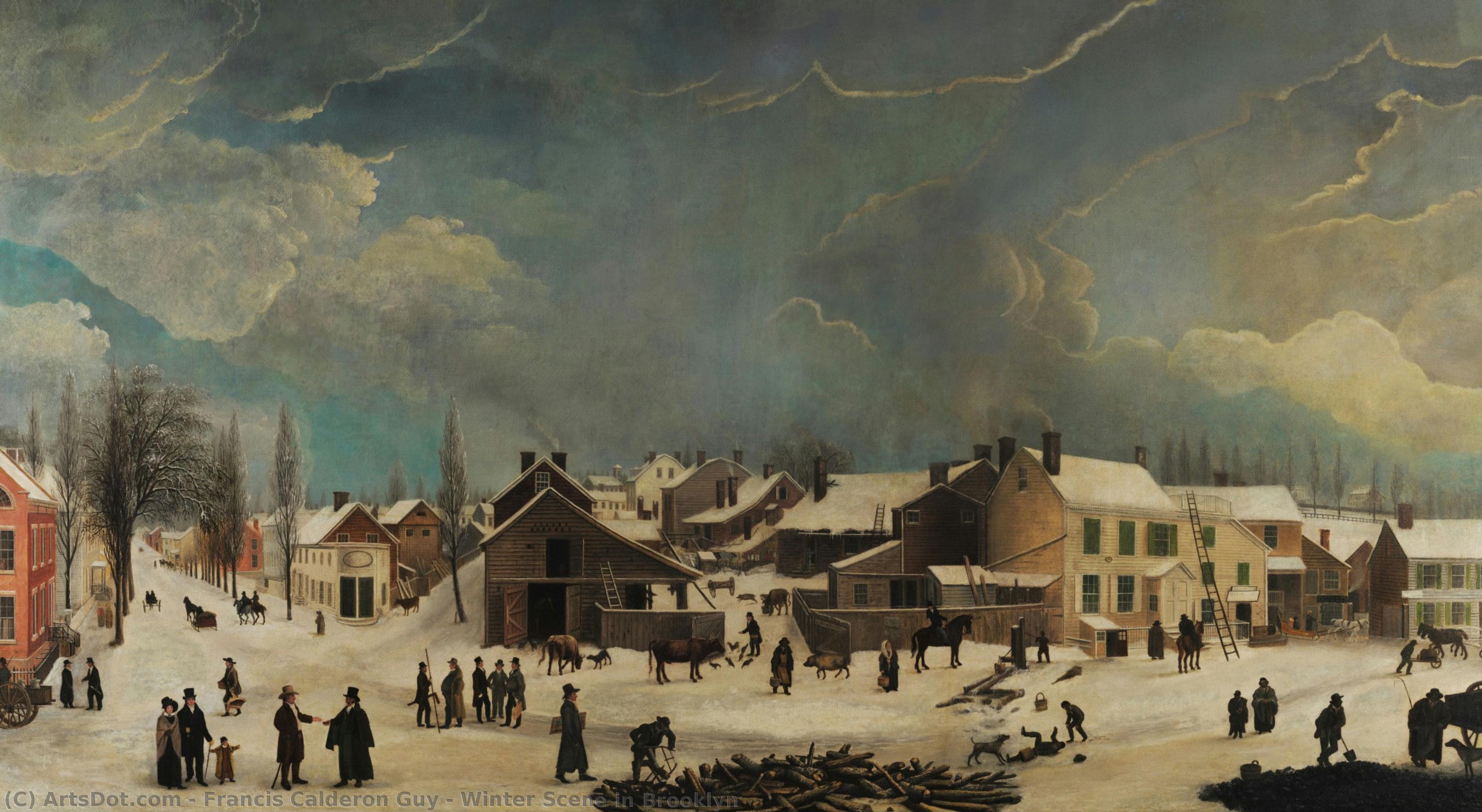
Winter Scene in Brooklyn
 Oil On Canvas
- WallArt
- Realism
 1820
1820- 19th Century
 147.0 x 269.0 cm
 Crystal Bridges Museum of American Art
 Читать далее
Приобретите цифровое изображение высокого разрешения в улучшенном качестве, которое значительно превосходит онлайн-превью.
Каждый файл тщательно подготавливается нашими специалистами с использованием передовых инструментов и экспертной ручной ретуши. Мы гарантируем исключительную четкость, точную цветопередачу и детальную проработку каждого изображения.
Финальный файл доставляется по электронной почте в течение 72 часов и оптимизирован для немедленного использования в профессиональной среде, при верстке и печати. Это тот же уровень качества, которому доверяют ведущие дизайнерские студии, издательства и галереи.
Цифровое изображение
Скачайте файл высокого разрешения для личного использования, печати и творческих проектов. ( Перейти к печати Купить картину ручной работы)
Включено в каждый заказ цифровых изображений
Гарантия экспертной цифровой доставки
Выбирая ArtsDot.com, вы получаете не просто изображение — вы приобретаете профессионально обработанное цифровое произведение искусства, созданное с безупречной точностью и под защитой гарантии качества. Вот всё, что автоматически входит в ваш заказ:

Мгновенная доставка по e-mail
Ваш цифровой файл в высоком разрешении будет отправлен вам по электронной почте в течение 72 часов после оформления заказа — и сразу станет доступен для использования.

Цифровой файл с ИИ-улучшением
Ваше произведение искусства проходит профессиональную оптимизацию с использованием передовых инструментов ИИ и ручной обработки, что гарантирует максимальную детализацию, четкость и точность цветопередачи.

Бессрочная бесплатная повторная доставка
Случайно удалили или потеряли файл? Не беспокойтесь — мы отправим его вам повторно в любое время и совершенно бесплатно.

Без импортных пошлин — навсегда
Наслаждайтесь вашим произведением искусства мгновенно без таможенных пошлин, сборов или затрат на доставку — цифровые загрузки всегда не облагаются налогом.

Гарантия точности цветопередачи
Мы гарантируем, что ваше цифровое изображение максимально точно передает оригинальные цвета благодаря использованию профессиональных инструментов и систем управления цветом.

Гарантия удовлетворенности 100 дней
Если вы не будете удовлетворены своим цифровым изображением, мы внесем правки или вернем 100% стоимости в течение 100 дней — без лишних вопросов.

100% Гарантия возврата средств
Не удовлетворены покупкой? Получите полный возврат средств в течение 100 дней после получения цифрового файла — без лишних вопросов.

Скидки на оптовые заказы
Купите 3 изображения, сэкономьте 10% — Купите 5, сэкономьте 15% — Купите 10+, сэкономьте 20%. Отличное решение для творческих проектов, галерей и агентств.
Похожие произведения
Биография художника
Jean Honoré Fragonard: A Dance of Sensuality and Light
Born in Grasse, Provence, in 1732, Jean-Honoré Fragonard’s life was a testament to the shifting currents of French art during the Rococo period. Unlike his contemporaries who often pursued careers within the rigid structures of the Royal Academy, Fragonard forged his own path, becoming renowned for his exquisitely sensual and playful paintings that captured the spirit of aristocratic leisure and romantic intrigue. His career, spanning from the 1760s to his death in 1806, is characterized by a remarkable fluidity of style, blending influences from Italian Baroque masters like Luca Giordano and Rubens with a distinctly French sensibility.
Fragonard’s early artistic training was rooted in the studio of François Boucher at the Académie Royale de Peinture et Sculpture. This formative period instilled within him a deep understanding of composition, color theory, and the conventions of Rococo painting. However, Fragonard quickly distinguished himself through his innovative approach to subject matter and technique. He rejected the traditional historical or mythological themes favored by the Academy, instead focusing on scenes of domestic life, courtship, and flirtation – subjects that resonated with the tastes of a wealthy clientele eager for depictions of pleasure and romance.
- Early Influences: Fragonard’s Italian sojourn between 1756 and 1761 proved pivotal. He immersed himself in the art of Rome, Naples, and Venice, meticulously copying works by masters such as Guido Reni, Andrea Pozzo, and Giovanni Battista Tiepolo. These studies weren't mere imitations; they served as a foundation for his own artistic development, allowing him to absorb and reinterpret classical techniques within a distinctly personal style.
- The “Figures de Fantaisie”: Returning to Paris in 1761, Fragonard embraced a unique approach to portraiture, creating a series of fantastical figures known as the *Figures de fantaisie*. These works, characterized by their elaborate costumes, ambiguous settings, and often erotic undertones, defied conventional notions of representation. They were not intended as realistic portraits but rather as imaginative explorations of beauty, desire, and illusion.
- Royal Patronage and Artistic Freedom: Despite initial hopes for royal commissions, Fragonard largely bypassed the formal channels of patronage, preferring to cater directly to private collectors. This afforded him a remarkable degree of artistic freedom, allowing him to pursue his own creative vision without the constraints imposed by courtly expectations.
The Palette of Pleasure: Style and Technique
Fragonard’s paintings are instantly recognizable for their vibrant color palettes, loose brushwork, and masterful use of light and shadow. He employed a technique known as “alla prima,” working directly onto the canvas without underdrawing or preliminary sketches. This approach resulted in a sense of spontaneity and immediacy that is characteristic of his most celebrated works. His brushstrokes are often rapid and energetic, creating a shimmering effect that captures the fleeting beauty of the scenes he depicts.
- Color and Light: Fragonard’s use of color is particularly noteworthy. He favored pastel hues—pale pinks, blues, greens, and yellows—to evoke a sense of delicacy and romance. His compositions are often bathed in soft, diffused light, creating an atmosphere of dreamy sensuality.
- Brushwork: Fragonard’s distinctive brushwork is characterized by its fluidity and expressiveness. He employed short, broken strokes to create texture and movement, while using broader sweeps of color to define form and space.
- Compositional Innovation: Fragonard frequently employed asymmetrical compositions, placing figures in unconventional poses and creating a sense of dynamic energy within his paintings. His works are often filled with intricate details—floral arrangements, ribbons, and luxurious fabrics—that contribute to their overall richness and visual appeal.
Iconic Works and Lasting Legacy
Among Fragonard’s most celebrated works are *The Swing* (1767-68), a quintessential example of Rococo pleasure and intrigue, and *Saint Mary Magdalene Penitent* (c. 1763), which showcases his ability to infuse religious subject matter with sensual beauty. His paintings were immensely popular during his lifetime, admired for their elegance, wit, and emotional resonance.
- The Swing: This iconic image, depicting a young woman being swung through a summer afternoon by her lover, has become synonymous with the Rococo era. Its playful composition, vibrant colors, and suggestive details continue to captivate viewers today.
- Saint Mary Magdalene Penitent: In contrast to *The Swing*, this painting offers a more introspective portrayal of religious emotion. Fragonard’s depiction of Mary Magdalene is both vulnerable and alluring, capturing the complexities of repentance and redemption.
Despite his initial success, Fragonard's fortunes declined after the French Revolution. His works were deemed decadent and frivolous, and he faced financial hardship in his later years. However, his legacy as one of the most important painters of the Rococo period endures. He remains celebrated for his innovative style, his masterful use of color and light, and his ability to capture the essence of human desire and beauty.
A Painter’s World: Context and Historical Significance
Fragonard's art flourished during a time of significant social and cultural change in France. The Rococo period, which spanned roughly from 1730 to 1789, was characterized by a shift away from the formality and restraint of the Baroque era towards a more relaxed, sensual, and pleasure-oriented aesthetic. The rise of the aristocracy and the increasing emphasis on leisure and entertainment provided fertile ground for Fragonard’s artistic explorations.
- Rococo Aesthetics: Fragonard's work embodies the core principles of Rococo art—a celebration of beauty, elegance, and pleasure. His paintings reflect the tastes of a wealthy clientele who sought to surround themselves with objects of luxury and delight.
- Social Commentary: While often dismissed as mere depictions of frivolous pursuits, Fragonard’s paintings can be interpreted as subtle commentaries on social conventions and gender roles. His portrayal of women—often depicted as active participants in romantic encounters—challenged traditional notions of female passivity.
- Influence on Later Artists: Fragonard's innovative style and expressive brushwork influenced a generation of artists, including Eugène Delacroix and Pierre-Auguste Renoir. His legacy continues to inspire painters today who seek to capture the fleeting beauty and emotional intensity of human experience.

francis calderon guy
1760 - 1820