

 Предпросмотр
 Поделиться
 Поделиться
 Детали произведения

 Скачать
 Похожие работы
 Рентгенография
 Слайд-шоу
 Статистика
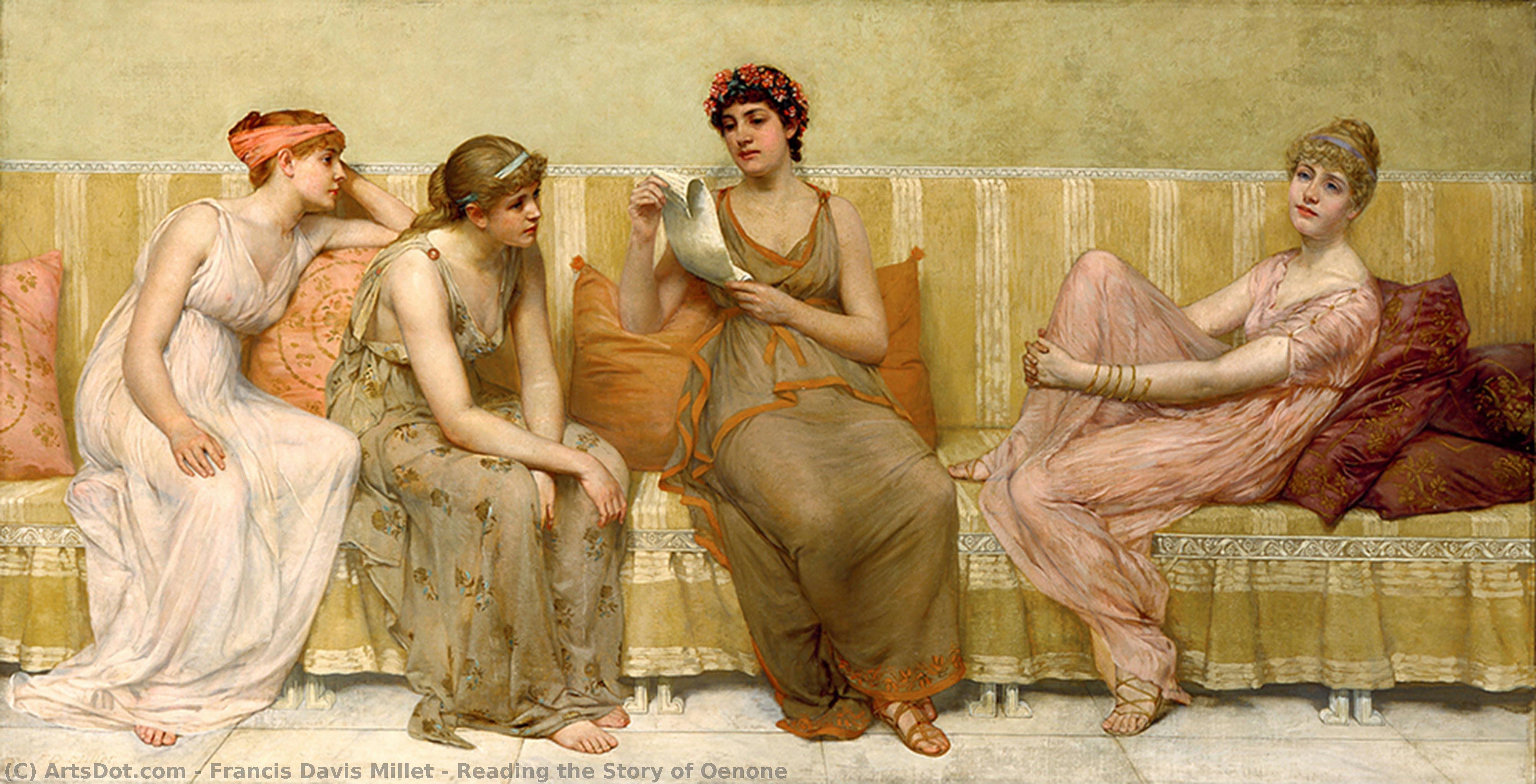
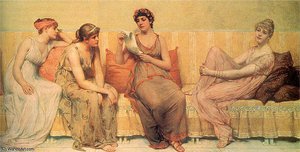
Reading the Story of Oenone


 Читать далее
Жикле / Арт-принт
Печать (жикле) или холст музейного качества с быстрыми сроками изготовления и широким выбором вариантов отделки. ( Купить картину ручной работы Перейти к цифровым изображениям)




P118B $10

P118H $10

P118W $10

P438Z $10

P508JH $12

P508YH $12

P805H $10

P805Z $10

P919BZ $10

P919G $10

P919XJ $10

P959ZH $10

P968JZ $12

W106C $8

W218G $10

W218JH $8

W218Y $10

W307PJ $10

W316G $10

W316PJ $8

W316Y $10

W398PJ $8

W4111J $10

W500HY $15

W500JH $15

W692G $12

W849H $8

W940BG $15

W953PJ $8




Выберите один из наших стандартных размеров, соответствующих оригинальным пропорциям произведения искусства.

Вы можете указать свои собственные размеры, чтобы репродукция идеально подошла под конкретную раму или пространство. Если выбранный вами размер не будет соответствовать пропорциям оригинала, мы либо обрежем произведение, либо дополним изображение зеркальным отражением краев или однотонной заливкой. Перед началом производства вам будет отправлен цифровой макет для утверждения.
Пожалуйста, обратите внимание, что предварительный просмотр на экране не отображает фактическую обрезку или расширение изображения. Только макет точно покажет финальную композицию.
Несмотря на возможность заказа индивидуальных размеров, мы рекомендуем выбирать размер из предопределенного списка, чтобы сохранить оригинальные пропорции.
Доставка по всему миру () за 2 недели вместо стандартных 4/5 недель. (12 Сентябрь)

Бесплатная экспресс-доставка по всему миру

Высококачественный льняной холст

Полное страхование доставки

Гарантия возмещения таможенных пошлин

Гарантия точного соответствия цветов

100-дневная политика возврата (только при обнаружении дефектов)

Гарантия возврата 100% средств

Предложение оптовых скидок
 Вариант со стеклом доступен только для размеров менее 110 см

Reading the Story of Oenone
Жикле / Арт-принт
Размер репродукции
-


Итоговая стоимость
$ 62
Reading the Story of Oenone
“Reading the Story of Oenone” by Francis Davis Millet stands as a cornerstone of American Impressionism and exemplifies Millet’s masterful command of classical aesthetics blended with modern artistic sensibilities. Completed in 1883, this monumental painting—measuring approximately 76.2 cm (30 inches) high and 147 cm (57.88 inches) wide without its frame—captures a scene steeped in mythic allusion and psychological nuance, offering viewers an immersive experience of both visual beauty and narrative depth.
Millet’s stylistic approach aligns closely with the “Bench Style,” a popular trend among artists during the late Victorian era. This technique favored large-scale canvases depicting intimate gatherings—often women—engaged in leisurely pursuits like reading or conversation. Millet skillfully utilizes muted tonal palettes dominated by greens, yellows, reds and whites to create an atmosphere of serene contemplation. The artist’s meticulous attention to detail is evident in the rendering of fabrics, textures, and facial expressions, demonstrating a dedication to capturing not merely what was seen but also what was felt.
The painting's subject matter draws inspiration from Homer’s epic poem “The Iliad,” specifically recounting the tale of Oenone—the first wife of Paris—and his subsequent abandonment for Helen of Sparta, triggering the calamitous Trojan War. Millet portrays four women seated on a richly ornamented couch, symbolizing unity and intellectual engagement amidst personal reflection. Each woman embodies distinct characteristics: one reclined gracefully on pillows, gazing intently at a book; another leans forward towards her companion, conveying warmth and connection; and two others are dressed in elegant gowns, reflecting the sophistication of Victorian society.
Symbolism permeates every aspect of “Reading the Story of Oenone.” The couch itself represents comfort, stability, and domestic tranquility—a deliberate contrast to the turbulent events unfolding in Greek mythology. Millet’s masterful use of color contributes significantly to the painting's emotional impact, conveying feelings of melancholy, introspection, and quiet contemplation. The golden hues adorning the couch and pillows symbolize nobility and refinement, mirroring the idealized beauty of classical art.
Beyond its aesthetic merits, “Reading the Story of Oenone” holds a profound significance within American art history. Millet’s decision to purchase the painting by Detroit Institute of Arts—following a public vote during their inaugural exhibition—underscored the burgeoning appreciation for Impressionist art in the Midwest. The artwork's inclusion in subsequent exhibitions and publications cemented its place as a celebrated masterpiece, continuing to inspire artists and collectors alike.
The Detroit Institute of Art acquired “Reading the Story of Oenone” in 1883 marking the beginning of DIA’s collection and establishing it as one of America's premier art institutions. The painting remains on display at DIA today offering visitors a chance to experience Millet’s artistic vision firsthand.
Похожие произведения
![Legend Of St Francis - [21] - Apparition To Fra Agostino And To Bishop Guido Of Arezzo — Джотто Ди Бондоне, Proto-renaissance](/media/artworks/images-thumb/8a/06/8a0632ef03ba49f12919faa78718a88b.jpg)
![Legend Of St Francis - [24] - Canonization Of St Francis — Джотто Ди Бондоне, Gothic](/media/artworks/images-thumb/81/9b/819b5f0656848eb5cb3fcd40fd5756aa.jpg)
![Life Of Saint Francis - [04] - Death And Ascension Of St Francis — Джотто Ди Бондоне, Italian Renaissance](/media/artworks/images-thumb/08/8b/088b102b13c1a379233690905590f156.jpg)
Биография художника
Francis Davis Millet (1846–1912): A Life Interrupted by Art and Tragedy
Francis Davis Millet, a name resonating with both artistic brilliance and heartbreaking finality, stands as one of the most compelling figures in American art history—a painter who achieved international acclaim yet perished tragically aboard the RMS Titanic in April 1912. Born November 3rd, 1846, in Mattapoisett, Massachusetts – though conflicting accounts suggest a birthdate closer to 1848, a diary meticulously documenting his military service offers compelling evidence for the latter—Millet’s journey from humble beginnings as a drummer boy during the Civil War to becoming a celebrated artist and influential voice within the burgeoning American art scene embodies an extraordinary confluence of talent, ambition, and unforeseen misfortune. His formative years instilled in him a profound appreciation for color and texture, shaping his artistic sensibilities and informing his distinctive style—a style characterized by bold hues and dynamic compositions that would become hallmarks of his oeuvre.Early Life and Artistic Foundations
Millet’s early life was marked by significant hardship; orphaned at the age of eight after his parents succumbed to tuberculosis, he endured a challenging upbringing in Boston's impoverished West End. Despite these difficulties, Millet possessed an unwavering determination to pursue education and artistic training—a pursuit fueled by his father’s encouragement and supported by generous benefactors who recognized his innate potential. He excelled academically at Harvard College, earning a Master of Arts degree in 1869, demonstrating intellectual curiosity alongside a burgeoning passion for visual art. His decision to enlist in the Massachusetts Regiment at sixteen – initially as a drummer boy before transitioning to surgical assistant under his father’s guidance—provided invaluable experience during the Civil War, exposing him to the visceral realities of conflict and fostering an acute awareness of human emotion. Crucially, this period instilled within him a deep fascination with red—a color he would repeatedly employ in his paintings, lending them an emotional intensity that distinguishes them from many of their contemporaries. The influence of John LaFarge, a fellow muralist at Trinity Church who mentored Millet during his formative years, further solidified his artistic vision and propelled him toward the Beaux-Arts tradition—a movement characterized by grandeur, elegance, and meticulous craftsmanship.European Artistic Training and Recognition
Driven by an ardent desire to hone his skills and immerse himself in the intellectual currents of Europe, Millet embarked on a transformative journey to Antwerp, Belgium, in 1876 where he enrolled at the Royal Academy of Fine Arts. His dedication and talent were immediately acknowledged; he secured a silver medal upon entering the academy—a feat rarely achieved by aspiring artists—and subsequently garnered a gold medal the following year. This European sojourn proved pivotal in shaping Millet’s artistic style, firmly grounding him within the academic classical tradition while simultaneously exposing him to the burgeoning Impressionist movement. He befriended Augustus Saint-Gaudens and Mark Twain during his time in Paris, forging enduring connections with prominent figures of American culture—relationships that would enrich both his personal life and his artistic output. His involvement with the Society of American Artists cemented his position as a leading voice within the American art world, establishing him as a respected innovator and champion of artistic excellence. Furthermore, Millet’s unwavering commitment to fostering artistic education culminated in the founding of the School of the Museum of Fine Arts, Boston—a testament to his belief in nurturing future generations of artists—and securing Emil Otto Grundmann as its inaugural director.Notable Works and Artistic Style
Millet's artistic output spanned a remarkable breadth of genres—from monumental murals adorning churches and civic buildings to intimate genre scenes capturing everyday life—demonstrating versatility and stylistic adaptability. His most celebrated works include *A Cosy Corner*, commissioned for Trinity Church in Boston, which exemplifies his mastery of color and composition; *At the Inn*, a depiction of a tavern scene that captures the spirit of American social life; and *Between Two Fires*, an evocative portrayal of a Parisian café—each piece imbued with Millet’s signature expressive style. His canvases are characterized by bold hues—particularly crimson—that convey profound emotion, alongside dynamic brushstrokes and meticulous attention to detail—reflecting his unwavering commitment to artistic rigor. He skillfully blended classical influences with Impressionistic techniques, creating images that resonate with both grandeur and intimacy. The influence of John Singer Sargent is palpable in several portraits Millet undertook during his Parisian years—Sargent’s discerning eye for capturing psychological nuance complementing Millet's technical prowess.Legacy and Remembrance
Francis Davis Millet died tragically aboard the RMS Titanic on April 15th, 1912, while traveling to New York City on Academy business – an event that shocked the art world and cemented his place in history as a symbol of artistic dedication and unforeseen misfortune. His heroic efforts to assist women and children into lifeboats during the sinking underscored his compassion and moral fortitude—a final act of courage that transcended his artistic achievements. A memorial fountain erected in Washington D.C., honoring Millet and Archibald Butt, stands as a poignant reminder of their shared fate—a testament to the enduring power of remembrance and the profound impact of individual lives on the broader cultural landscape. His paintings continue to captivate audiences today, inspiring admiration for his artistic vision and prompting reflection on the ephemeral nature of human existence—a legacy that ensures Francis Davis Millet’s name will forever resonate within the annals of American art history.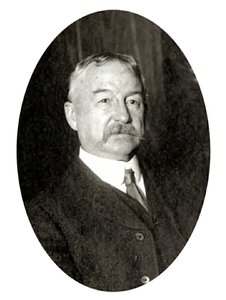
Фрэнсис Дэвис Милетт
1846 - 1912 , Соединенные Штаты Америки
Основные сведения
- Artistic Movement Or Style: Academic classical painting
- Artists Who Influenced This Artist:
- John LaFarge
- Augustus Saint-Gaudens
- Date Of Birth: Nov 3, 1846
- Date Of Death: Apr 15, 1912
- Full Name: Francis Davis Millet
- Nationality: American
- Notable Artworks:
- Lacing Up
- A Cosy Corner
- Between Two Fires
- Place Of Birth: Mattapoisett, USA
Похожие статьи
Arthur B. Davies: Pioneering American Modernism & the Cosmopolitan Spirit
Explore the life & work of Arthur B. Davies, a pivotal figure in American Modernism. Discover his unique style, role in the 1913 Armory Show, and lasting influence on art history. Learn about collecting Davies' works.
Stuart Davis: Modernist Abstraction & the Vibrant Spirit of the Jazz Age
Explore the vibrant world of Stuart Davis, a pioneer of American Modernism. Discover his jazz-inspired paintings, signature style & investment potential. Expert insights for art collectors.
Jean-François Millet: Realism, Rural Life & the Poetic Depiction of Labor
Explore the life & work of Jean-François Millet, a founder of Realism. Discover his poignant depictions of rural France, iconic paintings like 'The Angelus,' and lasting influence on art history. Learn more at ArtsDot.
Фрэнсис Бэкон: 25 шедевров художника. Купить картины онлайн | ArtsDot
Погрузитесь в мир Фрэнсиса Бэкона! 25 шедевров экспрессионизма, полных эмоций и висцеральной силы. Купите репродукции картин Бэкона на холсте и украсьте свой интерьер искусством мирового уровня. Explore the full collection online | ArtsDot.

Gene Davis: Chromatic Explorations of Color Field Painting & the Washington Color School
Explore the vibrant world of Gene Davis and the Washington Color School. Discover his iconic stripe paintings, innovative techniques, and lasting impact on American abstract art. A deep dive for collectors & enthusiasts.