

 Предпросмотр
 Поделиться
 Поделиться
 Детали произведения

 Скачать
 Похожие работы
 Рентгенография
 Слайд-шоу
 Статистика
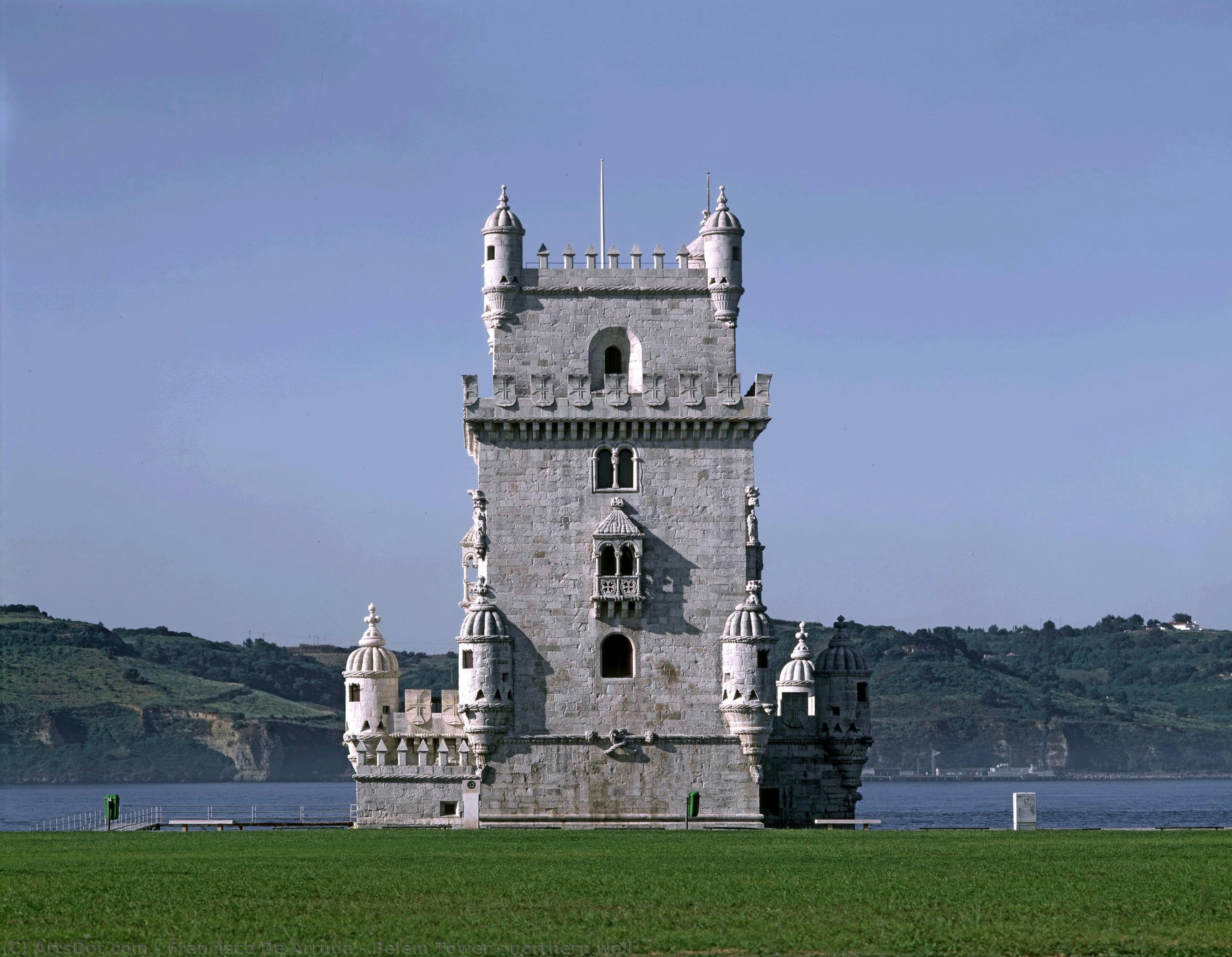
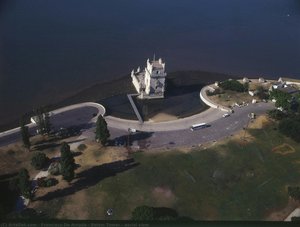
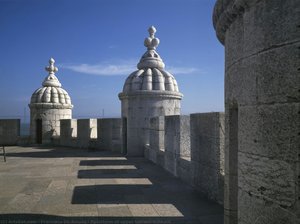
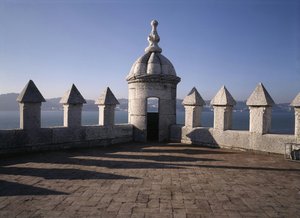
Belém Tower - northern wall


 Читать далее
Жикле / Арт-принт
Печать (жикле) или холст музейного качества с быстрыми сроками изготовления и широким выбором вариантов отделки. ( Купить картину ручной работы Перейти к цифровым изображениям)




P118B $10

P118H $10

P118W $10

P438Z $10

P508JH $12

P508YH $12

P805H $10

P805Z $10

P919BZ $10

P919G $10

P919XJ $10

P959ZH $10

P968JZ $12

W106C $8

W218G $10

W218JH $8

W218Y $10

W307PJ $10

W316G $10

W316PJ $8

W316Y $10

W398PJ $8

W4111J $10

W500HY $15

W500JH $15

W692G $12

W849H $8

W940BG $15

W953PJ $8




Выберите один из наших стандартных размеров, соответствующих оригинальным пропорциям произведения искусства.

Вы можете указать свои собственные размеры, чтобы репродукция идеально подошла под конкретную раму или пространство. Если выбранный вами размер не будет соответствовать пропорциям оригинала, мы либо обрежем произведение, либо дополним изображение зеркальным отражением краев или однотонной заливкой. Перед началом производства вам будет отправлен цифровой макет для утверждения.
Пожалуйста, обратите внимание, что предварительный просмотр на экране не отображает фактическую обрезку или расширение изображения. Только макет точно покажет финальную композицию.
Несмотря на возможность заказа индивидуальных размеров, мы рекомендуем выбирать размер из предопределенного списка, чтобы сохранить оригинальные пропорции.
Доставка по всему миру () за 2 недели вместо стандартных 4/5 недель. (11 Сентябрь)

Бесплатная экспресс-доставка по всему миру

Высококачественный льняной холст

Полное страхование доставки

Гарантия возмещения таможенных пошлин

Гарантия точного соответствия цветов

100-дневная политика возврата (только при обнаружении дефектов)

Гарантия возврата 100% средств

Предложение оптовых скидок
 Вариант со стеклом доступен только для размеров менее 110 см

Belém Tower - northern wall
Жикле / Арт-принт
Размер репродукции
-


Итоговая стоимость
$ 62
A Sentinel of Stone and Sea
Standing as a limestone sentinel at the mouth of the Tagus River, the Belém Tower is far more than a mere fortification; it is a poetic testament to Portugal’s golden age of maritime discovery. In this evocative painting of the tower's northern wall, the artist captures the architectural soul of a monument that once welcomed the world's most intrepid explorers. The work breathes life into the 16th-century Manueline style, where the heavy, defensive strength of a fortress meets the delicate, flowing ornamentation of a maritime dream. Through masterful brushwork, the texture of the weathered lioz limestone is rendered with such precision that one can almost feel the salt spray of the Atlantic clinging to its ancient surfaces.
The composition invites the viewer to contemplate the intersection of power and artistry. As the light dances across the intricate turrets and the prominent clock face, a sense of timelessness emerges. The painting does not merely document a structure; it captures an atmosphere of grandeur and vigilance. For the discerning collector or interior designer, this piece serves as a window into a bygone era of global ambition, offering a sophisticated focal point that brings both historical weight and a serene, coastal elegance to any curated space.
The Language of Manueline Grandeur
To gaze upon this depiction of the Belém Tower is to witness the visual language of King Manuel I’s reign. The artist skillfully highlights the Manueline aesthetic—a uniquely Portuguese fusion where Gothic structural integrity meets the exuberant, naturalistic motifs of the Renaissance. Within the strokes of the painting, one can sense the echoes of the sea: the subtle suggestion of ropes, shells, and maritime symbols that decorate the real-world tower. This stylistic choice reflects a period when Portugal was the epicenter of global commerce, and the architecture itself acted as a herald for the wealth and reach of the Portuguese crown.
The technique employed in this reproduction emphasizes a vibrant and lively atmosphere. Rather than a somber depiction of a military outpost, the colors are chosen to evoke the brilliance of the Lisbon sun reflecting off the Tagus estuary. The interplay of light and shadow across the tower's battlements creates a rhythmic depth, guiding the eye from the sturdy base toward the delicate watchtowers above. This dynamic use of color ensures that the artwork remains a captivating centerpiece, capable of inspiring awe and sparking conversation about the era of Vasco da Gama and the dawn of the modern world.
An Emotional Legacy for the Modern Collector
Beyond its historical and architectural significance, this painting carries a profound emotional resonance. It evokes a sense of nostalgia for the Age of Discovery—a time of boundless curiosity and the courage to face the unknown. For those who decorate with intention, this piece offers more than just aesthetic beauty; it provides a connection to the human spirit of exploration. The tower, depicted here in all its majestic glory, stands as a symbol of protection, transition, and the enduring legacy of a nation that shaped the maps of the world.
Integrating such a high-quality reproduction into a home or gallery allows for a sophisticated layering of history and art. Whether placed in a sunlit study or a grand living hall, the Belém Tower serves as an anchor of cultural significance. It is an investment in a narrative of triumph and beauty, making it an ideal choice for those who seek to surround themselves with art that possesses both a deep historical soul and a timeless, decorative grace.
Похожие произведения
Биография художника
The Architect of Portugal’s Golden Age
Francisco de Arruda stands as a pivotal figure in the grand tapestry of Portuguese architectural history, a master builder whose hands helped shape the very identity of a nation at the height of its maritime dominion. Emerging during the sixteenth century, Arruda became one of the most influential proponents of the Manueline style—a uniquely opulent and exuberant fusion of Gothic grandeur and Renaissance humanism. This aesthetic, characterized by intricate ornamentation and naturalistic motifs, served as a visual language for Portugal’s Age of Discovery, reflecting the wealth, power, and global reach of the Portuguese crown under King Manuel I.
Born into a noble family steeped in architectural tradition, Francisco was not an isolated talent but part of a formidable lineage of creators. He was the younger brother of the celebrated architect Diogo de Arruda, and together with their father, Miguel de Arruda, they formed a familial nucleus of craftsmanship. This shared heritage ensured that the brothers would become instrumental in transforming the Portuguese landscape. While much of his early life remains shrouded in the mists of history, it is believed he hailed from the Alentejo region, a territory where many of his most enduring structural legacies still stand as silent witnesses to his genius.
A Legacy Carved in Stone and Sea
The true brilliance of Francisco de Arruda lies in his ability to synthesize disparate cultural influences into a cohesive, breathtaking whole. His work was deeply informed by the soaring arches of the Gothic tradition, yet it breathed with the new, humanist ideals emerging from Italy. Furthermore, his travels to North Africa to construct fortifications in Morocco introduced a subtle Moorish influence to his repertoire, adding a layer of complexity and exoticism to his designs. This ability to blend local traditions with international currents allowed him to create structures that were both profoundly Portuguese and cosmopolitically aware.
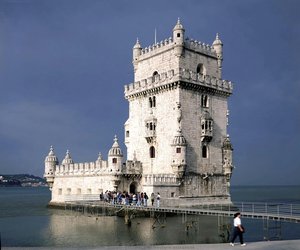
His most enduring achievement, and perhaps the most iconic symbol of Portugal’s maritime soul, is the Belém Tower in Lisbon. Constructed between 1514 and 1519, this UNESCO World Heritage Site is a masterpiece of military architecture and decorative art. In the tower's stone carvings, one can observe the quintessential elements of the Manueline style: maritime symbols, ropes, and organic forms that evoke the spirit of the great explorers who departed from these very shores. Beyond this monumental fortification, his hand can be seen in several other vital structures:
- The Belém Tower: A breathtaking sentinel of the Tagus River, embodying the strength and elegance of the Portuguese maritime empire.
- Aqueduto da Água de Prata: An impressive feat of engineering in Évora that demonstrates his mastery over large-scale hydraulic architecture.
- Fortifications of the Alentejo: His early work repairing the forts at Moura, Mourao, and Portel, which laid the foundation for his reputation as a premier military architect.
- Church of Nossa Senhora da Assunção: A significant religious structure in Elvas that showcases his ability to blend sacred space with architectural grandeur.
The Enduring Echo of a Master
Though Francisco de Arruda passed away on November 30, 1547, his influence did not vanish with his death. His architectural language paved the way for future generations, including his son Miguel de Arruda, who carried the family's tradition of building into the colonies of Brazil and Mozambique. The structural innovations introduced by Francisco helped cement Portugal's reputation as a beacon of artistic innovation in Europe, creating a lasting aesthetic that remains inseparable from the nation's historical identity.
To study the works of Arruda is to walk through the very heart of the Portuguese Renaissance. His buildings are more than mere stone and mortar; they are poetic expressions of an era defined by curiosity, courage, and conquest. Through his mastery of the Manueline style, he captured the ephemeral glory of the Age of Discovery and rendered it permanent, ensuring that the spirit of Portugal's golden age would endure long after the great caravels had returned to port.
francisco de arruda
1547 , Portugal
Основные сведения
- Artistic Movement Or Style: Manueline
- Artists Or Movements Influenced By This Artist: ['Italian Renaissance']
- Artists Who Influenced This Artist:
- Diogo de Arruda
- Benedetto da Ravenna
- Date Of Death: 1547
- Full Name: Francisco de Arruda
- Nationality: Portuguese
- Notable Artworks:
- Belém Tower
- Bulwark (interior)
- Cloister of Tomar
- Place Of Birth: Lisbon, Portugal
Похожие статьи
25 Шедевров Alte Pinakothek: Искусство Ренессанса и Барокко в Вашем Интерьере
Погрузитесь в мир искусства Alte Pinakothek! 25 шедевров Ренессанса и Барокко от Леонардо да Винчи, Рафаэля, Рубенса и других великих художников. Узнайте истории создания культовых картин и вдохновитесь для декора вашего интерьера. Откройте всю коллекцию на ArtsDot.com!
Макс Эрнст: 25 шедевров сюрреализма для ценителей искусства и декора интерьера
Погрузитесь в мир сюрреализма с Максом Эрнстом! 25 культовых картин, раскрывающих тайны подсознания и новаторские техники. Репродукции высокого качества для вашего интерьера на ArtsDot.com. Откройте всю коллекцию онлайн!
Тактильные измерения абстракции: свет, текстура и эмоциональное восприятие в живописи
Исследуйте глубинные измерения абстрактной живописи: свет, текстура и эмоции. Анализ петербургской школы, экспертные статьи для ценителей искусства и коллекционеров.
The Tactile Canvas: Exploring Texture as Subject, Materiality & Meaning in Art History
Explore the rich history of texture in art! Discover how artists from Van Gogh to contemporary masters use materiality & technique to create captivating tactile experiences. Deepen your art appreciation with ArtsDot.
Текстурированные отпечатки на : Имитация масляной живописи для искушенных коллекционеров
предлагает эксклюзивные текстурные отпечатки, идеально имитирующие масляную живопись. Высокое качество, ручная работа и персонализация для искушенных коллекционеров.