

 Предпросмотр
 Поделиться
 Поделиться
 Детали произведения

 Скачать
 Похожие работы
 Рентгенография
 Слайд-шоу
 Статистика
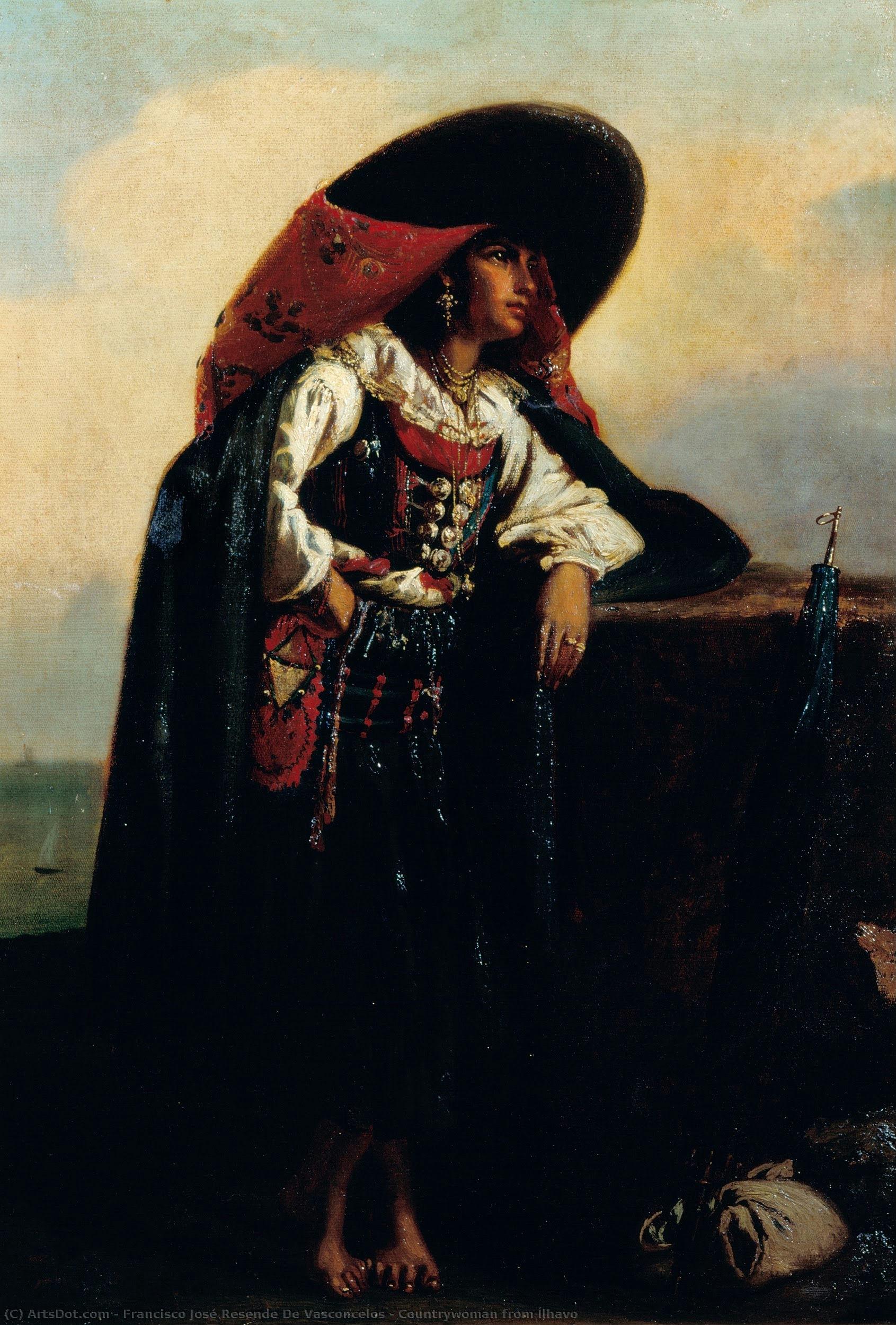
Countrywoman from Ílhavo
 Oil
Oil- WallArt
- Romanticism
 1867
1867- 19th Century
 66.0 x 47.0 cm
 Национальный музей современного искусства — Museu do Chiado
 Читать далее
Приобретите цифровое изображение высокого разрешения в улучшенном качестве, которое значительно превосходит онлайн-превью.
Каждый файл тщательно подготавливается нашими специалистами с использованием передовых инструментов и экспертной ручной ретуши. Мы гарантируем исключительную четкость, точную цветопередачу и детальную проработку каждого изображения.
Финальный файл доставляется по электронной почте в течение 72 часов и оптимизирован для немедленного использования в профессиональной среде, при верстке и печати. Это тот же уровень качества, которому доверяют ведущие дизайнерские студии, издательства и галереи.
Цифровое изображение
Скачайте файл высокого разрешения для личного использования, печати и творческих проектов. ( Перейти к печати Купить картину ручной работы)
Включено в каждый заказ цифровых изображений
Гарантия экспертной цифровой доставки
Выбирая ArtsDot.com, вы получаете не просто изображение — вы приобретаете профессионально обработанное цифровое произведение искусства, созданное с безупречной точностью и под защитой гарантии качества. Вот всё, что автоматически входит в ваш заказ:

Мгновенная доставка по e-mail
Ваш цифровой файл в высоком разрешении будет отправлен вам по электронной почте в течение 72 часов после оформления заказа — и сразу станет доступен для использования.

Цифровой файл с ИИ-улучшением
Ваше произведение искусства проходит профессиональную оптимизацию с использованием передовых инструментов ИИ и ручной обработки, что гарантирует максимальную детализацию, четкость и точность цветопередачи.

Бессрочная бесплатная повторная доставка
Случайно удалили или потеряли файл? Не беспокойтесь — мы отправим его вам повторно в любое время и совершенно бесплатно.

Без импортных пошлин — навсегда
Наслаждайтесь вашим произведением искусства мгновенно без таможенных пошлин, сборов или затрат на доставку — цифровые загрузки всегда не облагаются налогом.

Гарантия точности цветопередачи
Мы гарантируем, что ваше цифровое изображение максимально точно передает оригинальные цвета благодаря использованию профессиональных инструментов и систем управления цветом.

Гарантия удовлетворенности 100 дней
Если вы не будете удовлетворены своим цифровым изображением, мы внесем правки или вернем 100% стоимости в течение 100 дней — без лишних вопросов.

100% Гарантия возврата средств
Не удовлетворены покупкой? Получите полный возврат средств в течение 100 дней после получения цифрового файла — без лишних вопросов.

Скидки на оптовые заказы
Купите 3 изображения, сэкономьте 10% — Купите 5, сэкономьте 15% — Купите 10+, сэкономьте 20%. Отличное решение для творческих проектов, галерей и агентств.
A Window into 19th-Century Portuguese Serenity
In the quietude of Countrywoman from Ílhavo, we are transported back to the year 1867, where the rhythmic pulse of coastal Portugal meets the tender gaze of a master storyteller. Francisco José Resende de Vasconcelos, a painter deeply attuned to the soul of his nation, presents us with more than just a portrait; he offers a window into an era of idealized ruralism. The subject, a woman captured in a moment of tranquil repose, serves as the emotional anchor of the composition. Draped in a vibrant red shawl that commands the viewer's attention, she sits with a dignified grace, her white dress providing a luminous contrast to the deeper tones of her surroundings. Every detail, from the delicate ring on her finger to the way she holds her red umbrella, suggests a life lived with a quiet, meticulous dignity.
The painting is a masterclass in genre painting, a style that flourished during the Romantic generation by celebrating the beauty of everyday existence. Resende de Vasconcelos utilizes a technique that balances documentary precision with a soft, sentimental atmosphere. The background, though subtly rendered, tells a profound story of maritime heritage; the presence of two boats resting near the shore evokes the industrious yet peaceful relationship between the people of Ílhavo and the sea. This connection to the landscape is further enriched by the inclusion of a loyal dog at the woman's side, adding a layer of domestic warmth and companionship that completes this idyllic tableau of 19th-century life.
Symbolism and the Art of Nostalgia
Beyond its surface beauty, Countrywoman from Ílhavo is rich with symbolic resonance. The red shawl and umbrella are not merely functional garments but serve as vibrant symbols of vitality amidst a landscape of muted, earthy tones. They act as beacons of human presence within the vastness of the coastal setting. The artist’s ability to weave together elements of the local identity—the specific attire of the region, the maritime tools, and the local fauna—creates a sense of "documentary expressionism." This approach allows the collector to possess not just a piece of art, but a historical record of Portuguese cultural identity, preserved through the lens of Romanticism.
For the discerning collector or interior designer, this work offers an unparalleled opportunity to introduce a sense of timelessness and narrative depth into a space. The painting’s composition, characterized by its balanced weight and rich color palette, makes it a versatile centerpiece for sophisticated environments. Whether placed in a sunlit gallery or a cozy, classically styled study, the artwork invites contemplation and conversation. It evokes a profound emotional response—a longing for a simpler, more grounded era—making it an exquisite choice for those looking to infuse their interiors with character, history, and a touch of soulful elegance.
Похожие произведения
Биография художника
Jacques-Louis David: A Revolutionary Vision
Born in Strasbourg, Alsace (then part of France) in 1748, Jacques-Louis David emerged as a pivotal figure during the tumultuous era of the French Revolution and its immediate aftermath. His life and career were inextricably linked to the shifting political landscape of his time, reflecting both the ideals of republicanism and the anxieties surrounding social upheaval. Initially trained as a painter by his father, Jean-Baptiste David, a portraitist, Jacques-Louis honed his skills in meticulous draftsmanship and classical composition – disciplines inherited from the traditions of Flemish art. However, it was his encounter with the revolutionary fervor sweeping through France that truly shaped his artistic trajectory, transforming him from a skilled craftsman into a propagandistic force for radical change.
David’s early works demonstrated a commitment to Neoclassicism, drawing inspiration from the idealized forms and balanced compositions of ancient Greek and Roman art. He meticulously studied the works of masters like Poussin and Claude Lorrain, striving to emulate their technical precision and moralizing themes. Yet, as the Revolution gained momentum, David’s artistic sensibilities underwent a dramatic shift. He embraced the revolutionary cause with unwavering zeal, becoming an ardent supporter of Robespierre and the Committee of Public Safety. This commitment manifested most powerfully in his monumental history paintings, which served as potent symbols of republican virtue and sacrifice.
The Revolutionary Years: Propaganda and Spectacle
David’s artistic output during the Revolution is arguably his most significant contribution to art history. He produced a series of works designed not merely to depict historical events but to actively shape public opinion and reinforce revolutionary ideals. *The Oath of the Horatii* (1784), initially conceived as a private commission, was swiftly repurposed by David himself to embody the virtues of patriotism and self-sacrifice – qualities deemed essential for the new republic. The painting’s stark realism, dramatic lighting, and carefully arranged figures powerfully conveyed the message of duty above personal concerns.
However, it was *The Death of Marat* (1793) that cemented David's reputation as a revolutionary artist. This brutally realistic depiction of Jean-Paul Marat’s assassination served as a rallying cry for the Jacobins and a potent symbol of martyrdom. The painting’s stark composition, emphasizing Marat’s lifeless body and the bloodstained sheet, evoked a visceral response in viewers, solidifying David's role as the official propagandist of the Revolution. He continued to produce works such as *The Death of Socrates* (1787) and *The Intervention of the Sabine Women* (1793), each imbued with revolutionary symbolism and designed to inspire civic virtue.
Exile and Artistic Reassessment
Following Robespierre’s downfall in 1794, David found himself increasingly out of favor. Accused of counter-revolutionary sympathies, he was forced into exile in Trieste and later Zurich. During this period of self-imposed isolation, David underwent a profound artistic reassessment. He abandoned the overtly propagandistic style of his revolutionary years and began to explore more personal themes – portraits, mythological subjects, and scenes from classical literature.
His return to France in 1800 marked a significant turning point. He was commissioned by Napoleon Bonaparte to paint *The Coronation of Napoleon* (1805-1807), a monumental work that showcased his technical mastery and reaffirmed his allegiance to the Emperor. This painting, while undeniably grand in scale, reflected a shift away from the radicalism of his earlier years. It demonstrated a renewed interest in classical grandeur and imperial authority, aligning with Napoleon’s ambitions for an empire reminiscent of ancient Rome.
Late Career and Legacy
Despite the changing political climate, David continued to work prolifically throughout his later life, producing portraits, historical paintings, and decorative panels. He remained a prominent figure in Parisian art circles, though his revolutionary past often cast a shadow over his reputation. His late works, such as *The Judgment of Plato* (1810-1812), reveal a continued engagement with philosophical themes but also demonstrate a growing sense of melancholy and disillusionment.
Jacques-Louis David’s legacy is complex and multifaceted. He remains one of the most influential artists of the 18th and 19th centuries, renowned for his technical skill, dramatic compositions, and profound impact on European art. His work served as a powerful tool for political propaganda during the French Revolution, shaping public opinion and solidifying revolutionary ideals. While his artistic style evolved over time, reflecting the shifting political landscape of his era, David’s enduring contribution lies in his ability to capture the drama and intensity of human experience – both heroic and tragic – with unparalleled skill and conviction.
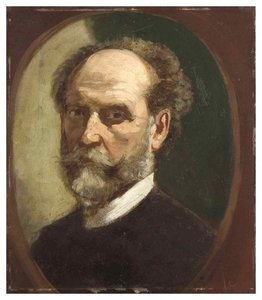
francisco josé resende de vasconcelos
1825 - 1893 , Portugal
Основные сведения
- Artistic Movement Or Style: Hudson River School
- Artists Or Movements Influenced By This Artist: ['George Inness']
- Artists Who Influenced This Artist:
- Claude Lorrain
- Salvator Rosa
- Date Of Birth: 1825
- Date Of Death: 1894
- Full Name: George Inness
- Nationality: American
- Notable Artworks:
- A Bit of the Roman Aqueduct
- Old Wood Choppers
- Place Of Birth: Pineville, NY