

 Предпросмотр
 Поделиться
 Поделиться
 Детали произведения

 Скачать
 Похожие работы
 Рентгенография
 Слайд-шоу
 Статистика
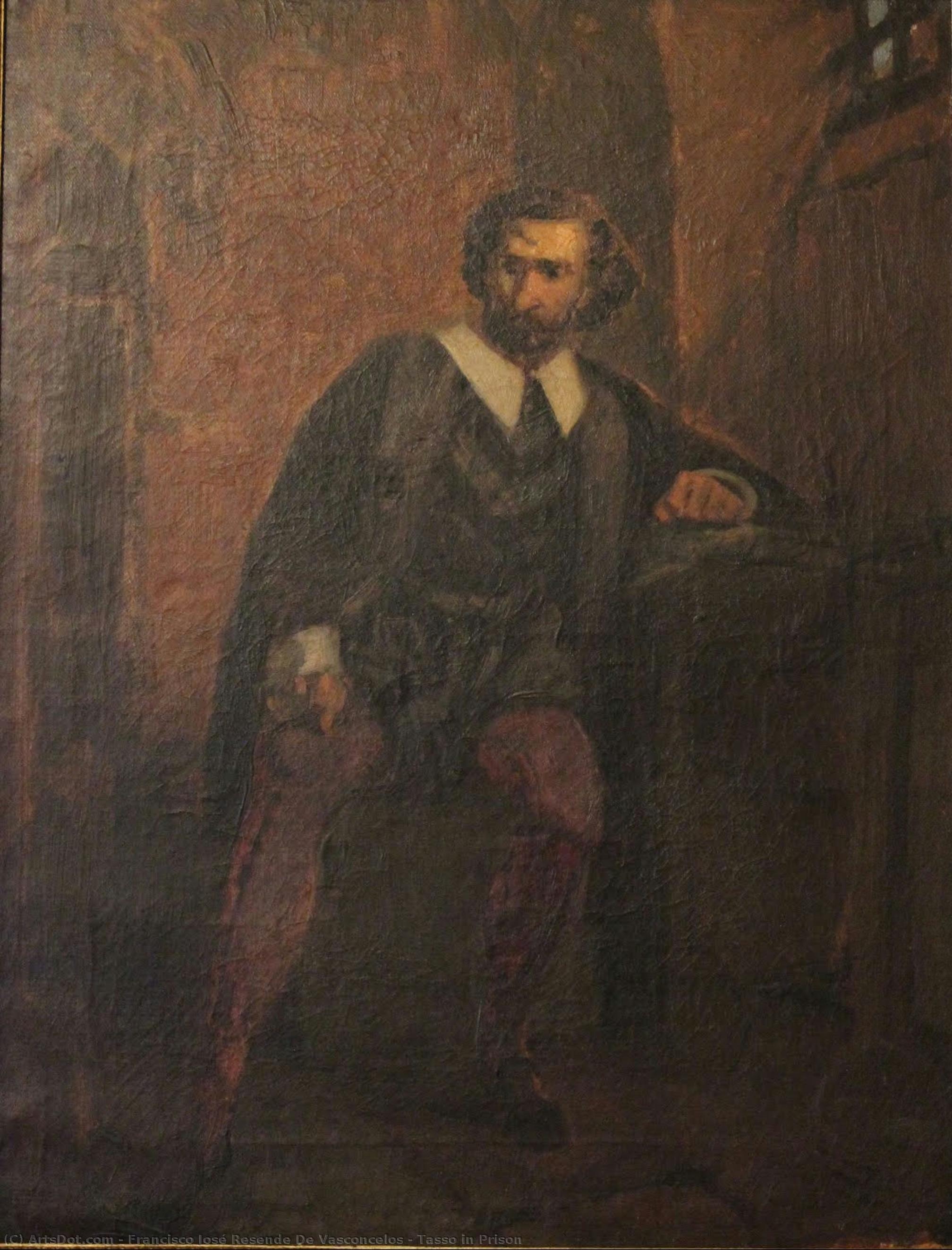
Tasso in Prison


 Читать далее
Масляная репродукция ручной работы
Картина маслом на холсте в выбранном вами размере и раме, написанная на заказ нашими художниками. ( Перейти к печати Перейти к цифровым изображениям)




































Выберите один из наших стандартных размеров, соответствующих оригинальным пропорциям произведения искусства.

Вы можете указать собственные размеры, чтобы картина идеально вписалась в выбранную раму или пространство. Если выбранный вами размер не соответствует пропорциям оригинала, мы либо обрежем полотно, либо расширим его за счет дополнительных элементов, написанных вручную. Цифровой макет будет отправлен вам на утверждение перед началом производства.
Обратите внимание, что предварительный просмотр на экране не отражает фактическую обрезку или расширение. Только макет точно покажет окончательную композицию.
Хотя доступны индивидуальные размеры, мы рекомендуем выбирать вариант из предопределенного списка, чтобы сохранить исходные пропорции.
После оформления заказа команда ArtsDot.com свяжется с клиентом по электронной почте для уточнения деталей и предоставит предварительный макет
Доставка по всему миру () за 3–4 недели вместо стандартных 5 недель. (11 Сентябрь). Без компромиссов в качестве.

Бесплатная экспресс-доставка по всему миру

Высококачественный льняной холст

Полное страхование доставки

Гарантия возмещения таможенных пошлин

Гарантия точного соответствия цветов

100-дневная политика возврата (только при обнаружении дефектов)

Гарантия возврата 100% средств

Предложение оптовых скидок
 Вариант со стеклом доступен только для размеров менее 110 см

Tasso in Prison
Техника репродукции
Размер репродукции
-


Итоговая стоимость
$ 263
Похожие произведения
Биография художника
Jacques-Louis David: A Revolutionary Vision
Born in Strasbourg, Alsace (then part of France) in 1748, Jacques-Louis David emerged as a pivotal figure during the tumultuous era of the French Revolution and its immediate aftermath. His life and career were inextricably linked to the shifting political landscape of his time, reflecting both the ideals of republicanism and the anxieties surrounding social upheaval. Initially trained as a painter by his father, Jean-Baptiste David, a portraitist, Jacques-Louis honed his skills in meticulous draftsmanship and classical composition – disciplines inherited from the traditions of Flemish art. However, it was his encounter with the revolutionary fervor sweeping through France that truly shaped his artistic trajectory, transforming him from a skilled craftsman into a propagandistic force for radical change.
David’s early works demonstrated a commitment to Neoclassicism, drawing inspiration from the idealized forms and balanced compositions of ancient Greek and Roman art. He meticulously studied the works of masters like Poussin and Claude Lorrain, striving to emulate their technical precision and moralizing themes. Yet, as the Revolution gained momentum, David’s artistic sensibilities underwent a dramatic shift. He embraced the revolutionary cause with unwavering zeal, becoming an ardent supporter of Robespierre and the Committee of Public Safety. This commitment manifested most powerfully in his monumental history paintings, which served as potent symbols of republican virtue and sacrifice.
The Revolutionary Years: Propaganda and Spectacle
David’s artistic output during the Revolution is arguably his most significant contribution to art history. He produced a series of works designed not merely to depict historical events but to actively shape public opinion and reinforce revolutionary ideals. *The Oath of the Horatii* (1784), initially conceived as a private commission, was swiftly repurposed by David himself to embody the virtues of patriotism and self-sacrifice – qualities deemed essential for the new republic. The painting’s stark realism, dramatic lighting, and carefully arranged figures powerfully conveyed the message of duty above personal concerns.
However, it was *The Death of Marat* (1793) that cemented David's reputation as a revolutionary artist. This brutally realistic depiction of Jean-Paul Marat’s assassination served as a rallying cry for the Jacobins and a potent symbol of martyrdom. The painting’s stark composition, emphasizing Marat’s lifeless body and the bloodstained sheet, evoked a visceral response in viewers, solidifying David's role as the official propagandist of the Revolution. He continued to produce works such as *The Death of Socrates* (1787) and *The Intervention of the Sabine Women* (1793), each imbued with revolutionary symbolism and designed to inspire civic virtue.
Exile and Artistic Reassessment
Following Robespierre’s downfall in 1794, David found himself increasingly out of favor. Accused of counter-revolutionary sympathies, he was forced into exile in Trieste and later Zurich. During this period of self-imposed isolation, David underwent a profound artistic reassessment. He abandoned the overtly propagandistic style of his revolutionary years and began to explore more personal themes – portraits, mythological subjects, and scenes from classical literature.
His return to France in 1800 marked a significant turning point. He was commissioned by Napoleon Bonaparte to paint *The Coronation of Napoleon* (1805-1807), a monumental work that showcased his technical mastery and reaffirmed his allegiance to the Emperor. This painting, while undeniably grand in scale, reflected a shift away from the radicalism of his earlier years. It demonstrated a renewed interest in classical grandeur and imperial authority, aligning with Napoleon’s ambitions for an empire reminiscent of ancient Rome.
Late Career and Legacy
Despite the changing political climate, David continued to work prolifically throughout his later life, producing portraits, historical paintings, and decorative panels. He remained a prominent figure in Parisian art circles, though his revolutionary past often cast a shadow over his reputation. His late works, such as *The Judgment of Plato* (1810-1812), reveal a continued engagement with philosophical themes but also demonstrate a growing sense of melancholy and disillusionment.
Jacques-Louis David’s legacy is complex and multifaceted. He remains one of the most influential artists of the 18th and 19th centuries, renowned for his technical skill, dramatic compositions, and profound impact on European art. His work served as a powerful tool for political propaganda during the French Revolution, shaping public opinion and solidifying revolutionary ideals. While his artistic style evolved over time, reflecting the shifting political landscape of his era, David’s enduring contribution lies in his ability to capture the drama and intensity of human experience – both heroic and tragic – with unparalleled skill and conviction.
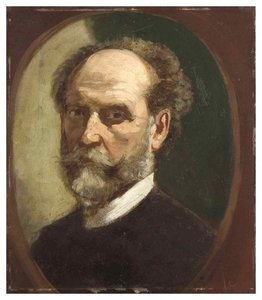
francisco josé resende de vasconcelos
1825 - 1893 , Portugal
Основные сведения
- Artistic Movement Or Style: Hudson River School
- Artists Or Movements Influenced By This Artist: ['George Inness']
- Artists Who Influenced This Artist:
- Claude Lorrain
- Salvator Rosa
- Date Of Birth: 1825
- Date Of Death: 1894
- Full Name: George Inness
- Nationality: American
- Notable Artworks:
- A Bit of the Roman Aqueduct
- Old Wood Choppers
- Place Of Birth: Pineville, NY
Похожие статьи

Топ-25 шедевров Гойи: от придворного портрета до мрачных пророчеств | ArtsDot
Погрузитесь в мир гения Франсиско Гойи! 🎨 От придворных портретов до мрачных "Капричос" – исследуйте топ-25 шедевров испанского романтизма. Купите репродукции картин Гойи музейного качества на ArtsDot.com и украсьте свой интерьер искусством.

Romantic Realism's Finest: 10 Masterpieces for Your Home | ArtsDot
Explore 10 defining masterpieces of Romantic Realism! Discover Courbet, Millet & Daumier's powerful paintings—capturing emotion and social realities. Find museum-quality reproductions for your home at ArtsDot.com.

Романтический пейзаж: 10 шедевров, изменивших искусство | ArtsDot.com
Погрузитесь в мир романтического пейзажа! 10 шедевров Фридриха, Тёрнера и других гениев. Узнайте историю создания культовых картин и вдохновитесь для декора интерьера. Репродукции высокого качества на ArtsDot.com.
The Allure of Romantic Vibe in Artwork: A Historical & Psychological Exploration
Explore the captivating world of Romantic art! Discover its history, psychological depth, key artists like Friedrich & Goya, and find timeless pieces for your collection at ArtsDot.com.
Топ-10 романтических шедевров в искусстве: купить репродукции картин онлайн | ArtsDot.com
Погрузитесь в мир романтики с ArtsDot.com! Откройте топ-10 шедевров искусства, полных любви и чувственности. Репродукции картин известных художников: пейзажи, портреты, импрессионизм. Вдохновение для вашего интерьера – исследуйте коллекцию онлайн!