

 Предпросмотр
 Поделиться
 Поделиться
 Детали произведения

 Скачать
 Похожие работы
 Рентгенография
 Слайд-шоу
 Статистика
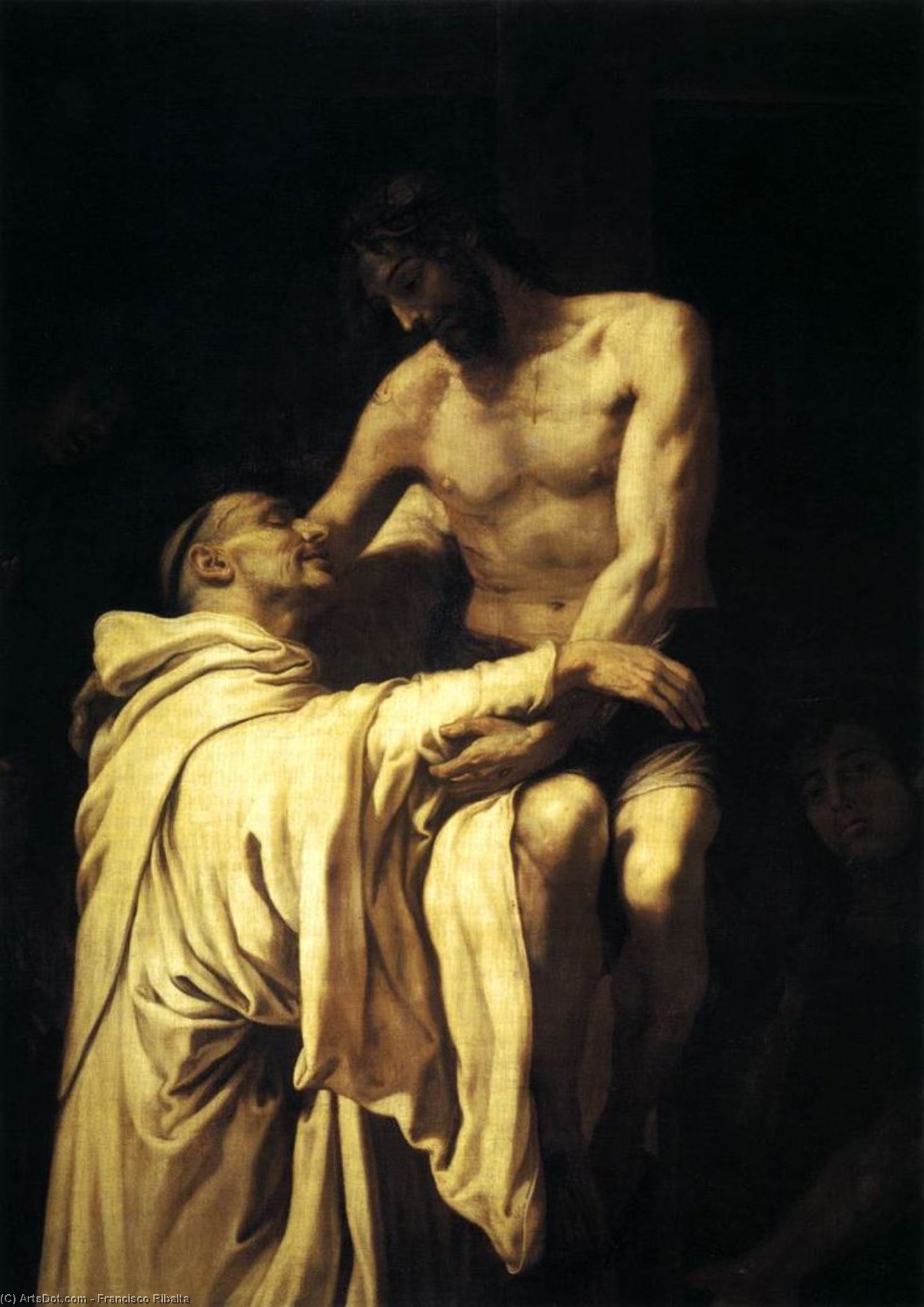
Christ Embracing St Bernard
 Oil On Canvas
- WallArt
- Baroque
 1625
1625- 19th Century
 158.0 x 113.0 cm
 Музей Прадо
 Читать далее
Приобретите цифровое изображение высокого разрешения в улучшенном качестве, которое значительно превосходит онлайн-превью.
Каждый файл тщательно подготавливается нашими специалистами с использованием передовых инструментов и экспертной ручной ретуши. Мы гарантируем исключительную четкость, точную цветопередачу и детальную проработку каждого изображения.
Финальный файл доставляется по электронной почте в течение 72 часов и оптимизирован для немедленного использования в профессиональной среде, при верстке и печати. Это тот же уровень качества, которому доверяют ведущие дизайнерские студии, издательства и галереи.
Цифровое изображение
Скачайте файл высокого разрешения для личного использования, печати и творческих проектов. ( Перейти к печати Купить картину ручной работы)
Включено в каждый заказ цифровых изображений
Гарантия экспертной цифровой доставки
Выбирая ArtsDot.com, вы получаете не просто изображение — вы приобретаете профессионально обработанное цифровое произведение искусства, созданное с безупречной точностью и под защитой гарантии качества. Вот всё, что автоматически входит в ваш заказ:

Мгновенная доставка по e-mail
Ваш цифровой файл в высоком разрешении будет отправлен вам по электронной почте в течение 72 часов после оформления заказа — и сразу станет доступен для использования.

Цифровой файл с ИИ-улучшением
Ваше произведение искусства проходит профессиональную оптимизацию с использованием передовых инструментов ИИ и ручной обработки, что гарантирует максимальную детализацию, четкость и точность цветопередачи.

Бессрочная бесплатная повторная доставка
Случайно удалили или потеряли файл? Не беспокойтесь — мы отправим его вам повторно в любое время и совершенно бесплатно.

Без импортных пошлин — навсегда
Наслаждайтесь вашим произведением искусства мгновенно без таможенных пошлин, сборов или затрат на доставку — цифровые загрузки всегда не облагаются налогом.

Гарантия точности цветопередачи
Мы гарантируем, что ваше цифровое изображение максимально точно передает оригинальные цвета благодаря использованию профессиональных инструментов и систем управления цветом.

Гарантия удовлетворенности 100 дней
Если вы не будете удовлетворены своим цифровым изображением, мы внесем правки или вернем 100% стоимости в течение 100 дней — без лишних вопросов.

100% Гарантия возврата средств
Не удовлетворены покупкой? Получите полный возврат средств в течение 100 дней после получения цифрового файла — без лишних вопросов.

Скидки на оптовые заказы
Купите 3 изображения, сэкономьте 10% — Купите 5, сэкономьте 15% — Купите 10+, сэкономьте 20%. Отличное решение для творческих проектов, галерей и агентств.
A Divine Encounter in Shadow and Light
In the profound stillness of a dimly lit interior, perhaps a secluded cave or a somber tomb, Francisco Ribalta captures a moment of transcendent intimacy that defies the boundaries between the earthly and the divine. Christ Embracing St Bernard is not merely a painting; it is a visceral experience of spiritual ecstasy and quiet devotion. The composition is masterfully structured in a pyramidal form, with the luminous figure of Christ serving as the apex, drawing the viewer’s gaze upward from the grounded, sorrowful figures at the base. This arrangement creates a sense of stability amidst the emotional turbulence, guiding the eye through a landscape of deep shadows and sudden, brilliant highlights that define the very essence of the Spanish Baroque.
The technique employed by Ribalta is a breathtaking display of tenebrism, the dramatic use of extreme chiaroscuro to heighten the painting's psychological tension. By plunging much of the background into an impenetrable darkness, the artist forces our attention onto the tactile reality of the figures. We see the weight of Christ’s body and the intricate, heavy folds of the drapery, rendered with a meticulousness that suggests both volume and physical presence. The light does not merely illuminate; it sculpts. It catches the pale, wounded torso of Christ and the weathered features of the saint, creating a luminous effect achieved through layers of oil glazes that lend the skin a lifelike, almost breathing quality.
The Language of Devotion and Symbolism
Beyond its technical brilliance, the artwork serves as a profound meditation on faith and human suffering. The subject matter—the spiritual embrace between the Savior and St Bernard—is steeped in religious fervor, inviting the observer to contemplate the concept of divine grace. Every gesture within the frame is heavy with symbolic meaning. While the central embrace provides the emotional heart, the surrounding figures, such as John the Evangelist or Nicodemus, act as witnesses to this sacred union, their expressions of reverence and grief mirroring the complex emotions of the faithful. The contrast between the physical wounds of Christ and the tender, protective hold of the saint symbolizes the intersection of human mortality and eternal life.
For the discerning collector or interior designer, this masterpiece offers more than just aesthetic beauty; it provides a focal point of immense character and gravitas. The painting’s ability to command a room through its dramatic lighting and somber palette makes it an ideal centerpiece for spaces designed for reflection, such as a private library, a study, or a formal gallery. A high-quality reproduction of this work allows the timeless drama of Ribalta’s vision to inhabit a modern setting, bringing with it a sense of historical depth and an atmosphere of quiet, sophisticated intensity that transcends the passing trends of decor.
Похожие произведения




Биография художника
The Shadowed Soul of Spanish Baroque
Francisco Ribalta (1565 – 1628) stands as a pivotal figure in the artistic landscape of 17th-century Spain, recognized primarily for his mastery of tenebrism—a dramatic technique that prioritized stark contrasts between light and darkness to heighten emotional impact. Born in Lleida, Catalonia, Ribalta’s formative years were steeped in the artistic traditions of Northern Spain. While precise information regarding his formal training remains somewhat elusive, he undoubtedly absorbed the humanist ideals prevalent during his era. He honed his skills under the tutelage of José Luis Fiol Valero, a respected watercolorist who fostered Ribalta’s appreciation for serene landscapes and meticulous observation, a sensibility that would eventually permeate his entire oeuvre.
The essence of Ribalta’s genius lies in his ability to translate spiritual fervor into visual reality. His artistic breakthrough occurred during his period in Madrid, where he embraced the tenebrist style with profound fervor. Unlike many contemporaries who sought to emulate the flamboyant theatricality found in some Italian works, Ribalta prioritized subtlety and psychological depth. His canvases are characterized by pools of impenetrable darkness punctuated by sudden, radiant shafts of light. This deliberate strategy was designed to draw the viewer’s gaze toward key elements within a scene, evoking a visceral response that aligned perfectly with the intense religious devotion of the Spanish Counter-Reformation.
Technique and the Mastery of Light
Ribalta’s approach to illumination was revolutionary for his time. By eschewing opulent grandeur in favor of austere compositions, he created a space for profound spiritual contemplation. His work often features bodegones—still life paintings that possess a quiet, monumental dignity—alongside large-scale religious iconographies. The interplay of light and shadow in his work does more than just define form; it creates a narrative tension that breathes life into the subjects. Through the use of deep shadows, he was able to isolate figures, stripping away unnecessary distractions to focus on the raw, human emotion of saints, martyrs, and everyday objects alike.
The technical evolution of his style can be seen in how he transitioned from the more meticulous, observational qualities learned early in life toward a much more dramatic, chiaroscuro-heavy approach. This development allowed him to capture the textures of fabric, the weathered skin of elderly figures, and the cold stillness of inanimate objects with an almost tactile realism. His ability to manipulate light served as a bridge between the late Renaissance traditions and the burgeoning Baroque movement.
Legacy and Historical Significance
The historical significance of Francisco Ribalta cannot be overstated, as his influence rippled through the generations of Spanish masters that followed him. He acted as a vital precursor to the giants of the Spanish Golden Age. His stylistic innovations provided the foundation for several legendary artists, including:
- Francisco Velázquez: Who would further refine the use of light and atmosphere in the royal courts.
- Bartolomé Esteban Murillo: Who inherited a tradition of emotional depth and soft luminosity.
- Francisco de Zurbarán: Whose monastic, tenebrist compositions owe a profound debt to Ribalta’s austere mastery.
Ultimately, Ribalta remains a master of the shadows, an artist who understood that the most profound truths are often found where the light meets the dark. His legacy endures not just in the museums that house his works, but in the very DNA of Spanish Baroque art, marking him as one of the foremost practitioners of a revolutionary style that changed the course of art history.

Francisco Ribalta
1565 - 1628 , Spain
Основные сведения
- Artistic Movement Or Style: Tenebrism
- Artists Or Movements Influenced By This Artist:
- Zurbarán
- Velázquez
- Murillo
- Artists Who Influenced This Artist: ['Caravaggio']
- Date Of Birth: 1565 Lleida Spain
- Date Of Death: 1628
- Full Name: Francisco Ribalta
- Nationality: Spanish
- Notable Artworks:
- Christ Embracing St Bernard
- The Deposition
- St Francis Comforted by an Angel
- Place Of Birth: Lleida Spain