

 Предпросмотр
 Поделиться
 Поделиться
 Детали произведения

 Скачать
 Похожие работы
 Рентгенография
 Слайд-шоу
 Статистика
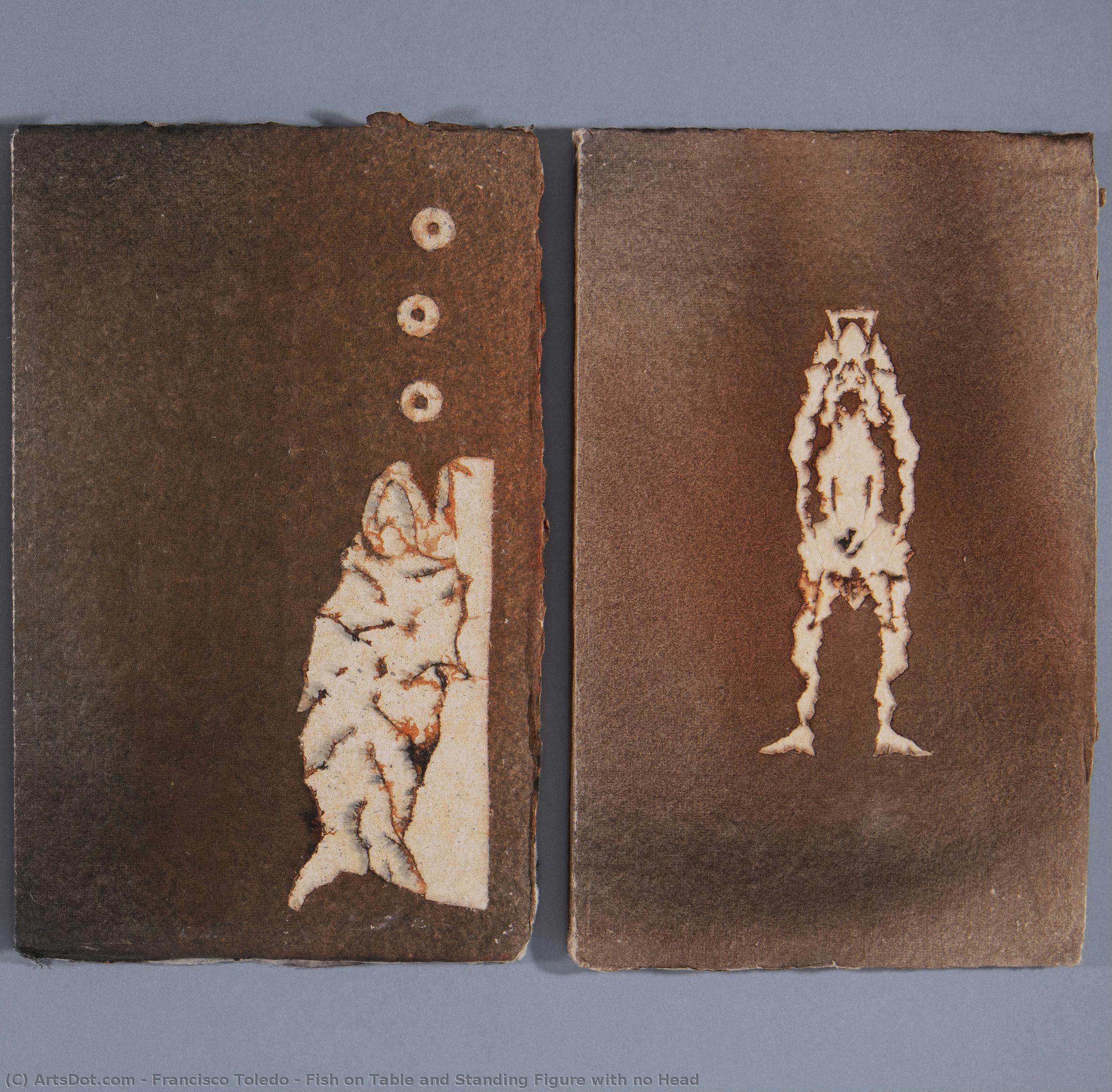
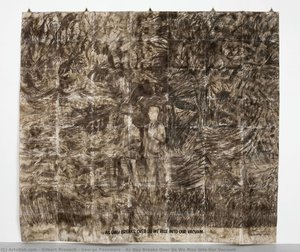
Fish on Table and Standing Figure with no Head
 Acrylic On Canvas
- WallArt
- Contemporary Realism
 2002
2002 35.0 x 22.0 cm
 USC Fisher Museum of Art
 Читать далее
Приобретите цифровое изображение высокого разрешения в улучшенном качестве, которое значительно превосходит онлайн-превью.
Каждый файл тщательно подготавливается нашими специалистами с использованием передовых инструментов и экспертной ручной ретуши. Мы гарантируем исключительную четкость, точную цветопередачу и детальную проработку каждого изображения.
Финальный файл доставляется по электронной почте в течение 72 часов и оптимизирован для немедленного использования в профессиональной среде, при верстке и печати. Это тот же уровень качества, которому доверяют ведущие дизайнерские студии, издательства и галереи.
Цифровое изображение
Скачайте файл высокого разрешения для личного использования, печати и творческих проектов. ( Перейти к печати Купить картину ручной работы)
Включено в каждый заказ цифровых изображений
Гарантия экспертной цифровой доставки
Выбирая ArtsDot.com, вы получаете не просто изображение — вы приобретаете профессионально обработанное цифровое произведение искусства, созданное с безупречной точностью и под защитой гарантии качества. Вот всё, что автоматически входит в ваш заказ:

Мгновенная доставка по e-mail
Ваш цифровой файл в высоком разрешении будет отправлен вам по электронной почте в течение 72 часов после оформления заказа — и сразу станет доступен для использования.

Цифровой файл с ИИ-улучшением
Ваше произведение искусства проходит профессиональную оптимизацию с использованием передовых инструментов ИИ и ручной обработки, что гарантирует максимальную детализацию, четкость и точность цветопередачи.

Бессрочная бесплатная повторная доставка
Случайно удалили или потеряли файл? Не беспокойтесь — мы отправим его вам повторно в любое время и совершенно бесплатно.

Без импортных пошлин — навсегда
Наслаждайтесь вашим произведением искусства мгновенно без таможенных пошлин, сборов или затрат на доставку — цифровые загрузки всегда не облагаются налогом.

Гарантия точности цветопередачи
Мы гарантируем, что ваше цифровое изображение максимально точно передает оригинальные цвета благодаря использованию профессиональных инструментов и систем управления цветом.

Гарантия удовлетворенности 100 дней
Если вы не будете удовлетворены своим цифровым изображением, мы внесем правки или вернем 100% стоимости в течение 100 дней — без лишних вопросов.

100% Гарантия возврата средств
Не удовлетворены покупкой? Получите полный возврат средств в течение 100 дней после получения цифрового файла — без лишних вопросов.

Скидки на оптовые заказы
Купите 3 изображения, сэкономьте 10% — Купите 5, сэкономьте 15% — Купите 10+, сэкономьте 20%. Отличное решение для творческих проектов, галерей и агентств.
The Enigmatic Duo: A Glimpse into Toledo's Oaxacan Soul
Francisco Toledo’s “Fish on Table and Standing Figure with no Head,” painted in 2002, isn’t merely a pair of canvases; it’s a distilled essence of the artist’s lifelong engagement with Mexican identity, indigenous culture, and the complex interplay between tradition and modernity. Created during a period of significant social and political upheaval in Oaxaca, where Toledo maintained a deeply rooted home, this work embodies his signature blend of vibrant color, symbolic imagery, and a subtle yet persistent critique of colonial legacies. The painting immediately draws the eye with its stark juxtaposition – a seemingly simple still life alongside an unsettlingly vacant figure – inviting prolonged contemplation and a deeper understanding of Toledo’s artistic vision.
- The Fish on Table: A plump, almost cartoonish fish rests upon a weathered stone surface. Its bright scales—a riot of turquoise, crimson, and gold—contrast sharply with the muted tones of the table, suggesting abundance and vitality amidst an underlying sense of vulnerability. The positioning is deliberate; it’s not simply placed on the table, but *dominates* it, asserting its presence and demanding attention.
- The Standing Figure: In stark contrast to the fish, a solitary figure stands upright, yet devoid of a head. This absence creates an immediate feeling of incompleteness, prompting questions about identity, memory, and the very nature of being. The figure’s posture is one of quiet contemplation, almost mournful, adding a layer of pathos to the composition.
A Dialogue Between Worlds: Style, Technique, and Toledo's Influences
Toledo’s style is instantly recognizable – a vibrant synthesis of Mexican folk art traditions with European influences, particularly Surrealism and Cubism. The painting showcases his masterful use of color, employing bold hues to create dynamic visual relationships. The brushwork is loose and expressive, conveying a sense of immediacy and spontaneity. He frequently incorporated elements of Zapotec iconography into his work, drawing upon the rich mythology and symbolism of his ancestral home. This piece demonstrates his signature layering technique, building up surfaces with multiple thin washes of color to create depth and texture. The use of impasto – thick application of paint – is particularly evident in the fish’s scales, adding a tactile quality to the image.
The painting's roots are deeply embedded in Oaxacan culture, reflecting Toledo’s commitment to preserving and celebrating indigenous traditions while simultaneously challenging colonial narratives.Symbolism and Context: Unpacking the Layers of Meaning
The pairing of the fish and the headless figure is rich with symbolic potential. The fish, a recurring motif in Toledo's work, often represents fertility, abundance, and connection to the natural world – elements vital to indigenous cultures. However, its placement on the table suggests a disruption of this harmony, hinting at the impact of modernization and Western influence. The headless figure, arguably the more enigmatic element, can be interpreted as representing lost identity, forgotten histories, or perhaps even the silenced voices of marginalized communities. It’s a poignant reminder of the consequences of cultural erasure.
Considering the painting's creation in 2002, it’s crucial to acknowledge the context of post-NAFTA Mexico – a period marked by rapid economic change and increasing social inequality. Toledo was deeply involved in activism surrounding these issues, using his art as a vehicle for social commentary and cultural preservation. The USC Fisher Museum of Art, where this piece resides, further underscores its significance within the broader landscape of contemporary Mexican art.
A Timeless Reflection: Emotional Impact and Artistic Legacy
"Fish on Table and Standing Figure with no Head" is more than just a visually striking artwork; it’s a powerful meditation on identity, memory, and the enduring legacy of colonialism. The painting evokes a sense of melancholy and contemplation, prompting viewers to confront uncomfortable truths about cultural exchange and the complexities of human experience. Its vibrant colors and evocative imagery create an emotional resonance that lingers long after viewing, solidifying Toledo's place as one of Mexico’s most important and influential artists. Reproductions capture much of this power, offering a window into the artist’s profound vision.
Похожие произведения


Биография художника
A Life Woven into the Soul of Oaxaca
Francisco Benjamín López Toledo, born in Juchitán de Zaragoza, Oaxaca, in 1940, wasn’t merely an artist; he was a cultural architect, a passionate advocate for his homeland, and one of Mexico's most profoundly influential contemporary figures. His life story is inextricably linked to the vibrant traditions and often-overlooked complexities of Oaxacan culture, a heritage that permeates every brushstroke, sculpted form, and woven thread of his extensive oeuvre. Toledo’s artistic journey began early, nurtured by the rich visual language of his Zapotec upbringing and formalized through studies at the Escuela de Bellas Artes de Oaxaca and later at the Centro Superior de Artes Aplicadas del Instituto Nacional de Bellas Artes in Mexico City under the guidance of Guillermo Silva Santamaría. However, formal training only provided a foundation; Toledo’s true education came from immersing himself in the world around him – the landscapes, folklore, and social realities of his native state.A Kaleidoscope of Influences
To categorize Francisco Toledo within a single artistic movement proves impossible, and perhaps even undesirable. His style is remarkably fluid, a captivating synthesis of diverse influences that reflect both his intellectual curiosity and deep-rooted cultural identity. The echoes of Pre-Columbian art resonate strongly in his work, particularly the iconography of Zapotec and other indigenous cultures, manifesting as stylized figures and symbolic motifs. This ancestral connection is beautifully interwoven with the exuberant palette and narrative spirit of Mexican folk art, creating a visual language that feels both ancient and strikingly modern. Yet, Toledo wasn’t content to simply replicate tradition; he fearlessly embraced elements of Surrealism, allowing dreamlike compositions and explorations of the subconscious to surface in his paintings and graphic works. This unique blend—a harmonious collision of history, heritage, and personal vision—defines the distinctive character of his art. He frequently employed bold lines, textured surfaces, and a deliberately limited color palette, creating images that are visually arresting and emotionally resonant. Artists who influenced this artist include Rufino Tamayo, Paul Klee, and Jean Dubuffet.Themes of Identity, Society, and Nature
Recurring themes weave through Toledo’s artistic narrative, revealing his profound engagement with the world around him. Oaxacan culture is not merely a subject matter but a living presence in his work—a celebration of traditions, beliefs, and the everyday lives of its people. Beyond aesthetic representation, Toledo used his art as a powerful vehicle for social commentary, fearlessly addressing issues such as poverty, inequality, and political corruption with both subtlety and directness. His canvases often serve as poignant reflections on the human condition, prompting viewers to confront uncomfortable truths about society. He explored themes of displacement, migration, and the impact of globalization on indigenous communities, presenting his observations with unflinching honesty and compassion. Equally prominent is his fascination with mythology and symbolism, drawing upon Zapotec lore and universal archetypes to imbue his work with layers of meaning. His imagery frequently incorporates motifs from Zapotec cosmology—representations of deities, spirits, and ancestral figures—creating visual narratives that convey profound spiritual insights. Finally, a deep reverence for nature—the landscapes, flora, and fauna of Oaxaca—is evident in his meticulous depictions of the natural world, where every plant and creature carries symbolic weight. He captured the beauty and fragility of Oaxacan ecosystems with an artist’s eye for detail and sensitivity.Major Achievements & Artistic Style
Toledo's artistic style is characterized by a distinctive blend of Surrealism, Folk Art, and Graphic Art. His paintings are marked by bold lines, textured surfaces, and a deliberately limited color palette—a stylistic choice that prioritizes emotional impact over photographic realism. Recurring motifs include stylized figures, geometric patterns, and symbolic representations of Zapotec iconography. He skillfully combined elements of Surrealist dreamscapes with the vibrant colors and narrative traditions of Mexican folk art, resulting in images that are both intellectually stimulating and aesthetically captivating. Notable artworks include “Grasshopper and Alligator,” “Two People Squatting…” and “Redes con Cangrejos…”. His graphic works—prints, etchings, and silkscreens—further solidified his reputation as a master of visual communication, employing innovative techniques to convey complex ideas with clarity and precision. He established IAGO (Instituto de Artes Gráficas de Oaxaca), MACO (Museo de Arte Contemporáneo de Oaxaca) and Patronato Pro-Defensa y Conservación del Patrimonio Cultural de Oaxaca—institutions that continue to promote artistic expression and cultural heritage in Oaxaca.Historical Significance & Legacy
Francisco Toledo’s contribution to Mexican art history is undeniable. He championed a unique artistic vision that challenged conventional notions of beauty and representation, advocating for the preservation of indigenous culture and fostering dialogue between tradition and modernity. His work has been exhibited internationally, reaching audiences across continents and cementing his place as one of Mexico's most celebrated contemporary artists. Toledo’s legacy extends beyond his artistic creations; he served as a tireless advocate for social justice and cultural empowerment, inspiring countless individuals to embrace creativity and engage in meaningful conversations about the challenges facing their communities. He died September 5th, 2019 at age 79. His enduring influence continues to inspire artists and scholars alike—a testament to the transformative power of art and the importance of honoring cultural heritage.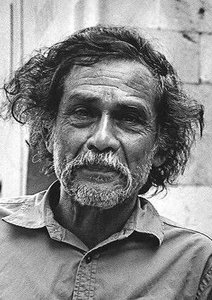
Франсиско Толедо
1940 - , Мексика
Основные сведения
- Artistic Movement Or Style: Surrealismo, Arte Popular
- Artists Who Influenced This Artist:
- Rufino Tamayo
- Paul Klee
- Jean Dubuffet
- Date Of Birth: 1940
- Full Name: Francisco Benjamín López Toledo
- Nationality: Mexicano
- Notable Artworks:
- Grillo y Cocodrilo
- Dos personas echadas...
- Redes con Cangrejos...
- Place Of Birth: Juchitán de Zaragoza, México