

 Предпросмотр
 Поделиться
 Поделиться
 Детали произведения

 Скачать
 Похожие работы
 Рентгенография
 Слайд-шоу
 Статистика
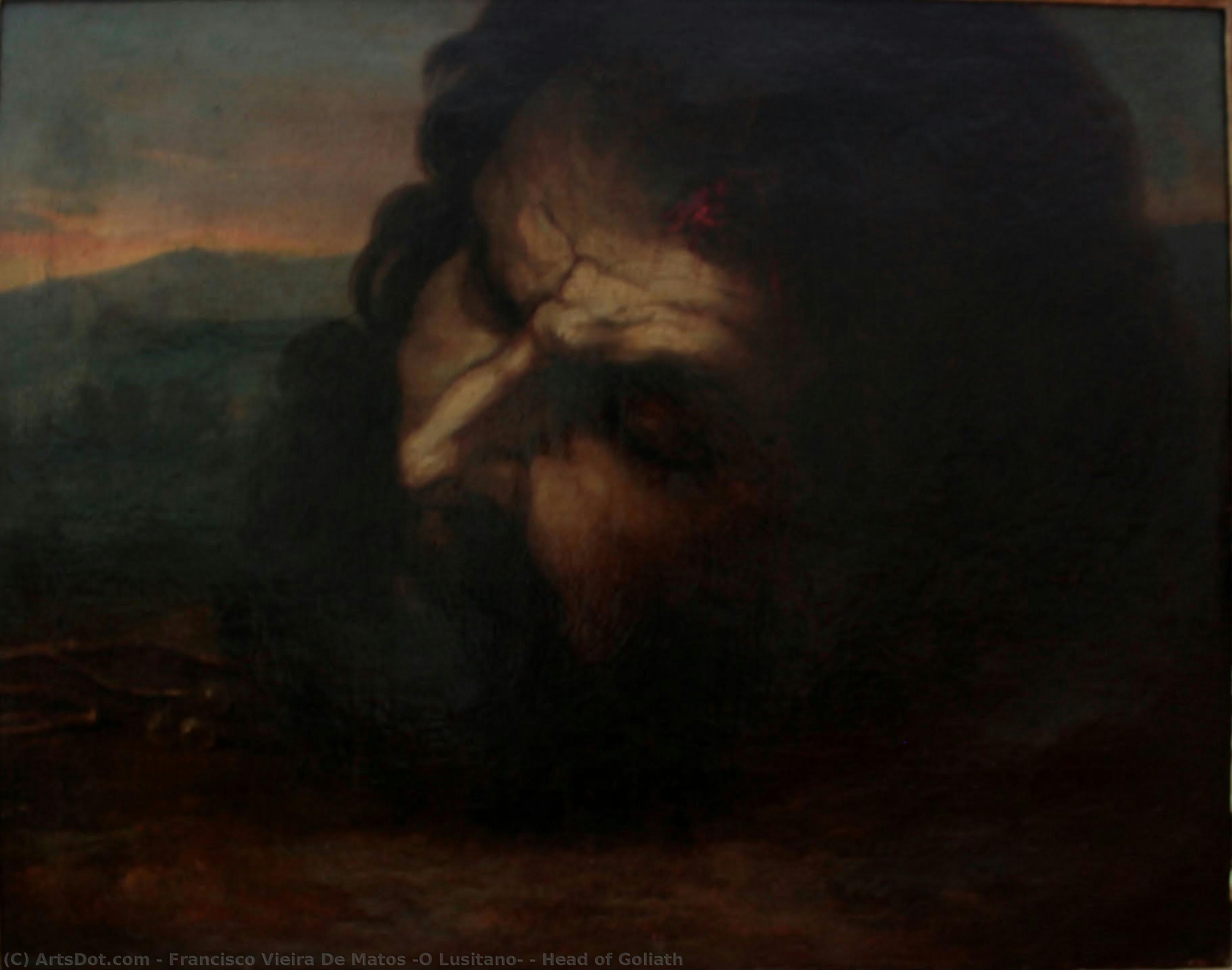
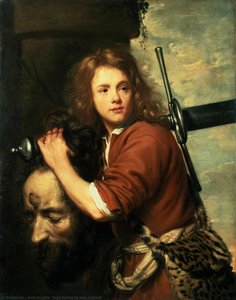
Head of Goliath


 Читать далее
Приобретите цифровое изображение высокого разрешения в улучшенном качестве, которое значительно превосходит онлайн-превью.
Каждый файл тщательно подготавливается нашими специалистами с использованием передовых инструментов и экспертной ручной ретуши. Мы гарантируем исключительную четкость, точную цветопередачу и детальную проработку каждого изображения.
Финальный файл доставляется по электронной почте в течение 72 часов и оптимизирован для немедленного использования в профессиональной среде, при верстке и печати. Это тот же уровень качества, которому доверяют ведущие дизайнерские студии, издательства и галереи.
Цифровое изображение
Скачайте файл высокого разрешения для личного использования, печати и творческих проектов. ( Перейти к печати Купить картину ручной работы)
Включено в каждый заказ цифровых изображений
Гарантия экспертной цифровой доставки
Выбирая ArtsDot.com, вы получаете не просто изображение — вы приобретаете профессионально обработанное цифровое произведение искусства, созданное с безупречной точностью и под защитой гарантии качества. Вот всё, что автоматически входит в ваш заказ:

Мгновенная доставка по e-mail
Ваш цифровой файл в высоком разрешении будет отправлен вам по электронной почте в течение 72 часов после оформления заказа — и сразу станет доступен для использования.

Цифровой файл с ИИ-улучшением
Ваше произведение искусства проходит профессиональную оптимизацию с использованием передовых инструментов ИИ и ручной обработки, что гарантирует максимальную детализацию, четкость и точность цветопередачи.

Бессрочная бесплатная повторная доставка
Случайно удалили или потеряли файл? Не беспокойтесь — мы отправим его вам повторно в любое время и совершенно бесплатно.

Без импортных пошлин — навсегда
Наслаждайтесь вашим произведением искусства мгновенно без таможенных пошлин, сборов или затрат на доставку — цифровые загрузки всегда не облагаются налогом.

Гарантия точности цветопередачи
Мы гарантируем, что ваше цифровое изображение максимально точно передает оригинальные цвета благодаря использованию профессиональных инструментов и систем управления цветом.

Гарантия удовлетворенности 100 дней
Если вы не будете удовлетворены своим цифровым изображением, мы внесем правки или вернем 100% стоимости в течение 100 дней — без лишних вопросов.

100% Гарантия возврата средств
Не удовлетворены покупкой? Получите полный возврат средств в течение 100 дней после получения цифрового файла — без лишних вопросов.

Скидки на оптовые заказы
Купите 3 изображения, сэкономьте 10% — Купите 5, сэкономьте 15% — Купите 10+, сэкономьте 20%. Отличное решение для творческих проектов, галерей и агентств.
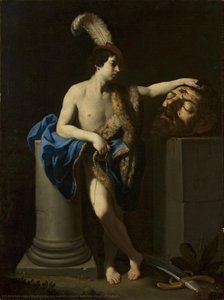
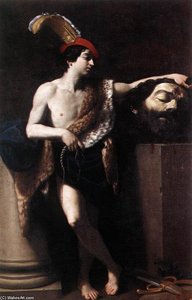
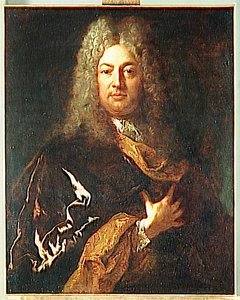
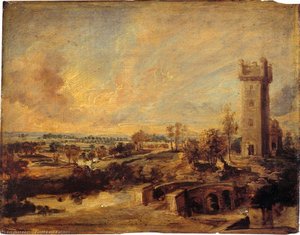
Похожие произведения

Биография художника
The Baroque Visionary: The Life and Legacy of Francisco Vieira de Matos
In the grand, sweeping tapestry of Portuguese art history, few names evoke the dramatic intensity of the Baroque era quite like Francisco Vieira de Matos. Known affectionately by the evocative moniker "O Lusitano," this master painter emerged from the vibrant cultural landscape of Portugal to become a defining voice of his age. While the precise details of his earliest years remain shrouded in the mists of time, we know him to have been born around 1698, a period when Lisbon was a burgeoning center of European artistic exchange. His journey was one of profound spiritual and technical evolution, shaped by the turbulent rhythms of an era marked by both immense grandeur and sudden catastrophe.
The foundations of his artistry were laid under the watchful eyes of the masters of his time. Scholars believe that Vieira de Matost honed his craft under the tutelage of António José Campanella, a prominent figure whose penchant for dramatic compositions and emotive rendering left an indelible mark on the young artist's soul. This early training instilled in him a deep appreciation for the theatricality of the Baroque style—a movement that sought to bridge the gap between the earthly and the divine through the use of light, shadow, and overwhelming scale.
A Mastery of Light and Shadow
To gaze upon a work by O Lusitano is to enter a world defined by chiaroscuro. He possessed an uncanny ability to manipulate the interplay between brilliant highlights and deep, swallowing shadows, using this technique not merely as a formal device, but as a psychological tool to guide the viewer’s emotional response. His canvases often pulse with a sense of spiritual fervor, particularly in his religious narratives where the divine presence is felt through the sudden, piercing light that breaks across a scene.
This preoccupation with mortality and divine providence was profoundly deepened by the Lisbon Earthquake of 1755. The devastation of this seismic event forced artists across the kingdom to grapple with themes of faith, loss, and the fragility of human existence. Vieira de Matos responded to this collective trauma through his art, imbuing his biblical and mythological scenes with a palpable sense of tension and gravity. His monumental 1730 composition, “Studies for Christ Enraged with the World and the Virgin Placating His Wrath,” stands as a testament to this mastery, showcasing his meticulous attention to detail and his ability to capture the complex psychological states of his subjects.
Artistic Evolution and Historical Significance
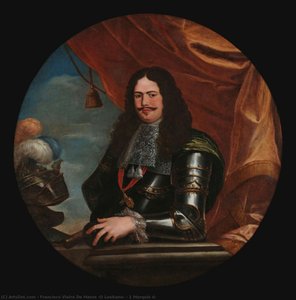
As his career progressed, the scope of his work expanded beyond the purely religious. He moved with grace between the sacred and the secular, applying his dramatic sensibilities to portraits of nobility and mythological allegories. His ability to render textures—the cold glint of armor in a portrait like “1 Marquis d’...” or the soft, tragic flesh in his various studies of heads—demonstrated a technical versatility that earned him international recognition. Throughout his long life, which spanned eighty-four years, he achieved a level of acclaim that extended far beyond the borders of Portugal, leaving behind a body of work that resonated throughout the European continent.
The historical significance of Francisco Vieira de Matos lies in his role as a bridge between eras. While his heart remained rooted in the Baroque and Rococo formalizations, his later works began to whisper of the shifting tides toward Neoclassicism and the burgeoning sensitivity of Romanticism. He remains a pivotal figure whose work captures the very essence of the Portuguese spirit during a transformative century—a painter who could find both the terrifying power of the divine and the quiet dignity of the human condition within the dance of light and shadow.
Основные сведения
- Artistic Movement Or Style: Baroque
- Full Name: Francisco Vieira de Matos "O Lusitano"
- Nationality: Portuguese
- Notable Artworks:
- Studies for Christ Enraged with the World and Virgin Placating His Wrath
- Head of Goliath
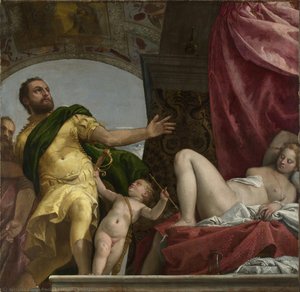
- Mythological Scene
- Place Of Birth: Portugal