


 Предпросмотр
 Поделиться
 Поделиться
 Детали произведения

 Скачать
 Похожие работы
 Рентгенография
 Слайд-шоу
 Статистика
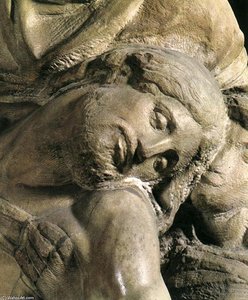
Sorrow, Tomb of Pierre Gareau


 Читать далее
Приобретите цифровое изображение высокого разрешения в улучшенном качестве, которое значительно превосходит онлайн-превью.
Каждый файл тщательно подготавливается нашими специалистами с использованием передовых инструментов и экспертной ручной ретуши. Мы гарантируем исключительную четкость, точную цветопередачу и детальную проработку каждого изображения.
Финальный файл доставляется по электронной почте в течение 72 часов и оптимизирован для немедленного использования в профессиональной среде, при верстке и печати. Это тот же уровень качества, которому доверяют ведущие дизайнерские студии, издательства и галереи.
Цифровое изображение
Скачайте файл высокого разрешения для личного использования, печати и творческих проектов. ( Перейти к печати Купить картину ручной работы)
Включено в каждый заказ цифровых изображений
Гарантия экспертной цифровой доставки
Выбирая ArtsDot.com, вы получаете не просто изображение — вы приобретаете профессионально обработанное цифровое произведение искусства, созданное с безупречной точностью и под защитой гарантии качества. Вот всё, что автоматически входит в ваш заказ:

Мгновенная доставка по e-mail
Ваш цифровой файл в высоком разрешении будет отправлен вам по электронной почте в течение 72 часов после оформления заказа — и сразу станет доступен для использования.

Цифровой файл с ИИ-улучшением
Ваше произведение искусства проходит профессиональную оптимизацию с использованием передовых инструментов ИИ и ручной обработки, что гарантирует максимальную детализацию, четкость и точность цветопередачи.

Бессрочная бесплатная повторная доставка
Случайно удалили или потеряли файл? Не беспокойтесь — мы отправим его вам повторно в любое время и совершенно бесплатно.

Без импортных пошлин — навсегда
Наслаждайтесь вашим произведением искусства мгновенно без таможенных пошлин, сборов или затрат на доставку — цифровые загрузки всегда не облагаются налогом.

Гарантия точности цветопередачи
Мы гарантируем, что ваше цифровое изображение максимально точно передает оригинальные цвета благодаря использованию профессиональных инструментов и систем управления цветом.

Гарантия удовлетворенности 100 дней
Если вы не будете удовлетворены своим цифровым изображением, мы внесем правки или вернем 100% стоимости в течение 100 дней — без лишних вопросов.

100% Гарантия возврата средств
Не удовлетворены покупкой? Получите полный возврат средств в течение 100 дней после получения цифрового файла — без лишних вопросов.

Скидки на оптовые заказы
Купите 3 изображения, сэкономьте 10% — Купите 5, сэкономьте 15% — Купите 10+, сэкономьте 20%. Отличное решение для творческих проектов, галерей и агентств.
Похожие произведения






Биография художника
The Shadow Sculptor: The Life and Legacy of François Dominique Aimé Milhomme
François Dominique Aimé Milhomme (1758–1823) remains one of the most evocative figures in the landscape of late eighteenth-century sculpture, an artist whose hands breathed life into stone with a unique blend of classical precision and haunting emotional depth. Born in the storied city of Valenciennes, France, Milhomme was raised in an environment steeped in artistic tradition, a foundation that would later allow him to navigate the shifting tides of European aesthetics. His early journey was shaped by the rigorous tutelage of Pierre-Joseph Gillet, a respected sculptor from his hometown who instilled in him a profound respect for anatomical accuracy and the fundamental principles of sculptural form. This formative period in Valenciennes provided the technical bedrock upon which Milhomme would later build his more complex, emotive explorations of the human condition. As his ambitions grew, Milhomme migrated to Paris, the beating heart of the art world, where he immersed himself in the sophisticated atmosphere of the French capital. Here, his style began to evolve through the influence of luminaries such as André-Jean Lebrun and Christophe-Gabriel Allegrain. From these masters, he absorbed more than just technical prowess; he learned the art of capturing movement and the subtle nuances of expression that distinguish a mere likeness from a living soul. This Parisian apprenticeship was crucial in refining his ability to balance the rigid ideals of Neoclassicism with the burgeoning, darker sensibilities of Gothic Revivalism, creating a tension in his work that many contemporary critics found both mesmerizing and unsettling.A Sculptor Amidst Revolution and Grandeur
The trajectory of Milhomme’s career was inextricably linked to the turbulent political landscape of France. During the French Revolution, a period defined by dramatic social upheaval and intellectual ferment, Milhomme demonstrated a remarkable versatility. While many artists struggled to find footing amidst the chaos, he embraced opportunities for monumental public works, contributing significantly to the decoration of the Théâtre Italien in Paris. This engagement with public art allowed him to showcase his ability to work on a grand scale, integrating sculptural elements into architectural narratives that spoke to the changing cultural identity of the era. His mastery reached its zenith through his involvement in prestigious commissions that bridged the gap between private devotion and state grandeur. One of his most celebrated achievements was the creation of the statue of Jean Baptiste Colbert, commissioned for the magnificent Château de Versailles. In this ambitious undertaking, Milhomme utilized marble carving to capture not just the physical likeness of the statesman, but a sense of historical weight and authority. This work stands as a testament to his ability to command the medium of stone, imbuing it with a dignity that resonated with the highest levels of European patronage.The Intersection of Classical Form and Gothic Emotion
What truly distinguishes Milhomme from his contemporaries was his ability to inhabit two worlds simultaneously: the light of classical reason and the shadows of Romanticism. While his training was rooted in the clarity of the classical tradition, his later works often drifted toward a more somber, introspective territory. This duality is perhaps best observed in his approach to portraiture and funerary art, where he could evoke profound sorrow and a sense of the sublime. His work often carries an atmospheric weight, a quality that earned him a reputation as a sculptor of shadows, capable of rendering the ephemeral nature of grief and memory in permanent stone. The historical significance of Milhomme lies in this very synthesis of styles. He was not merely a follower of trends but a bridge between eras, helping to transition the sculptural language from the structured elegance of the eighteenth century into the more turbulent, emotive landscapes of the nineteenth. His legacy is found in the enduring power of his portrait busts and monumental pieces, which continue to captivate viewers with their ability to whisper stories of loss, power, and the eternal human spirit through the silent, cold medium of marble.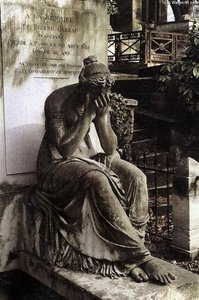
françois dominique aimé milhomme
1758 - 1823 , France
Основные сведения
- Artistic Movement Or Style: British Gothic Art
- Artists Or Movements Influenced By This Artist: ['Romanticism']
- Artists Who Influenced This Artist:
- André-Jean Lebrun
- Christophe-Gabriel Allegrain
- Date Of Birth: 1758 Valenciennes France
- Date Of Death: 1823 Paris France
- Full Name: François Dominique Aimé Milhomme
- Nationality: French
- Notable Artworks: ['Sorrow Tomb Pierre Gareau']
- Place Of Birth: Valenciennes France