

 Предпросмотр
 Поделиться
 Поделиться
 Детали произведения

 Скачать
 Похожие работы
 Рентгенография
 Слайд-шоу
 Статистика
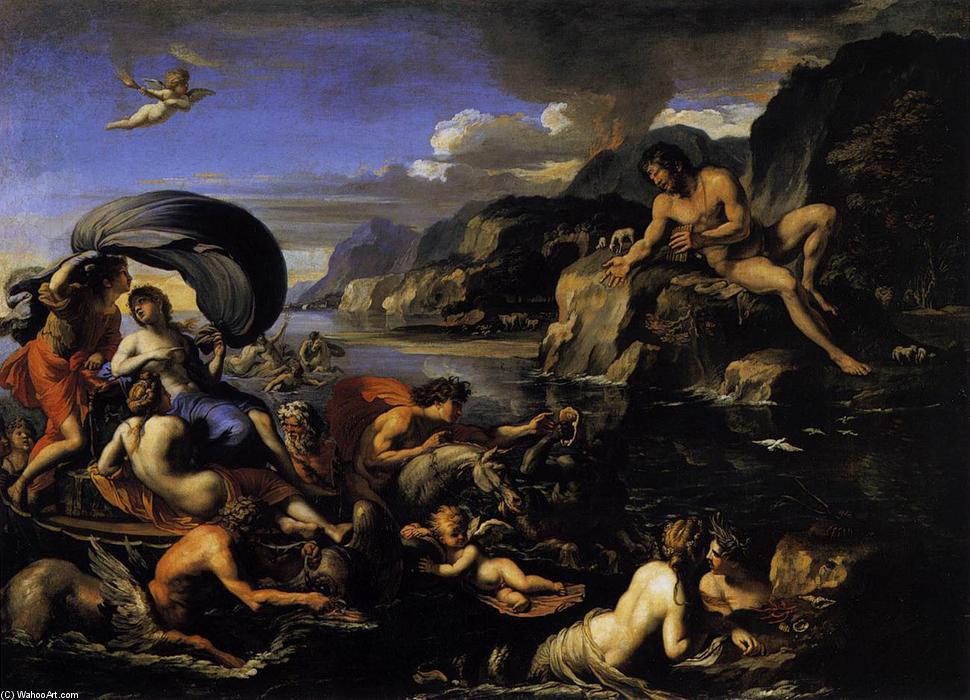
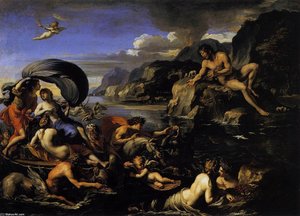
Acis, Galatea, and Polyphemus
 Oil On Canvas
- WallArt
- Baroque
 1645
1645 97.0 x 133.0 cm
 Лувр
Лувр
 Читать далее
Приобретите цифровое изображение высокого разрешения в улучшенном качестве, которое значительно превосходит онлайн-превью.
Каждый файл тщательно подготавливается нашими специалистами с использованием передовых инструментов и экспертной ручной ретуши. Мы гарантируем исключительную четкость, точную цветопередачу и детальную проработку каждого изображения.
Финальный файл доставляется по электронной почте в течение 72 часов и оптимизирован для немедленного использования в профессиональной среде, при верстке и печати. Это тот же уровень качества, которому доверяют ведущие дизайнерские студии, издательства и галереи.
Цифровое изображение
Скачайте файл высокого разрешения для личного использования, печати и творческих проектов. ( Перейти к печати Купить картину ручной работы)
Включено в каждый заказ цифровых изображений
Гарантия экспертной цифровой доставки
Выбирая ArtsDot.com, вы получаете не просто изображение — вы приобретаете профессионально обработанное цифровое произведение искусства, созданное с безупречной точностью и под защитой гарантии качества. Вот всё, что автоматически входит в ваш заказ:

Мгновенная доставка по e-mail
Ваш цифровой файл в высоком разрешении будет отправлен вам по электронной почте в течение 72 часов после оформления заказа — и сразу станет доступен для использования.

Цифровой файл с ИИ-улучшением
Ваше произведение искусства проходит профессиональную оптимизацию с использованием передовых инструментов ИИ и ручной обработки, что гарантирует максимальную детализацию, четкость и точность цветопередачи.

Бессрочная бесплатная повторная доставка
Случайно удалили или потеряли файл? Не беспокойтесь — мы отправим его вам повторно в любое время и совершенно бесплатно.

Без импортных пошлин — навсегда
Наслаждайтесь вашим произведением искусства мгновенно без таможенных пошлин, сборов или затрат на доставку — цифровые загрузки всегда не облагаются налогом.

Гарантия точности цветопередачи
Мы гарантируем, что ваше цифровое изображение максимально точно передает оригинальные цвета благодаря использованию профессиональных инструментов и систем управления цветом.

Гарантия удовлетворенности 100 дней
Если вы не будете удовлетворены своим цифровым изображением, мы внесем правки или вернем 100% стоимости в течение 100 дней — без лишних вопросов.

100% Гарантия возврата средств
Не удовлетворены покупкой? Получите полный возврат средств в течение 100 дней после получения цифрового файла — без лишних вопросов.

Скидки на оптовые заказы
Купите 3 изображения, сэкономьте 10% — Купите 5, сэкономьте 15% — Купите 10+, сэкономьте 20%. Отличное решение для творческих проектов, галерей и агентств.
The Dramatic Narrative of François Perrier’s “Acis, Galatea, and Polyphemus”
François Perrier's "Acis, Galatea, and Polyphemus," painted in 1645, isn’t merely a depiction of a classical myth; it’s a visceral plunge into the heart of Baroque drama. This monumental canvas, measuring nearly four by six feet, immediately commands attention with its dynamic composition and intensely emotional palette. Perrier masterfully transports the audience to a rugged, storm-wracked landscape – a crucial element that elevates the scene beyond a simple mythological illustration. The rocky terrain, rendered with meticulous detail, suggests both vulnerability and resilience, mirroring the precarious fate of Acis and the looming threat posed by the monstrous Polyphemus.
The central figures—Acis, lying tragically at Galatea’s feet; Galatea herself, radiating a poignant blend of grief and protective tenderness; and the towering, enraged Polyphemus—are sculpted with an almost sculptural quality. Perrier's skill lies not just in capturing their individual forms but in conveying their psychological states through subtle shifts in expression and gesture. Note particularly the downward gaze of Polyphemus, laden with remorse and a hint of bewildered rage, contrasting sharply with Galatea’s sorrowful yet resolute posture. The artist’s use of chiaroscuro—the dramatic interplay of light and shadow—further intensifies this emotional impact, drawing our eyes to the focal points of the scene while simultaneously shrouding the background in an atmosphere of foreboding.
Baroque Grandeur: Style, Technique, and Influence
“Acis, Galatea, and Polyphemus” is a quintessential example of the Roman Baroque style, deeply influenced by the works of artists like Guido Reni and Carlo Saraceni. Perrier’s approach aligns with the period's emphasis on theatricality, emotional intensity, and dramatic movement. The painting showcases a remarkable mastery of technique—particularly in his handling of color and texture. He employs rich, saturated hues – deep reds, blues, and greens – to create a sense of opulent drama, while simultaneously utilizing subtle gradations of tone to model the figures with astonishing realism. The brushwork is loose and expressive, contributing to the overall dynamism of the composition. It’s important to note that Perrier was not just a painter; he was also a celebrated printmaker, and his meticulous study of antique sculptures profoundly shaped his artistic vision—a legacy evident in the idealized forms and classical references throughout this work.
Furthermore, Perrier's work represents a pivotal moment in art history. He played a crucial role in introducing the grandeur and dynamism of the Roman Baroque to Parisian ateliers, effectively bridging the gap between Italian Renaissance ideals and French artistic sensibilities. His groundbreaking series of prints after antique sculptures had an immeasurable impact on European art production for decades to come, influencing generations of artists with his meticulous draftsmanship and profound understanding of classical form.
Mythological Symbolism and Emotional Resonance
Beyond its aesthetic merits, “Acis, Galatea, and Polyphemus” is rich in mythological symbolism. The story itself—a tale of love, betrayal, and revenge—resonates with universal themes of passion, loss, and the destructive consequences of unchecked rage. Acis, a mortal man, represents vulnerability and mortality, while Galatea embodies grace, compassion, and enduring strength. Polyphemus, the one-eyed giant, symbolizes primal instinct, uncontrolled aggression, and the dangers of isolation. The scene’s dramatic climax—Polyphemus's brutal act of violence against Acis—serves as a potent reminder of the fragility of human life and the ever-present threat of darkness.
The painting’s emotional impact is undeniable. It evokes a sense of profound sorrow, mingled with admiration for Galatea’s unwavering devotion and a chilling awareness of Polyphemus's monstrous nature. Perrier skillfully captures the psychological turmoil experienced by all three characters, creating an artwork that continues to resonate with viewers centuries after its creation. The scene’s inherent drama—the juxtaposition of beauty and brutality, tenderness and rage—makes it a timeless masterpiece of Baroque art.
A Legacy Enduring: Reproduction and Appreciation
Reproductions of “Acis, Galatea, and Polyphemus” offer an accessible way to experience the power and artistry of this remarkable painting. When selecting a reproduction, consider the quality of materials used—a fine-art print on archival paper will ensure that the colors remain vibrant for years to come. This iconic scene continues to inspire interior designers seeking to infuse their spaces with drama and emotion, while art collectors appreciate its historical significance and artistic merit. The painting’s enduring appeal lies in its ability to transport us to another time and place—a world of mythic grandeur, intense emotions, and unforgettable imagery.
Похожие произведения




Биография художника
The Architect of Roman Baroque in France
François Perrier stands as a pivotal figure in the seventeenth-century French artistic landscape, a man credited with importing the breathtaking grandeur and dynamic energy of the Roman Baroque into the heart of Parisian ateliers. Born in Pontarlier, his early years were steeped in the intellectual currents of humanist scholarship and the rediscovery of classical antiquity. His formative training within the Fontainebleau school, where he absorbed the meticulous stylistic precepts of artists like Francesco Francia and Jean Fouquet, provided him with a foundation in Mannerist precision. This early exposure to fine detail and expressive pigment would later serve as the essential scaffolding upon which he built his more expansive, dramatic style.A Roman Pilgrimage and Stylistic Evolution
The true metamorphosis of Perrier’s artistry occurred during his transformative journey to Rome between 1620 and 1625. This pilgrimage allowed him to encounter the epicenter of artistic innovation, where the influence of Giovanni Lanfranco became a profound catalyst for his development. By absorbing the principles of academic Baroque classicism, Perrier began to move away from the rigidities of Mannerism toward an approach defined by idealized forms and harmonious, yet deeply emotional, compositions. His work began to pulse with the theatricality characteristic of the era, utilizing chiaroscuro—the dramatic interplay of light and shadow—to sculpt figures and heighten the psychological tension within his narratives.The Enduring Legacy of Line and Light
While his canvases captured the imagination, Perrier’s legacy as a meticulous draftsman and printmaker remains equally monumental. He possessed a singular ability to translate the weight and grace of antique sculptures into the medium of print, creating groundbreaking collections that served as visual repertories for generations of European artists. His prints after classical models provided an essential bridge between antiquity and the burgeoning Baroque movement.This mastery of both the brush and the burin is perhaps most vividly realized in his mythological works, such as “Acis, Galatea, and Polyphemus” (1645). In this masterpiece, Perrier achieves a visceral plunge into drama, where rugged landscapes and intensely emotional palettes converge to tell a story of vulnerability and looming threat. Through his dual mastery of painting and printmaking, Perrier ensured that the spirit of the Roman Baroque would forever leave its mark on the French soul.
françois perrier
1594 - 1649 , France
Основные сведения
- Artistic Movement Or Style: Roman Baroque
- Artists Or Movements Influenced By This Artist: ['Simon Vouet']
- Artists Who Influenced This Artist: ['Giovanni Lanfranco']
- Date Of Birth: 1594 Pontarlier France
- Date Of Death: 1649
- Full Name: François Perrier
- Nationality: French
- Notable Artworks:
- Aeneas and his Companions Fighting the Harpies
- The Sacrifice of Iphigenia
- Place Of Birth: Pontarlier France