

 Предпросмотр
 Поделиться
 Поделиться
 Детали произведения

 Скачать
 Похожие работы
 Рентгенография
 Слайд-шоу
 Статистика
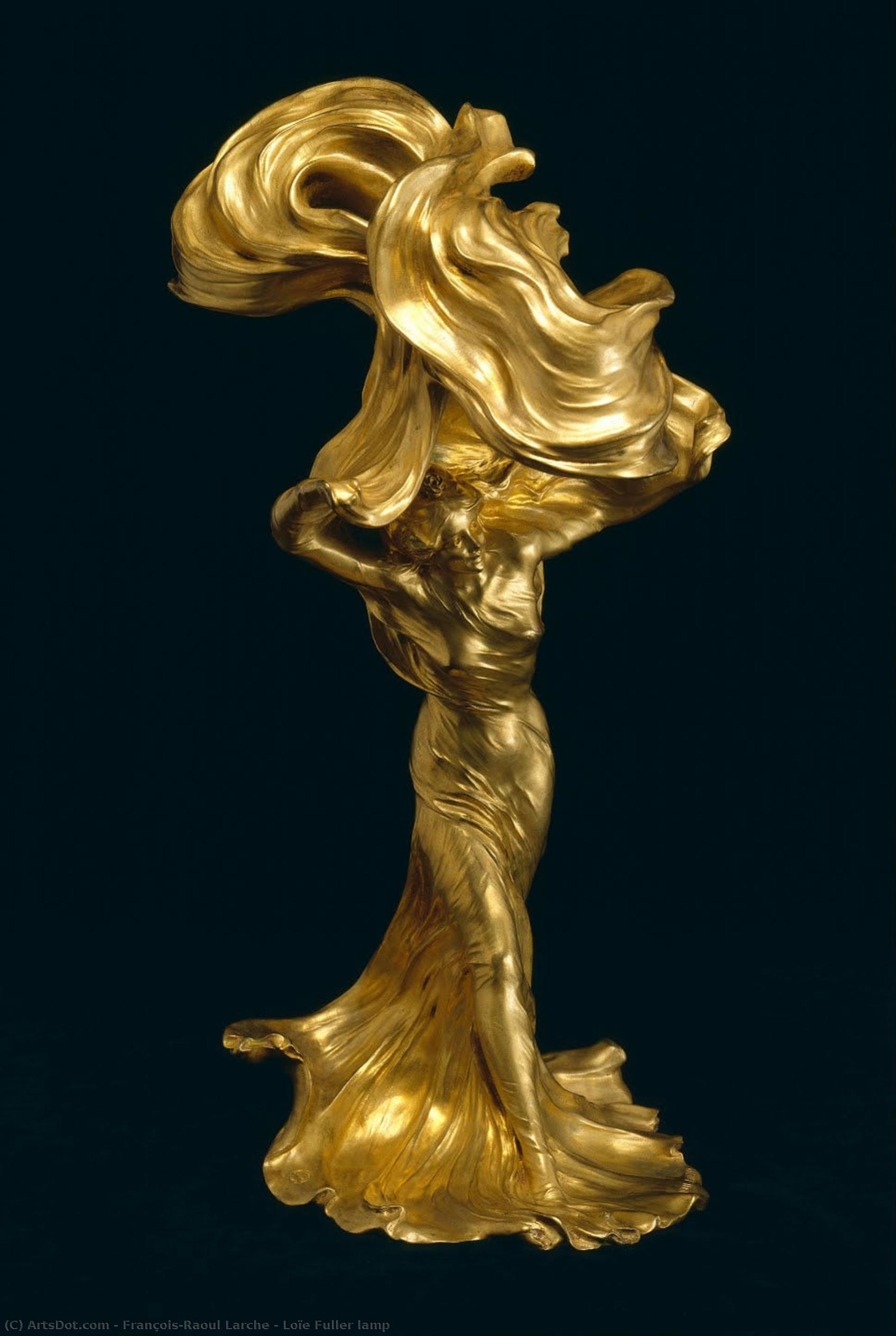
Loïe Fuller lamp
 Oil On Canvas
- WallArt
- Art Nouveau
 1900
1900- 19th Century
 230.0 x 456.0 cm
 Национальная галерея Австралии
 Читать далее
Масляная репродукция ручной работы
Картина маслом на холсте в выбранном вами размере и раме, написанная на заказ нашими художниками. ( Перейти к печати Перейти к цифровым изображениям)




P118B $10

P118H $10

P118W $10

P438Z $10

P508JH $12

P508YH $12

P805H $10

P805Z $10

P919BZ $10

P919G $10

P919XJ $10

P959ZH $10

P968JZ $12

W106C $8

W218G $10

W218JH $8

W218Y $10

W307PJ $10

W316G $10

W316PJ $8

W316Y $10

W398PJ $8

W4111J $10

W500HY $15

W500JH $15

W692G $12

W849H $8

W940BG $15

W953PJ $8




Выберите один из наших стандартных размеров, соответствующих оригинальным пропорциям произведения искусства.

Вы можете указать собственные размеры, чтобы картина идеально вписалась в выбранную раму или пространство. Если выбранный вами размер не соответствует пропорциям оригинала, мы либо обрежем полотно, либо расширим его за счет дополнительных элементов, написанных вручную. Цифровой макет будет отправлен вам на утверждение перед началом производства.
Обратите внимание, что предварительный просмотр на экране не отражает фактическую обрезку или расширение. Только макет точно покажет окончательную композицию.
Хотя доступны индивидуальные размеры, мы рекомендуем выбирать вариант из предопределенного списка, чтобы сохранить исходные пропорции.
После оформления заказа команда ArtsDot.com свяжется с клиентом по электронной почте для уточнения деталей и предоставит предварительный макет
Доставка по всему миру () за 3–4 недели вместо стандартных 5 недель. (12 Сентябрь). Без компромиссов в качестве.

Бесплатная экспресс-доставка по всему миру

Высококачественный льняной холст

Полное страхование доставки

Гарантия возмещения таможенных пошлин

Гарантия точного соответствия цветов

100-дневная политика возврата (только при обнаружении дефектов)

Гарантия возврата 100% средств

Предложение оптовых скидок
 Вариант со стеклом доступен только для размеров менее 110 см

Loïe Fuller lamp
Техника репродукции
Размер репродукции
-


Итоговая стоимость
$ 263
Похожие произведения


Биография художника
Walter Richard Sickert: A Shadowy Figure of London’s Modernist Scene
Walter Richard Sickert, born in Germany in 1860 and tragically passing away in 1942, remains a compellingly enigmatic figure within the annals of British art. More than just an artist, he was a keen observer of his time, a collector of moments, and a pivotal influence on the burgeoning avant-garde scene of early 20th-century London. His work, often characterized by its muted palettes, intimate portraits, and unsettlingly realistic depictions of urban life, continues to provoke discussion and debate amongst art historians today. Sickert’s career unfolded against a backdrop of rapid social change – industrialization, urbanization, and the rise of new artistic movements – shaping his unique vision and cementing his place as a key player in bridging the gap between Impressionism and Modernism.Early Life and Influences: A German Roots in London
Sickert’s early life was marked by a sense of displacement. Born to a German family, he moved to England at a young age, developing a distinctly cosmopolitan perspective that would profoundly influence his artistic approach. He received some formal training, but largely honed his skills through observation and experimentation. Crucially, Sickert's artistic development was shaped by the vibrant art world of London’s Camden Town – a district known for its bohemian atmosphere and association with artists like Whistler and Aubrey Beardsley. This environment fostered a spirit of innovation and challenged conventional artistic norms. He absorbed influences from various sources: the gritty realism of Gustave Courbet, the atmospheric landscapes of J.M.W. Turner, and the psychological intensity of Vincent van Gogh. Notably, Sickert was deeply interested in photography, frequently using photographs as source material for his paintings, a practice that would become increasingly prominent throughout his career.The Camden Town Group and a Distinctive Style
In 1889, Sickert joined the Camden Town Group, a collective of artists who sought to break away from the rigid conventions of the Royal Academy and explore new forms of representation. This group, characterized by its rejection of idealized beauty and embrace of urban subjects, provided a fertile ground for Sickert’s artistic experimentation. His style evolved over time, but consistently retained certain key elements: a preference for dark, shadowy palettes; an interest in capturing fleeting moments of everyday life; and a fascination with the darker aspects of human psychology. He was particularly drawn to scenes of London's nightlife – music halls, pubs, and back alleys – depicting them with a stark realism that often bordered on voyeurism. His paintings frequently featured prostitutes, gamblers, and other marginalized figures, offering a glimpse into the hidden underbelly of Victorian society.Major Works and Recurring Themes
Sickert’s oeuvre is remarkably diverse, encompassing portraits, landscapes, still lifes, and numerous prints. Among his most celebrated works are *Brighton Pierrots* (1890), a haunting depiction of street performers; *The Camden Town Murderers* (1893), a controversial painting that sparked considerable public outrage; and *Dancers at Vauxhall Bridge* (1896), a masterful study of movement and atmosphere. Recurring themes in his work include the transient nature of beauty, the alienation of modern life, and the exploration of human psychology. He was particularly interested in capturing the fleeting expressions on people’s faces – moments of joy, sorrow, or indifference – revealing a profound sensitivity to the nuances of human emotion. His use of light and shadow created an atmosphere of mystery and intrigue, inviting viewers to contemplate the hidden meanings beneath the surface.Legacy and Historical Significance
Walter Richard Sickert’s impact on British art is undeniable. He played a crucial role in shaping the development of Modernism, paving the way for artists like Paul Nash and Vanessa Bell. His innovative approach to subject matter, his rejection of traditional artistic conventions, and his willingness to explore uncomfortable truths established him as a pioneer of a new era in British painting. Despite the controversies surrounding some of his work – particularly the persistent rumors linking him to the Jack the Ripper murders (a theory largely dismissed by scholars) – Sickert remains a significant figure in the history of art. His paintings continue to be exhibited and studied, offering valuable insights into the social and cultural landscape of late Victorian and early 20th-century London. He left behind a body of work that is both unsettling and captivating, reflecting the complexities and contradictions of his time and continuing to challenge viewers to confront uncomfortable truths about human nature.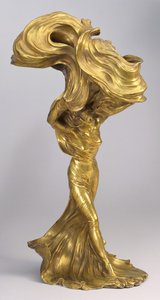
françois-raoul larche
1860 - 1912 , France
Основные сведения
- Artistic Movement Or Style: British Impressionism
- Artists Or Movements Influenced By This Artist: ['Post-Impressionism']
- Artists Who Influenced This Artist: ['Impressionists']
- Date Of Birth: May 31, 1860
- Date Of Death: January 22, 1942
- Full Name: Walter Richard Sickert
- Nationality: British
- Notable Artworks:
- Brighton Pierrots
- London Group
- Camden Town Group
- Place Of Birth: Berlin, Germany
Похожие статьи

The Enduring Form: Exploring Themes & Techniques in Sculpture Across Historical Periods
Explore the rich history of sculpture from ancient masterpieces to contemporary innovations. Discover key techniques, influential artists & investment potential for discerning art collectors.

10 легендарных бронзовых скульптур, изменивших искусство навсегда | ArtsDot
Погрузитесь в мир великих бронзовых скульптур! От Давида Микеланджело до работ Родена – история искусства, техники и вдохновения. Купите репродукции шедевров для вашего интерьера на ArtsDot.com

The Enduring Form: Sculpture Across History, Technique & Emotional Resonance
Explore the rich history of sculpture with ArtsDot. Discover key techniques, influential artists & investment potential for discerning collectors. Expert insights into valuing and collecting timeless masterpieces.

10 легендарных бронзовых шедевров, изменивших искусство | ArtsDot
Погрузитесь в мир великих бронзовых шедевров! От Давида Донателло до Мыслителя Родена – узнайте историю создания, технику и значение легендарных скульптур. Вдохновение для интерьера и музейное качество репродукций на ArtsDot.com.
25 Шедевров Густава Климта: Искусство, Декор и Золотой Век Австрийского Модерна
Погрузитесь в мир Густава Климта! 25 шедевров австрийского модерна, символизма и золотой живописи. Узнайте истории создания знаменитых картин Климта и вдохновитесь для декора интерьера. Репродукции музейного качества на ArtsDot.com.