


 Предпросмотр
 Поделиться
 Поделиться
 Детали произведения

 Скачать
 Похожие работы
 Рентгенография
 Слайд-шоу
 Статистика
Courtyard of the Palace of Marguerite of Austria in Mechelen
 Oil On Canvas
- WallArt
- Academic Realism
 1855
1855 107.0 x 79.0 cm
 Эрмитаж
 Читать далее
Приобретите цифровое изображение высокого разрешения в улучшенном качестве, которое значительно превосходит онлайн-превью.
Каждый файл тщательно подготавливается нашими специалистами с использованием передовых инструментов и экспертной ручной ретуши. Мы гарантируем исключительную четкость, точную цветопередачу и детальную проработку каждого изображения.
Финальный файл доставляется по электронной почте в течение 72 часов и оптимизирован для немедленного использования в профессиональной среде, при верстке и печати. Это тот же уровень качества, которому доверяют ведущие дизайнерские студии, издательства и галереи.
Цифровое изображение
Скачайте файл высокого разрешения для личного использования, печати и творческих проектов. ( Перейти к печати Купить картину ручной работы)
Включено в каждый заказ цифровых изображений
Гарантия экспертной цифровой доставки
Выбирая ArtsDot.com, вы получаете не просто изображение — вы приобретаете профессионально обработанное цифровое произведение искусства, созданное с безупречной точностью и под защитой гарантии качества. Вот всё, что автоматически входит в ваш заказ:

Мгновенная доставка по e-mail
Ваш цифровой файл в высоком разрешении будет отправлен вам по электронной почте в течение 72 часов после оформления заказа — и сразу станет доступен для использования.

Цифровой файл с ИИ-улучшением
Ваше произведение искусства проходит профессиональную оптимизацию с использованием передовых инструментов ИИ и ручной обработки, что гарантирует максимальную детализацию, четкость и точность цветопередачи.

Бессрочная бесплатная повторная доставка
Случайно удалили или потеряли файл? Не беспокойтесь — мы отправим его вам повторно в любое время и совершенно бесплатно.

Без импортных пошлин — навсегда
Наслаждайтесь вашим произведением искусства мгновенно без таможенных пошлин, сборов или затрат на доставку — цифровые загрузки всегда не облагаются налогом.

Гарантия точности цветопередачи
Мы гарантируем, что ваше цифровое изображение максимально точно передает оригинальные цвета благодаря использованию профессиональных инструментов и систем управления цветом.

Гарантия удовлетворенности 100 дней
Если вы не будете удовлетворены своим цифровым изображением, мы внесем правки или вернем 100% стоимости в течение 100 дней — без лишних вопросов.

100% Гарантия возврата средств
Не удовлетворены покупкой? Получите полный возврат средств в течение 100 дней после получения цифрового файла — без лишних вопросов.

Скидки на оптовые заказы
Купите 3 изображения, сэкономьте 10% — Купите 5, сэкономьте 15% — Купите 10+, сэкономьте 20%. Отличное решение для творческих проектов, галерей и агентств.
A Glimpse into Renaissance Splendor: Stroobant’s Mechelen Courtyard
François Stroobant's *Courtyard of the Palace of Marguerite of Austria in Mechelen* (1855) transports us to a meticulously rendered scene of 16th-century life. This oil painting, measuring 107 x 79 cm, isn’t merely a depiction of architecture; it’s an immersive experience, inviting the viewer to wander through the heart of a historically significant European city. The artwork showcases Stroobant's mastery of academic realism, evident in the precise detailing of the buildings – their steeply pitched roofs and intricate facades – and the bustling figures populating the square. The composition is anchored by a prominent clock tower, rising majestically into the sky, a symbol of both time’s passage and civic authority.Technique & Style: Romantic Realism in Detail
Stroobant employs a rich layering of oil paint to achieve remarkable textural depth. Visible brushstrokes contribute to the tactile quality of the work, bringing the stone walls and cobbled streets to life. The color palette is deliberately muted – browns, grays, ochres, and reds dominate – creating an earthy atmosphere that evokes the period’s aesthetic. His style aligns with Romanticism, not in its dramatic emotionality, but in its fascination with historical settings and architectural grandeur. While rooted in realism, there's a subtle romantic sensibility in the way Stroobant captures the light and shadow, imbuing the scene with a sense of nostalgia and quiet contemplation. The perspective is skillfully executed, drawing the eye into the distance and creating a convincing illusion of depth.Historical Context & Symbolism
The painting depicts the courtyard of the palace once inhabited by Marguerite of Austria (1480-1530), a pivotal figure in European history. As regent of the Netherlands, she was a patron of the arts and a significant political player during a period of immense cultural flourishing. Mechelen (Malines), now in Belgium, served as a vibrant center for Renaissance art and diplomacy under her rule. The clock tower isn’t just an architectural feature; it symbolizes the importance of timekeeping – and by extension, order and governance – within the city. The figures engaged in daily life suggest the continuity of human activity across centuries, grounding the historical setting in relatable experience. Stroobant's choice to depict this specific location speaks to a broader 19th-century interest in rediscovering and celebrating Europe’s medieval and Renaissance heritage.Emotional Resonance & Interior Design
*Courtyard of the Palace of Marguerite of Austria in Mechelen* evokes a sense of peaceful tranquility and historical reverence. The painting's muted tones and detailed composition create a calming atmosphere, making it an ideal addition to libraries, studies, or dining rooms. Its architectural subject matter lends itself well to interiors with classic or traditional design elements. For collectors, this work represents a fine example of 19th-century Belgian painting, showcasing Stroobant’s skill and his dedication to capturing the beauty of European architecture. A high-quality reproduction would bring a touch of Old World charm and intellectual sophistication to any space.Похожие произведения



Биография художника
The Visionary Eye of François Stroobant
François Stroobant (1819–1916) stands as a profound testament to the enduring fascination of Belgian Romantic landscape painting, a master who seamlessly blended meticulous observation with an expressive, soulful artistic vision. Born in Brussels amidst the burgeoning artistic fervor of the nineteenth century, Stroobant’s long life spanned a transformative era in European culture—a period defined by both rapid scientific advancement and a deep, nostalgic yearning for beauty rooted in tradition. Alongside his brother, the esteemed lithographer Louis-Constantin Stroobant, François contributed to a rich legacy of Belgian artistry, embodying a shared commitment to capturing the grandeur of the natural and architectural world with unparalleled precision.
His artistic journey was forged in the prestigious halls of the Brussels Académie des Beaux-Arts, where he studied between 1832 and 1847. Under the guidance of influential masters, Stroobant developed a versatile technical foundation that would define his later works. From François-Joseph Navez, he inherited a rigorous dedication to classical realism; from Paul Lauters, he learned the delicate art of tonal harmonies and atmospheric perspective; and from François-Antoine Bossuet, he drew inspiration for the expressive power of color. These formative years were not merely about learning technique but about cultivating a disciplined eye capable of translating the vastness of the landscape into the intimate language of oil and lithography.
A Journey Through Light and Stone
Driven by an adventurous spirit, Stroobant’s canvas became a diary of his travels across the European continent. His wanderings took him through the Netherlands, France, Germany, Switzerland, Italy, Spain, and Hungary, each region offering new textures, lights, and architectural wonders to document. This extensive exploration allowed him to move beyond simple depiction, instead creating immersive experiences that invited viewers to inhabit different eras and environments. Whether capturing the haunting, melancholic beauty of the Ruins of the Abbey of Villers or the bustling, historic vitality of the Courtyard of the Palace of Marguerite of Austria in Mechelen, his work remains anchored in a profound respect for historical truth.
In his architectural renderings, Stroobant displayed a remarkable mastery of academic realism. He possessed an uncanny ability to render the weight of stone, the steep pitch of roofs, and the intricate facades of Renaissance splendor with such clarity that the buildings seem to breathe. His technique often involved a rich layering of oil paint to achieve textural depth, using a palette of earthy ochres, grays, and deep reds to evoke a sense of timelessness. While his style is firmly rooted in realism, there remains a subtle romantic sensibility in how he manipulated light and shadow, imbuing even the most static structures with a sense of quiet contemplation and nostalgic grace.
Legacy and Artistic Distinction
Beyond his individual canvases, Stroobant’s contribution to the Belgian art community was both academic and civic. In 1865, he demonstrated his dedication to the future of art by becoming the founder and first director of the Académie des Beaux-Arts at Molenbeek-Saint-Jean in Brussels. His lifelong commitment to excellence and his ability to bridge the gap between Romantic emotion and scientific observation earned him significant recognition, including being named an Officer in the Order of Leopold in 1878.
The enduring significance of François Stroobant lies in his ability to capture the ephemeral nature of light against the permanence of history. His works serve as windows into a bygone Europe, preserving the architectural majesty and natural splendor of the nineteenth century for future generations. Through his meticulous lithographs and evocative oil paintings, he remains a vital figure in the canon of Belgian art, reminding us that true mastery lies in the ability to see the world not just as it is, but as it feels.
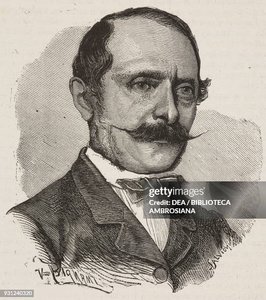
françois stroobant
1819 - 1916 , Belgium
Основные сведения
- Artistic Movement Or Style: Romantic Landscape
- Artists Who Influenced This Artist:
- François-Joseph Navez
- Paul Lauters
- Antoine Dewasme-Plétinckx
- Date Of Birth: Brussels, Belgium (1819)
- Date Of Death: Ixelles (1916)
- Full Name: François Stroobant
- Nationality: Belgian
- Notable Artworks:
- Courtyard Of The Palace Of Marguerite Of Austria In Malines
- Ruins Of The Abbey Of Villers
- Place Of Birth: Brussels