

 Предпросмотр
 Поделиться
 Поделиться
 Детали произведения

 Скачать
 Похожие работы
 Рентгенография
 Слайд-шоу
 Статистика
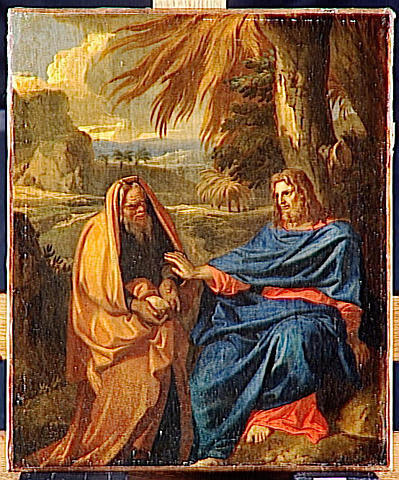
LA TENTATION DU CHRIST


 Читать далее
Приобретите цифровое изображение высокого разрешения в улучшенном качестве, которое значительно превосходит онлайн-превью.
Каждый файл тщательно подготавливается нашими специалистами с использованием передовых инструментов и экспертной ручной ретуши. Мы гарантируем исключительную четкость, точную цветопередачу и детальную проработку каждого изображения.
Финальный файл доставляется по электронной почте в течение 72 часов и оптимизирован для немедленного использования в профессиональной среде, при верстке и печати. Это тот же уровень качества, которому доверяют ведущие дизайнерские студии, издательства и галереи.
Цифровое изображение
Скачайте файл высокого разрешения для личного использования, печати и творческих проектов. ( Перейти к печати Купить картину ручной работы)
Включено в каждый заказ цифровых изображений
Гарантия экспертной цифровой доставки
Выбирая ArtsDot.com, вы получаете не просто изображение — вы приобретаете профессионально обработанное цифровое произведение искусства, созданное с безупречной точностью и под защитой гарантии качества. Вот всё, что автоматически входит в ваш заказ:

Мгновенная доставка по e-mail
Ваш цифровой файл в высоком разрешении будет отправлен вам по электронной почте в течение 72 часов после оформления заказа — и сразу станет доступен для использования.

Цифровой файл с ИИ-улучшением
Ваше произведение искусства проходит профессиональную оптимизацию с использованием передовых инструментов ИИ и ручной обработки, что гарантирует максимальную детализацию, четкость и точность цветопередачи.

Бессрочная бесплатная повторная доставка
Случайно удалили или потеряли файл? Не беспокойтесь — мы отправим его вам повторно в любое время и совершенно бесплатно.

Без импортных пошлин — навсегда
Наслаждайтесь вашим произведением искусства мгновенно без таможенных пошлин, сборов или затрат на доставку — цифровые загрузки всегда не облагаются налогом.

Гарантия точности цветопередачи
Мы гарантируем, что ваше цифровое изображение максимально точно передает оригинальные цвета благодаря использованию профессиональных инструментов и систем управления цветом.

Гарантия удовлетворенности 100 дней
Если вы не будете удовлетворены своим цифровым изображением, мы внесем правки или вернем 100% стоимости в течение 100 дней — без лишних вопросов.

100% Гарантия возврата средств
Не удовлетворены покупкой? Получите полный возврат средств в течение 100 дней после получения цифрового файла — без лишних вопросов.

Скидки на оптовые заказы
Купите 3 изображения, сэкономьте 10% — Купите 5, сэкономьте 15% — Купите 10+, сэкономьте 20%. Отличное решение для творческих проектов, галерей и агентств.
A Divine Encounter in the Wilderness
In the quiet, shadowed corners of the Louvre Museum resides a masterpiece that transcends mere biblical illustration, inviting viewers into a profound psychological drama. La Tentation du Christ, attributed to the masterful François Verdier, is far more than a depiction of a scriptural moment; it is an evocative exploration of the human condition, caught between the pull of earthly desire and the steadfastness of spiritual resolve. Completed around 1700, this monumental oil on canvas captures the very essence of the Baroque era—a period defined by its theatricality, emotional intensity, and an unyielding pursuit of light and shadow.
The scene unfolds within a desolate, windswept wilderness, where a towering, ancient tree dominates the upper reaches of the composition. This landscape is not merely a backdrop but a silent protagonist, mirroring the internal tempest faced by Christ. The setting feels heavy with anticipation, as if the very earth holds its breath during this pivotal confrontation. Through the masterful use of atmospheric perspective, Verdier draws the eye deep into the hazy, muted distance, creating a sense of vast, lonely grandeur that amplifies the isolation of the central figures.
The Dance of Light and Shadow
At the heart of this composition lies a striking asymmetrical arrangement that directs the viewer’s soul toward the face of Christ. On one side, an older woman cradles an infant, her presence representing the tangible, earthly temptations of life—the comforts of family, the weight of mortality, and the innocence of new beginnings. Opposite her sits Christ, his countenance illuminated by a radiant, celestial light that pierates through the surrounding gloom. This use of chiaroscuro—the dramatic contrast between deep shadows and brilliant highlights—is a hallmark of Verdier’s technique, likely influenced by the grand traditions of Rubens.
The technical execution of the painting is nothing short of breathtaking. The artist employs soft, flowing lines to define the heavy drapery of the figures' garments, lending them a sculptural volume that feels almost tactile. One can almost sense the contrast between the smooth, luminous skin of the Christ figure and the rough, rugged texture of the bark and foliage in the background. This interplay of textures creates a sensory experience that engages the viewer, making the spiritual struggle feel visceral and immediate.
A Timeless Legacy for the Discerning Collector
For the art lover or the interior designer, La Tentation du Christ offers an unparalleled opportunity to introduce a sense of historical gravity and intellectual depth into a space. The color palette—a sophisticated blend of warm ochres, deep browns, and earthy yellows, punctuated by the cool blues and reds of Christ’s attire—provides a rich, tonal foundation that complements both classical and contemporary decor. It is a piece that demands attention, serving as a focal point that sparks conversation and invites contemplation.
Owning a high-quality reproduction of this Baroque treasure means more than just decorating a wall; it means preserving a fragment of the Enlightenment’s dawn. The painting serves as a bridge between eras, embodying the tension between faith and doubt that has resonated through centuries of European thought. Whether placed in a sunlit gallery or a moody, private study, Verdier’s work brings with it an aura of prestige, resilience, and an enduring, luminous beauty.
Похожие произведения





Биография художника
Cornelis de Vos: A Master of Dutch Portraiture
Cornelis de Vos, born in Hulst, Zeeland around 1584 and passing away in Antwerp in 1651, stands as a pivotal figure in the history of Dutch painting. More than simply a portraitist, he was a versatile artist who excelled across multiple genres – historical scenes, religious works, genre paintings, and, most notably, intimate family portraits that capture a remarkable sensitivity for his subjects. His career unfolded against the backdrop of Antwerp’s vibrant artistic community, a city renowned as a hub of creativity during the Dutch Golden Age, and he benefited immensely from collaborations with luminaries like Peter Paul Rubens. De Vos' legacy rests primarily on his exquisitely rendered depictions of individuals, particularly children and families, offering glimpses into the lives and social dynamics of 17th-century Netherlands.Early Life and Training
The precise details of de Vos’s early life remain somewhat elusive, shrouded in the typical gaps of historical records for artists of that era. He was born in Hulst, a small town near Antwerp, and his family relocated to the bustling city by 1596. His artistic education began under the tutelage of David Remeeus, a lesser-known painter whose workshop provided a foundation in technique and observation. De Vos’s brothers, Paul and Jan (or Hans), also studied with Remeeus, suggesting a shared learning environment. Crucially, de Vos sought further training abroad, petitioning the Antwerp City Council for permission to travel – a common practice for aspiring artists at the time. While the exact destination remains uncertain, this desire for broader experience underscores his ambition and commitment to honing his craft. He joined the Guild of Saint Luke in 1608, signifying his full acceptance into the professional art world and solidifying his position within Antwerp’s artistic ecosystem. His marriage to Susanna Cock, the half-sister of landscape painter Jan Wildens, further cemented his place within this influential network, linking him to other prominent artists like Frans Snyders.Style and Technique
De Vos's style is characterized by a remarkable blend of realism and elegance. He possessed an exceptional ability to capture the nuances of human expression – the subtle shifts in mood, the fleeting emotions reflected in eyes and gestures. His portraits are not merely likenesses; they are imbued with personality and warmth. He employed a technique known as “wet-on-wet,” a hallmark of Dutch painting during this period, which allowed for rapid execution and a luminous quality to his paintings. This method involved working on wet paint, blending colors directly on the canvas, creating soft transitions and atmospheric effects. De Vos’s compositions are typically balanced and harmonious, reflecting a meticulous attention to detail and a deep understanding of perspective. His use of light is particularly noteworthy – it illuminates his subjects with a gentle radiance, enhancing their beauty and adding depth to the scenes.Notable Works and Commissions
De Vos’s prolific output included numerous portraits for wealthy merchants and members of the gentry. He created elaborate family cycles, documenting generations within a single household – a testament to his skill in capturing likenesses and conveying familial relationships. A particularly striking example is the portrait of Abraham Grapheus, commissioned by the painter himself and now housed at the Royal Museum of Fine Arts Antwerp, showcasing de Vos’s ability to portray both subject and artist with equal finesse. He also received commissions from prominent patrons like Joris Vekemans, who ordered a series of portraits depicting his family, including his son Jan. His work for the royal court, particularly the *Company of Cornelis de Graeff*, further elevated his status within Antwerp’s artistic circles. His painting *Granida and Daifilo* is now housed in the Brukenthal National Museum in Sibiu, Romania.Legacy and Historical Significance
Cornelis de Vos's influence on Dutch portraiture is undeniable. He demonstrated a rare sensitivity to his subjects, capturing not just their physical appearance but also their inner lives. His intimate portraits of children are particularly cherished for their warmth and authenticity, offering poignant glimpses into the domestic sphere of 17th-century Netherlands. De Vos’s collaboration with Rubens further solidified his reputation as one of Antwerp's leading artists, contributing to the city’s flourishing artistic scene. While he may not be as widely celebrated as some of his contemporaries – such as Rembrandt or Vermeer – de Vos remains a significant figure in Dutch art history, admired for his technical skill, his nuanced portrayals of human character, and his enduring contribution to the genre of portraiture. His work continues to resonate with viewers today, offering a valuable window into the lives and customs of a bygone era.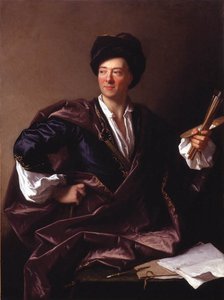
françois verdier
1651 - 1730 , France
Основные сведения
- Artistic Movement Or Style: Portraiture, History, Genre
- Artists Or Movements Influenced By This Artist: ['Rubens']
- Artists Who Influenced This Artist: ['David Remeeus']
- Date Of Birth: 1584
- Date Of Death: 1651
- Full Name: Cornelis de Vos
- Nationality: Flemish
- Notable Artworks:
- Portrait of Abraham Grapheus
- Family portraits (Vekemans)
- Place Of Birth: Hulst, Netherlands