

 Предпросмотр
 Поделиться
 Поделиться
 Детали произведения

 Скачать
 Похожие работы
 Рентгенография
 Слайд-шоу
 Статистика
British Empire Panel (7) West Indies
 Oil On Canvas
- WallArt
- Art Nouveau
 1930
1930- Modern
 366.0 x 396.0 cm
 Читать далее
Жикле / Арт-принт
Печать (жикле) или холст музейного качества с быстрыми сроками изготовления и широким выбором вариантов отделки. ( Купить картину ручной работы Перейти к цифровым изображениям)




P118B $10

P118H $10

P118W $10

P438Z $10

P508JH $12

P508YH $12

P805H $10

P805Z $10

P919BZ $10

P919G $10

P919XJ $10

P959ZH $10

P968JZ $12

W106C $8

W218G $10

W218JH $8

W218Y $10

W307PJ $10

W316G $10

W316PJ $8

W316Y $10

W398PJ $8

W4111J $10

W500HY $15

W500JH $15

W692G $12

W849H $8

W940BG $15

W953PJ $8




Выберите один из наших стандартных размеров, соответствующих оригинальным пропорциям произведения искусства.

Вы можете указать свои собственные размеры, чтобы репродукция идеально подошла под конкретную раму или пространство. Если выбранный вами размер не будет соответствовать пропорциям оригинала, мы либо обрежем произведение, либо дополним изображение зеркальным отражением краев или однотонной заливкой. Перед началом производства вам будет отправлен цифровой макет для утверждения.
Пожалуйста, обратите внимание, что предварительный просмотр на экране не отображает фактическую обрезку или расширение изображения. Только макет точно покажет финальную композицию.
Несмотря на возможность заказа индивидуальных размеров, мы рекомендуем выбирать размер из предопределенного списка, чтобы сохранить оригинальные пропорции.
Доставка по всему миру () за 2 недели вместо стандартных 4/5 недель. (11 Сентябрь)

Бесплатная экспресс-доставка по всему миру

Высококачественный льняной холст

Полное страхование доставки

Гарантия возмещения таможенных пошлин

Гарантия точного соответствия цветов

100-дневная политика возврата (только при обнаружении дефектов)

Гарантия возврата 100% средств

Предложение оптовых скидок
 Вариант со стеклом доступен только для размеров менее 110 см

British Empire Panel (7) West Indies
Жикле / Арт-принт
Размер репродукции
-


Итоговая стоимость
$ 62
An Enchanted Realm of Flora and Fae
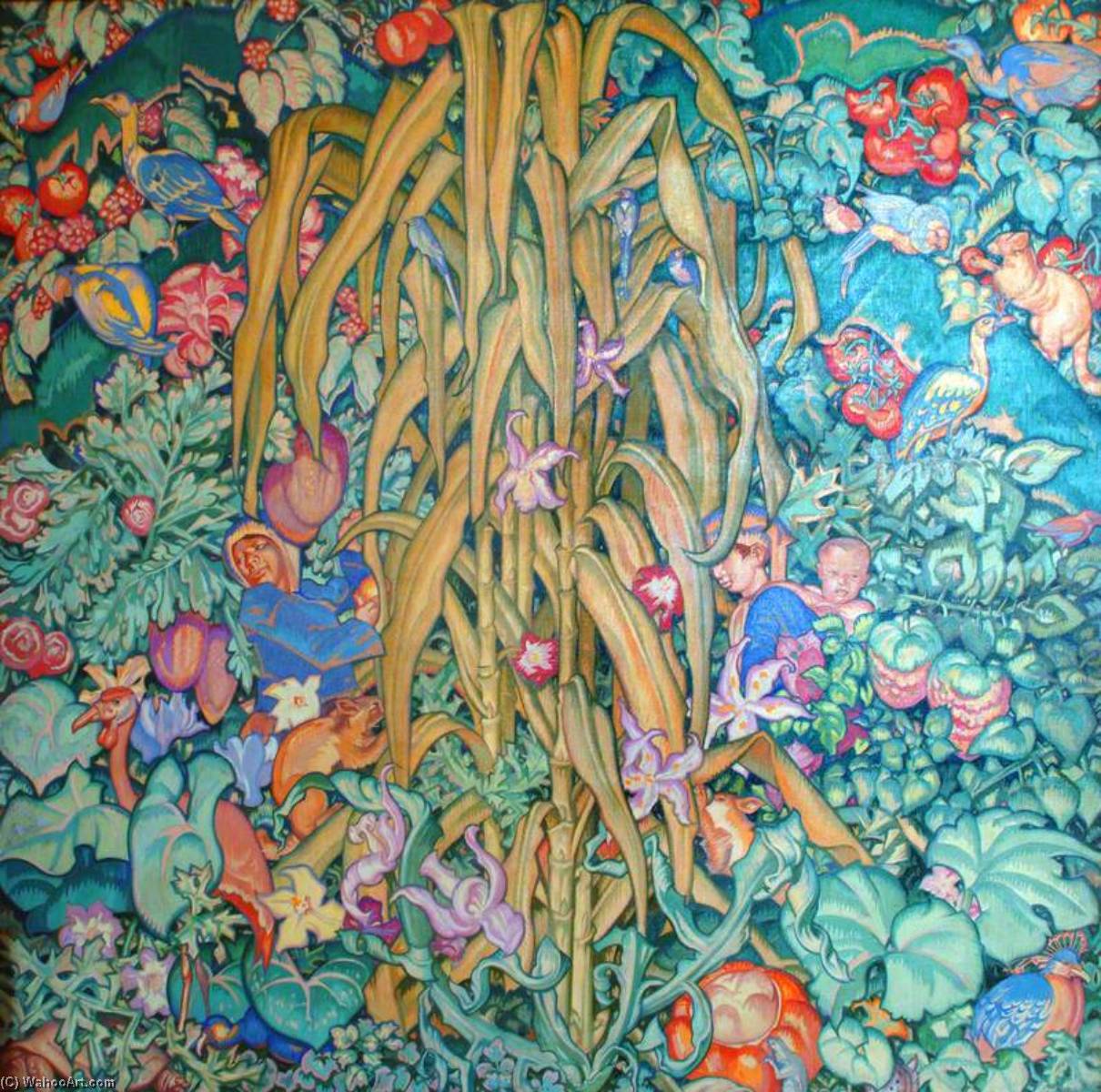
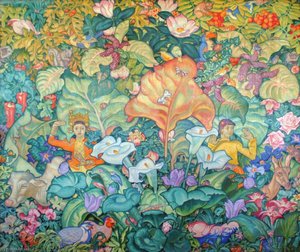
In the breathtaking oil painting British Empire Panel (7) West Indies, Sir Frank Brangwyn invites the viewer into a realm where the boundaries between the natural world and the supernatural dissolve. Created in 1930, this masterpiece serves as a window into a densely populated, fantastical garden, teeming with an abundance of life that feels both lush and otherworldly. At first glance, the eye is drawn to the intricate tapestry of vibrant blossoms—shades of soft pink, deep purple, and sunny yellow—intertwined with a central, stylized stalk that rises like a golden monument through the foliage. This composition does not merely depict a garden; it captures an ecosystem of magic, where every leaf and petal seems to pulse with a hidden vitality.
The true enchantment of the piece lies in its inhabitants. Scattered throughout the verdant landscape are delicate, humanoid figures—fairies or sprites—caught in moments of quiet interaction with the flora. Some rest gently upon broad leaves, while others dance amidst the blooms, adding a sense of narrative movement to the stillness of the garden. This interplay between the miniature beings and the oversized botanical elements creates a dreamlike perspective, where the scale of nature is both overwhelming and intimate. The presence of butterflies and small insects further enhances this thriving, secret world, suggesting a hidden dimension of existence that exists just beneath the surface of our visible reality.
Mastery of Technique and Art Nouveau Elegance
Brangwyn’s technical execution in this panel is nothing short of extraordinary, showcasing the rich textures and fluid lines characteristic of his profound influence by the Art Nouveau and Pre-Raphaelite movements. The artist employs a technique that suggests a heavy, layered application of oil on canvas, where visible brushstrokes contribute to a sense of organic growth and tactile depth. The lighting is masterfully diffused, casting a soft, ethereal glow across the scene that avoids harsh shadows, thereby maintaining the dreamlike quality of the subject matter. This even illumination allows the viewer to lose themselves in the meticulous details, from the fine features of the sprites to the intricate veins of the surrounding leaves.
The color palette is a sophisticated study in contrast and harmony. A deep, tranquil turquoise dominates the background, providing a profound sense of depth and acting as a dramatic stage for the brightly saturated foreground elements. This cool backdrop makes the golden browns, yellows, and vivid floral hues pop with an almost luminous intensity. For collectors and interior designers, this balance of color offers immense versatility; the painting possesses enough visual weight to serve as a commanding focal point in a grand room, yet its soft, romantic atmosphere allows it to integrate seamlessly into spaces designed for tranquility and reflection.
A Legacy of Craftsmanship and Wonder
To understand this work is to understand the spirit of Sir Frank Brangwyn himself—a man whose life was forged in the intersection of fine art and decorative craftsmanship. As a pivotal figure in the Arts and Crafts movement, Brangwyn brought a unique sensibility to his large-scale works, treating every inch of the canvas with the devotion of a master decorator. This particular panel, part of a larger series, reflects his ability to blend monumental scale with an almost microscopic attention to detail. It evokes themes of abundance, fertility, and the eternal mystery of nature’s hidden magic.
Owning a high-quality reproduction of this work is more than an acquisition of decor; it is an invitation to bring a sense of wonder into the modern home. The painting serves as a perennial source of inspiration, offering a sanctuary of color and imagination. Whether placed in a sunlit library or a sophisticated contemporary living space, British Empire Panel (7) West Indies continues to captivate, reminding us that even in a structured world, there remains a profound, enchanting mystery waiting to be discovered within the heart of the wild.
Похожие произведения

Биография художника
Frank Brangwyn: A Life Painted in Light and Exotic Hues
Sir Frank William Brangwyn (1867-1956) – a name synonymous with vibrant Orientalist scenes, dramatic maritime vistas, and monumental murals – remains one of the most captivating figures in British art. Born Guillaume François Brangwyn in Bruges, Belgium, his artistic journey was not merely a progression through styles but a relentless exploration fueled by wanderlust, technical mastery, and an unwavering belief in the power of visual storytelling. His life unfolded as a rich tapestry woven with threads of craftsmanship, travel, controversy, and ultimately, enduring legacy.- Early Influences & Training: Brangwyn’s formative years were shaped by his father, William Curtis Brangwyn – a skilled church architect and furniture maker – who instilled in him an appreciation for meticulous design and the beauty of handcrafted objects. This early exposure to craftsmanship was further nurtured within the bustling workshops of William Morris, where young Frank honed his skills in glazing, embroidery, and wallpaper design, immersing himself in the core principles of the Arts and Crafts movement. Crucially, a chance encounter with Arthur Heygate Mackmurdo at South Kensington Museum ignited a passion for drawing and observation that would become central to his artistic practice.
- The Royal Academy Breakthrough: A pivotal moment arrived in 1891 when one of Brangwyn’s paintings, “Funeral at Sea,” was accepted into the prestigious Royal Academy Summer Exhibition. This validation propelled him onto the British art scene and cemented his commitment to a career as an artist. The medal awarded for this work marked not just recognition but a declaration of intent – a bold step away from the more conventional subjects of the time.
From Maritime Depths to Exotic Shores
Brangwyn’s artistic trajectory underwent a dramatic transformation with his travels throughout Europe and beyond. Beginning in the late 1890s, he embarked on extended journeys to Istanbul (Constantinople), Spain, Egypt, Turkey, Morocco, and South Africa – experiences that profoundly shaped his visual language and infused his work with an intoxicating blend of color, texture, and cultural richness. These voyages weren’t merely sightseeing trips; they were immersive explorations that demanded a radical shift in his artistic approach. The somber tones of his early maritime scenes gave way to the dazzling hues and intricate details of Orientalist landscapes – a deliberate departure from established conventions.- Orientalism as a Catalyst: Brangwyn’s fascination with the East wasn't simply aesthetic; it represented a rejection of European artistic norms and an embrace of a new visual vocabulary. He meticulously studied the light, color palettes, and decorative motifs of these exotic cultures, incorporating them into his paintings with remarkable sensitivity and authenticity.
- Technological Innovation: Brangwyn’s travels also spurred experimentation with new techniques and materials. He embraced oil paints, watercolors, lithography, and woodcuts, constantly pushing the boundaries of his artistic practice.
Monumental Murals and Architectural Visions
Brangwyn's ambition extended far beyond individual paintings; he sought to transform entire spaces through monumental murals. His commissions for buildings across Britain, Europe, and North America – including the Royal Exchange in London, the Worshipful Company of Skinners in London, Christ’s Hospital School Chapel in Horsham, and the Missouri State Capitol in Jefferson City – stand as testaments to his scale and ambition. These murals were not mere decorative additions; they were immersive experiences designed to transport viewers to distant lands and evoke a sense of wonder.- The House of Lords Panels: Arguably Brangwyn’s most significant commission was the series of sixteen large panels for the House of Lords in 1924-1932, depicting scenes from the British Empire. Initially lauded as a triumph of artistic vision, these murals were ultimately rejected by Parliament due to their unconventional style and perceived lack of patriotic fervor. Despite this setback, they found a new home in Swansea’s Guildhall, where they continue to captivate audiences today.
- Architectural Integration: Brangwyn's approach was deeply integrated with architectural design. He didn’t simply paint murals; he conceived them as integral components of the building’s overall aesthetic – a testament to his holistic artistic vision.
Legacy and Enduring Influence
Sir Frank William Brangwyn’s legacy extends far beyond his individual artworks. His influence can be seen in the work of subsequent generations of artists, particularly those who embraced Orientalist themes or explored the intersection of art and architecture. He remains a pivotal figure in British decorative arts, celebrated for his technical skill, imaginative vision, and unwavering commitment to artistic innovation.- A Polymath of the Arts: Brangwyn’s versatility – encompassing painting, drawing, engraving, illustration, stained glass design, furniture design, and ceramics – solidified his position as a true polymath of the arts.
- A Symbol of British Eccentricity: His unconventional approach to art and life, coupled with his extensive travels and diverse interests, has earned him a place in the annals of British eccentricity—a quality that continues to fascinate and inspire.
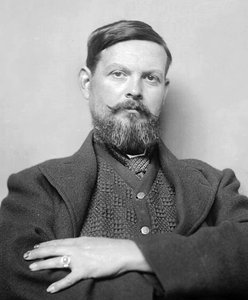
Фрэнк Брангвин
1867 - 1956 , Бельгия
Основные сведения
- Artistic Movement Or Style: Искусство и ремесло, Ориентализм
- Artists Or Movements Influenced By This Artist: ['Британское декоративное искусство']
- Artists Who Influenced This Artist: ['Уильям Моррис']
- Date Of Birth: 1867
- Date Of Death: 1956
- Full Name: Sir Frank William Brangwyn
- Nationality: Британский
- Notable Artworks:
- «Похороны на море»
- «Золотой хорн», Стамбул
- Place Of Birth (City And Country): Брюгге, Бельгия
Похожие статьи

The Enduring Legacy of Oil on Canvas: Technique, History & Aesthetic Impact
Explore the rich history & techniques of oil painting – from Renaissance masters to Impressionism. Discover pigments, layering methods, and why this timeless medium endures. Expert insights for artists & art enthusiasts.

Oil on Canvas: A Historical & Technical Exploration of a Timeless Artistic Medium
Explore the rich history & enduring techniques of oil painting on canvas. Discover the science behind its longevity, conservation practices, and contemporary relevance. Expert insights for art enthusiasts.
Cultivating Paradise: A Historical & Artistic Exploration of Gardens in Painting
Explore the rich history of gardens in painting! Discover masterpieces from Renaissance to Impressionism & beyond. Learn about symbolism, artists like Monet & Klimt, and find your perfect artwork at ArtsDot.
Frank Brangwyn: A Life Immersed in Colour, Craft & the Spirit of Modern British Art
Explore the vibrant life & prolific work of Frank Brangwyn, a master of British art. Discover his stunning paintings, designs, and monumental Empire Panels – a celebration of colour, craft, and artistic innovation.
From Imagination to Canvas: Commissioning Bespoke Fantasy Art with Traditional Oil Painting Techniques
Commission breathtaking bespoke fantasy art with skilled oil painters. Explore techniques, artist selection & preservation tips. Invest in a unique masterpiece today!