

 Предпросмотр
 Поделиться
 Поделиться
 Детали произведения

 Скачать
 Похожие работы
 Рентгенография
 Слайд-шоу
 Статистика
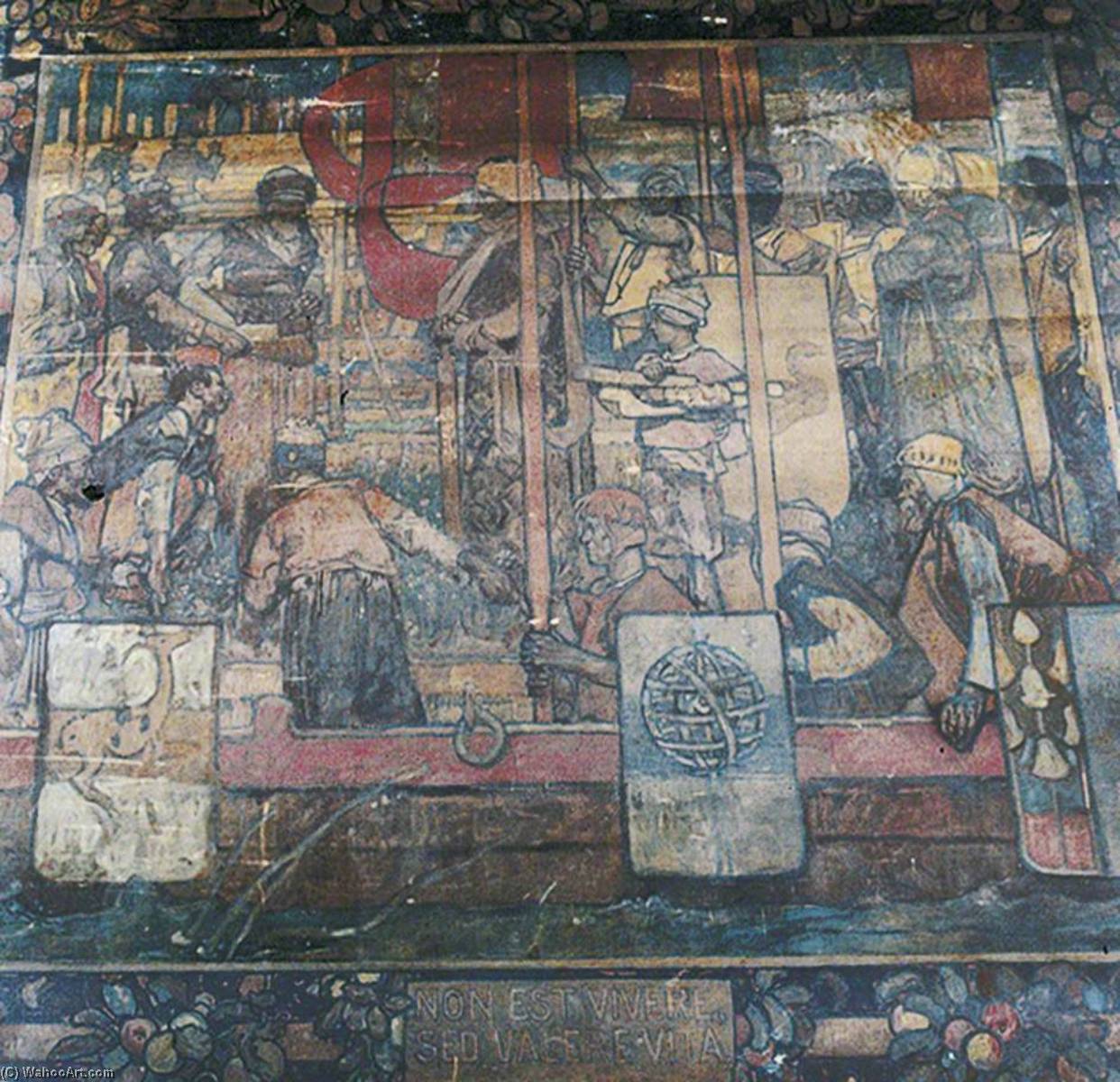
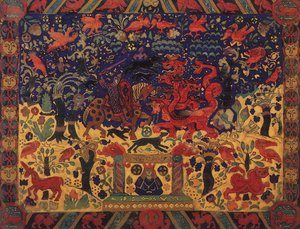
Le roi au chantier (tapestry design)
 Acrylic On Canvas
- WallArt
- Arts and Crafts
 1896
1896 348.0 x 378.0 cm
 Leeds Art Gallery
 Читать далее
Жикле / Арт-принт
Печать (жикле) или холст музейного качества с быстрыми сроками изготовления и широким выбором вариантов отделки. ( Купить картину ручной работы Перейти к цифровым изображениям)




P118B $10

P118H $10

P118W $10

P438Z $10

P508JH $12

P508YH $12

P805H $10

P805Z $10

P919BZ $10

P919G $10

P919XJ $10

P959ZH $10

P968JZ $12

W106C $8

W218G $10

W218JH $8

W218Y $10

W307PJ $10

W316G $10

W316PJ $8

W316Y $10

W398PJ $8

W4111J $10

W500HY $15

W500JH $15

W692G $12

W849H $8

W940BG $15

W953PJ $8




Выберите один из наших стандартных размеров, соответствующих оригинальным пропорциям произведения искусства.

Вы можете указать свои собственные размеры, чтобы репродукция идеально подошла под конкретную раму или пространство. Если выбранный вами размер не будет соответствовать пропорциям оригинала, мы либо обрежем произведение, либо дополним изображение зеркальным отражением краев или однотонной заливкой. Перед началом производства вам будет отправлен цифровой макет для утверждения.
Пожалуйста, обратите внимание, что предварительный просмотр на экране не отображает фактическую обрезку или расширение изображения. Только макет точно покажет финальную композицию.
Несмотря на возможность заказа индивидуальных размеров, мы рекомендуем выбирать размер из предопределенного списка, чтобы сохранить оригинальные пропорции.
Доставка по всему миру () за 2 недели вместо стандартных 4/5 недель. (11 Сентябрь)

Бесплатная экспресс-доставка по всему миру

Высококачественный льняной холст

Полное страхование доставки

Гарантия возмещения таможенных пошлин

Гарантия точного соответствия цветов

100-дневная политика возврата (только при обнаружении дефектов)

Гарантия возврата 100% средств

Предложение оптовых скидок
 Вариант со стеклом доступен только для размеров менее 110 см

Le roi au chantier (tapestry design)
Жикле / Арт-принт
Размер репродукции
-


Итоговая стоимость
$ 62
A Tapestry of Labor: Frank Brangwyn’s “Le Roi au Chantier”
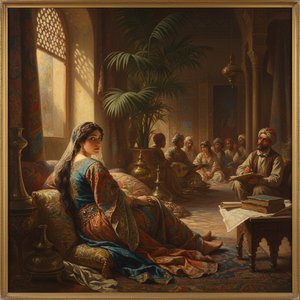
Frank Brangwyn's "Le roi au chantier," a vibrant tapestry design from 1896, isn’t merely a depiction of a workshop; it’s a meticulously crafted tableau brimming with the energy and spirit of the late Victorian era. The painting captures a scene of industriousness – men and women collaborating around a workbench, bathed in the warm glow of artificial light, a testament to the burgeoning industrial landscape of Europe. Brangwyn, deeply influenced by his father's craftsmanship and his own travels through Spain and North Africa, masterfully blended elements of Orientalism with a distinctly British sensibility, creating an image that is both familiar and strikingly exotic.
The scene unfolds within a densely populated space, filled with the tools and materials of construction. A central figure, presumably the “king” alluded to in the title, directs operations with a focused intensity, while others engage in various tasks – sawing wood, hammering metal, examining blueprints. The figures themselves are rendered with a remarkable degree of detail, each exhibiting individual expressions and postures that suggest a complex interplay of roles and relationships. Notice the careful attention paid to their clothing; the roughspun fabrics and practical attire speak volumes about the working class, while subtle details like the tools they wield hint at the specific trades represented.
The Painter’s Palette: Style and Technique
Brangwyn's style is immediately recognizable – a bold departure from the muted tones of academic realism. He embraced a vibrant palette, utilizing rich reds, yellows, blues, and greens to create an atmosphere of warmth and dynamism. This chromatic intensity was partly influenced by his travels in warmer climates, where he’d observed the dazzling colors of Moroccan markets and Spanish plazas. The brushwork is loose and expressive, conveying movement and energy with visible strokes that contribute to the overall sense of immediacy. He employed a technique known as “alla prima,” working directly onto the canvas without extensive underpainting, resulting in a textured surface and a feeling of spontaneity.
The tapestry design itself reflects this approach. Brangwyn’s use of color is particularly striking, with each hue carefully chosen to evoke specific emotions and associations. The warm reds and yellows suggest activity and enthusiasm, while the blues and greens contribute to a sense of depth and atmosphere. The composition is deliberately crowded, mirroring the bustling nature of the workshop itself, creating an immersive experience for the viewer.
A Symbol of Progress and Collaboration
“Le roi au chantier” transcends a simple depiction of manual labor; it’s a potent symbol of progress, industry, and collaboration. The “king,” likely representing the foreman or master craftsman, embodies leadership and direction, while the other figures represent the collective effort required to achieve a common goal. The presence of multiple trades – carpentry, metalworking, perhaps even printing – underscores the interconnectedness of Victorian society and the importance of specialized skills.
Furthermore, Brangwyn’s work reflects the broader social anxieties of the era. The rise of industrialization was transforming British society, creating both opportunities and challenges for the working class. Brangwyn's depiction attempts to capture the spirit of this transformation – a celebration of human ingenuity and the potential for collective achievement, albeit within the context of a rapidly changing world.
Capturing the Essence: Reproduction and Legacy
ArtsDot’s hand-painted reproductions strive to faithfully recreate Brangwyn's original vision, meticulously capturing the vibrancy of his palette, the dynamism of his brushwork, and the emotional depth of his composition. Each reproduction is created by skilled artisans who understand the nuances of Brangwyn’s style, ensuring that the artwork retains its authentic character. The choice of materials – high-quality canvas and archival pigments – guarantees that the reproduction will endure for generations to come.
“Le roi au chantier” remains a compelling work of art, offering a glimpse into the social and cultural landscape of Victorian Britain. Whether displayed in a grand salon or a contemporary interior, this tapestry design continues to resonate with viewers, reminding us of the enduring power of human creativity and the importance of collaboration.
Похожие произведения
Биография художника
Frank Brangwyn: A Life Painted in Light and Exotic Hues
Sir Frank William Brangwyn (1867-1956) – a name synonymous with vibrant Orientalist scenes, dramatic maritime vistas, and monumental murals – remains one of the most captivating figures in British art. Born Guillaume François Brangwyn in Bruges, Belgium, his artistic journey was not merely a progression through styles but a relentless exploration fueled by wanderlust, technical mastery, and an unwavering belief in the power of visual storytelling. His life unfolded as a rich tapestry woven with threads of craftsmanship, travel, controversy, and ultimately, enduring legacy.- Early Influences & Training: Brangwyn’s formative years were shaped by his father, William Curtis Brangwyn – a skilled church architect and furniture maker – who instilled in him an appreciation for meticulous design and the beauty of handcrafted objects. This early exposure to craftsmanship was further nurtured within the bustling workshops of William Morris, where young Frank honed his skills in glazing, embroidery, and wallpaper design, immersing himself in the core principles of the Arts and Crafts movement. Crucially, a chance encounter with Arthur Heygate Mackmurdo at South Kensington Museum ignited a passion for drawing and observation that would become central to his artistic practice.
- The Royal Academy Breakthrough: A pivotal moment arrived in 1891 when one of Brangwyn’s paintings, “Funeral at Sea,” was accepted into the prestigious Royal Academy Summer Exhibition. This validation propelled him onto the British art scene and cemented his commitment to a career as an artist. The medal awarded for this work marked not just recognition but a declaration of intent – a bold step away from the more conventional subjects of the time.
From Maritime Depths to Exotic Shores
Brangwyn’s artistic trajectory underwent a dramatic transformation with his travels throughout Europe and beyond. Beginning in the late 1890s, he embarked on extended journeys to Istanbul (Constantinople), Spain, Egypt, Turkey, Morocco, and South Africa – experiences that profoundly shaped his visual language and infused his work with an intoxicating blend of color, texture, and cultural richness. These voyages weren’t merely sightseeing trips; they were immersive explorations that demanded a radical shift in his artistic approach. The somber tones of his early maritime scenes gave way to the dazzling hues and intricate details of Orientalist landscapes – a deliberate departure from established conventions.- Orientalism as a Catalyst: Brangwyn’s fascination with the East wasn't simply aesthetic; it represented a rejection of European artistic norms and an embrace of a new visual vocabulary. He meticulously studied the light, color palettes, and decorative motifs of these exotic cultures, incorporating them into his paintings with remarkable sensitivity and authenticity.
- Technological Innovation: Brangwyn’s travels also spurred experimentation with new techniques and materials. He embraced oil paints, watercolors, lithography, and woodcuts, constantly pushing the boundaries of his artistic practice.
Monumental Murals and Architectural Visions
Brangwyn's ambition extended far beyond individual paintings; he sought to transform entire spaces through monumental murals. His commissions for buildings across Britain, Europe, and North America – including the Royal Exchange in London, the Worshipful Company of Skinners in London, Christ’s Hospital School Chapel in Horsham, and the Missouri State Capitol in Jefferson City – stand as testaments to his scale and ambition. These murals were not mere decorative additions; they were immersive experiences designed to transport viewers to distant lands and evoke a sense of wonder.- The House of Lords Panels: Arguably Brangwyn’s most significant commission was the series of sixteen large panels for the House of Lords in 1924-1932, depicting scenes from the British Empire. Initially lauded as a triumph of artistic vision, these murals were ultimately rejected by Parliament due to their unconventional style and perceived lack of patriotic fervor. Despite this setback, they found a new home in Swansea’s Guildhall, where they continue to captivate audiences today.
- Architectural Integration: Brangwyn's approach was deeply integrated with architectural design. He didn’t simply paint murals; he conceived them as integral components of the building’s overall aesthetic – a testament to his holistic artistic vision.
Legacy and Enduring Influence
Sir Frank William Brangwyn’s legacy extends far beyond his individual artworks. His influence can be seen in the work of subsequent generations of artists, particularly those who embraced Orientalist themes or explored the intersection of art and architecture. He remains a pivotal figure in British decorative arts, celebrated for his technical skill, imaginative vision, and unwavering commitment to artistic innovation.- A Polymath of the Arts: Brangwyn’s versatility – encompassing painting, drawing, engraving, illustration, stained glass design, furniture design, and ceramics – solidified his position as a true polymath of the arts.
- A Symbol of British Eccentricity: His unconventional approach to art and life, coupled with his extensive travels and diverse interests, has earned him a place in the annals of British eccentricity—a quality that continues to fascinate and inspire.
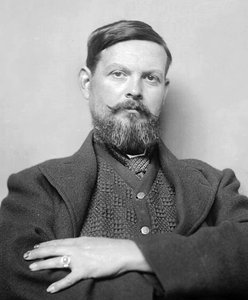
Фрэнк Брангвин
1867 - 1956 , Бельгия
Основные сведения
- Artistic Movement Or Style: Искусство и ремесло, Ориентализм
- Artists Or Movements Influenced By This Artist: ['Британское декоративное искусство']
- Artists Who Influenced This Artist: ['Уильям Моррис']
- Date Of Birth: 1867
- Date Of Death: 1956
- Full Name: Sir Frank William Brangwyn
- Nationality: Британский
- Notable Artworks:
- «Похороны на море»
- «Золотой хорн», Стамбул
- Place Of Birth (City And Country): Брюгге, Бельгия
Похожие статьи
Tamara de Lempicka: Art Deco Iconoclasm & the Construction of Modern Femininity
Explore the captivating world of Tamara de Lempicka, Art Deco icon. Discover her life, groundbreaking paintings, and lasting influence on modern art. Expert insights for collectors.
The Gilded Age Reimagined: Exploring the Aesthetic Principles & Enduring Legacy of Art Deco
Explore the captivating world of Art Deco! Discover its origins, defining features, cultural impact & enduring legacy. Expert insights for collectors and design enthusiasts. Shop handmade reproductions at ArtsDot.
The Gleaming Geometry of Desire: Exploring Art Deco's Enduring Influence on Visual Culture
Explore the captivating world of Art Deco! Discover its history, key characteristics, enduring influence on design & collecting with expert insights from ArtsDot.com.
Frank Brangwyn: A Life Immersed in Colour, Craft & the Spirit of Modern British Art
Explore the vibrant life & prolific work of Frank Brangwyn, a master of British art. Discover his stunning paintings, designs, and monumental Empire Panels – a celebration of colour, craft, and artistic innovation.
The Alluring Gaze: Orientalism in 19th-Century Art – Representation, Reception & Construction of the 'Orient'
Explore the complex history of Orientalism in 19th-century art. Discover how Western artists depicted the 'Orient,' its cultural impact, and Edward Said's critical analysis. A deep dive for art lovers & historians.