

 Предпросмотр
 Поделиться
 Поделиться
 Детали произведения

 Скачать
 Похожие работы
 Рентгенография
 Слайд-шоу
 Статистика
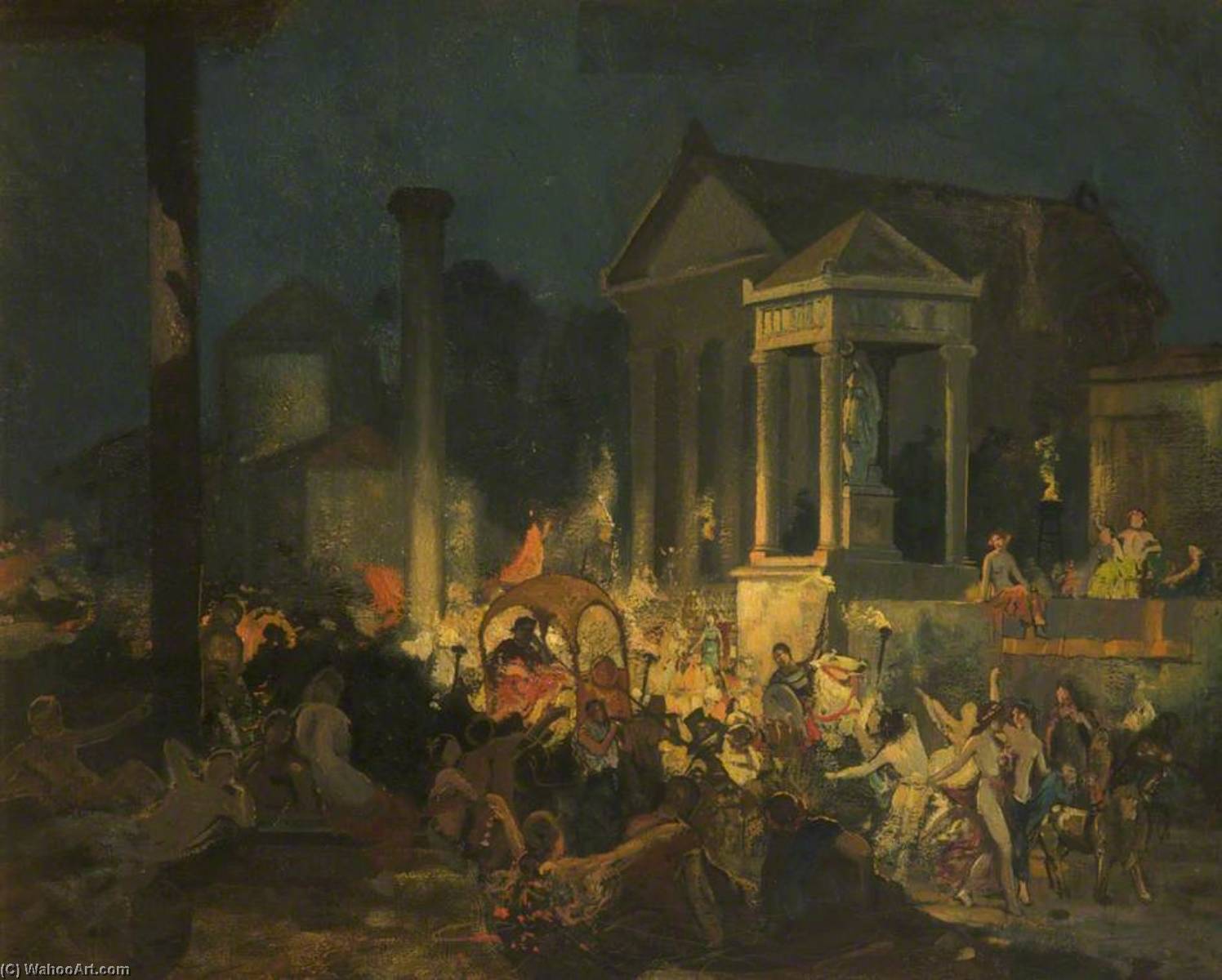
Roman Triumph
 Oil On Canvas
- WallArt
- Arts & Crafts
 67.0 x 89.0 cm
 Salford Museum - Art Gallery
 Читать далее
Приобретите цифровое изображение высокого разрешения в улучшенном качестве, которое значительно превосходит онлайн-превью.
Каждый файл тщательно подготавливается нашими специалистами с использованием передовых инструментов и экспертной ручной ретуши. Мы гарантируем исключительную четкость, точную цветопередачу и детальную проработку каждого изображения.
Финальный файл доставляется по электронной почте в течение 72 часов и оптимизирован для немедленного использования в профессиональной среде, при верстке и печати. Это тот же уровень качества, которому доверяют ведущие дизайнерские студии, издательства и галереи.
Цифровое изображение
Скачайте файл высокого разрешения для личного использования, печати и творческих проектов. ( Перейти к печати Купить картину ручной работы)
Включено в каждый заказ цифровых изображений
Гарантия экспертной цифровой доставки
Выбирая ArtsDot.com, вы получаете не просто изображение — вы приобретаете профессионально обработанное цифровое произведение искусства, созданное с безупречной точностью и под защитой гарантии качества. Вот всё, что автоматически входит в ваш заказ:

Мгновенная доставка по e-mail
Ваш цифровой файл в высоком разрешении будет отправлен вам по электронной почте в течение 72 часов после оформления заказа — и сразу станет доступен для использования.

Цифровой файл с ИИ-улучшением
Ваше произведение искусства проходит профессиональную оптимизацию с использованием передовых инструментов ИИ и ручной обработки, что гарантирует максимальную детализацию, четкость и точность цветопередачи.

Бессрочная бесплатная повторная доставка
Случайно удалили или потеряли файл? Не беспокойтесь — мы отправим его вам повторно в любое время и совершенно бесплатно.

Без импортных пошлин — навсегда
Наслаждайтесь вашим произведением искусства мгновенно без таможенных пошлин, сборов или затрат на доставку — цифровые загрузки всегда не облагаются налогом.

Гарантия точности цветопередачи
Мы гарантируем, что ваше цифровое изображение максимально точно передает оригинальные цвета благодаря использованию профессиональных инструментов и систем управления цветом.

Гарантия удовлетворенности 100 дней
Если вы не будете удовлетворены своим цифровым изображением, мы внесем правки или вернем 100% стоимости в течение 100 дней — без лишних вопросов.

100% Гарантия возврата средств
Не удовлетворены покупкой? Получите полный возврат средств в течение 100 дней после получения цифрового файла — без лишних вопросов.

Скидки на оптовые заказы
Купите 3 изображения, сэкономьте 10% — Купите 5, сэкономьте 15% — Купите 10+, сэкономьте 20%. Отличное решение для творческих проектов, галерей и агентств.
Roman Triumph by Sir Frank Brangwyn
Frank Brangwyn’s “Roman Triumph” stands as a monumental testament to British imperial ambition and artistic grandeur during the early 20th century, capturing a pivotal moment in history with breathtaking vibrancy and meticulous detail. Executed in oil on canvas—measuring 67 x 89 cm—the painting resides within Salford Museum & Art Gallery, offering visitors an unparalleled glimpse into Brangwyn’s masterful vision. ### Style and Technique: Orientalist Visionary Brangwyn firmly established himself as a leading figure of the Arts & Crafts movement, prioritizing craftsmanship alongside expressive artistic intent. His distinctive style is immediately recognizable by its bold color palette—dominated by reds, yellows, and blues—which imbues the scene with an almost hallucinatory intensity. The artist skillfully employs impasto technique, layering thick brushstrokes to create palpable texture and conveying a sense of dynamism that captures the energy of the procession itself. Brangwyn’s meticulous attention to detail extends beyond mere representation; he strives to evoke emotion and convey ideas through symbolic imagery—a hallmark of Orientalist art prevalent during his time. ### Historical Context: Celebrating Empire Painted in 1924, “Roman Triumph” emerged from a period marked by fervent nationalism and the desire to commemorate the centenary of British victory over Napoleon’s invasion of Russia. Commissioned for the Royal Gallery of the House of Lords—a project ultimately abandoned due to disagreements about its aesthetic merits—the painting embodies the prevailing ethos of the era: an unapologetic celebration of Britain's imperial dominion and military prowess. Brangwyn deliberately chose a grand, theatrical composition, mirroring the ceremonial processions that marked significant historical events. The depiction of Roman emperors and dignitaries underscores the enduring legacy of classical civilization as viewed through the lens of British idealism. ### Symbolism and Emotional Impact: Triumph and Remembrance Beyond its factual portrayal of imperial grandeur, “Roman Triumph” resonates with deeper symbolic meanings. The central procession symbolizes not merely military triumph but also the continuity of tradition and the assertion of cultural superiority—themes that were powerfully debated during the interwar years. Brangwyn’s masterful use of color contributes to the painting's emotional impact, conveying both solemn reverence for history and exuberant optimism about Britain’s future. The sheer scale of the canvas compels contemplation, inviting viewers to immerse themselves in a world brimming with vibrant hues and palpable movement—a testament to Brangwyn’s ability to transform pigment into emotion. ### Artistic Influences: Morris and Mackmurdo's Legacy Brangwyn’s artistic journey was profoundly shaped by formative apprenticeships with William Morris and Arthur Heygate Mackmurdo, whose emphasis on craftsmanship and decorative art instilled in him a lifelong commitment to excellence. Like Morris, Brangwyn championed the revival of traditional techniques—particularly glazing—reflecting a broader movement toward rejecting industrial uniformity and embracing beauty as an end in itself. Mackmurdo’s influence is evident in Brangwyn's meticulous attention to architectural detail and his penchant for creating immersive environments—a stylistic hallmark that distinguishes him from many of his contemporaries.Похожие произведения
Биография художника
Frank Brangwyn: A Life Painted in Light and Exotic Hues
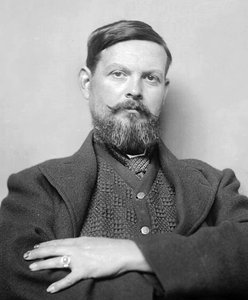
Sir Frank William Brangwyn (1867-1956) – a name synonymous with vibrant Orientalist scenes, dramatic maritime vistas, and monumental murals – remains one of the most captivating figures in British art. Born Guillaume François Brangwyn in Bruges, Belgium, his artistic journey was not merely a progression through styles but a relentless exploration fueled by wanderlust, technical mastery, and an unwavering belief in the power of visual storytelling. His life unfolded as a rich tapestry woven with threads of craftsmanship, travel, controversy, and ultimately, enduring legacy.- Early Influences & Training: Brangwyn’s formative years were shaped by his father, William Curtis Brangwyn – a skilled church architect and furniture maker – who instilled in him an appreciation for meticulous design and the beauty of handcrafted objects. This early exposure to craftsmanship was further nurtured within the bustling workshops of William Morris, where young Frank honed his skills in glazing, embroidery, and wallpaper design, immersing himself in the core principles of the Arts and Crafts movement. Crucially, a chance encounter with Arthur Heygate Mackmurdo at South Kensington Museum ignited a passion for drawing and observation that would become central to his artistic practice.
- The Royal Academy Breakthrough: A pivotal moment arrived in 1891 when one of Brangwyn’s paintings, “Funeral at Sea,” was accepted into the prestigious Royal Academy Summer Exhibition. This validation propelled him onto the British art scene and cemented his commitment to a career as an artist. The medal awarded for this work marked not just recognition but a declaration of intent – a bold step away from the more conventional subjects of the time.
From Maritime Depths to Exotic Shores
Brangwyn’s artistic trajectory underwent a dramatic transformation with his travels throughout Europe and beyond. Beginning in the late 1890s, he embarked on extended journeys to Istanbul (Constantinople), Spain, Egypt, Turkey, Morocco, and South Africa – experiences that profoundly shaped his visual language and infused his work with an intoxicating blend of color, texture, and cultural richness. These voyages weren’t merely sightseeing trips; they were immersive explorations that demanded a radical shift in his artistic approach. The somber tones of his early maritime scenes gave way to the dazzling hues and intricate details of Orientalist landscapes – a deliberate departure from established conventions.- Orientalism as a Catalyst: Brangwyn’s fascination with the East wasn't simply aesthetic; it represented a rejection of European artistic norms and an embrace of a new visual vocabulary. He meticulously studied the light, color palettes, and decorative motifs of these exotic cultures, incorporating them into his paintings with remarkable sensitivity and authenticity.
- Technological Innovation: Brangwyn’s travels also spurred experimentation with new techniques and materials. He embraced oil paints, watercolors, lithography, and woodcuts, constantly pushing the boundaries of his artistic practice.
Monumental Murals and Architectural Visions
Brangwyn's ambition extended far beyond individual paintings; he sought to transform entire spaces through monumental murals. His commissions for buildings across Britain, Europe, and North America – including the Royal Exchange in London, the Worshipful Company of Skinners in London, Christ’s Hospital School Chapel in Horsham, and the Missouri State Capitol in Jefferson City – stand as testaments to his scale and ambition. These murals were not mere decorative additions; they were immersive experiences designed to transport viewers to distant lands and evoke a sense of wonder.- The House of Lords Panels: Arguably Brangwyn’s most significant commission was the series of sixteen large panels for the House of Lords in 1924-1932, depicting scenes from the British Empire. Initially lauded as a triumph of artistic vision, these murals were ultimately rejected by Parliament due to their unconventional style and perceived lack of patriotic fervor. Despite this setback, they found a new home in Swansea’s Guildhall, where they continue to captivate audiences today.
- Architectural Integration: Brangwyn's approach was deeply integrated with architectural design. He didn’t simply paint murals; he conceived them as integral components of the building’s overall aesthetic – a testament to his holistic artistic vision.
Legacy and Enduring Influence
Sir Frank William Brangwyn’s legacy extends far beyond his individual artworks. His influence can be seen in the work of subsequent generations of artists, particularly those who embraced Orientalist themes or explored the intersection of art and architecture. He remains a pivotal figure in British decorative arts, celebrated for his technical skill, imaginative vision, and unwavering commitment to artistic innovation.- A Polymath of the Arts: Brangwyn’s versatility – encompassing painting, drawing, engraving, illustration, stained glass design, furniture design, and ceramics – solidified his position as a true polymath of the arts.
- A Symbol of British Eccentricity: His unconventional approach to art and life, coupled with his extensive travels and diverse interests, has earned him a place in the annals of British eccentricity—a quality that continues to fascinate and inspire.
Фрэнк Брангвин
1867 - 1956 , Бельгия
Основные сведения
- Artistic Movement Or Style: Искусство и ремесло, Ориентализм
- Artists Or Movements Influenced By This Artist: ['Британское декоративное искусство']
- Artists Who Influenced This Artist: ['Уильям Моррис']
- Date Of Birth: 1867
- Date Of Death: 1956
- Full Name: Sir Frank William Brangwyn
- Nationality: Британский
- Notable Artworks:
- «Похороны на море»
- «Золотой хорн», Стамбул
- Place Of Birth (City And Country): Брюгге, Бельгия