

 Предпросмотр
 Поделиться
 Поделиться
 Детали произведения

 Скачать
 Похожие работы
 Рентгенография
 Слайд-шоу
 Статистика
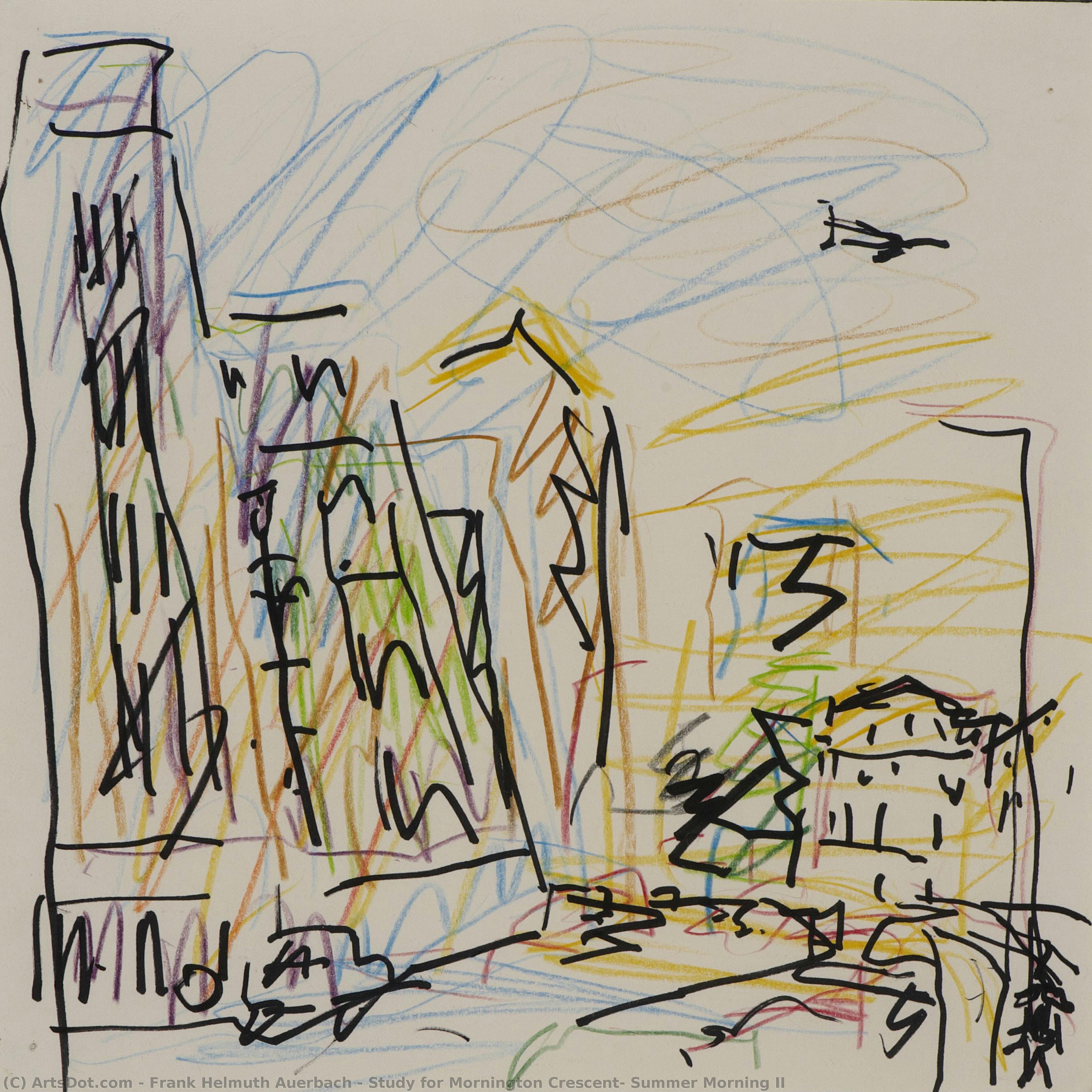
Study for Mornington Crescent, Summer Morning II


 Читать далее
Приобретите цифровое изображение высокого разрешения в улучшенном качестве, которое значительно превосходит онлайн-превью.
Каждый файл тщательно подготавливается нашими специалистами с использованием передовых инструментов и экспертной ручной ретуши. Мы гарантируем исключительную четкость, точную цветопередачу и детальную проработку каждого изображения.
Финальный файл доставляется по электронной почте в течение 72 часов и оптимизирован для немедленного использования в профессиональной среде, при верстке и печати. Это тот же уровень качества, которому доверяют ведущие дизайнерские студии, издательства и галереи.
Цифровое изображение
Скачайте файл высокого разрешения для личного использования, печати и творческих проектов. ( Перейти к печати Купить картину ручной работы)
Включено в каждый заказ цифровых изображений
Гарантия экспертной цифровой доставки
Выбирая ArtsDot.com, вы получаете не просто изображение — вы приобретаете профессионально обработанное цифровое произведение искусства, созданное с безупречной точностью и под защитой гарантии качества. Вот всё, что автоматически входит в ваш заказ:

Мгновенная доставка по e-mail
Ваш цифровой файл в высоком разрешении будет отправлен вам по электронной почте в течение 72 часов после оформления заказа — и сразу станет доступен для использования.

Цифровой файл с ИИ-улучшением
Ваше произведение искусства проходит профессиональную оптимизацию с использованием передовых инструментов ИИ и ручной обработки, что гарантирует максимальную детализацию, четкость и точность цветопередачи.

Бессрочная бесплатная повторная доставка
Случайно удалили или потеряли файл? Не беспокойтесь — мы отправим его вам повторно в любое время и совершенно бесплатно.

Без импортных пошлин — навсегда
Наслаждайтесь вашим произведением искусства мгновенно без таможенных пошлин, сборов или затрат на доставку — цифровые загрузки всегда не облагаются налогом.

Гарантия точности цветопередачи
Мы гарантируем, что ваше цифровое изображение максимально точно передает оригинальные цвета благодаря использованию профессиональных инструментов и систем управления цветом.

Гарантия удовлетворенности 100 дней
Если вы не будете удовлетворены своим цифровым изображением, мы внесем правки или вернем 100% стоимости в течение 100 дней — без лишних вопросов.

100% Гарантия возврата средств
Не удовлетворены покупкой? Получите полный возврат средств в течение 100 дней после получения цифрового файла — без лишних вопросов.

Скидки на оптовые заказы
Купите 3 изображения, сэкономьте 10% — Купите 5, сэкономьте 15% — Купите 10+, сэкономьте 20%. Отличное решение для творческих проектов, галерей и агентств.
A Window into Urban Solitude
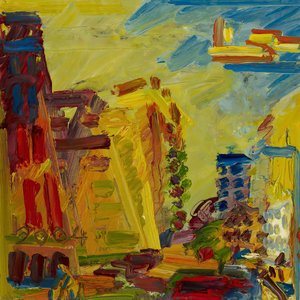
In the evocative drawing Study for Mornington Crescent, Summer Morning II, we are invited to witness a fleeting moment of stillness within the relentless pulse of the city. Created in 2004 by the master of expressive depth, Frank Helmut Auerbach, this piece captures an urban landscape that feels both intimately familiar and hauntingly distant. The composition presents a cityscape where towering structures reach toward a heavy, cloud-swept sky, creating a sense of monumental scale. A solitary plane glides through the upper atmosphere, serving as a poignant reminder of the movement and connectivity that define modern life, while a lone car traverses the streets below, grounding the vast architectural drama in the quiet reality of a summer morning.
The technique employed here reflects Auerbach’s profound ability to manipulate line and shadow to evoke texture and atmosphere. Rather than mere representation, the work functions as an emotional study of space and light. The interplay between the dense, looming buildings and the ethereal, drifting clouds creates a rhythmic tension that draws the eye through the depth of the scene. For the discerning collector or interior designer, this piece offers a sophisticated layer of complexity; its monochromatic nuances and structural strength allow it to anchor a room, providing a focal point that rewards prolonged contemplation with new layers of detail and mood.
The Resonance of Memory and Place
To understand the soul of this work, one must consider the biographical weight carried by Auerbach. Having survived the profound displacements of his youth, his approach to the landscape is often characterized by a search for permanence amidst change. In Study for Mornington Crescent, the urban environment is not merely a backdrop but a living entity. The heavy, textured quality of the sky and the stark silhouettes of the architecture suggest a world that is being both built and weathered by time. There is a subtle symbolism in the way the plane traverses the void—a metaphor for the transient nature of human presence within the enduring structures of our civilization.
This artwork transcends simple documentation, offering instead an atmospheric experience that resonates with anyone who has found beauty in the grit and grandeur of city life. It is a piece that speaks to the resilience of the urban spirit. For those looking to curate a space with art that possesses both historical gravity and contemporary relevance, this reproduction serves as a masterful bridge between the visceral energy of the street and the quiet introspection of the studio. It is an invitation to pause, to look upward, and to find a profound sense of peace within the sprawling complexity of the modern world.
Похожие произведения
Биография художника
Early Life and Escape from Darkness
Frank Helmut Auerbach, born in Berlin on April 29, 1931, embodies a remarkable story of resilience woven into the fabric of his powerfully expressive art. His early life was tragically overshadowed by the rising tide of Nazi persecution. As a Jewish child in pre-war Germany, Auerbach’s parents made the agonizing decision to send him to Britain in 1939, one of six children sponsored by the compassionate writer Iris Origo. This act of desperate hope proved pivotal; while young Frank found refuge across the Channel, his parents remained behind, ultimately perishing in the horrors of Auschwitz in 1942. The profound loss and the trauma of displacement would become an unspoken yet deeply felt undercurrent throughout Auerbach’s artistic journey.
Settling in Britain, Auerbach attended Bunce Court School in Kent, where he displayed a natural aptitude for both art and drama—a path that nearly led him to the stage. However, it was his burgeoning passion for visual expression that ultimately prevailed. He embarked on formal studies at St Martin’s School of Art from 1948 to 1952, followed by a period at the Royal College of Art from 1952 to 1955. Crucially, Auerbach also benefited from the tutelage of David Bomberg at the Borough Polytechnic in London between 1947 and 1953. Bomberg’s emphasis on direct observation and emotional intensity proved a formative influence, shaping Auerbach's distinctive approach.
The School of London and a Unique Artistic Voice
Auerbach quickly emerged as a leading figure within the loosely defined “School of London,” a group of artists—including Francis Bacon and Lucian Freud—who shared a commitment to figurative painting, psychological depth, and a gritty realism. However, Auerbach’s style was uniquely his own. He rejected the prevailing abstract expressionism in favor of a deeply personal vision rooted in the urban landscape and the human form. His early works were characterized by a thick impasto technique, built up layer upon layer with palette knives and even rags, creating surfaces that are both tactile and emotionally charged.
The 1950s saw Auerbach establishing his presence through exhibitions at the Beaux Arts Gallery in London. These early shows revealed a burgeoning talent grappling with themes of memory, loss, and the complexities of modern life. He didn’t shy away from portraying the harsh realities of post-war Britain, focusing on scenes of everyday existence—busy streets, anonymous figures, and the architectural fabric of the city.
Technique as Emotional Excavation
Auerbach's distinctive technique is central to understanding his art. He doesn’t merely *represent* a subject; he seems to excavate it from the canvas itself. His method involves working rapidly, often outdoors, building up layers of paint with extraordinary physicality. This process isn’t about precise rendering but rather about capturing an essence—a feeling, a mood, a sense of presence. The resulting surfaces are dense, almost sculptural, and imbued with a remarkable energy.
His use of papier-mâché masks, created from casts of faces and then layered with paint, adds another layer of complexity to his portraits. These masks aren’t intended as literal representations but rather as vehicles for exploring the psychological depths of his subjects. They become fragmented, distorted, yet strangely compelling expressions of identity.
Major Achievements and Lasting Legacy
Throughout his career, Auerbach received widespread recognition for his contributions to contemporary art. A major retrospective at the Hayward Gallery in 1978 cemented his reputation, followed by inclusion in the groundbreaking “A New Spirit in Painting” exhibition at the Royal Academy of Arts in 1981. He represented Britain at the Venice Biennale in 1986, sharing the Golden Lion with Sigmar Polke—a testament to his international standing.
His works are held in major museum collections worldwide, and he continues to inspire generations of artists with his unwavering commitment to figurative painting and his deeply personal artistic vision. Auerbach’s paintings aren't simply images; they are emotional landscapes, born from a life marked by loss, resilience, and an enduring search for meaning in the complexities of the human experience.
Influences and Historical Significance
While firmly rooted in his own unique vision, Auerbach’s work draws upon a rich artistic heritage. The influence of David Bomberg is undeniable, particularly in his emphasis on direct observation and emotional intensity. He also admired artists like Gustave Courbet and Honoré Daumier, whose gritty realism resonated with his own desire to portray the realities of modern life.
Auerbach’s historical significance lies in his refusal to embrace prevailing trends. At a time when abstract expressionism dominated the art world, he remained steadfastly committed to figurative painting, pushing the boundaries of the medium and exploring the psychological depths of his subjects with unparalleled intensity. He is considered one of the most important British painters of the 20th and 21st centuries, leaving an indelible mark on contemporary art.
frank helmuth auerbach
1931 -
Основные сведения
- Artistic Movement Or Style: School of London
- Artists Or Movements Influenced By This Artist: ['Francis Bacon']
- Artists Who Influenced This Artist: ['David Bomberg']
- Date Of Birth: April 29, 1931
- Full Name: Frank Helmut Auerbach
- Nationality: British
- Notable Artworks:
- Seated Figure
- Mornington Crescent – Summer Morning II
- David
- Place Of Birth: Berlin, Germany