

 Предпросмотр
 Поделиться
 Поделиться
 Детали произведения

 Скачать
 Похожие работы
 Рентгенография
 Слайд-шоу
 Статистика
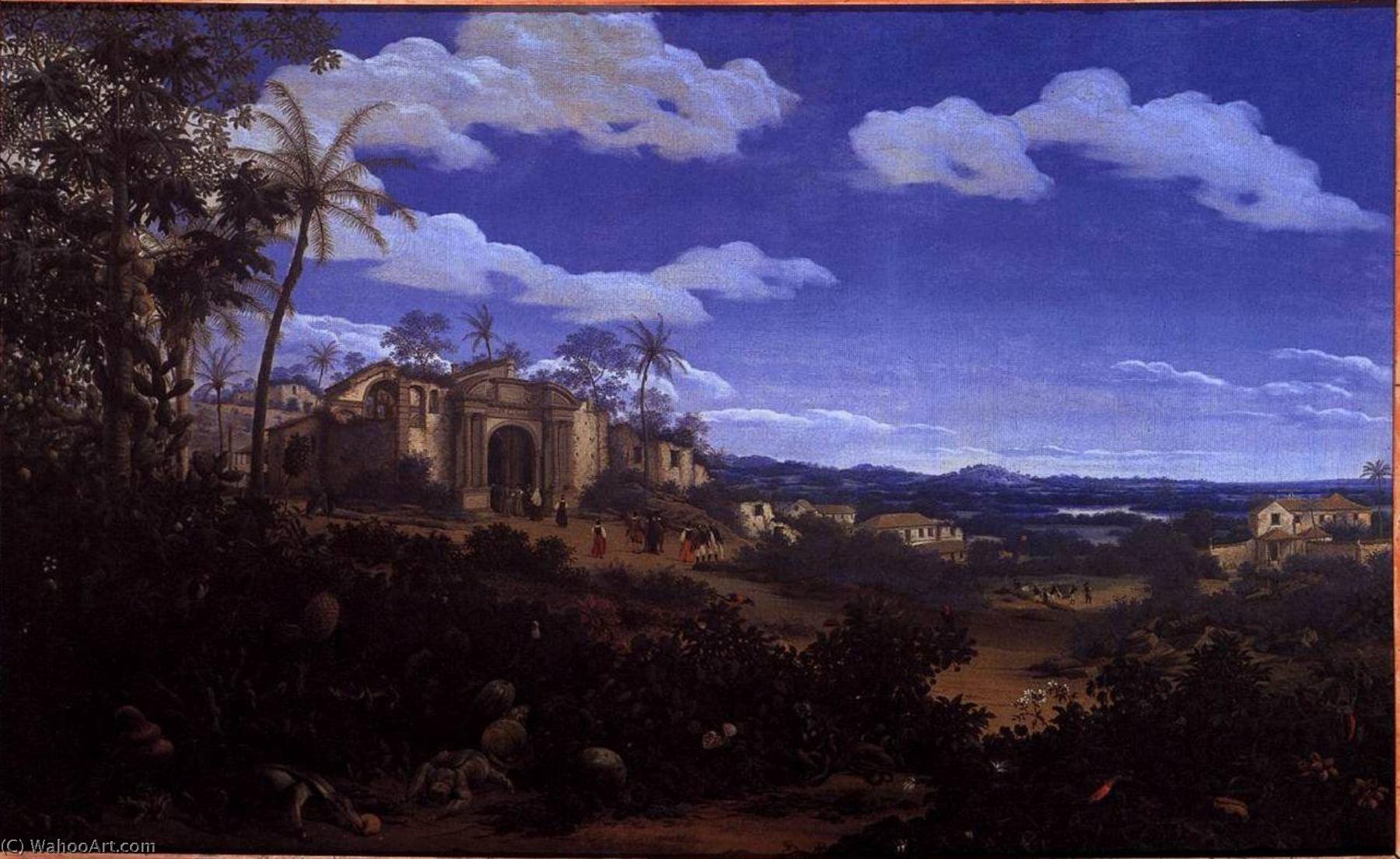
View of Olinda, Brazil
 1662
1662 108.0 x 173.0 cm
 Читать далее
Жикле / Арт-принт
Печать (жикле) или холст музейного качества с быстрыми сроками изготовления и широким выбором вариантов отделки. ( Купить картину ручной работы Перейти к цифровым изображениям)




































Выберите один из наших стандартных размеров, соответствующих оригинальным пропорциям произведения искусства.

Вы можете указать свои собственные размеры, чтобы репродукция идеально подошла под конкретную раму или пространство. Если выбранный вами размер не будет соответствовать пропорциям оригинала, мы либо обрежем произведение, либо дополним изображение зеркальным отражением краев или однотонной заливкой. Перед началом производства вам будет отправлен цифровой макет для утверждения.
Пожалуйста, обратите внимание, что предварительный просмотр на экране не отображает фактическую обрезку или расширение изображения. Только макет точно покажет финальную композицию.
Несмотря на возможность заказа индивидуальных размеров, мы рекомендуем выбирать размер из предопределенного списка, чтобы сохранить оригинальные пропорции.
Доставка по всему миру () за 2 недели вместо стандартных 4/5 недель. (12 Сентябрь)

Бесплатная экспресс-доставка по всему миру

Высококачественный льняной холст

Полное страхование доставки

Гарантия возмещения таможенных пошлин

Гарантия точного соответствия цветов

100-дневная политика возврата (только при обнаружении дефектов)

Гарантия возврата 100% средств

Предложение оптовых скидок
 Вариант со стеклом доступен только для размеров менее 110 см

View of Olinda, Brazil
Жикле / Арт-принт
Размер репродукции
-


Итоговая стоимость
$ 62
The Artist and His Work
Frans Jansz Post was a Dutch painter who traveled to Brazil with Johan Maurits, the Prince of Nassau-Siegen, in 1637. During his time in Brazil, Post created numerous sketches and paintings of the country's landscapes, flora, and fauna. Upon his return to the Netherlands, he continued to paint Brazilian scenes, including the View of Olinda, Brazil. This painting is one of his most notable works and showcases his ability to capture the vibrant colors and lively atmosphere of the Brazilian town of Olinda.The Painting's Significance
The View of Olinda, Brazil is significant not only for its beauty but also for its historical importance. The painting depicts the town of Olinda, which was a major Portuguese settlement in Brazil at the time. The artwork shows the town's buildings, including the cathedral, surrounded by lush vegetation and exotic animals. This painting is a rare example of a European artist capturing the essence of Brazilian culture and landscape during the 17th century.- The painting features a range of colors and textures, from the vibrant greens of the trees to the rough stone of the buildings.
- The artwork includes various animals, such as birds and monkeys, which add to the lively atmosphere of the scene.
- The Rijksmuseum in Amsterdam is home to an impressive collection of Post's works, including the View of Olinda, Brazil.
The View of Olinda, Brazil is a masterpiece that showcases the beauty and vibrancy of Brazilian culture. With its stunning colors, lively atmosphere, and historical significance, this painting is a must-see for art lovers and historians alike.
Похожие произведения









Биография художника
The Pioneer of Brazilian Vistas
Frans Janszoon Post stands as a singular, luminous figure in the tapestry of the Dutch Golden Age, a painter whose brush first bridged the distance between the refined studios of Haarlem and the untamed, sun-drenched landscapes of the Americas. Born in 1612 into an influential artistic lineage, Post was the son of Jan Janszoon Post, a celebrated glass painter, and the brother of the renowned architect Pieter Post. This upbringing within the meticulous traditions of the Leiden glassmaking guild likely instilled in him a profound reverence for light, detail, and the delicate interplay of color. While his contemporaries often focused on the domestic tranquility of Dutch canals and windmills, Post’s destiny was inextricably linked to an extraordinary expedition that would forever alter the course of landscape painting.
In 1637, driven by a blend of professional ambition and the strategic interests of the Dutch West India Company, Post embarked on a momentous journey to Dutch Brazil. He traveled as part of the entourage of Johan Maurits van Nassau-Siegen, the ambitious governor who sought to cultivate both political dominance and scientific enlightenment in the New World. This was not merely a voyage of discovery but a mission of documentation. Alongside fellow artists like Albert Eckhout and Zacharias Wagener, Post became an essential eye for the Dutch colonial enterprise, tasked with capturing the essence of a territory that remained, to European eyes, a realm of exotic wonder and immense potential.
A Fusion of Scientific Observation and Artistic Idealism
The work produced during his years in Brazil (1637–1644) represents a remarkable synthesis of empirical observation and classical composition. Unlike many landscape painters who relied on imagination or secondhand accounts, Post had the rare privilege of sketching directly from life. His canvases are characterized by an uncanny ability to render the specificities of South American flora and fauna with a precision that bordered on the scientific. Yet, he did not merely produce botanical records; he infused these scenes with a sense of Dutch classical order. He often composed his landscapes using a structured perspective, placing recognizable architectural elements—such as the ruins of Olinda or the churches of Igaraçu—within a framework that felt both wild and navigable.
There is a profound emotional resonance in his depiction of the colonial landscape, an atmosphere that oscillates between the serene and the monumental. His use of light reflects the luminous quality of the tropical sun, yet it is filtered through a Dutch sensibility that values clarity and atmospheric depth. In works such as View of the Island of Itamaracá, one can observe the careful balance of human presence—Portuguese riders and local residents—against the vast, sweeping backdrop of the Atlantic coast. This technique allowed him to present an idealized vision of Dutch colonial rule, portraying a landscape that was simultaneously exotic and under the orderly gaze of European civilization.
Legacy and Historical Significance
Upon his return to the Netherlands, Post did not merely retreat into obscurity; instead, he established himself within the prestigious artistic hierarchy of Haarlem. His ability to supply the Dutch market with vistas of a distant, much-coveted land made him a highly sought-after painter. His works were collected by the most prominent figures in Europe and Brazil, serving as a visual window into the burgeoning colonial world. The historical significance of his oeuvre cannot be overstated; he was the first European artist to provide such a comprehensive and visually sophisticated record of the Americas.
The enduring impact of Frans Post lies in his role as a pioneer of a new genre of landscape painting. He expanded the boundaries of the Dutch tradition, proving that the principles of light, shadow, and composition developed in the Low Countries could be applied to capture the spirit of an entirely different hemisphere. Today, his paintings remain invaluable historical documents, offering a window into a complex era of exploration, conquest, and cultural encounter. Through his meticulous brushwork, the vibrant colors and breathtaking vistas of 17th-century Brazil continue to breathe with a life that transcends the centuries.
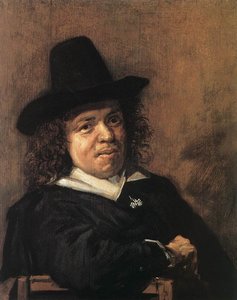
Frans Jansz Post
1612 - 1680
Основные сведения
- Artistic Movement Or Style: Dutch Golden Age
- Artists Or Movements Influenced By This Artist: ['Baroque']
- Artists Who Influenced This Artist:
- Jacob van Ruysdael
- Pieter de Molijn
- Date Of Birth: 1612
- Date Of Death: 1680
- Full Name: Frans Janszoon Post
- Nationality: Dutch
- Notable Artworks:
- View of Olinda
- Riverside Village
- Place Of Birth: Haarlem, Netherlands