

 Предпросмотр
 Поделиться
 Поделиться
 Детали произведения

 Скачать
 Похожие работы
 Рентгенография
 Слайд-шоу
 Статистика
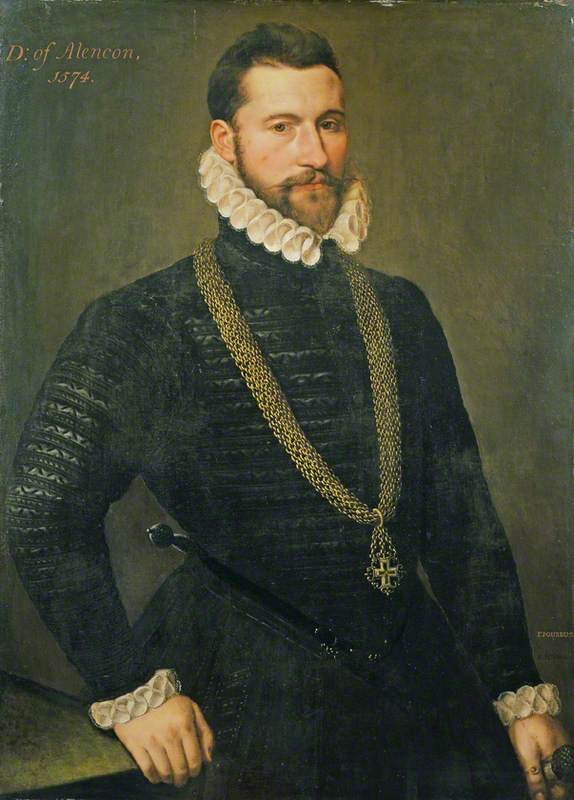
Portrait of a Man
 Oil On Canvas
- WallArt
- Elizabethan Portraiture
 1574
1574 99.0 x 71.0 cm
 Уоллоус Коллекшн
 Читать далее
Жикле / Арт-принт
Печать (жикле) или холст музейного качества с быстрыми сроками изготовления и широким выбором вариантов отделки. ( Купить картину ручной работы Перейти к цифровым изображениям)




P118B $10

P118H $10

P118W $10

P438Z $10

P508JH $12

P508YH $12

P805H $10

P805Z $10

P919BZ $10

P919G $10

P919XJ $10

P959ZH $10

P968JZ $12

W106C $8

W218G $10

W218JH $8

W218Y $10

W307PJ $10

W316G $10

W316PJ $8

W316Y $10

W398PJ $8

W4111J $10

W500HY $15

W500JH $15

W692G $12

W849H $8

W940BG $15

W953PJ $8




Выберите один из наших стандартных размеров, соответствующих оригинальным пропорциям произведения искусства.

Вы можете указать свои собственные размеры, чтобы репродукция идеально подошла под конкретную раму или пространство. Если выбранный вами размер не будет соответствовать пропорциям оригинала, мы либо обрежем произведение, либо дополним изображение зеркальным отражением краев или однотонной заливкой. Перед началом производства вам будет отправлен цифровой макет для утверждения.
Пожалуйста, обратите внимание, что предварительный просмотр на экране не отображает фактическую обрезку или расширение изображения. Только макет точно покажет финальную композицию.
Несмотря на возможность заказа индивидуальных размеров, мы рекомендуем выбирать размер из предопределенного списка, чтобы сохранить оригинальные пропорции.
Доставка по всему миру () за 2 недели вместо стандартных 4/5 недель. (12 Сентябрь)

Бесплатная экспресс-доставка по всему миру

Высококачественный льняной холст

Полное страхование доставки

Гарантия возмещения таможенных пошлин

Гарантия точного соответствия цветов

100-дневная политика возврата (только при обнаружении дефектов)

Гарантия возврата 100% средств

Предложение оптовых скидок
 Вариант со стеклом доступен только для размеров менее 110 см

Portrait of a Man
Жикле / Арт-принт
Размер репродукции
-


Итоговая стоимость
$ 62
A Window Into Elizabethan Dignity: Frans Pourbus’ Portrait of Sir Henry Neville
Frans Pourbus the Elder's "Portrait of a Man," completed in 1574, stands as a testament to the artistic fervor of the Flemish Renaissance and embodies the ideals of its time. Painted during the reign of Elizabeth I and James VI of Scotland—a period marked by political intrigue and burgeoning humanist thought—this artwork transcends mere representation; it’s an exploration of status, intellect, and the solemn grandeur characteristic of Elizabethan portraiture. The painting's meticulous detail speaks volumes about Pourbus’ mastery of technique and his unwavering commitment to capturing the essence of his subject.- Technical Brilliance: Executed in oil on canvas, Pourbus employed a masterful blending of colors—primarily dark browns and greys—to create a subdued yet impactful visual experience. The subtle layering of glazes lends depth and luminosity to the figure’s skin tones, demonstrating an understanding of chiaroscuro – dramatic lighting that sculpts form and enhances emotional resonance.
- Composition & Perspective: Centered around Sir Henry Neville, a prominent diplomat and nobleman, the portrait utilizes a single-point perspective, directing the viewer's gaze directly to the subject’s face. This deliberate compositional choice reinforces his importance and establishes him as the focal point of attention.
- Detailed Rendering: The artist painstakingly rendered every aspect of Neville’s attire—a black doublet adorned with ruffled collars, a heavy gold chain bearing a pendant—reflecting the opulent fashions of the era. Furthermore, meticulous attention was paid to capturing the texture of fabrics and jewelry, showcasing Pourbus' dedication to realism.
- Elizabethan Influence: Pourbus' style aligns perfectly with the prevailing artistic trends of Elizabeth I’s court, where portraiture flourished as a means of asserting royal prestige and commemorating influential figures.
- Northern Renaissance Legacy: This artwork exemplifies the Northern Renaissance preoccupation with humanist ideals—the belief in human reason and potential—a cornerstone of intellectual discourse during the sixteenth century.
Похожие произведения
Биография художника
A Legacy Forged in Bruges: The Life and Art of Frans Pourbus the Elder
Frans Pourbus the Elder, a name resonating within the annals of Flemish Renaissance art, emerged from the artistic heartland of Bruges in 1545. Born into a family deeply entrenched in the world of painting – his father, Pieter Pourbus, was a respected artist who had migrated from Gouda – Frans’s path seemed predetermined. His mother, Anna Blondeel, further solidified this creative lineage as the daughter of Lancelot Blondeel, a multifaceted talent encompassing painting, architecture, surveying, and cartography. This rich artistic heritage provided young Frans with an immersive environment where he received his initial training directly from his father, absorbing the traditional Flemish techniques that would form the foundation of his style. By approximately 1550, at just fifteen years of age, he had already ascended to a position of significant responsibility within his father’s workshop, demonstrating an early aptitude and dedication to the craft.Antwerpian Influences and Artistic Development
The trajectory of Pourbus' artistic development took a pivotal turn in 1564 when he ventured to Antwerp and entered the studio of Frans Floris. This marked a crucial period of exposure to the burgeoning “Romanist” movement, characterized by a fascination with the Italian High Renaissance masters – Michelangelo and Raphael foremost among them. Floris, a leading figure in this artistic current, instilled within Pourbus an appreciation for a more dynamic and painterly approach, moving beyond the meticulous detail often associated with earlier Flemish painting. Pourbus wasn’t merely a passive observer; he actively participated in completing unfinished canvases under Floris's guidance, honing his skills and absorbing the master’s stylistic nuances. A planned journey to Italy in 1566 was curiously abandoned after a visit to Lucas de Heere in Ghent, reportedly captivated by the painter-poet’s niece – a romantic detour that ultimately led to marriage with Suzanna Floris, niece of Frans Floris and daughter of Cornelis Floris de Vriendt, a prominent sculptor and architect. This union further cemented Pourbus's position within Antwerp’s artistic elite. The arrival of his son, also named Frans (Frans Pourbus the Younger) in 1569, would ensure the continuation of this distinguished family tradition.Guild Recognition and a Flourishing Career
By 1569, Frans Pourbus had firmly established himself as a master craftsman, gaining admittance to both the Bruges and Antwerp Guilds of Saint Luke – a testament to his skill and reputation. He actively took on apprentices, nurturing the next generation of artists, including Roctus Gabrelius da Bresson in 1572 and Peeter Cobbe in 1575. His career flourished with commissions for both religious works and portraits, catering to the rising mercantile class of Bruges and Antwerp. The influence of Anthonis Mor, a celebrated portraitist, is also believed to have subtly shaped Pourbus’s mature style, though direct evidence remains elusive. A significant undertaking came in 1572 with the commission for fourteen panels depicting the life of Saint Andrew for St Bavo's Cathedral in Ghent, alongside a triptych portraying Vigilius Aytta, also destined for the same cathedral. In 1574, he undertook an even more ambitious project: redecorating the choir of St Martin’s Abbey in Tournai with seventeen works divided into three series – a Passion of Christ cycle, a depiction of the Crucifixion, and illustrations from the life of Saint Martin.Religious Shifts and a Lasting Legacy
The latter part of Pourbus's life was marked by personal loss and religious change. Following his wife Suzanna’s death in 1578, he remarried Anna Mahieu, daughter of the painter Jan Mahieu. The birth of their son, Moses, suggests a growing embrace of Calvinism within the family – a shift that likely influenced Pourbus's artistic focus towards portraiture, as religious painting was often discouraged by Protestant communities. Tragically, Frans Pourbus’s life was cut short on September 19, 1581, while performing his duties with the civil guard in Antwerp. He succumbed to typhoid fever contracted near a sewer pipe – an ignominious end for a man of such artistic talent. Despite his untimely death, Frans Pourbus the Elder left behind a substantial body of work and, more importantly, a legacy carried forward by his son, Frans Pourbus the Younger, who would achieve international renown as a portraitist to European royalty. Pourbus’s ability to blend traditional Flemish techniques with Italianate influences ensured his place as a significant figure in the transition between Renaissance and Baroque art, leaving an indelible mark on the artistic landscape of the Low Countries.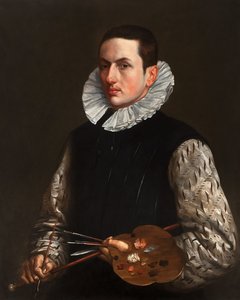
Frans Pourbus the Elder
1545 - 1581 , Belgium
Основные сведения
- Artistic Movement Or Style: Renaissance portraiture
- Artists Or Movements Influenced By This Artist: ['Frans Pourbus the Younger']
- Artists Who Influenced This Artist:
- Frans Floris
- Anthonis Mor
- Date Of Birth: 1545
- Date Of Death: 1581
- Full Name: Frans Pourbus the Elder
- Nationality: Flemish
- Notable Artworks:
- Saint Andrew Panels
- Viglius Aytta Triptych
- Portrait of an Old Man
- Portraits of Archduke Albrecht and Archduchess Isabella
- Place Of Birth: Bruges, Belgium
Похожие статьи
Сир Джошуа Рейнольдс: 25 шедевров портретной живописи для ценителей искусства и декора
Погрузитесь в мир Сира Джошуа Рейнольдса! 25 величайших портретов английского искусства XVIII века. Узнайте историю создания шедевров, технику живописи и вдохновитесь для декора интерьера. Репродукции картин высокого качества на ArtsDot.com.

Альфред Муннингс: 25 шедевров британского импрессионизма для вашего интерьера | ArtsDot
Погрузитесь в мир Альфреда Муннингса! 25 шедевров британского импрессионизма, запечатлевших красоту лошадей и сельской Англии. Репродукции картин высокого качества для вашего интерьера на ArtsDot.com.
Robert Henri & the Spirit of American Realism: A Legacy of Urban Life and Artistic Independence
Explore the life & legacy of Robert Henri, a pivotal figure in American Realism. Discover his captivating portraits, influence on the Ashcan School, and enduring impact on art history. Learn more at ArtsDot.
Топ-25 шедевров Анри Матисса: Цвет и форма в интерьере с ArtsDot
Погрузитесь в мир Анри Матисса! 25 шедевров фовизма, ярких красок и новаторских техник. Узнайте историю создания культовых картин художника и вдохновитесь для интерьера с ArtsDot.com – музейное качество репродукций.
10 Шедевров Фовизма: Яркие краски и экспрессия в интерьере с ArtsDot
Погрузитесь в мир фовизма! 10 шедевров Матисса, Дерена и других мастеров экспрессионизма. Узнайте историю ярких красок и смелых форм. Репродукции картин высокого качества на ArtsDot.com – для вашего интерьера.