

 Предпросмотр
 Поделиться
 Поделиться
 Детали произведения

 Скачать
 Похожие работы
 Рентгенография
 Слайд-шоу
 Статистика
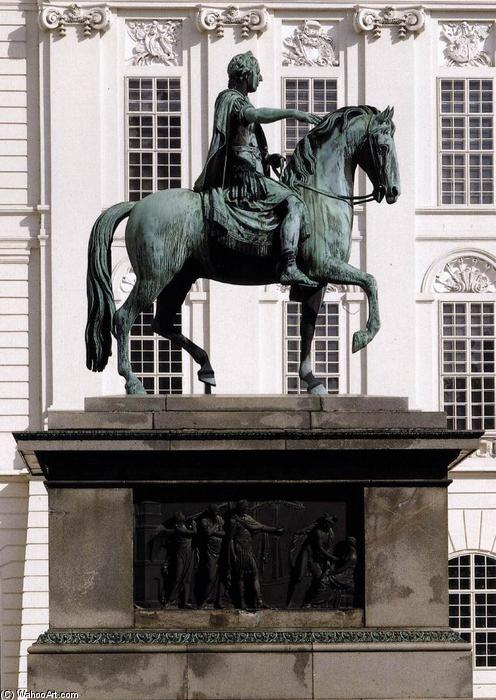
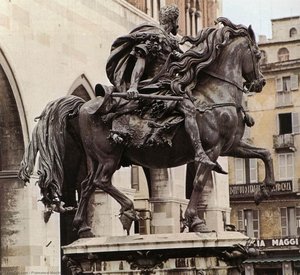
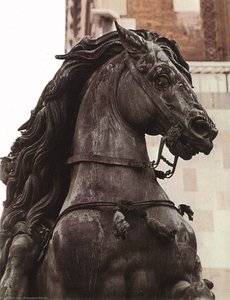
Equestrian statue of the Emperor Joseph II


 Читать далее
Приобретите цифровое изображение высокого разрешения в улучшенном качестве, которое значительно превосходит онлайн-превью.
Каждый файл тщательно подготавливается нашими специалистами с использованием передовых инструментов и экспертной ручной ретуши. Мы гарантируем исключительную четкость, точную цветопередачу и детальную проработку каждого изображения.
Финальный файл доставляется по электронной почте в течение 72 часов и оптимизирован для немедленного использования в профессиональной среде, при верстке и печати. Это тот же уровень качества, которому доверяют ведущие дизайнерские студии, издательства и галереи.
Цифровое изображение
Скачайте файл высокого разрешения для личного использования, печати и творческих проектов. ( Перейти к печати Купить картину ручной работы)
Включено в каждый заказ цифровых изображений
Гарантия экспертной цифровой доставки
Выбирая ArtsDot.com, вы получаете не просто изображение — вы приобретаете профессионально обработанное цифровое произведение искусства, созданное с безупречной точностью и под защитой гарантии качества. Вот всё, что автоматически входит в ваш заказ:

Мгновенная доставка по e-mail
Ваш цифровой файл в высоком разрешении будет отправлен вам по электронной почте в течение 72 часов после оформления заказа — и сразу станет доступен для использования.

Цифровой файл с ИИ-улучшением
Ваше произведение искусства проходит профессиональную оптимизацию с использованием передовых инструментов ИИ и ручной обработки, что гарантирует максимальную детализацию, четкость и точность цветопередачи.

Бессрочная бесплатная повторная доставка
Случайно удалили или потеряли файл? Не беспокойтесь — мы отправим его вам повторно в любое время и совершенно бесплатно.

Без импортных пошлин — навсегда
Наслаждайтесь вашим произведением искусства мгновенно без таможенных пошлин, сборов или затрат на доставку — цифровые загрузки всегда не облагаются налогом.

Гарантия точности цветопередачи
Мы гарантируем, что ваше цифровое изображение максимально точно передает оригинальные цвета благодаря использованию профессиональных инструментов и систем управления цветом.

Гарантия удовлетворенности 100 дней
Если вы не будете удовлетворены своим цифровым изображением, мы внесем правки или вернем 100% стоимости в течение 100 дней — без лишних вопросов.

100% Гарантия возврата средств
Не удовлетворены покупкой? Получите полный возврат средств в течение 100 дней после получения цифрового файла — без лишних вопросов.

Скидки на оптовые заказы
Купите 3 изображения, сэкономьте 10% — Купите 5, сэкономьте 15% — Купите 10+, сэкономьте 20%. Отличное решение для творческих проектов, галерей и агентств.
Похожие произведения





Биография художника
Franz Anton von Zauner (1746 - 1822): Sculptor of Imperial Dignity
Franz Anton von Zauner (5 July 1746/48, Kaunerberg – 3 March 1822, Vienna) was an Austrian sculptor who flourished during the Neoclassical era, leaving behind a legacy marked by monumental equestrian statues and refined portrait sculptures that captured the spirit of his time. Born in Untervalpatann (modern Austria), Zauner’s artistic journey began with humble beginnings – his parents instilled in him a passion for art despite their modest circumstances—a formative influence that would shape his lifelong dedication to sculpting. Early training under Balthasar Horer, a distant relative on his mother's side and later Josef Deutschmann in Passau provided foundational skills in woodcarving, establishing a bedrock of technique that underpinned his subsequent endeavors.- Early Training & Apprenticeship: Zauner’s formative years were spent honing his craft under Horer and Deutschmann, absorbing the principles of craftsmanship and mastering essential sculptural techniques.
- Academic Pursuits: Enrollment at the Academy of Fine Arts in Vienna (1766) marked a pivotal moment, propelling him toward formal artistic education and exposing him to influential mentors like Anton Raphael Mengs.
Rome & The Pursuit of Classical Idealism
A commission from Prince Kaunitz for fountains at Schönbrunn Palace afforded Zauner the opportunity to embark on a transformative journey to Rome between 1776 and 1781—a period profoundly shaped by Mengs’ patronage. Dissatisfaction with prevailing sculptural trends fueled his determination to champion a purer Classical style, rejecting what he perceived as superfluous ornamentation and striving for elegance rooted in ancient artistic ideals. This commitment would become central to his artistic philosophy and inform his subsequent creations.- Mengs' Influence: Anton Raphael Mengs’ guidance instilled in Zauner a critical understanding of classical aesthetics and encouraged him to prioritize simplicity and harmony.
- Rejection of Ornamentation: Zauner actively opposed excessive embellishment, advocating for sculptural forms that embodied the purity and grandeur of antiquity.
The Joseph II Equestrian Statue – A Triumph of Neoclassical Style
Perhaps Zauner’s most celebrated achievement was the monumental equestrian statue of Emperor Joseph II (Holy Roman Emperor), commissioned in 1786. This ambitious undertaking cemented his reputation as a sculptor of distinction and exemplifies the zenith of Neoclassical art—a style characterized by restrained elegance, idealized proportions, and meticulous attention to detail. The statue’s success resonated deeply within Viennese society and garnered Zauner international acclaim, securing him a knighthood from Kaiser Franz I. As Anastasius Grün famously penned in his poem, “The Emperor,” Zauner's masterpiece captured the essence of imperial dignity and reflected the artistic sensibilities of the era.- Technical Mastery: The statue’s construction demanded unparalleled technical skill—Zauner skillfully employed bronze casting techniques to achieve remarkable accuracy and expressiveness.
- Symbolic Significance: Joseph II's posture and attire conveyed notions of authority, virtue, and stability—elements meticulously crafted to embody the ideals of Enlightenment governance.
Later Works & Legacy
Beyond the Joseph II statue, Zauner produced several other notable sculptures, including a monument to Leopold II in the Augustinian Church and the tomb of Field Marshal Ernst Gideon von Laudon at Schloss Laudon—works that showcased his continued dedication to classical principles and solidified his position as one of Vienna’s foremost sculptors. His influence extended beyond his own lifetime, inspiring subsequent generations of artists who embraced Neoclassical aesthetics and sought to emulate Zauner's masterful craftsmanship. Today, Franz Anton von Zauner remains remembered not merely as a sculptor but as an embodiment of Viennese artistic excellence—a testament to the enduring power of Classical ideals and the transformative potential of artistic vision.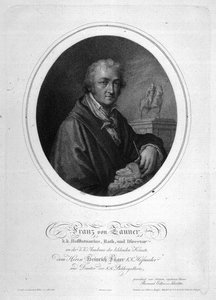
franz anton zauner
1746 - 1822 , Italy
Основные сведения
- Artistic Movement Or Style: Neoclassical
- Artists Or Movements Influenced By This Artist: ['Anastasius Grün']
- Artists Who Influenced This Artist:
- Anton Raphael Mengs
- Balthasar Horer
- Date Of Birth: July 5, 1746/48
- Full Name: Franz Anton von Zauner
- Nationality: Austrian
- Notable Artworks:
- Joseph II Statue
- Leopold II Tomb
- Place Of Birth: Kaunerberg, Italy