 Предпросмотр
 Поделиться
 Поделиться
 Детали произведения

 Скачать
 Похожие работы
 Рентгенография
 Слайд-шоу
 Статистика
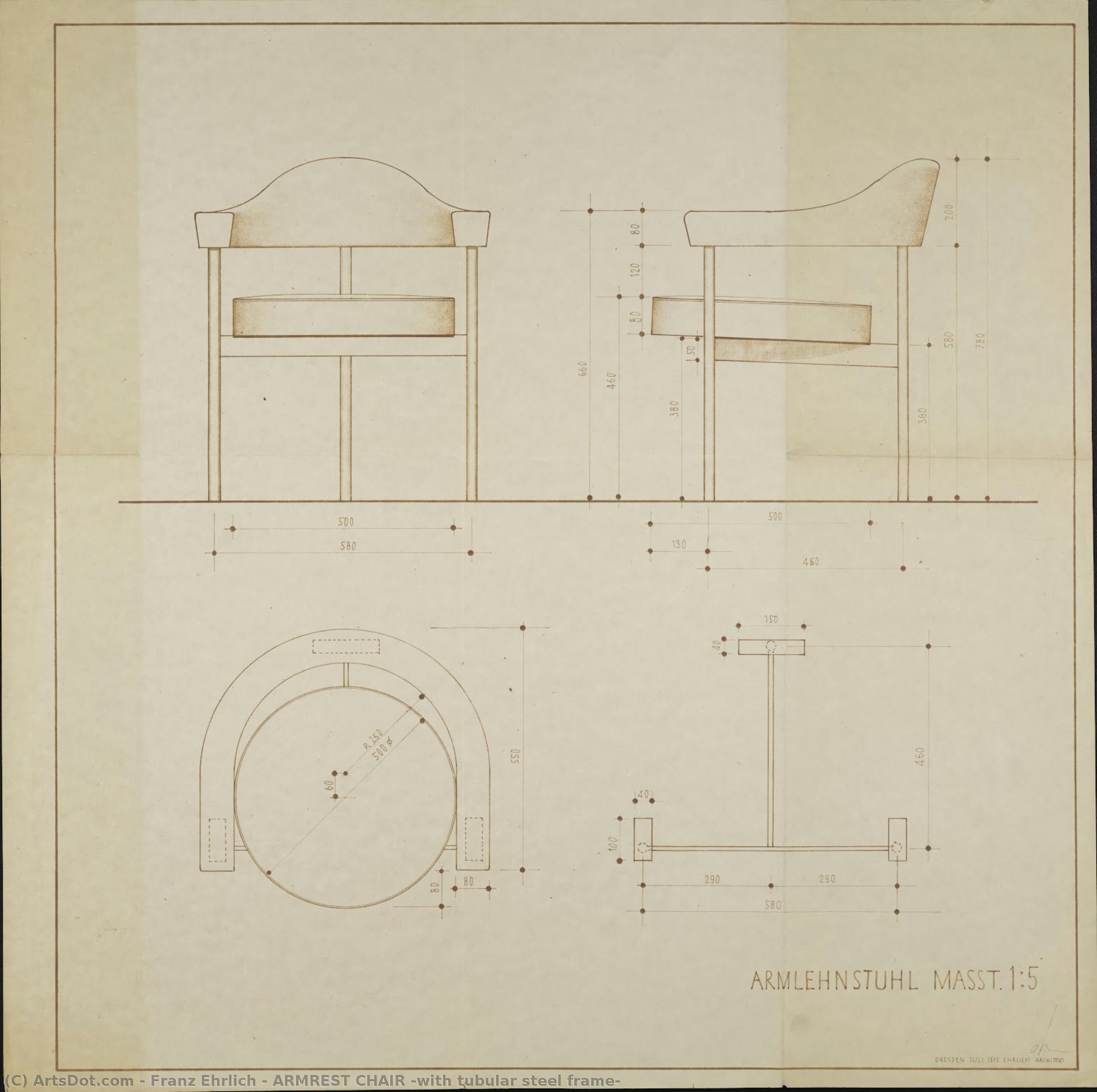
ARMREST CHAIR (with tubular steel frame)
 Oil On Canvas
- WallArt
- Bauhaus Dessau Style
 1970
1970- Renaissance
 49.0 x 49.0 cm
 Баухаус Дессу (Bauhaus Dessau)
 Читать далее
Масляная репродукция ручной работы
Картина маслом на холсте в выбранном вами размере и раме, написанная на заказ нашими художниками. ( Перейти к печати Перейти к цифровым изображениям)




P118B $10

P118H $10

P118W $10

P438Z $10

P508JH $12

P508YH $12

P805H $10

P805Z $10

P919BZ $10

P919G $10

P919XJ $10

P959ZH $10

P968JZ $12

W106C $8

W218G $10

W218JH $8

W218Y $10

W307PJ $10

W316G $10

W316PJ $8

W316Y $10

W398PJ $8

W4111J $10

W500HY $15

W500JH $15

W692G $12

W849H $8

W940BG $15

W953PJ $8




Выберите один из наших стандартных размеров, соответствующих оригинальным пропорциям произведения искусства.

Вы можете указать собственные размеры, чтобы картина идеально вписалась в выбранную раму или пространство. Если выбранный вами размер не соответствует пропорциям оригинала, мы либо обрежем полотно, либо расширим его за счет дополнительных элементов, написанных вручную. Цифровой макет будет отправлен вам на утверждение перед началом производства.
Обратите внимание, что предварительный просмотр на экране не отражает фактическую обрезку или расширение. Только макет точно покажет окончательную композицию.
Хотя доступны индивидуальные размеры, мы рекомендуем выбирать вариант из предопределенного списка, чтобы сохранить исходные пропорции.
После оформления заказа команда ArtsDot.com свяжется с клиентом по электронной почте для уточнения деталей и предоставит предварительный макет
Доставка по всему миру () за 3–4 недели вместо стандартных 5 недель. (12 Сентябрь). Без компромиссов в качестве.

Бесплатная экспресс-доставка по всему миру

Высококачественный льняной холст

Полное страхование доставки

Гарантия возмещения таможенных пошлин

Гарантия точного соответствия цветов

100-дневная политика возврата (только при обнаружении дефектов)

Гарантия возврата 100% средств

Предложение оптовых скидок
 Вариант со стеклом доступен только для размеров менее 110 см

ARMREST CHAIR (with tubular steel frame)
Техника репродукции
Размер репродукции
-


Итоговая стоимость
$ 263
Franz Ehrlich’s “ARMREST CHAIR (with tubular steel frame)” – A Study in Modern Form and Bauhaus Principles
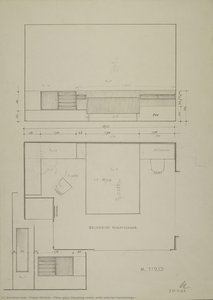
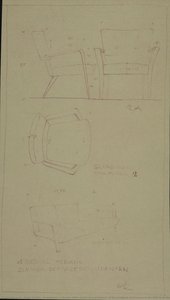
Franz Ehrlich's 1970 drawing, "ARMREST CHAIR (with tubular steel frame)," isn’t merely a schematic of a chair; it’s a distilled essence of mid-century modern design philosophy. Created during a period of intense experimentation within the Bauhaus movement and its subsequent influence on European furniture design, this piece embodies a commitment to functionality, geometric clarity, and an understated elegance that continues to resonate today. Ehrlich, a German architect, calligrapher, and graphic designer deeply rooted in the principles of the Bauhaus, meticulously rendered every detail – from the robust tubular steel frame to the subtly contoured armrests – reflecting a belief in the power of design to improve everyday life.
The drawing itself is deceptively simple. A precise line drawing, executed with remarkable attention to proportion and perspective, lays out the chair’s construction. The labeling—armrest, legs, backrest, seat—is integrated seamlessly into the diagram, suggesting a desire not just to illustrate but to educate on the mechanics of design. Ehrlich's background in calligraphy is evident in the clean, almost geometric lettering used for each component, lending an air of intellectual rigor to the piece. The choice of a monochrome drawing – likely graphite or charcoal – further emphasizes the focus on form and structure, stripping away any potential distraction from the chair’s inherent beauty.
The Bauhaus Legacy: Form Follows Function
Understanding “ARMREST CHAIR” requires acknowledging its context within the Bauhaus movement. Founded in 1919 in Weimar, Germany, the Bauhaus sought to unify art, craft, and technology, rejecting traditional artistic hierarchies and advocating for a new approach to design based on functionality and mass production. Ehrlich’s association with this influential school profoundly shaped his aesthetic sensibilities. The Bauhaus championed “form follows function,” meaning that the shape of an object should be dictated by its intended purpose. This principle is strikingly evident in the chair's design – every element, from the straight lines to the sturdy frame, serves a clear and practical role.
The use of tubular steel, a material popularized during this period due to its strength-to-weight ratio and affordability, was central to Bauhaus furniture design. It allowed for clean lines and a sense of lightness, contributing significantly to the movement’s minimalist aesthetic. Ehrlich's drawing highlights this key element, demonstrating an understanding of industrial materials and their potential within a design context. The chair represents a deliberate departure from ornate, historically-inspired furniture, embracing instead a streamlined, modern approach.
Symbolism and Emotional Impact
While seemingly straightforward, “ARMREST CHAIR” carries subtle symbolic weight. It’s not simply about providing seating; it's about creating an experience of comfort, stability, and order. The chair’s geometric form evokes a sense of rationality and control – qualities highly valued within the Bauhaus philosophy. The clean lines suggest efficiency and practicality, while the robust frame conveys strength and durability.
Furthermore, the drawing itself can be interpreted as a visual manifesto for modern design. It represents a shift away from elaborate decoration and towards a focus on essential form. The meticulous detail suggests a belief in the importance of craftsmanship and precision, even within industrial production. The piece invites contemplation not just about the chair’s physical construction but also about the broader principles that underpin good design – functionality, simplicity, and an appreciation for the beauty of geometric forms.
A Reproduction Worthy of Display
Reproductions of “ARMREST CHAIR (with tubular steel frame)” offer a valuable opportunity to bring this iconic piece of mid-century modern design into contemporary interiors. ArtsDot’s faithful reproduction captures the drawing's original clarity and precision, allowing viewers to appreciate Ehrlich’s meticulous attention to detail. The artwork’s understated elegance complements a wide range of styles, from minimalist spaces to more eclectic settings. Its timeless appeal ensures that it will remain a cherished addition to any collection for years to come.
Похожие произведения





Биография художника
Ранние годы и образование
Франц Эрлих, выдающийся немецкий архитектор, каллиграф и графический дизайнер, родился в 1907 году. Его юность была отмечена врожденной тягой к искусству, что привело его в стены легендарного Баухауса в Дессау, где он обучался с 1927 по 1930 год. Это престижное учебное заведение сыграло решающую роль в формировании художественного мировоззрения Эрлиха, познакомив его с самыми смелыми авангардными течениями той эпохи.Творческий путь и политические убеждения
Приверженность Эрлиха коммунистической партии оказала глубокое влияние на его судьбу и профессиональную деятельность. В 1935 году он был арестован и заключен под стражу нацистским режимом — событие, которое коренным образом изменило траекторию его творческих поисков. Несмотря на все преграды и испытания, Эрлих продолжал вносить свой вклад в мировое искусство, оставив после себя наследие, которое одновременно вдохновляет и заставляет глубоко задуматься.Знаковые произведения
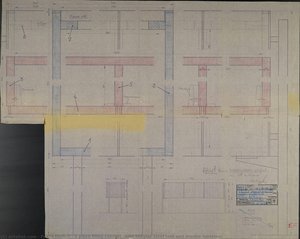
Среди наиболее значимых работ Эрлиха можно выделить следующие:- «800 лет. Das Buch [Книга]. План и виды (выставочные стенды, Лейпцигская ярмарка) — истинное свидетельство его новаторского подхода к дизайну и архитектуре.
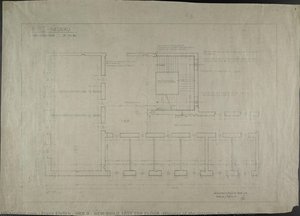
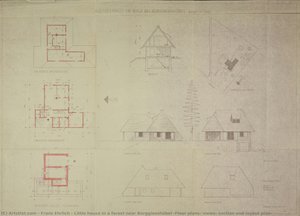
- Проект реализации дома проф. д-ра Бауманна (план фундамента), демонстрирующий его высочайшее мастерство в архитектурном планировании.
- «1933» (фото-скульптурный рекламный проект) — уникальное слияние фотографии и скульптуры, подчеркивающее его экспериментальную натуру.
Музеи и коллекции, представляющие работы Эрлиха
Портал ArtsDot.com представляет обширную коллекцию работ Эрлиха, включая упомянутые выше шедевры. Важным хранилищем его творческих достижений также является Фонд Баухауса в Дессау (Дессау-Рослау, Германия).Наследие и влияние
Вклад Франца Эрлиха в мировое искусство многогранен и отражает широкий спектр его интересов и талантов. Его жизненный путь — как творческий, так и личный — предлагает ценный взгляд на пересечение искусства и политики в переломный момент немецкой истории.- Ознакомиться с другими работами Эрлиха можно по ссылке https://AllmentsStore.com/@/franz-ehrlich
- Изучить коллекцию Фонда Баухауса в Дессау можно здесь: Bauhaus Dessau Foundation (Дессау-Рослау, Германия)
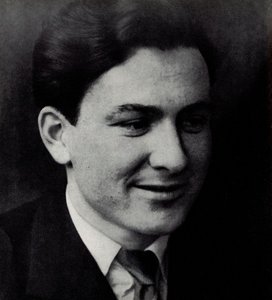
Франц Эрлих
1907 - 1984 , Германия
Основные сведения
- Artistic Movement Or Style: Баухаус, экспрессионизм
- Artists Or Movements Influenced By This Artist:
- Баухаус
- Молодежная Коммунистическая Лига
- Artists Who Influenced This Artist:
- Вальтер Гропиус
- Мохой-Надь
- Клее
- Юст Шмидт
- Date Of Birth: 1907
- Date Of Death: 1984
- Full Name: Франц Эрлих
- Nationality: Немец
- Notable Artworks:
- 800 ЛЕТ. КОНСТРУКЦИЯ СТЕНЫ 3
- Без названия (HKB I или II)
- Картина со скрипкой
- Place Of Birth: Ройт, Германия
Похожие статьи
Franz Bischoff: Bridging Tonalism & Impressionism in California Landscape Painting
Explore the captivating art of Franz Bischoff, a pivotal figure bridging Tonalism & California Impressionism. Discover his stunning landscapes, floral works, and lasting legacy with ArtsDot.
Franz von Stuck: Symbolism, Decadence & the Pursuit of Ideal Beauty
Explore the captivating world of Franz von Stuck, a leading Symbolist painter. Discover his mythological masterpieces, decadent themes, & investment potential. Expert analysis for discerning collectors.
Theodore Clement Steele: American Impressionism's Hoosier Visionary – A Comprehensive Exploration of Life, Art, and Legacy
Explore the life & art of Theodore Clement Steele, a leading American Impressionist painter. Discover his luminous Indiana landscapes, contributions to the Hoosier Group, and enduring legacy. A comprehensive guide for art enthusiasts.
Абстрактная гармония интерьера: текстурный резонанс в сочетании искусства, мебели и отделочных материалов
Создайте гармоничный интерьер своей мечты! Экспертные советы по сочетанию искусства, мебели и текстур. Вдохновение, идеи и практические рекомендации для стильного дома.
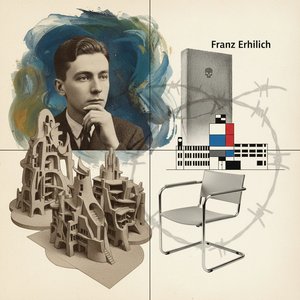
Franz Ehrlich: Bridging Expressionism, Bauhaus & the Shadows of History
Explore the life of Franz Ehrlich, a pivotal Bauhaus architect whose career spanned Expressionism, resistance during Nazi Germany, and GDR reconstruction. Discover his complex legacy & view museum-quality reproductions at ArtsDot.