


 Предпросмотр
 Поделиться
 Поделиться
 Детали произведения

 Скачать
 Похожие работы
 Рентгенография
 Слайд-шоу
 Статистика
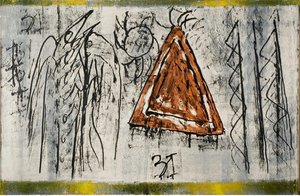
Berlin: Anhalter Bahnhof


 Читать далее
Жикле / Арт-принт
Печать (жикле) или холст музейного качества с быстрыми сроками изготовления и широким выбором вариантов отделки. ( Купить картину ручной работы Перейти к цифровым изображениям)
































Выберите один из наших стандартных размеров, соответствующих оригинальным пропорциям произведения искусства.

Вы можете указать свои собственные размеры, чтобы репродукция идеально подошла под конкретную раму или пространство. Если выбранный вами размер не будет соответствовать пропорциям оригинала, мы либо обрежем произведение, либо дополним изображение зеркальным отражением краев или однотонной заливкой. Перед началом производства вам будет отправлен цифровой макет для утверждения.
Пожалуйста, обратите внимание, что предварительный просмотр на экране не отображает фактическую обрезку или расширение изображения. Только макет точно покажет финальную композицию.
Несмотря на возможность заказа индивидуальных размеров, мы рекомендуем выбирать размер из предопределенного списка, чтобы сохранить оригинальные пропорции.
Доставка по всему миру () за 2 недели вместо стандартных 4/5 недель. (15 Сентябрь)

Бесплатная экспресс-доставка по всему миру

Высококачественный льняной холст

Полное страхование доставки

Гарантия возмещения таможенных пошлин

Гарантия точного соответствия цветов

100-дневная политика возврата (только при обнаружении дефектов)

Гарантия возврата 100% средств

Предложение оптовых скидок
 Вариант со стеклом доступен только для размеров менее 110 см

Berlin: Anhalter Bahnhof
Жикле / Арт-принт
Размер репродукции
-


Итоговая стоимость
$ 62
Похожие произведения





Биография художника
The Architect of a Golden Age
In the heart of the nineteenth century, as the Prussian spirit surged with industrial vigor and imperial ambition, there arose a figure whose vision would forever etch itself into the stone and steel of Berlin. Franz Heinrich Schwechten, born in Cologne in 1841, was far more than a mere builder; he was a master of historicism, an artist capable of summoning the grandeur of bygone eras to serve the burgeoning needs of a modern empire. His journey began with rigorous academic discipline at the Building Academy in Berlin, where he walked the halls alongside luminaries such as Friedrich Adler and Martin Gropius. Under their tutelage, Schwechten absorbed the profound monumental idealism of Schinkel, learning how to weave classical precision with a sense of dramatic scale that would become his unmistakable hallmark.A Symphony of Stone and Steel
The true brilliance of Schwechten lay in his ability to synthesize the old with the new, creating structures that felt both timeless and cutting-edge. This was most vibrantly realized in his role as the chief architect for the Anhalter Bahnhof. As a gateway to the heart of Europe, this colossal terminus was not merely a functional transit hub but a testament to Berlin’s transformation into a global metropolis. Through his hands, the station became a symbol of economic prowess, blending the heavy, authoritative language of historicist design with the innovative engineering required for the age of steam. His talent was further recognized when he secured the prestigious Schinkel Prize in 1869, an accolade that signaled the arrival of a master who could command both the delicate ornamentation of the past and the structural demands of the future.A Legacy of Landmarks
While his career was defined by a singular narrative of growth, his impact can be seen through the diverse range of his most significant architectural contributions:- The Anhalter Bahnhof: A monumental gateway that epitomized Berlin's industrial dynamism.
- Kaiser Wilhelm Memorial Church: A breathtaking Neo-Romanesque masterpiece featuring a soaring 113-meter tower.
- Grunewald Tower: A structural icon that helped define the skyline of the German capital.
- Imperial Castle in Poznań: An expansive display of his ability to project power through historicist design.
The Eternal Silhouette
Beyond the bustling railway terminals, Schwechten’s legacy is perhaps most poignantly felt in his religious and civic monuments. The Kaiser Wilhelm Memorial Church stands as a breathtaking example of his Neo-Romanesque mastery, its intricate sculptural elements serving as a spiritual anchor for the city. His work extended far beyond the borders of Prussia, reaching into the landscapes of Palanga and Poznań, yet it was in Berlin that his architectural language found its most profound resonance. As he ascended to the presidency of the Prussian Academy of Arts, Schwechten had already achieved something much more enduring than titles or honors; he had crafted a permanent identity for an era. Even today, as one wanders through the historic streets of Berlin, the shadows cast by his towers and the strength of his facades remain a hauntingly beautiful reminder of a time when architecture was the ultimate expression of a nation's soul.
Franz Heinrich Schwechten
1841 - 1924 , Germany
Основные сведения
- Artistic Movement Or Style: Historicist Architecture
- Artists Or Movements Influenced By This Artist: ['Schinkel']
- Artists Who Influenced This Artist:
- Martin Gropius
- August Schueler
- Date Of Death: 1924
- Full Name: Franz Heinrich Schwechten
- Nationality: German
- Notable Artworks:
- Grunewald Tower
- Anhalter Bahnhof
- Place Of Birth: Cologne, Germany