

 Предпросмотр
 Поделиться
 Поделиться
 Детали произведения

 Скачать
 Похожие работы
 Рентгенография
 Слайд-шоу
 Статистика
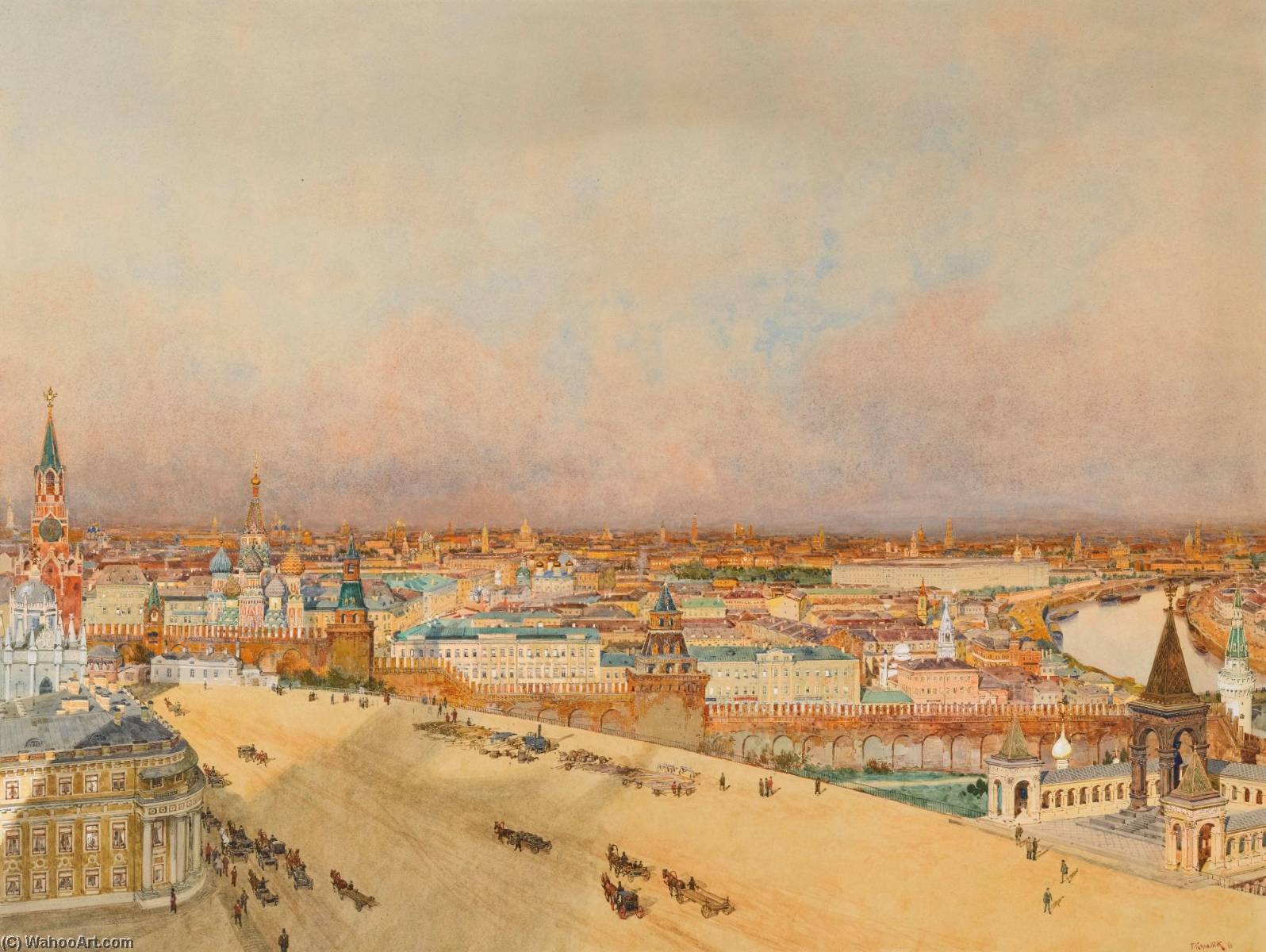
View of Moscow
 Читать далее
Жикле / Арт-принт
Печать (жикле) или холст музейного качества с быстрыми сроками изготовления и широким выбором вариантов отделки. ( Купить картину ручной работы Перейти к цифровым изображениям)
































Выберите один из наших стандартных размеров, соответствующих оригинальным пропорциям произведения искусства.

Вы можете указать свои собственные размеры, чтобы репродукция идеально подошла под конкретную раму или пространство. Если выбранный вами размер не будет соответствовать пропорциям оригинала, мы либо обрежем произведение, либо дополним изображение зеркальным отражением краев или однотонной заливкой. Перед началом производства вам будет отправлен цифровой макет для утверждения.
Пожалуйста, обратите внимание, что предварительный просмотр на экране не отображает фактическую обрезку или расширение изображения. Только макет точно покажет финальную композицию.
Несмотря на возможность заказа индивидуальных размеров, мы рекомендуем выбирать размер из предопределенного списка, чтобы сохранить оригинальные пропорции.
Доставка по всему миру () за 2 недели вместо стандартных 4/5 недель. (13 Сентябрь)

Бесплатная экспресс-доставка по всему миру

Высококачественный льняной холст

Полное страхование доставки

Гарантия возмещения таможенных пошлин

Гарантия точного соответствия цветов

100-дневная политика возврата (только при обнаружении дефектов)

Гарантия возврата 100% средств

Предложение оптовых скидок
 Вариант со стеклом доступен только для размеров менее 110 см

View of Moscow
Жикле / Арт-принт
Размер репродукции
-


Итоговая стоимость
$ 62
Похожие произведения


Биография художника
Early Life and Artistic Beginnings
Franz Kopallik, also known as Fyodor Vasilyev, was a painter deeply rooted in the visual narrative of 19th-century Russia. While biographical details remain somewhat sparse, his artistic journey reflects a dedication to capturing the grandeur and subtle beauty of his surroundings, particularly the evolving urban landscapes of St. Petersburg and Moscow. Born in 1846, Kopallik emerged during a period of significant social and artistic change within the Russian Empire. The mid-19th century witnessed a growing interest in national identity, coupled with an increasing appreciation for realism in art—a movement that sought to depict life as it truly was, without idealization or romantic embellishment. This context profoundly shaped Kopallik’s approach to painting. He wasn't merely documenting buildings; he was recording a specific moment in time, the atmosphere of a burgeoning empire and the lives unfolding within its architectural embrace. His early training likely involved exposure to established academic styles prevalent at the time, providing him with a solid foundation in technique before he developed his distinctive voice.The St. Petersburg & Moscow Years: A Chronicle of Imperial Splendor
Kopallik’s artistic focus centered on the majestic architecture and vibrant cityscapes of Russia's two most important capitals. He became particularly known for his meticulous depictions of St. Petersburg, a city deliberately designed to embody Western European elegance and imperial power. Paintings like *The Hermitage* are not simply representations of a famous building; they are immersive experiences, conveying the scale, opulence, and historical weight of this iconic institution. Similarly, his views of Moscow capture the unique character of that ancient city—a blend of traditional Russian architecture, bustling street life, and burgeoning modernity. He wasn’t interested in grand allegorical statements but rather in the tangible reality of these places. The play of light on gilded surfaces, the reflections in the Neva River, the subtle details of everyday life unfolding against a backdrop of imperial splendor—these were the elements that captivated Kopallik and translated into his work. His paintings offer invaluable insights into the urban fabric of 19th-century Russia, serving as visual records of architectural styles, social customs, and the overall atmosphere of the time.Influences & Artistic Style: Realism with a Romantic Undertone
While firmly rooted in realism, Kopallik’s work isn't devoid of romantic sensibility. He possessed an exceptional ability to capture atmospheric effects—the soft glow of twilight, the dramatic contrast between light and shadow, the subtle nuances of weather conditions. This suggests an influence from the *Barbizon school* and other European landscape traditions that emphasized direct observation of nature and emotional response to the environment. However, Kopallik’s style is distinctly his own. He combined meticulous detail with a painterly approach, creating works that are both visually accurate and emotionally resonant. His brushwork isn't overly refined; it often conveys a sense of immediacy and spontaneity, adding to the overall impression of authenticity.- Detailed Observation: Kopallik’s paintings are characterized by their precise rendering of architectural details and urban scenes.
- Atmospheric Perspective: He masterfully captured light, shadow, and weather conditions to create a sense of depth and mood.
- Realistic Representation: His work reflects a commitment to depicting life as it truly was, without idealization or romantic embellishment.
Major Achievements & Historical Significance
Kopallik’s legacy lies in his comprehensive documentation of 19th-century Russian urban landscapes. While he may not have achieved the widespread fame of some of his contemporaries, his paintings are highly valued for their historical accuracy and artistic merit. Works such as *Monrepos Park views* demonstrate his skill in capturing both natural beauty and human presence within a landscape setting. His depictions of St. Petersburg and Moscow provide invaluable insights into the architectural evolution and social life of these cities during a period of rapid change. Kopallik’s paintings are not merely aesthetic objects; they are historical artifacts, offering glimpses into a bygone era. They serve as visual testaments to the grandeur of the Russian Empire and the lives of those who inhabited it. His work continues to be studied by art historians and appreciated by collectors for its unique blend of realism, romantic sensibility, and meticulous detail. He died in 1927 leaving behind a rich collection of paintings that continue to captivate audiences today.The Enduring Appeal of Kopallik’s Vision
Franz Kopallik's work resonates with contemporary viewers because it offers more than just picturesque scenes. It provides a window into the soul of a nation undergoing transformation, a time when tradition and modernity clashed and coexisted. His paintings are not simply about what was seen but how it felt to be present in these iconic cities during a pivotal moment in Russian history. The enduring appeal of his vision lies in his ability to capture the subtle beauty of everyday life against a backdrop of imperial splendor, reminding us that even within grand architectural settings, it is the human element—the play of light on faces, the bustle of street life, the quiet moments of contemplation—that truly defines a place and its people. His paintings stand as a testament to his skill, dedication, and unwavering commitment to capturing the essence of 19th-century Russia for generations to come.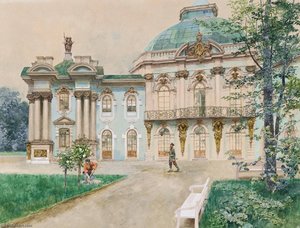
Основные сведения
- Artistic Movement Or Style: Realism
- Artists Or Movements Influenced By This Artist: ['Symbolism']
- Artists Who Influenced This Artist:
- Gustav Klimt
- Jean-Léon Gerhardt
- Date Of Birth: January 4, 1860
- Date Of Death: January 29, 1931
- Full Name: Franz Kopallik
- Nationality: Austrian
- Notable Artworks:
- St Isaac's Cathedral
- Boats on the Neva
- Place Of Birth: Vienna, Austria