

 Предпросмотр
 Поделиться
 Поделиться
 Детали произведения

 Скачать
 Похожие работы
 Рентгенография
 Слайд-шоу
 Статистика
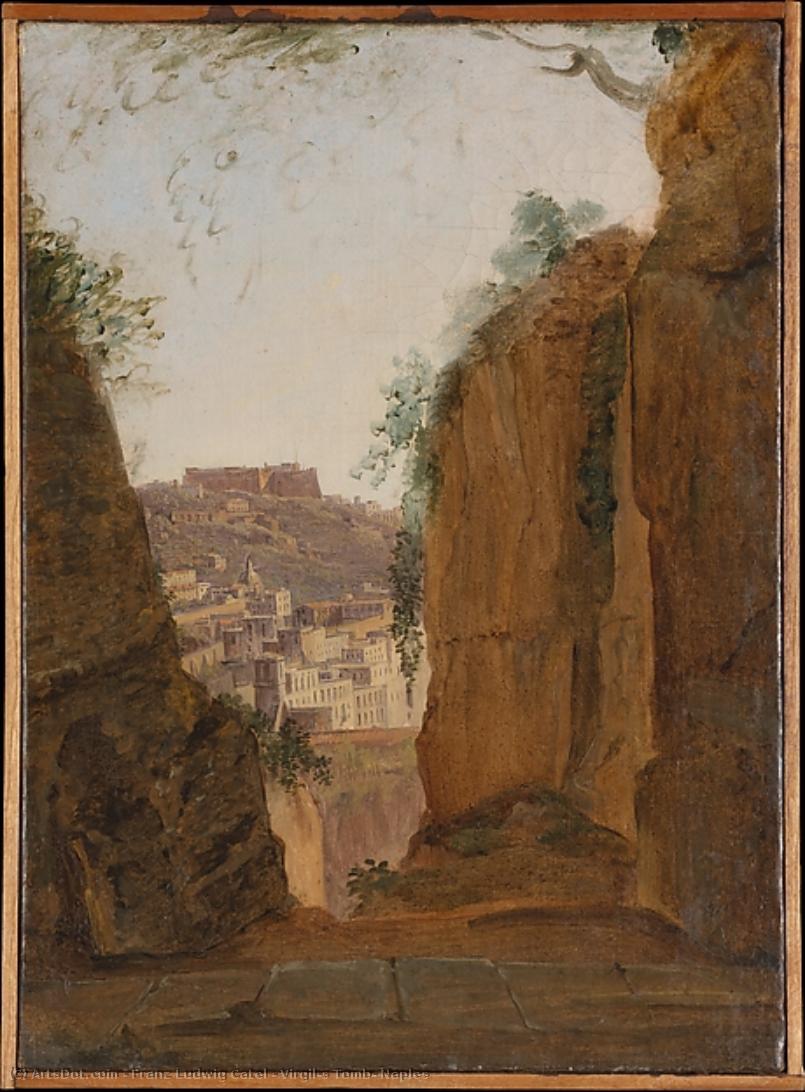
Virgil's Tomb, Naples
 Oil On Canvas
- WallArt
- Romanticism
 1818
1818- 19th Century
 31.0 x 22.0 cm
 Музей Метрополитен
 Читать далее
Приобретите цифровое изображение высокого разрешения в улучшенном качестве, которое значительно превосходит онлайн-превью.
Каждый файл тщательно подготавливается нашими специалистами с использованием передовых инструментов и экспертной ручной ретуши. Мы гарантируем исключительную четкость, точную цветопередачу и детальную проработку каждого изображения.
Финальный файл доставляется по электронной почте в течение 72 часов и оптимизирован для немедленного использования в профессиональной среде, при верстке и печати. Это тот же уровень качества, которому доверяют ведущие дизайнерские студии, издательства и галереи.
Цифровое изображение
Скачайте файл высокого разрешения для личного использования, печати и творческих проектов. ( Перейти к печати Купить картину ручной работы)
Включено в каждый заказ цифровых изображений
Гарантия экспертной цифровой доставки
Выбирая ArtsDot.com, вы получаете не просто изображение — вы приобретаете профессионально обработанное цифровое произведение искусства, созданное с безупречной точностью и под защитой гарантии качества. Вот всё, что автоматически входит в ваш заказ:

Мгновенная доставка по e-mail
Ваш цифровой файл в высоком разрешении будет отправлен вам по электронной почте в течение 72 часов после оформления заказа — и сразу станет доступен для использования.

Цифровой файл с ИИ-улучшением
Ваше произведение искусства проходит профессиональную оптимизацию с использованием передовых инструментов ИИ и ручной обработки, что гарантирует максимальную детализацию, четкость и точность цветопередачи.

Бессрочная бесплатная повторная доставка
Случайно удалили или потеряли файл? Не беспокойтесь — мы отправим его вам повторно в любое время и совершенно бесплатно.

Без импортных пошлин — навсегда
Наслаждайтесь вашим произведением искусства мгновенно без таможенных пошлин, сборов или затрат на доставку — цифровые загрузки всегда не облагаются налогом.

Гарантия точности цветопередачи
Мы гарантируем, что ваше цифровое изображение максимально точно передает оригинальные цвета благодаря использованию профессиональных инструментов и систем управления цветом.

Гарантия удовлетворенности 100 дней
Если вы не будете удовлетворены своим цифровым изображением, мы внесем правки или вернем 100% стоимости в течение 100 дней — без лишних вопросов.

100% Гарантия возврата средств
Не удовлетворены покупкой? Получите полный возврат средств в течение 100 дней после получения цифрового файла — без лишних вопросов.

Скидки на оптовые заказы
Купите 3 изображения, сэкономьте 10% — Купите 5, сэкономьте 15% — Купите 10+, сэкономьте 20%. Отличное решение для творческих проектов, галерей и агентств.
A Glimpse Through Time: The Allure of Virgil's Tomb
To gaze upon this scene is to be transported across the centuries, standing at the precipice where history meets breathtaking natural grandeur. This evocative landscape, capturing the view from near Virgil's Tomb in Naples, speaks directly to the romantic spirit that fueled the Grand Tour. The composition itself is a masterclass in framing; the dramatic cleft between the tomb structure on one side and the rugged outcropping on the other acts as nature’s perfect proscenium arch. It invites the viewer not merely to look, but to step into the moment, feeling the Mediterranean sun warm upon ancient stone.
The Art of Plein-Air Observation
Franz Ludwig Catel, a master observer of light and atmosphere, captured this view with an immediacy that belies its age. While the original sketch served as the foundation for larger works, this piece retains the raw energy of plein-air painting—the practice of working outdoors directly from nature. Notice how the artist has rendered the massive rock face; it seems less like solid stone and more like a geological drama unfolding, with suggestions of collapse adding palpable tension to the scene. The inclusion of foreground trees anchors the viewer in the immediate space, while the distant town nestled below provides a sense of civilization existing harmoniously, yet dwarfed by, the monumental power of the landscape.
Narrative Echoes and Human Presence
The human element is crucial to the painting's emotional resonance. The figure standing near the base acts as our proxy—the thoughtful traveler pausing to absorb the overwhelming scale before him. This small presence against the backdrop of towering rock and sprawling vista emphasizes both the sublime beauty of nature and the contemplative solitude often sought by artists and intellectuals alike. One can almost imagine the intellectual exchange that took place here, perhaps recalling the company of figures like Prince Alexander Nikolaevich Golitsyn, lending the piece a rich tapestry of historical anecdote alongside its visual splendor.
A Touch of Italian Romance for Your Interior
For the discerning collector or designer, this reproduction offers more than just a picture; it offers an atmosphere. The deep blues of the distant sea meeting the ochres and grays of the stone create a palette that is both dramatic and deeply soothing. Imagine this piece adorning a study, a drawing-room corner, or even a sunlit gallery space. It whispers tales of scholarly journeys, artistic inspiration, and the enduring romance associated with classical antiquity. Its captivating scale and narrative depth ensure it will serve as an immediate focal point, lending your space an air of cultivated, worldly elegance.
Похожие произведения

Биография художника
Rembrandt Peale: A Pioneer of American Portraiture
Born in near present-day Bucks County, Pennsylvania, in 1778, Rembrandt Peale emerged as a pivotal figure in the early development of American portrait painting. His life was inextricably linked to his father, Charles Willson Peale, a renowned naturalist, artist, and museum curator – a connection that profoundly shaped both their artistic trajectories and ultimately established a legacy of scientific observation interwoven with artistic skill.
Rembrandt’s childhood was immersed in the world of art and science. Unlike many artists who pursued formal training in Europe, Rembrandt received his education primarily through his father's tutelage. Charles instilled in him not only painting techniques but also a deep appreciation for natural history, encouraging his son to study anatomy, botany, and various specimens collected during his extensive travels. This dual focus—artistic representation and scientific documentation—would become a hallmark of Peale’s oeuvre.
Early influences were diverse, ranging from the classical ideals championed by his father to the burgeoning neoclassical style gaining traction in Europe. However, Rembrandt quickly developed a distinctive approach, characterized by a meticulous attention to detail, a warm palette, and an ability to capture not just physical likeness but also the personality and character of his subjects. His early works, including self-portraits at the age of thirteen, demonstrated remarkable technical skill and a nascent understanding of light and shadow.
A Career Defined by Portraits and Museums
Peale’s career unfolded across several key phases. Initially, he worked alongside his father in establishing the Peale Museum in Philadelphia, a groundbreaking institution that combined a gallery of fine art with a natural history collection—a truly innovative concept for its time. This museum served as both a platform for showcasing his own work and a vital resource for disseminating knowledge about science and art to the public.
He became particularly celebrated for his portraits of prominent figures, including George Washington, Thomas Jefferson, John Marshall, and numerous members of Philadelphia’s elite society. These paintings were not merely likenesses; they aimed to convey an air of dignity, authority, and civic virtue – qualities highly valued in the young United States. His portrait of George Washington, “Patriae Pater” (Father of the Fatherland), is arguably his most famous work, a monumental canvas that solidified his reputation as one of America’s leading portraitists.
Beyond commissioned portraits, Peale also produced numerous genre scenes and historical paintings, often incorporating elements of scientific illustration. Works like “Court of Death” (1820) – depicting prominent figures gathered around a cadaver—demonstrate his ability to blend artistic skill with anatomical accuracy and a fascination with mortality.
Technique and Style
Peale’s style evolved over time, reflecting the changing aesthetic currents of his era. His early portraits were influenced by neoclassical principles, characterized by balanced compositions, clear lines, and a restrained palette. However, as he matured, his work became increasingly expressive, with richer colors, softer brushstrokes, and a greater emphasis on capturing the nuances of human emotion.
He was a master of light and shadow, skillfully using chiaroscuro to create dramatic effects and highlight key features. His meticulous attention to detail—particularly in rendering fabrics, textures, and facial expressions—contributed significantly to the realism and immediacy of his portraits. Peale’s technique also benefited from his scientific background; he understood anatomy and perspective with a precision that informed his artistic practice.
Legacy and Historical Significance
Rembrandt Peale's contributions extend beyond his individual artworks. He played a crucial role in establishing the tradition of portraiture in America, demonstrating that it could be both aesthetically pleasing and socially significant. His work helped to shape the visual culture of the early republic, providing iconic representations of its leaders and ideals.
Furthermore, his establishment of the Peale Museum was instrumental in fostering public engagement with art and science. It served as a model for future museums and contributed significantly to the development of American cultural institutions. Peale’s legacy endures not only through his paintings but also through his pioneering spirit—a testament to the power of combining artistic talent with scientific curiosity.
franz ludwig catel
1778 - 1856 , Germany
Основные сведения
- Artistic Movement Or Style: Neoclassicism
- Artists Or Movements Influenced By This Artist:
- John Varley
- William Hazlitt
- Artists Who Influenced This Artist:
- Charles Willson Peale
- Rembrandt Harmenszoon van Rijn
- Date Of Birth: Feb 22, 1778
- Date Of Death: Oct 3, 1860
- Full Name: Rembrandt Peale
- Nationality: American
- Notable Artworks:
- Court of Death
- George Washington, Patriae Pater
- Rubens Peale with a Geranium
- Place Of Birth: Near present-day Richboro, PA