 Предпросмотр
 Поделиться
 Поделиться
 Детали произведения

 Скачать
 Похожие работы
 Рентгенография
 Слайд-шоу
 Статистика
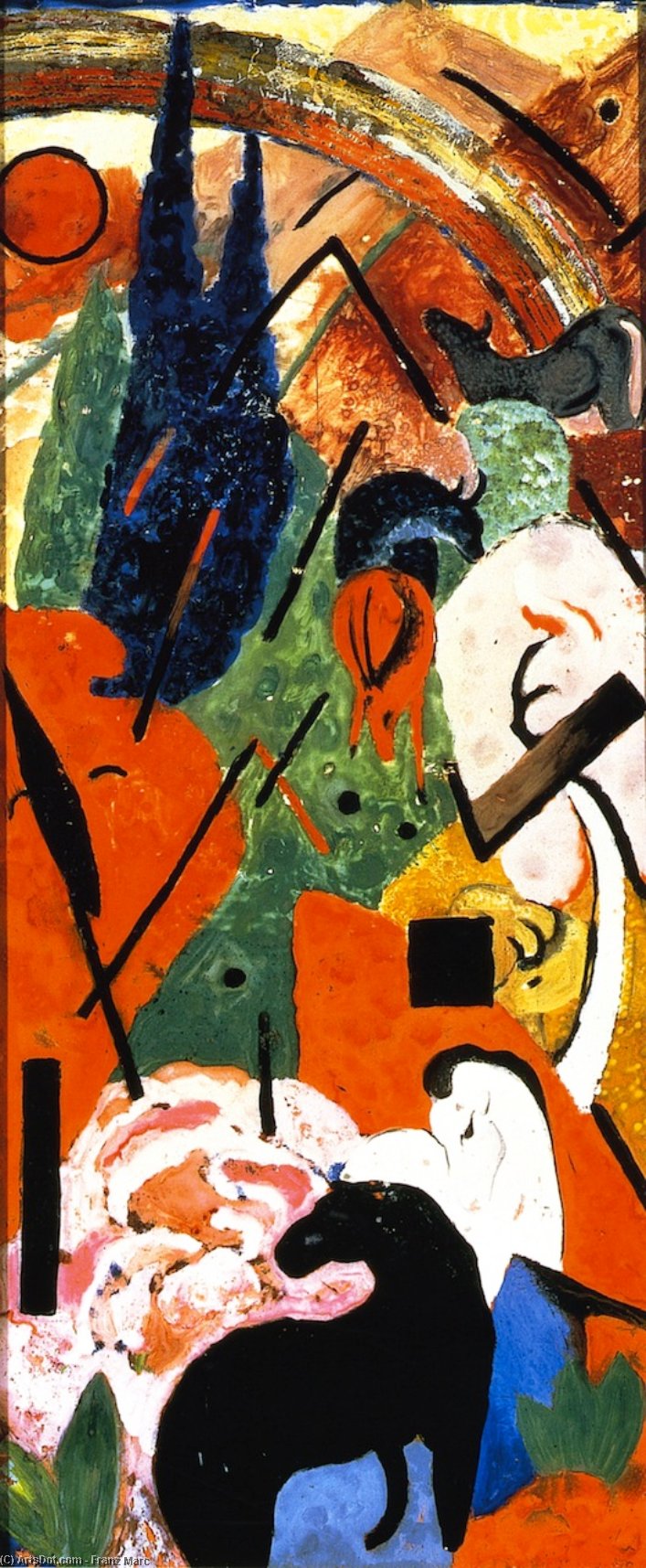
Landscape with Animals and Rainbow


 Читать далее
Масляная репродукция ручной работы
Картина маслом на холсте в выбранном вами размере и раме, написанная на заказ нашими художниками. ( Перейти к печати Перейти к цифровым изображениям)




P118B $10

P118H $10

P118W $10

P438Z $10

P508JH $12

P508YH $12

P805H $10

P805Z $10

P919BZ $10

P919G $10

P919XJ $10

P959ZH $10

P968JZ $12

W106C $8

W218G $10

W218JH $8

W218Y $10

W307PJ $10

W316G $10

W316PJ $8

W316Y $10

W398PJ $8

W4111J $10

W500HY $15

W500JH $15

W692G $12

W849H $8

W940BG $15

W953PJ $8




Выберите один из наших стандартных размеров, соответствующих оригинальным пропорциям произведения искусства.

Вы можете указать собственные размеры, чтобы картина идеально вписалась в выбранную раму или пространство. Если выбранный вами размер не соответствует пропорциям оригинала, мы либо обрежем полотно, либо расширим его за счет дополнительных элементов, написанных вручную. Цифровой макет будет отправлен вам на утверждение перед началом производства.
Обратите внимание, что предварительный просмотр на экране не отражает фактическую обрезку или расширение. Только макет точно покажет окончательную композицию.
Хотя доступны индивидуальные размеры, мы рекомендуем выбирать вариант из предопределенного списка, чтобы сохранить исходные пропорции.
После оформления заказа команда ArtsDot.com свяжется с клиентом по электронной почте для уточнения деталей и предоставит предварительный макет
Доставка по всему миру () за 3–4 недели вместо стандартных 5 недель. (10 Сентябрь). Без компромиссов в качестве.

Бесплатная экспресс-доставка по всему миру

Высококачественный льняной холст

Полное страхование доставки

Гарантия возмещения таможенных пошлин

Гарантия точного соответствия цветов

100-дневная политика возврата (только при обнаружении дефектов)

Гарантия возврата 100% средств

Предложение оптовых скидок
 Вариант со стеклом доступен только для размеров менее 110 см

Landscape with Animals and Rainbow
Техника репродукции
Размер репродукции
-


Итоговая стоимость
$ 263
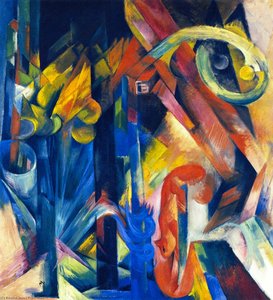
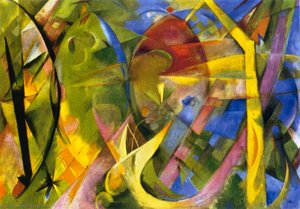
Landscape with Animals and Rainbow by Franz Marc
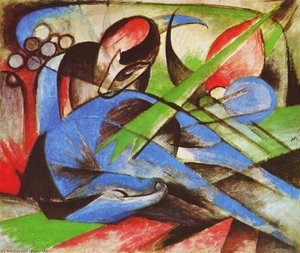
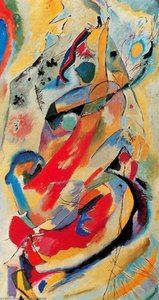
Franz Marc’s Landscape with Animals and Rainbow is a cornerstone of Expressionism, capturing the movement's core tenets—emotional intensity and subjective experience—within a deceptively serene visual framework. Painted in 1911, this oil on canvas exemplifies Marc’s distinctive approach to portraying nature, prioritizing spiritual resonance over literal representation.The Artist and His Style
Franz Moritz Wilhelm Marc (1880-1916) emerged as a pivotal figure in German Expressionism alongside Wassily Kandinsky and Alexej von Jawlensky. Influenced profoundly by Vincent van Gogh’s expressive use of color and brushstrokes, Marc sought to convey inner feelings rather than objective observation. His canvases are characterized by bold hues—primarily reds, blues, yellows, and greens—applied with thick impasto technique, creating palpable textural surfaces that vibrate with energy. This deliberate distortion of form serves not merely as aesthetic embellishment but as a conduit for communicating profound psychological states.The Painting's Composition
Landscape with Animals and Rainbow presents a stylized depiction of a pastoral scene featuring horses, dogs, birds, and a solitary human figure positioned prominently in the center. The castle-like structure in the background acts as a compositional anchor, grounding the vibrant animal forms against a backdrop of muted tones. Marc’s masterful color palette—particularly the dominant reds—suggests passion and vitality while simultaneously conveying a sense of melancholy and contemplation. The animals are rendered with simplified shapes and expressive brushwork, emphasizing their symbolic significance as embodiments of primal instincts and spiritual harmony.Expressionism: Beyond Representation
Expressionism arose in Germany during the early 20th century as a reaction against Impressionism’s focus on capturing fleeting visual sensations. Artists like Marc rejected academic conventions, prioritizing emotional truth over artistic accuracy. They aimed to depict not what they *saw*, but what they *felt*, channeling anxieties about modernity and exploring themes of spirituality and mythology. Landscape with Animals and Rainbow embodies this ethos perfectly, inviting viewers to engage in a dialogue between the visual realm and inner consciousness.Where to See It
The Lehmbruck Museum in Essen, Germany, houses a significant collection of sculptures by Franz Marc and showcases his artistic legacy alongside works by other Expressionist artists. Visitors can immerse themselves in the immersive environment of the museum to appreciate Marc’s contribution to modern art history. For more information on Marc's life and work, explore ArtsDot.com or delve into scholarly resources like Wikipedia: Wikipedia.For a stunning reproduction of Landscape with Animals and Rainbow, ArtsDot offers exceptional quality prints crafted by skilled artisans. Discover the beauty of Expressionism in your home today!
Visit ArtsDot.com to explore additional Marc artworks and browse our curated selection of prints.
Похожие произведения
Биография художника
A Life Immersed in Color and Spirit
Franz Moritz Wilhelm Marc, born in Munich in 1880, was a painter whose brief but intensely focused career irrevocably altered the course of German Expressionism. His story is one of profound spiritual seeking translated into a vibrant visual language, a quest to understand the essence of life through the purity he found in the natural world—particularly within the animal kingdom. Initially influenced by his father, Wilhelm Marc, a landscape painter, young Franz’s artistic path wasn't immediately certain. He briefly considered theology, grappling with questions of faith and existence before ultimately dedicating himself to art at the Academy of Fine Arts in Munich. These early explorations into religious thought would remain deeply embedded within his work, shaping his belief that art could be a conduit for spiritual experience. His academic training provided him with technical foundations, but it was encounters with the works of Vincent van Gogh during visits to Paris that truly ignited his artistic vision. Van Gogh’s emotive use of color and raw expression resonated profoundly with Marc, liberating him from conventional techniques and setting him on a path toward a more subjective and emotionally charged style.The Blue Rider and a New Artistic Vision
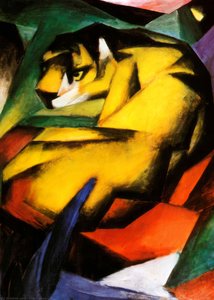
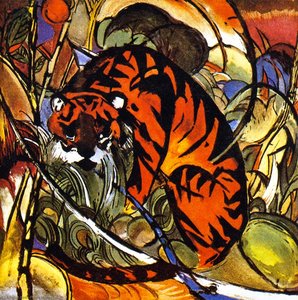
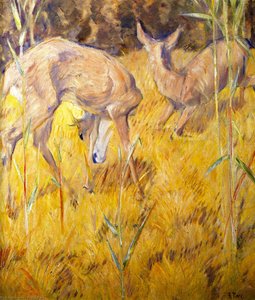
Marc's artistic development wasn’t solitary; it flourished within the dynamic context of early 20th-century Munich. He experimented with various artist groups, including the Neue Künstlervereinigung München, before co-founding *Der Blaue Reiter* (The Blue Rider) in 1911 alongside Wassily Kandinsky. This wasn’t merely a group or an exhibition series; it was a philosophical and artistic revolution. *Der Blaue Reiter* sought to move beyond mere representation, aiming instead to express inner spiritual truths through abstraction and symbolic color. The journal of the same name became a platform for disseminating these ideas, showcasing not only their own work but also that of other forward-thinking artists and exploring diverse cultural influences from folk art to primitive sculpture. Marc’s contributions during this period were pivotal. He moved away from depicting landscapes as static scenes, instead focusing on animals—horses, deer, foxes—as vessels of spiritual energy. These weren’t simply animal portraits; they were symbolic representations of innocence, harmony, and a connection to the natural world that he believed humanity had lost. The influence of Robert Delaunay’s exploration of abstract forms and vibrant colors further propelled Marc toward simplification and heightened emotional expression in his work. Paintings like *The Tiger* (1912) and *Red Deer* (1912) exemplify this shift, showcasing bold color choices and a growing focus on the inherent qualities of his subjects rather than realistic depiction.Symbolism, Color, and the Essence of Being
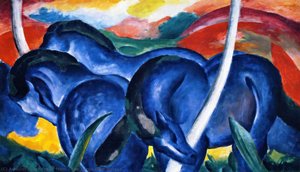
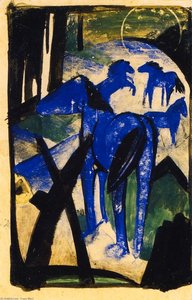
Marc’s artistic style is immediately recognizable for its distinctive use of color and form. He didn't employ color descriptively; instead, he imbued it with symbolic meaning. Blue represented spirituality and masculinity, yellow signified joy and femininity, and red embodied violence and materiality. These weren’t arbitrary choices but a carefully constructed system designed to convey specific emotional and philosophical ideas. His animals aren’t merely subjects; they are embodiments of these concepts. The simplification of forms—reducing figures to their essential shapes—further emphasized the underlying spiritual essence he sought to capture. *The Tower of Blue Horses* (1913), sadly lost during World War II, is perhaps the most iconic example of this approach, a powerful and evocative composition that encapsulates his artistic vision. He believed animals possessed an inherent purity and connection to nature that humans had forfeited through societal constraints and intellectualization. By portraying them with such reverence and symbolic weight, Marc sought to remind viewers of this lost harmony and inspire a deeper appreciation for the natural world. His work wasn’t about depicting *what* he saw but rather *how* he felt—a deeply personal and spiritual response to his surroundings.Influences and Development
Marc's artistic journey was shaped by a confluence of influences. Initially, his father’s landscape paintings provided a foundation in observation and technique. However, it was the encounter with Vincent van Gogh that truly transformed his approach. Van Gogh’s expressive brushwork, intense colors, and emotional honesty resonated deeply with Marc, liberating him from academic constraints and encouraging him to prioritize feeling over representation. The Impressionists, particularly Monet, also played a role in broadening his palette and exploring new ways of capturing light and atmosphere. Furthermore, Marc's time in Paris exposed him to the burgeoning avant-garde movements, including Cubism and Fauvism, which subtly influenced his later work. He was fascinated by the works of Paul Gauguin, particularly Gauguin’s use of symbolism and vibrant colors to convey spiritual themes. The philosophical ideas of Eastern religions—particularly Buddhism—also exerted a significant influence on Marc's thinking, informing his belief in the interconnectedness of all things and the importance of living in harmony with nature.A Tragic End and Lasting Legacy
The outbreak of World War I in 1914 dramatically altered Marc’s life and artistic trajectory. Despite seeking exemption due to his status as an artist, he was drafted into the German army, serving as a cavalryman. The horrors of war deeply affected him, yet even amidst the chaos, he continued to paint, finding solace and meaning in his art. Tragically, Franz Marc died on March 4, 1916, at the Battle of Verdun, a devastating loss for the art world. His untimely death cut short a career brimming with potential, but it also cemented his place as a pivotal figure in modern art history. His work continues to resonate today, influencing generations of artists and captivating audiences with its emotional depth and spiritual resonance. Marc’s paintings are exhibited in major museums worldwide, including the Lenbachhaus in Munich, which holds an extensive collection of his work. He is remembered not only as a pioneer of German Expressionism but also as a visionary artist who dared to explore the profound connection between art, spirituality, and the natural world—a legacy that continues to inspire awe and contemplation. His artistic vision remains a testament to the power of art to transcend the material realm and touch upon something deeper within the human spirit.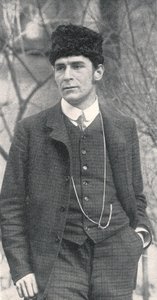
Франц Марк
1880 - 1916 , Германия
Основные сведения
- Artistic Movement Or Style: Немецкий экспрессионизм
- Artists Or Movements Influenced By This Artist:
- Абстрактное искусство
- Синий Rider
- Artists Who Influenced This Artist:
- Ван Гог
- Деланье
- Date Of Birth: 8 февраля 1880 г.
- Date Of Death: 4 марта 1916 г.
- Full Name: Франц Moritz Wilhelm Marc
- Nationality: Германец
- Notable Artworks:
- Кот на красном полотне
- Чёрный жеребец
- Башня синих лошадей
- Place Of Birth: Мюнхен, Германия
Похожие статьи
10 Шедевров Немецкого Экспрессионизма: Искусство Эмоций и Вдохновения | ArtsDot
Погрузитесь в мир немецкого экспрессионизма! Узнайте истории создания шедевров Мунка, Кирхнера, Кандинского и других великих художников. Репродукции картин высокого качества для вашего интерьера на ArtsDot.com. Откройте всю коллекцию онлайн!
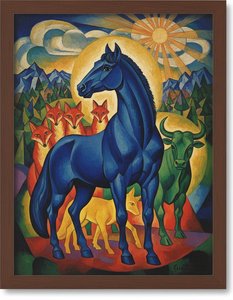
Franz Marc: Expressionism, Spirituality & the Animal Symbolism of a Modern Master
Explore the profound world of Franz Marc's Expressionist paintings. Discover his spiritual connection to animals, innovative use of color, and lasting impact on modern art history. Learn more at ArtsDot.
Животные в искусстве: вдохновение для вашего интерьера
Вдохновитесь миром искусства и животных! Узнайте о символике, истории изображения животных в живописи и идеях для декора интерьера от экспертов .

Романтический пейзаж: 10 шедевров, изменивших искусство | ArtsDot.com
Погрузитесь в мир романтического пейзажа! 10 шедевров Фридриха, Тёрнера и других гениев. Узнайте историю создания культовых картин и вдохновитесь для декора интерьера. Репродукции высокого качества на ArtsDot.com.

Evocations of Place: A Historical Journey Through Landscape Art
Explore the rich history of landscape art with ArtsDot. Discover renowned artists, movements like Impressionism & Romanticism, and expert guidance for collecting timeless pieces. Find your perfect serene escape today!