

 Предпросмотр
 Поделиться
 Поделиться
 Детали произведения

 Скачать
 Похожие работы
 Рентгенография
 Слайд-шоу
 Статистика
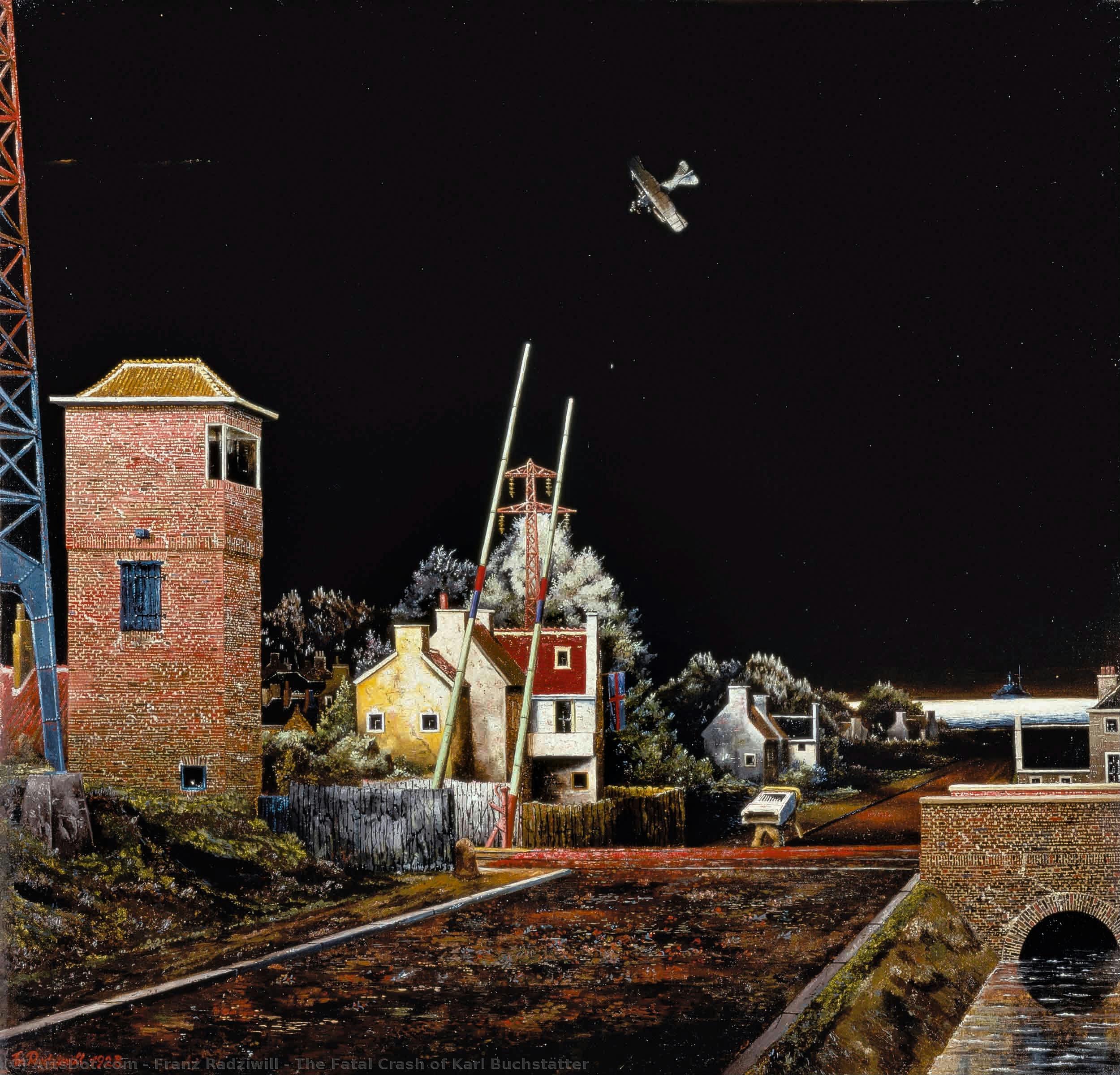
The Fatal Crash of Karl Buchstätter


 Читать далее
Масляная репродукция ручной работы
Картина маслом на холсте в выбранном вами размере и раме, написанная на заказ нашими художниками. ( Перейти к печати Перейти к цифровым изображениям)




P118B $10

P118H $10

P118W $10

P438Z $10

P508JH $12

P508YH $12

P805H $10

P805Z $10

P919BZ $10

P919G $10

P919XJ $10

P959ZH $10

P968JZ $12

W106C $8

W218G $10

W218JH $8

W218Y $10

W307PJ $10

W316G $10

W316PJ $8

W316Y $10

W398PJ $8

W4111J $10

W500HY $15

W500JH $15

W692G $12

W849H $8

W940BG $15

W953PJ $8




Выберите один из наших стандартных размеров, соответствующих оригинальным пропорциям произведения искусства.

Вы можете указать собственные размеры, чтобы картина идеально вписалась в выбранную раму или пространство. Если выбранный вами размер не соответствует пропорциям оригинала, мы либо обрежем полотно, либо расширим его за счет дополнительных элементов, написанных вручную. Цифровой макет будет отправлен вам на утверждение перед началом производства.
Обратите внимание, что предварительный просмотр на экране не отражает фактическую обрезку или расширение. Только макет точно покажет окончательную композицию.
Хотя доступны индивидуальные размеры, мы рекомендуем выбирать вариант из предопределенного списка, чтобы сохранить исходные пропорции.
После оформления заказа команда ArtsDot.com свяжется с клиентом по электронной почте для уточнения деталей и предоставит предварительный макет
Доставка по всему миру () за 3–4 недели вместо стандартных 5 недель. (13 Сентябрь). Без компромиссов в качестве.

Бесплатная экспресс-доставка по всему миру

Высококачественный льняной холст

Полное страхование доставки

Гарантия возмещения таможенных пошлин

Гарантия точного соответствия цветов

100-дневная политика возврата (только при обнаружении дефектов)

Гарантия возврата 100% средств

Предложение оптовых скидок
 Вариант со стеклом доступен только для размеров менее 110 см

The Fatal Crash of Karl Buchstätter
Техника репродукции
Размер репродукции
-


Итоговая стоимость
$ 263
A Frozen Moment of Disaster: Franz Radziwill’s “The Fatal Crash of Karl Buchstätter”
Franz Radziwill's 1928 painting, "The Fatal Crash of Karl Buchstätter," isn’t merely a depiction of an airplane accident; it’s a meticulously crafted tableau of impending doom, steeped in surreal atmosphere and imbued with a haunting sense of foreboding. Born in Strohausen, Germany, in 1895, Radziwill emerged from a background that initially seemed far removed from the world of art – his father was a potter – yet he ultimately forged a distinctive artistic path, aligning himself with the New Objectivity movement and developing a unique style characterized by meticulous detail and a subtle, almost unsettling, magic realism. The painting itself captures a pivotal moment in Radziwill’s career, born from a personal experience: he witnessed the crash of a plane piloted by Karl Buchstätter in 1911, an event that profoundly shaped his artistic vision.
The scene unfolds with startling clarity against a predominantly dark and brooding sky. A biplane, rendered with painstaking detail – its wings catching the light, its fuselage reflecting the muted tones of the landscape – hurtles downwards towards a small, unsuspecting village nestled below. The composition is dominated by this dramatic descent, drawing the viewer’s eye inexorably toward the impending collision. Foreground elements—a sturdy brick structure resembling a level crossing guardhouse—stand as silent sentinels, their barriers pointed defiantly upwards, suggesting a futile attempt to ward off the inevitable. The village itself, composed of tightly packed buildings and railway tracks, appears almost frozen in time, its inhabitants oblivious to the catastrophe about to unfold. Unlike many Surrealist artists who sought to explore the depths of the subconscious through fantastical imagery, Radziwill’s approach is grounded in a carefully constructed realism that subtly transforms the everyday into something profoundly unsettling.
Technique and Materials: A Masterclass in Detail
Radziwill's mastery lies not just in his subject matter but also in his technical execution. The painting is executed primarily in oil on canvas, utilizing a technique he termed “glaze,” building up layers of translucent color to achieve remarkable depth and luminosity. The meticulous rendering of textures—the rough brickwork, the smooth metal of the airplane, the subtle reflections on the water—is astonishing. He employed a careful use of light and shadow, creating an atmosphere that is both realistic and dreamlike. The monochromatic palette – primarily shades of grey, black, and white – amplifies this effect, lending the scene a ghostly quality and emphasizing the drama of the impending crash. The precision with which he captures every detail speaks to his dedication and artistic control, transforming what could have been a simple depiction of an accident into a complex and emotionally resonant work.
Symbolism and Emotional Resonance
Beyond its literal representation of a plane crash, “The Fatal Crash of Karl Buchstätter” is rich in symbolic meaning. The sleeping village represents the vulnerability of human life, the obliviousness to danger that can characterize everyday existence. The pointing barriers of the guardhouse symbolize a futile attempt at protection, highlighting the powerlessness of humanity against forces beyond its control. The biplane itself embodies technological progress—a symbol of speed and modernity—but also foreshadows destruction. Radziwill masterfully juxtaposes these elements to create an atmosphere of anxiety and suspense, prompting viewers to contemplate themes of fate, mortality, and the collision between tradition and innovation. The painting’s emotional impact is profound; it evokes a sense of unease, a feeling that something terrible is about to happen, leaving a lasting impression long after viewing.
Historical Context: New Objectivity and German Art
Radziwill's work emerged during the period known as “New Objectivity” (Neue Sachlichkeit) in Germany—a movement that reacted against the expressive excesses of Expressionism. Artists within this group sought to depict reality with unflinching honesty, often focusing on industrial landscapes, urban scenes, and everyday life. However, Radziwill’s approach transcends mere realism; he infuses his paintings with a subtle surrealism, transforming familiar subjects into unsettling narratives. His association with the Novembergruppe further contextualizes his work, placing it within a broader artistic dialogue about modernity, technology, and the changing face of Germany in the interwar period. The painting stands as a testament to Radziwill’s ability to capture both the beauty and the inherent anxieties of the modern world.
Похожие произведения


Похожие статьи
Топ-10 шедевров в тонах слоновой кости и черного: искусство, вдохновляющее интерьер
Погрузитесь в мир искусства с 10 шедеврами, где слоновая кость и черный создают завораживающие образы. Узнайте истории великих художников и вдохновитесь для создания уникального интерьера. Репродукции картин высокого качества на ArtsDot.com – искусство для вашего дома! Explore the full collection o

Топ-10 знаменитых картин в черных тонах: шедевры искусства для вашего интерьера
Погрузитесь в мир темных шедевров! Топ-10 знаменитых картин в черных тонах от Гойи, Рембрандта и Мунка. История искусства, техники живописи и вдохновение для вашего интерьера. Купите репродукции высокого качества на ArtsDot.com
Топ-10 шедевров в тонах сажи: Искусство, история и декор от ArtsDot
Погрузитесь в мир темных тонов и драматизма! От Караваджо до Гойи – топ-10 знаменитых картин, где сажа создает неповторимую атмосферу. Репродукции высокого качества для вашего интерьера на ArtsDot.com

10 Шедевров Немецкого Экспрессионизма: Искусство Эмоций и Вдохновения | ArtsDot
Погрузитесь в мир немецкого экспрессионизма! Узнайте истории создания шедевров Мунка, Кирхнера, Кандинского и других великих художников. Репродукции картин высокого качества для вашего интерьера на ArtsDot.com. Откройте всю коллекцию онлайн!
Топ-10 шедевров в оттенках черного: искусство, история и декор с ArtsDot
Погрузитесь в мир великих шедевров, где черный цвет – символ страсти и драмы. От Караваджо до Мунка, откройте историю искусства с ArtsDot. Купите репродукции картин онлайн и преобразите свой интерьер! Explore the full collection on ArtsDot.com