

 Предпросмотр
 Поделиться
 Поделиться
 Детали произведения

 Скачать
 Похожие работы
 Рентгенография
 Слайд-шоу
 Статистика
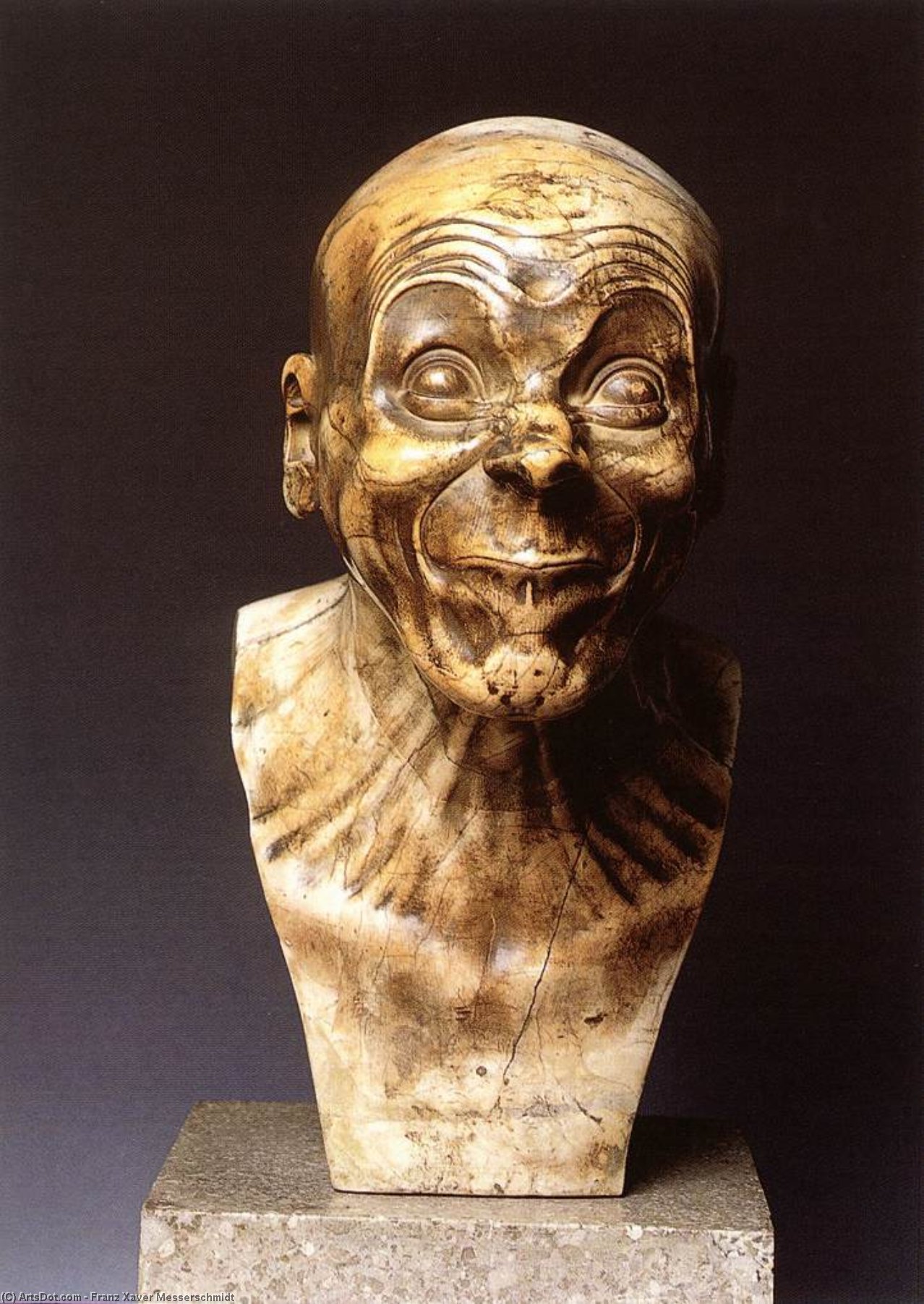
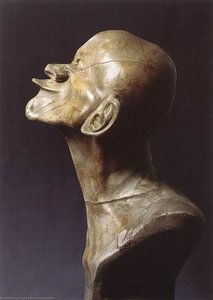
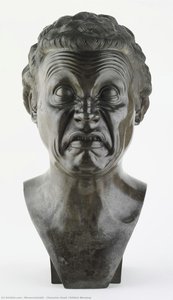
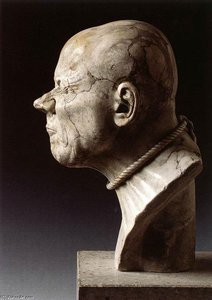
Character Head: The Lecher


 Читать далее
Приобретите цифровое изображение высокого разрешения в улучшенном качестве, которое значительно превосходит онлайн-превью.
Каждый файл тщательно подготавливается нашими специалистами с использованием передовых инструментов и экспертной ручной ретуши. Мы гарантируем исключительную четкость, точную цветопередачу и детальную проработку каждого изображения.
Финальный файл доставляется по электронной почте в течение 72 часов и оптимизирован для немедленного использования в профессиональной среде, при верстке и печати. Это тот же уровень качества, которому доверяют ведущие дизайнерские студии, издательства и галереи.
Цифровое изображение
Скачайте файл высокого разрешения для личного использования, печати и творческих проектов. ( Перейти к печати Купить картину ручной работы)
Включено в каждый заказ цифровых изображений
Гарантия экспертной цифровой доставки
Выбирая ArtsDot.com, вы получаете не просто изображение — вы приобретаете профессионально обработанное цифровое произведение искусства, созданное с безупречной точностью и под защитой гарантии качества. Вот всё, что автоматически входит в ваш заказ:

Мгновенная доставка по e-mail
Ваш цифровой файл в высоком разрешении будет отправлен вам по электронной почте в течение 72 часов после оформления заказа — и сразу станет доступен для использования.

Цифровой файл с ИИ-улучшением
Ваше произведение искусства проходит профессиональную оптимизацию с использованием передовых инструментов ИИ и ручной обработки, что гарантирует максимальную детализацию, четкость и точность цветопередачи.

Бессрочная бесплатная повторная доставка
Случайно удалили или потеряли файл? Не беспокойтесь — мы отправим его вам повторно в любое время и совершенно бесплатно.

Без импортных пошлин — навсегда
Наслаждайтесь вашим произведением искусства мгновенно без таможенных пошлин, сборов или затрат на доставку — цифровые загрузки всегда не облагаются налогом.

Гарантия точности цветопередачи
Мы гарантируем, что ваше цифровое изображение максимально точно передает оригинальные цвета благодаря использованию профессиональных инструментов и систем управления цветом.

Гарантия удовлетворенности 100 дней
Если вы не будете удовлетворены своим цифровым изображением, мы внесем правки или вернем 100% стоимости в течение 100 дней — без лишних вопросов.

100% Гарантия возврата средств
Не удовлетворены покупкой? Получите полный возврат средств в течение 100 дней после получения цифрового файла — без лишних вопросов.

Скидки на оптовые заказы
Купите 3 изображения, сэкономьте 10% — Купите 5, сэкономьте 15% — Купите 10+, сэкономьте 20%. Отличное решение для творческих проектов, галерей и агентств.
Похожие произведения
Биография художника
Franz Xaver Messerschmidt (1736-1783): Master Sculptor of Haunting ‘Character Heads’ – Intensely Expressive Busts Exploring Human Emotion & Psychology. A Unique Precursor to Expressionism
Franz Xaver Messerschmidt, born in the Bavarian village of Wiesensteig in 1736, stands apart from his contemporaries as a sculptor whose oeuvre possesses an unsettling blend of technical brilliance and psychological depth. He wasn’t merely responding to stylistic trends—a pivotal figure bridging the opulent Baroque and the nascent Neoclassical eras—but an artist who seemed to anticipate the visceral emotional core of Expressionism decades before its formal articulation. His life, interwoven with artistic ambition and escalating mental instability, constitutes a compelling narrative inextricably linked to his most enduring legacy: the “Character Heads,” busts that capture human emotion in states of raw, almost unbearable intensity. Examining Messerschmidt’s trajectory reveals not only an exceptional craftsman but also a man grappling with profound existential questions—a visionary whose work continues to provoke contemplation and inspire artistic exploration.Early Years & Artistic Training
Messerschmidt's formative years were steeped in familial tradition; he commenced his sculptural apprenticeship under the tutelage of Johann Baptist Straub, his uncle, who practiced in Munich. This initial encounter instilled within him a foundational understanding of Baroque techniques—particularly evident in commissions for Empress Maria Theresa—where bronze busts and reliefs adhered to the conventions of courtly representation championed by artists like Balthasar Ferdinand Moll. He honed these skills further through subsequent apprenticeships with Philipp Jakob Straub in Graz, and culminated his formal training at the Academy of Fine Arts Vienna, guided by Jacob Schletterer. These early endeavors showcased a demonstrable proficiency in prevailing Baroque aesthetics—a stylistic commitment reflected in works celebrating imperial power and status—demonstrating Messerschmidt’s mastery of classical sculptural principles. The influence of Balthasar Ferdinand Moll is palpable in his initial output, highlighting the artistic milieu that shaped his formative years.The Genesis of Disquiet: The Character Heads
Around 1769-1770, a dramatic transformation occurred within Messerschmidt’s artistic vision—a rupture from the stylistic norms of his time and the beginning of an intensely personal journey. While continuing to accept traditional portrait commissions, he embarked upon the creation of what would become his defining achievement: the “Character Heads.” These busts defied conventional portraiture; they weren't intended to flatter or commemorate but rather to confront viewers with representations of extreme emotional states—laughter bordering on hysteria, grief etched into every line, and grimaces of anguish. This stylistic shift wasn’t simply a matter of artistic experimentation; it stemmed from a deeper preoccupation with exploring the human psyche—a quest for capturing not idealized beauty but authentic emotion. Accounts from contemporaries attest to Messerschmidt's peculiar method: he reportedly pinched his own ribs while observing his facial expressions in a mirror, attempting to replicate them precisely in marble or bronze. This self-imposed challenge underscores his conviction that sculpture could penetrate the surface of appearance and access the innermost recesses of human experience—a radical departure from prevailing artistic conventions. Furthermore, Messerschmidt’s philosophical underpinning—inspired by Hermetic teachings—suggested a desire to decode universal truths about emotion through visual representation.A Synthesis of Baroque & Neoclassical Influences
Messerschmidt's oeuvre demonstrates a remarkable synthesis of Baroque and Neoclassical influences. Initially trained in the Baroque style, exemplified by Moll’s monumental sculptures for the imperial court—particularly the bronze busts of Maria Theresa and her consort—he embraced neoclassical ideals during his formative years at Vienna, absorbing the principles of clarity, balance, and rationalism championed by artists like Antonio Canova. This duality is evident in his early works—such as the portraits commissioned for Viennese nobility—where he skillfully blended Baroque ornamentation with Neoclassical compositional rigor. However, it was his exploration of psychological expression that truly distinguished Messerschmidt from his peers—a preoccupation that would culminate in the creation of his iconic Character Heads.The Character Heads: A Legacy of Emotion
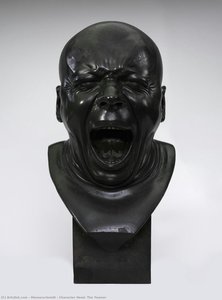
The “Character Heads,” produced between 1769 and 1783, represent Messerschmidt’s artistic apex—a testament to his unparalleled ability to convey profound emotion through sculptural form. These busts weren't mere representations of faces; they were embodiments of psychological states—fear, despair, ecstasy—rendered with astonishing precision and unsettling realism. The method by which Messerschmidt approached this task—pinching his ribs while observing his own facial contortions in a mirror—revealed not only his artistic technique but also his philosophical conviction that sculpture could unlock the secrets of human emotion. As Ernst Kris theorized, Messerschmidt’s obsession with capturing “canonical grimaces”—the full spectrum of human expressions—was linked to paranoid ideas and hallucinations—a disturbing insight into the artist's mental state and its profound influence on his creative output. Despite facing expulsion from the Academy of Fine Arts in 1774 due to mounting financial difficulties, Messerschmidt persevered in his artistic endeavors until his untimely death in 1783—leaving behind a body of work that continues to fascinate scholars and artists alike. His legacy resides not solely in his technical mastery but also in the enduring power of his sculptures to provoke contemplation and illuminate the complexities of human experience—a singular contribution to art history that secures Messerschmidt’s place as a precursor to Expressionism and an unforgettable voice of the Enlightenment. ## Key Works & Their Significance- The Yawner (1775): Demonstrates Messerschmidt's ability to capture fleeting moments of physical and emotional release, showcasing his mastery of anatomical detail and expressive form.
- Character Head: Childish Weeping (1783): Exemplifies profound sorrow through meticulous rendering of facial features—a poignant illustration of Messerschmidt’s exploration of psychological emotion.
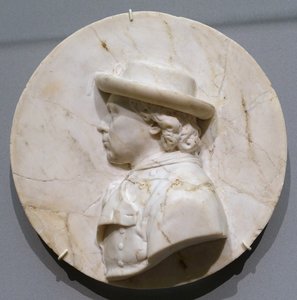
Франц Хайзер Мессершмидт
1736 - 1783 , Германия
Основные сведения
- Artistic Movement Or Style: Поздний барокко, неоклассицизм
- Artists Or Movements Influenced By This Artist: ['Экспрессионизм']
- Artists Who Influenced This Artist:
- Йоганн Баптист Штрауб
- Филипп Яков Штрауб
- Якоб Шлеттерер
- Date Of Birth: Февраль 6, 1736 г.
- Date Of Death: Август 19, 1783 г.
- Full Name: Franz Xaver Messerschmidt
- Nationality: Немецкий
- Notable Artworks:
- «Утомленный»
- Плачущий ребенок
- Элияху увеличивается масло печали
- Place Of Birth: Вайсенштайн, Германия