

 Предпросмотр
 Поделиться
 Поделиться
 Детали произведения

 Скачать
 Похожие работы
 Рентгенография
 Слайд-шоу
 Статистика
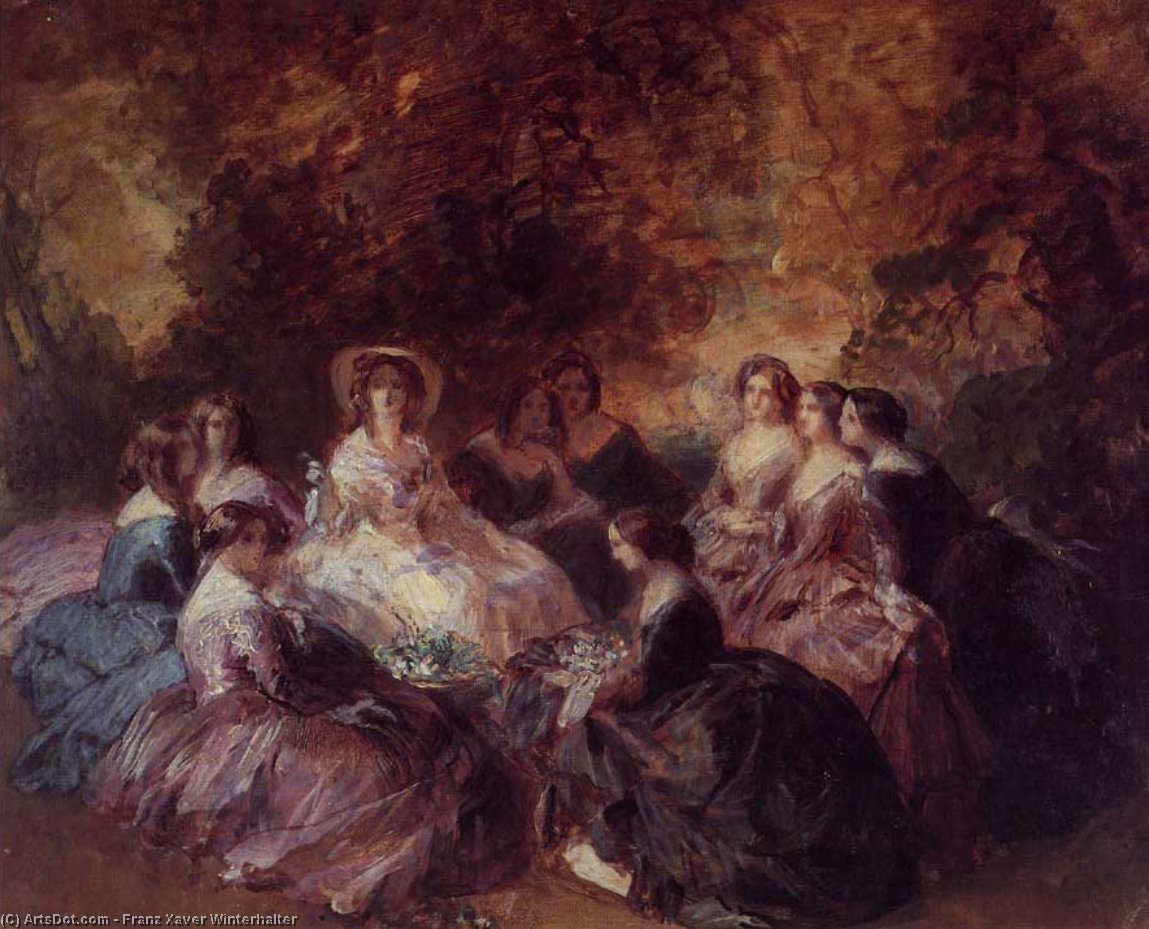
Xavier The Empress Eugenie Surrounded by her Ladies in Waiting


 Читать далее
Приобретите цифровое изображение высокого разрешения в улучшенном качестве, которое значительно превосходит онлайн-превью.
Каждый файл тщательно подготавливается нашими специалистами с использованием передовых инструментов и экспертной ручной ретуши. Мы гарантируем исключительную четкость, точную цветопередачу и детальную проработку каждого изображения.
Финальный файл доставляется по электронной почте в течение 72 часов и оптимизирован для немедленного использования в профессиональной среде, при верстке и печати. Это тот же уровень качества, которому доверяют ведущие дизайнерские студии, издательства и галереи.
Цифровое изображение
Скачайте файл высокого разрешения для личного использования, печати и творческих проектов. ( Перейти к печати Купить картину ручной работы)
Включено в каждый заказ цифровых изображений
Гарантия экспертной цифровой доставки
Выбирая ArtsDot.com, вы получаете не просто изображение — вы приобретаете профессионально обработанное цифровое произведение искусства, созданное с безупречной точностью и под защитой гарантии качества. Вот всё, что автоматически входит в ваш заказ:

Мгновенная доставка по e-mail
Ваш цифровой файл в высоком разрешении будет отправлен вам по электронной почте в течение 72 часов после оформления заказа — и сразу станет доступен для использования.

Цифровой файл с ИИ-улучшением
Ваше произведение искусства проходит профессиональную оптимизацию с использованием передовых инструментов ИИ и ручной обработки, что гарантирует максимальную детализацию, четкость и точность цветопередачи.

Бессрочная бесплатная повторная доставка
Случайно удалили или потеряли файл? Не беспокойтесь — мы отправим его вам повторно в любое время и совершенно бесплатно.

Без импортных пошлин — навсегда
Наслаждайтесь вашим произведением искусства мгновенно без таможенных пошлин, сборов или затрат на доставку — цифровые загрузки всегда не облагаются налогом.

Гарантия точности цветопередачи
Мы гарантируем, что ваше цифровое изображение максимально точно передает оригинальные цвета благодаря использованию профессиональных инструментов и систем управления цветом.

Гарантия удовлетворенности 100 дней
Если вы не будете удовлетворены своим цифровым изображением, мы внесем правки или вернем 100% стоимости в течение 100 дней — без лишних вопросов.

100% Гарантия возврата средств
Не удовлетворены покупкой? Получите полный возврат средств в течение 100 дней после получения цифрового файла — без лишних вопросов.

Скидки на оптовые заказы
Купите 3 изображения, сэкономьте 10% — Купите 5, сэкономьте 15% — Купите 10+, сэкономьте 20%. Отличное решение для творческих проектов, галерей и агентств.
Xavier The Empress Eugenie Surrounded by her Ladies in Waiting: A Glimpse into Imperial Elegance
Franz Xaver Winterhalter's "Xavier The Empress Eugénie Surrounded by her Ladies in Waiting," painted in 1855, is a captivating oil on canvas portrait that offers a window into the opulent world of mid-19th century European royalty. This masterpiece, currently housed at the Musée National du Château de Compiègne in France, exemplifies academic art and showcases Winterhalter's exceptional skill in capturing both likeness and atmosphere.
Subject and Composition
The painting centers on Empress Eugénie, wife of Napoleon III, depicted amidst her ladies-in-waiting. The composition is meticulously arranged, with the Empress positioned as the focal point, radiating authority and grace. Winterhalter masterfully uses a semi-circular arrangement of the women to draw the viewer's eye towards the central figure. The setting appears to be an idyllic outdoor garden or park, shaded by lush foliage, creating a sense of seclusion and tranquility. The ladies are dressed in elaborate gowns reflecting the height of fashion during the Second Empire period, further emphasizing their status and refinement.
Style and Technique
Winterhalter's style is firmly rooted in academic art, characterized by its emphasis on realism, idealized forms, and meticulous detail. His technique demonstrates a remarkable command of oil painting, utilizing smooth brushstrokes and subtle gradations of color to create a sense of depth and luminosity. The use of impasto – the application of thick paint – particularly noticeable in the foliage and drapery, adds a tactile quality to the image. The lighting is soft and diffused, contributing to the overall atmosphere of elegance and serenity. Winterhalter's ability to capture not only physical likeness but also the personalities and social standing of his subjects was highly sought after by European royalty.
Historical Context and Symbolism
Painted during a period of significant political and social change in France, the portrait reflects the Second Empire’s desire for stability and grandeur. Empress Eugénie played a crucial role in shaping public perception of Napoleon III's regime, and Winterhalter's painting served as a powerful tool for projecting an image of imperial authority and sophistication. The choice of attire, accessories, and setting were all carefully considered to convey messages about wealth, power, and cultural refinement. The presence of the ladies-in-waiting symbolizes the Empress’s court and reinforces her position at the pinnacle of society. The lush garden setting evokes themes of nature, beauty, and leisure, further enhancing the painting's overall appeal.
Emotional Impact and Legacy
"Xavier The Empress Eugénie Surrounded by her Ladies in Waiting" is more than just a portrait; it’s an evocative depiction of a bygone era. The painting evokes feelings of admiration for the elegance and refinement of the imperial court, while also offering a glimpse into the lives of those who inhabited this privileged world. Winterhalter's masterful technique and keen eye for detail ensure that the painting continues to captivate viewers today, solidifying its place as a significant work of art from the 19th century. Its enduring appeal lies in its ability to transport us back in time, allowing us to experience the splendor and intrigue of imperial France.
Похожие произведения



Биография художника
A Painter of Kings and Queens: The Life and Art of Franz Xaver Winterhalter
Franz Xaver Winterhalter, a name synonymous with the grandeur of 19th-century European courts, emerged from humble beginnings in the Black Forest village of Menzenschwand. Born in 1805, his journey from a rural upbringing to becoming one of Europe’s most sought-after portraitists is a testament to his talent, adaptability, and keen understanding of the visual language of power. Winterhalter's art wasn’t merely about capturing likeness; it was about crafting an image – a carefully constructed narrative that projected authority, elegance, and dynastic legitimacy. His life unfolded against the backdrop of shifting artistic movements, from the fading Romanticism to the burgeoning Victorian era, and his work provides a remarkable visual record of this transformative period.Early Years and Artistic Foundations
Winterhalter’s early years were steeped in the rhythms of rural life. His father was a resin producer, and his brother Hermann pursued a career as a painter – a connection that profoundly shaped Franz's artistic development. He received his initial training at a Benedictine monastery, where he honed fundamental drawing skills, followed by further instruction under Karl Ludwig Schüler in Freiburg im Breisgau. This early grounding provided him with the technical foundations necessary to transition into the demanding world of court portraiture. Notably, Winterhalter’s family connection to Hermann fostered an environment that nurtured his artistic spirit and instilled a deep appreciation for visual representation. The Benedictine training emphasized discipline and precision, while Schüler's guidance introduced him to the principles of engraving – a skill that would later inform his meticulous attention to detail in his paintings.From Karlsruhe to Parisian Heights: Establishing a Royal Reputation
Winterhalter’s breakthrough arrived in 1828 when he was appointed drawing master to Sophie Margravine of Baden at Karlsruhe. This appointment wasn't simply a job; it was a crucial stepping stone into the intricate world of European royalty. His talent for capturing likeness with an air of elegance quickly gained recognition, leading to commissions from Grand Duke Leopold and his wife. However, it was Paris that truly cemented Winterhalter’s fame. Arriving in the French capital in the 1830s, he skillfully navigated the artistic landscape, exhibiting genre scenes like *Il dolce Farniente* and *Il Decameron*, which showcased his academic training while hinting at a burgeoning Romantic sensibility. These works garnered critical attention, but it was his portraits that truly captivated the aristocracy. He became a favorite of King Louis-Philippe, executing over thirty commissions for the royal family and establishing himself as the go-to portraitist for those seeking to project an image of power, refinement, and dynastic legitimacy.The Victorian Embrace: A Painter of Imperial Majesty
Winterhalter’s reputation extended beyond France, reaching the British Isles and capturing the attention of Queen Victoria. In 1841, he was summoned to England, initiating a prolific relationship that would see him create over one hundred portraits for the Royal Collection. These weren't merely official commissions; they were intimate glimpses into the lives of the royal family, often commissioned as personal gifts. His portrait of Queen Victoria in 1843, a small and exquisitely detailed work, exemplifies his ability to capture not just physical likeness but also a sense of personality and emotion. The painting, gifted by Victoria to Prince Albert, depicts the young queen with a vulnerable intimacy that belies her regal status. This success solidified Winterhalter’s position as *the* portraitist of European royalty, sought after by Empress Eugénie in France, Empress Elisabeth of Austria, and countless other noble figures.Style and Legacy: Beyond Likeness
While often criticized by artistic circles for prioritizing flattery over innovation, Winterhalter’s work holds a significant place in art history. His style is characterized by its meticulous detail, luminous color palette, and ability to capture the textures of fabrics and jewels with breathtaking realism. He skillfully blended Romantic sensibilities with Neoclassical precision, creating portraits that were both visually stunning and psychologically insightful. His paintings weren’t simply representations; they were carefully constructed narratives about power, status, and identity. He mastered the art of creating an idealized image – a polished reflection of his subjects' aspirations and social standing. Though he wasn't a revolutionary in the same vein as Delacroix or Courbet, his influence was pervasive. He established a standard for royal portraiture that endured for decades, and his works provide invaluable historical documentation of 19th-century European society. His legacy lies not just in the beauty of his paintings but also in their ability to transport us back to an era of opulent courts, intricate diplomacy, and unwavering social hierarchies.A Lasting Impression
Franz Xaver Winterhalter died in Frankfurt in 1873, leaving behind a vast body of work that continues to be celebrated for its technical brilliance and historical significance. His paintings can be found in prominent museums and royal collections around the world, including the National Portrait Gallery in London, the Musée d’Orsay in Paris, and Buckingham Palace.- His ability to capture the essence of his sitters, combined with his mastery of technique, ensured his place as a leading portraitist of his time.
- He remains an important figure for understanding the visual culture of 19th-century Europe and the role of art in shaping perceptions of power and status.
- His works offer a captivating glimpse into the lives of royalty and aristocracy, providing invaluable insights into their world.
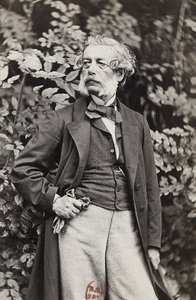
Франц Зауэр Винтерхальтер
1805 - 1873 , Германия
Основные сведения
- Artistic Movement Or Style: Романтизм, портрет
- Artists Or Movements Influenced By This Artist: ['Немецкий романтизм']
- Artists Who Influenced This Artist:
- Петер фон Кёнельс
- Жозеф Карл Штелиер
- Date Of Birth: 20 Apr. 1805
- Date Of Death: 8 July 1873
- Full Name: Franz Xaver Winterhalter
- Nationality: Немецкий
- Notable Artworks:
- Портрет Елизаветы Австрийской
- Портрет королевы Виктории
- Портрет императрицы Евгении
- Place Of Birth: Menzenschwand, Германия