 Предпросмотр
 Поделиться
 Поделиться
 Детали произведения

 Скачать
 Похожие работы
 Рентгенография
 Слайд-шоу
 Статистика
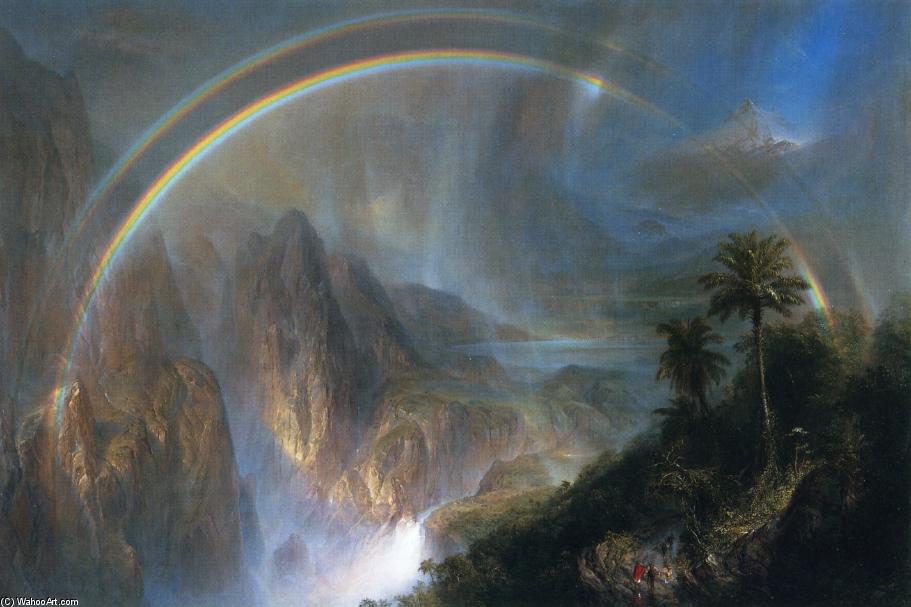
Rainy Season in the Tropics


 Читать далее
Жикле / Арт-принт
Печать (жикле) или холст музейного качества с быстрыми сроками изготовления и широким выбором вариантов отделки. ( Купить картину ручной работы Перейти к цифровым изображениям)




P118B $10

P118H $10

P118W $10

P438Z $10

P508JH $12

P508YH $12

P805H $10

P805Z $10

P919BZ $10

P919G $10

P919XJ $10

P959ZH $10

P968JZ $12

W106C $8

W218G $10

W218JH $8

W218Y $10

W307PJ $10

W316G $10

W316PJ $8

W316Y $10

W398PJ $8

W4111J $10

W500HY $15

W500JH $15

W692G $12

W849H $8

W940BG $15

W953PJ $8




Выберите один из наших стандартных размеров, соответствующих оригинальным пропорциям произведения искусства.

Вы можете указать свои собственные размеры, чтобы репродукция идеально подошла под конкретную раму или пространство. Если выбранный вами размер не будет соответствовать пропорциям оригинала, мы либо обрежем произведение, либо дополним изображение зеркальным отражением краев или однотонной заливкой. Перед началом производства вам будет отправлен цифровой макет для утверждения.
Пожалуйста, обратите внимание, что предварительный просмотр на экране не отображает фактическую обрезку или расширение изображения. Только макет точно покажет финальную композицию.
Несмотря на возможность заказа индивидуальных размеров, мы рекомендуем выбирать размер из предопределенного списка, чтобы сохранить оригинальные пропорции.
Доставка по всему миру () за 2 недели вместо стандартных 4/5 недель. (12 Сентябрь)

Бесплатная экспресс-доставка по всему миру

Высококачественный льняной холст

Полное страхование доставки

Гарантия возмещения таможенных пошлин

Гарантия точного соответствия цветов

100-дневная политика возврата (только при обнаружении дефектов)

Гарантия возврата 100% средств

Предложение оптовых скидок
 Вариант со стеклом доступен только для размеров менее 110 см

Rainy Season in the Tropics
Жикле / Арт-принт
Размер репродукции
-


Итоговая стоимость
$ 62
A Pioneer of American Landscape: The Life and Art of Frederic Edwin Church
Frederic Edwin Church, born in Hartford, Connecticut, on May 4th, 1826, emerged as a pivotal figure in the blossoming landscape tradition of 19th-century America. His lineage was steeped in New England history—a direct descendant of Puritan pioneers—and his family’s prosperity afforded him opportunities rare for aspiring artists of the time. This financial stability allowed Church to dedicate himself wholeheartedly to his artistic pursuits, a path that would ultimately lead him to become one of the most celebrated and influential painters of the Hudson River School. His early training began at the age of eighteen under the tutelage of Thomas Cole, the very founder of this distinctly American art movement. These formative years spent in Catskill, New York, were crucial, instilling in Church a deep reverence for nature and a commitment to capturing its grandeur on canvas. The apprenticeship wasn’t merely technical; it instilled within him a philosophical understanding of how humanity should relate to the natural world—a perspective that would permeate his entire oeuvre.- Style: Luminism – Church championed Luminism, a style characterized by meticulous detail and atmospheric realism. Unlike Romantic painters who prioritized emotion and dramatic gesture, Luminists sought to depict landscapes with scientific accuracy while simultaneously conveying their sublime beauty.
- Technique: Church employed oil paints on canvas with painstaking precision. He utilized glazing techniques—applying thin layers of translucent paint over previous layers—to achieve unparalleled luminosity and depth. This meticulous approach allowed him to recreate the subtle nuances of light and shadow, creating images that felt remarkably lifelike.
“Rainy Season in the Tropics”: A Vision of Paradise Lost “Rainy Season in the Tropics” depicts a breathtaking vista of Costa Rica’s rainforest—a landscape teeming with vibrant flora and fauna. Dominating the composition is a magnificent waterfall cascading down moss-covered cliffs, feeding into a tranquil pool below. Above, a brilliant rainbow arcs across the sky, illuminating the lush greenery and adding an element of ethereal beauty to the scene. The painting captures not only the visual splendor of the rainforest but also its spiritual significance—a testament to God’s creative power and majesty.
- Symbolism: The rainbow serves as a powerful symbol of hope, renewal, and divine grace. It represents God's covenant with humanity after the biblical flood, signifying purification and rebirth. Church deliberately positioned the rainbow prominently in the composition to convey this message of redemption.
- Historical Context: Painted in 1866, “Rainy Season in the Tropics” reflects the burgeoning interest in scientific exploration during the Victorian era. Church undertook extensive research into Costa Rica’s geology and botany before embarking on his artistic endeavor—a remarkable feat of scholarship for its time.
A Legacy Enduring Through Reproduction Currently housed at the Fine Arts Museums of San Francisco, “Rainy Season in the Tropics” continues to inspire awe and admiration. Its masterful execution—the luminous colors, the intricate detail, and the evocative atmosphere—demonstrates Church’s unparalleled skill as a landscape painter. Reproductions of this iconic artwork offer collectors and interior designers alike an opportunity to experience the sublime beauty of the rainforest and to appreciate the enduring legacy of Frederic Edwin Church.
- Recommended Reproduction Materials: Archival quality canvas prints and giclée reproductions ensure that the vibrancy and tonal accuracy of Church’s original painting are faithfully preserved. Consider framing options that complement the artwork's grandeur—a large format print mounted on linen or stretched over wood provides an exceptional display.
Further Exploration For those interested in delving deeper into Frederic Edwin Church’s artistic journey, resources abound: Explore biographical accounts detailing his life and influences. Examine comparative analyses of his work alongside that of fellow Hudson River School artists like George Caleb Bingham and Asher Brown Durand. Consider visiting the Fine Arts Museums of San Francisco to witness “Rainy Season in the Tropics” firsthand—a truly unforgettable experience.
Похожие произведения
Биография художника
A Pioneer of American Landscape: The Life and Art of Frederic Edwin Church
Frederic Edwin Church, born in Hartford, Connecticut, on May 4th, 1826, emerged as a pivotal figure in the blossoming landscape tradition of 19th-century America. His lineage was steeped in New England history—a direct descendant of Puritan pioneers—and his family’s prosperity afforded him opportunities rare for aspiring artists of the time. This financial stability allowed Church to dedicate himself wholeheartedly to his artistic pursuits, a path that would ultimately lead him to become one of the most celebrated and influential painters of the Hudson River School. His early training began at the age of eighteen under the tutelage of Thomas Cole, the very founder of this distinctly American art movement. These formative years spent in Catskill, New York, were crucial, instilling in Church a deep reverence for nature and a commitment to capturing its grandeur on canvas. The apprenticeship wasn’t merely technical; it was an immersion into a philosophy that saw landscape not just as scenery, but as a reflection of the divine and a symbol of national identity.The Rise of a Master: Style and Influences
Church quickly distinguished himself from his contemporaries through a remarkable ability to blend meticulous realism with a romantic sensibility. His paintings are characterized by an astonishing level of detail, capturing the textures of foliage, the play of light on water, and the imposing scale of mountains with breathtaking accuracy. He meticulously rendered every leaf, every ripple, every shadow, creating images that seemed almost photographic in their precision. However, this wasn’t simply photographic representation; Church infused his work with a dramatic flair, employing sweeping panoramic views, vibrant color palettes—often utilizing a technique called “lost and found edges” to create an illusion of depth—and a masterful command of atmospheric perspective. He was deeply influenced by the scientific explorations of Alexander von Humboldt, whose writings on the interconnectedness of nature resonated profoundly with the artist. Church saw in Humboldt’s observations a way to bridge the gap between art and science, believing that painting could not only depict beauty but also convey complex ecological relationships. This influence is evident in his later expeditions to South America and his attempts to capture the grandeur and diversity of those landscapes—from towering volcanoes to lush rainforests. His paintings often featured dramatic lighting effects, simulating the golden hour or the ethereal glow of twilight, further enhancing their emotional impact.Ventures into the Wild: Travels and Major Works
Church’s ambition extended beyond the familiar landscapes of New England and New York. Driven by a thirst for firsthand experience and inspired by Humboldt's writings, he embarked on daring expeditions to remote corners of the world. These journeys—to South America in 1853 and 1857, and later to the Arctic regions—provided him with an unparalleled wealth of visual material. The Heart of the Andes, completed in 1859, is perhaps his most ambitious undertaking, a monumental canvas that sought to encapsulate the entire ecosystem of the Andean mountains. The painting was exhibited in a specially constructed gallery, illuminated by skylights, creating an immersive experience for viewers and solidifying Church’s reputation as a master showman as well as an artist. The sheer scale of the work—nearly ten feet wide—and its intricate detail demanded that visitors approach it with reverence, almost as if entering another world. Similarly, his series of paintings inspired by his Arctic travels, such as *Icebergs: The North* (1872), demonstrated his versatility and willingness to tackle challenging subjects. These works weren’t merely depictions of remote landscapes; they were statements about the power and fragility of nature, reflecting a growing environmental consciousness in the mid-19th century. He meticulously documented the shifting ice formations, capturing their immense size and the dramatic interplay of light and shadow.A New Approach to Exhibition: The Power of Spectacle
Church revolutionized the way art was presented by staging his major works as special events rather than simply hanging them in galleries. He understood that a painting could be more than just an object; it could be an experience. His exhibition of *The Heart of the Andes* in New York City in 1859, for example, was a sensation—drawing over twelve thousand visitors and generating enormous public excitement. The gallery itself was designed to enhance the viewing experience, with darkened walls and strategically placed skylights that mimicked the natural light of the Andean mountains. Church’s approach challenged the traditional model of art appreciation, transforming it into a communal event. He effectively created “art as spectacle,” captivating audiences with his dramatic presentations and solidifying his position as one of the most popular artists of his time.Legacy and Impact on American Art
Frederic Edwin Church’s influence on American landscape painting is undeniable. He elevated the genre to new heights of artistic achievement and popular acclaim, inspiring generations of artists to explore the beauty and majesty of the natural world. His innovative exhibition practices—presenting single paintings in dramatic settings—set a precedent for future art displays and helped to cultivate a broader public appreciation for art. Beyond his painting, Church was also a dedicated conservationist, advocating for the preservation of Niagara Falls and playing a role in the establishment of national parks. He understood that art could be a powerful tool for raising awareness about environmental issues and inspiring action. His home, Olana, designed and built with his own hands overlooking the Hudson River, stands as a testament to his artistic vision and his deep connection to the landscape.- Church’s work bridged the gap between Romanticism and Realism.
- He pioneered immersive exhibition techniques that captivated audiences.
- His advocacy for conservation foreshadowed the modern environmental movement.
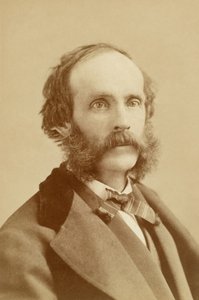
Фредерик Эдвин Керш
1826 - 1900 , США
Основные сведения
- Artistic Movement Or Style: Художественная школа Гудзон
- Artists Or Movements Influenced By This Artist: ['Американская живопись пейзажа']
- Artists Who Influenced This Artist:
- Томас Коул
- А. фон Гумбольдт
- Date Of Birth: 4 мая 1826 г.
- Date Of Death: 7 апреля 1900 г.
- Full Name: Фредерик Эдвин Керш
- Nationality: Американский
- Notable Artworks:
- Оксбоу
- Сердце Андes
- Ледяные глыбы
- Place Of Birth: Гартифорд, США
Похожие статьи
The Sublime Landscape: Exploring the Hudson River School Movement
Explore the captivating world of the Hudson River School! Discover the history, artists, and defining characteristics of this iconic American art movement. Learn about Romanticism's influence & find inspiration for your collection.
Echoes of Arcadia: Nostalgia & Transformation in Vintage Landscape Art
Explore the evocative world of vintage landscape art! Discover the history, artists & emotional power behind masterpieces from the Hudson River School & beyond. Expert insights for collectors & enthusiasts.
Robert Spencer: Luminism, Narrative & the American Landscape Tradition
Explore the captivating world of Luminism & the Hudson River School with our expert analysis. Discover the history, artists, and enduring beauty of 19th-century American landscape painting. Find museum-quality reproductions at ArtsDot.
Evoking Nature's Sublime: A Comprehensive Exploration of 19th-Century Landscape Painting
Explore the captivating world of 19th-century landscape painting! Discover renowned artists like Friedrich & Monet, key movements, and find the perfect artwork to bring nature's serenity into your home. Expert insights at ArtsDot.
Школа реки Гудзон: 10 шедевров, изменивших американскую живопись | ArtsDot
Погрузитесь в мир Школы реки Гудзон! 10 шедевров Томаса Коула, Фредерика Чёрча и других мастеров американского романтизма. Купите репродукции картин высокого качества для вашего интерьера на ArtsDot.com.