

 Предпросмотр
 Поделиться
 Поделиться
 Детали произведения

 Скачать
 Похожие работы
 Рентгенография
 Слайд-шоу
 Статистика
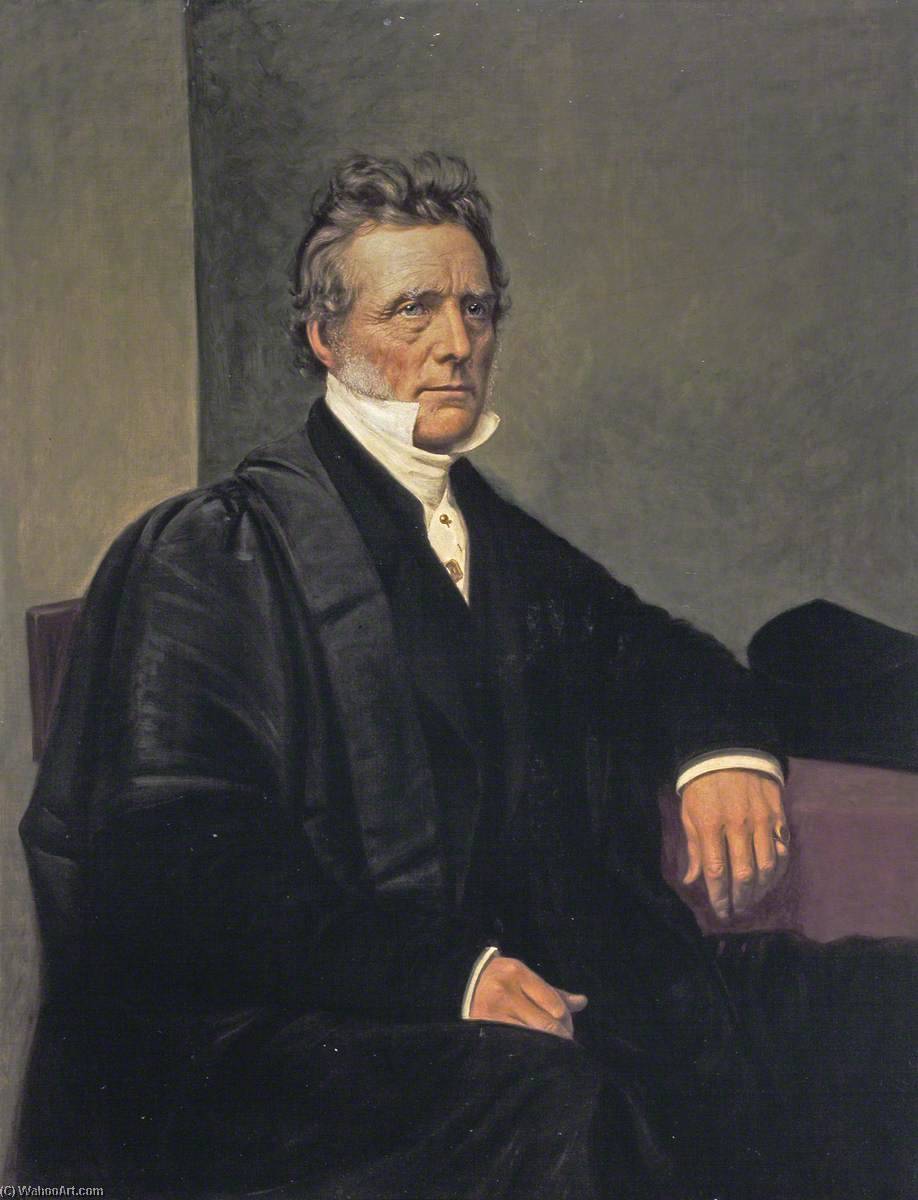
Gilbert Ainslie (1793–1870)
 1867
1867 112.0 x 87.0 cm
 Пемброк-колледж
 Читать далее
Приобретите цифровое изображение высокого разрешения в улучшенном качестве, которое значительно превосходит онлайн-превью.
Каждый файл тщательно подготавливается нашими специалистами с использованием передовых инструментов и экспертной ручной ретуши. Мы гарантируем исключительную четкость, точную цветопередачу и детальную проработку каждого изображения.
Финальный файл доставляется по электронной почте в течение 72 часов и оптимизирован для немедленного использования в профессиональной среде, при верстке и печати. Это тот же уровень качества, которому доверяют ведущие дизайнерские студии, издательства и галереи.
Цифровое изображение
Скачайте файл высокого разрешения для личного использования, печати и творческих проектов. ( Перейти к печати Купить картину ручной работы)
Включено в каждый заказ цифровых изображений
Гарантия экспертной цифровой доставки
Выбирая ArtsDot.com, вы получаете не просто изображение — вы приобретаете профессионально обработанное цифровое произведение искусства, созданное с безупречной точностью и под защитой гарантии качества. Вот всё, что автоматически входит в ваш заказ:

Мгновенная доставка по e-mail
Ваш цифровой файл в высоком разрешении будет отправлен вам по электронной почте в течение 72 часов после оформления заказа — и сразу станет доступен для использования.

Цифровой файл с ИИ-улучшением
Ваше произведение искусства проходит профессиональную оптимизацию с использованием передовых инструментов ИИ и ручной обработки, что гарантирует максимальную детализацию, четкость и точность цветопередачи.

Бессрочная бесплатная повторная доставка
Случайно удалили или потеряли файл? Не беспокойтесь — мы отправим его вам повторно в любое время и совершенно бесплатно.

Без импортных пошлин — навсегда
Наслаждайтесь вашим произведением искусства мгновенно без таможенных пошлин, сборов или затрат на доставку — цифровые загрузки всегда не облагаются налогом.

Гарантия точности цветопередачи
Мы гарантируем, что ваше цифровое изображение максимально точно передает оригинальные цвета благодаря использованию профессиональных инструментов и систем управления цветом.

Гарантия удовлетворенности 100 дней
Если вы не будете удовлетворены своим цифровым изображением, мы внесем правки или вернем 100% стоимости в течение 100 дней — без лишних вопросов.

100% Гарантия возврата средств
Не удовлетворены покупкой? Получите полный возврат средств в течение 100 дней после получения цифрового файла — без лишних вопросов.

Скидки на оптовые заказы
Купите 3 изображения, сэкономьте 10% — Купите 5, сэкономьте 15% — Купите 10+, сэкономьте 20%. Отличное решение для творческих проектов, галерей и агентств.
Похожие произведения








Биография художника
Frederick Bacon Barwell: A Portraitist of Victorian Aristocracy
Frederick Bacon Barwell, a name perhaps less familiar than some of his contemporaries, nevertheless stands as a significant figure in 19th-century British portraiture. Born in Norwich, Norfolk, in 1831, Barwell’s career unfolded during a period of immense social and artistic change, reflecting both the established traditions of aristocratic commissions and the burgeoning influences of Realism and Impressionism. His work offers a captivating glimpse into the lives and manners of the Victorian elite, characterized by meticulous detail, dramatic lighting, and an astute understanding of psychological nuance. Barwell’s legacy lies not in revolutionary innovation but rather in his ability to capture the essence of his subjects – often wealthy landowners, politicians, and members of the upper class – with a remarkable blend of elegance and observation.Early Life and Artistic Training
Barwell's early life remains somewhat shrouded in obscurity, though it’s known he received some initial artistic training in Norwich. Details about his formal education are scarce, suggesting a self-taught approach supplemented by informal instruction. He began his career as an artist and art scholar, eventually becoming a senior inspector of art schools. This role provided him with valuable insight into the evolving landscape of British art education and likely influenced his own artistic development. Crucially, Barwell’s early exposure to the Norwich School of Art, a prominent institution at the time, exposed him to a tradition of detailed observation and realistic representation – qualities that would become hallmarks of his later work. His association with Millais, a leading figure in the Pre-Raphaelite Brotherhood, further shaped his artistic sensibilities, though Barwell never fully embraced the group’s radical aesthetic.The Art of Portraiture: Technique and Subject Matter
Barwell's primary focus was portraiture, and he excelled at depicting aristocratic subjects with a remarkable degree of accuracy and psychological depth. His paintings are characterized by their meticulous attention to detail – from the textures of fabrics to the subtle expressions on his sitters’ faces. He employed a dramatic use of light and shadow, often employing chiaroscuro techniques to create a sense of volume and drama within the portraits. His compositions frequently featured circular arrangements, reminiscent of Renaissance portraiture but adapted for the Victorian era. These circular formats were particularly popular for capturing the formality and importance of his subjects. Barwell’s subjects weren't merely rendered; they were presented as embodiments of their social standing and character. He skillfully captured the gravitas of lords and ladies, conveying both their wealth and their inherent dignity. Notable works include “The Right Honourable Henry Labouchere,” a striking circular oil portrait showcasing rich detail and dramatic lighting, and his depictions of Gilbert Ainslie, demonstrating his ability to capture personality alongside formal presentation.Influences and Artistic Development
Barwell’s artistic development was shaped by several key influences. The Norwich School of Art instilled in him a commitment to realism and detailed observation. His association with Millais introduced him to the Pre-Raphaelite Brotherhood's emphasis on truth to nature, though he maintained a more restrained approach than his colleague. Furthermore, Barwell’s work reflects the broader artistic trends of the Victorian era, including the rise of historical painting and the increasing demand for portraiture as a means of documenting social status and wealth. He skillfully navigated these influences, forging a distinctive style that combined technical proficiency with an appreciation for elegance and psychological insight.Legacy and Historical Significance
Frederick Bacon Barwell’s contribution to 19th-century British art is often understated, yet his portraits offer valuable insights into the social and cultural dynamics of the Victorian era. He wasn't a revolutionary artist pushing boundaries, but rather a skilled craftsman who excelled at capturing the essence of his subjects – particularly those within the upper echelons of society. His meticulous technique, dramatic lighting, and astute psychological observation resulted in works that remain aesthetically pleasing and historically significant. While he may not be as widely celebrated as some of his contemporaries, Barwell’s portraits continue to provide a window into the lives and aspirations of Victorian aristocrats, offering a tangible connection to a bygone era. His work serves as a testament to the enduring appeal of portraiture as both an art form and a reflection of social history.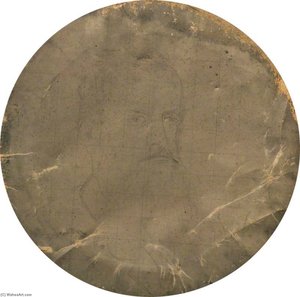
frederick bacon barwell
1831 - 1922
Основные сведения
- Artistic Movement Or Style: Portraiture
- Artists Who Influenced This Artist: ['Millais']
- Date Of Birth: 1831
- Date Of Death: 1922
- Full Name: Frederick Bacon Barwell
- Nationality: British
- Notable Artworks:
- The Right Honourable Henry Labouchere
- Gilbert Ainslie
- Place Of Birth: Norwich, England