

 Предпросмотр
 Поделиться
 Поделиться
 Детали произведения

 Скачать
 Похожие работы
 Рентгенография
 Слайд-шоу
 Статистика
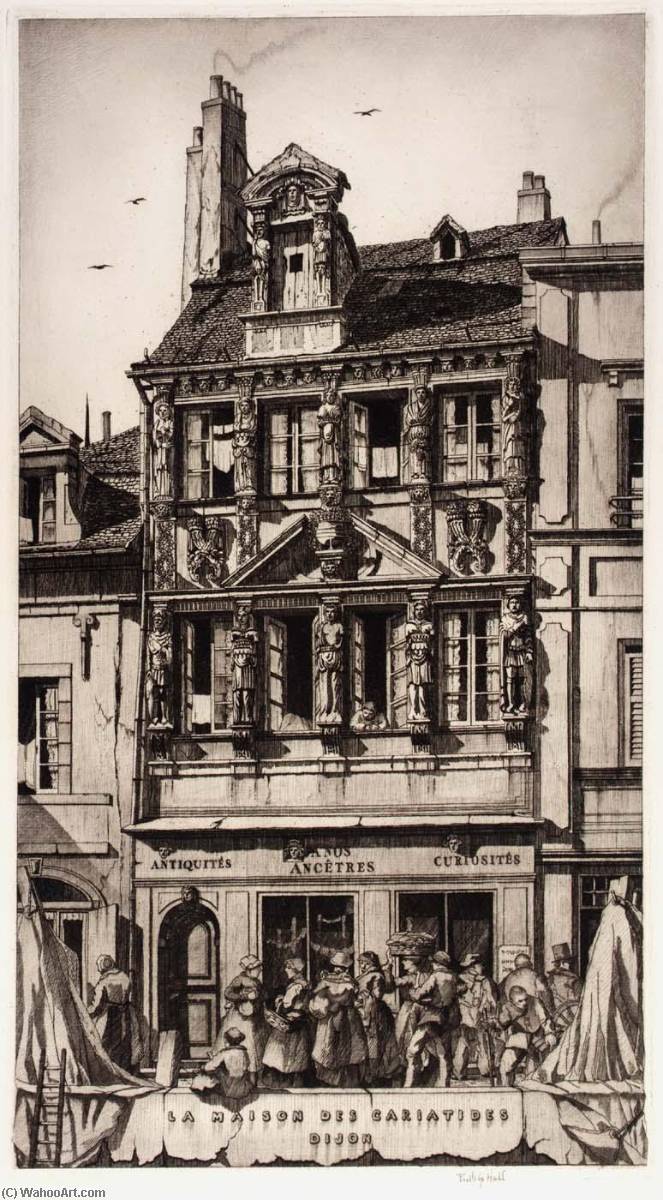
La Maison des Cariatides, Dijon
 1925
1925 43.0 x 24.0 cm
 Читать далее
Приобретите цифровое изображение высокого разрешения в улучшенном качестве, которое значительно превосходит онлайн-превью.
Каждый файл тщательно подготавливается нашими специалистами с использованием передовых инструментов и экспертной ручной ретуши. Мы гарантируем исключительную четкость, точную цветопередачу и детальную проработку каждого изображения.
Финальный файл доставляется по электронной почте в течение 72 часов и оптимизирован для немедленного использования в профессиональной среде, при верстке и печати. Это тот же уровень качества, которому доверяют ведущие дизайнерские студии, издательства и галереи.
Цифровое изображение
Скачайте файл высокого разрешения для личного использования, печати и творческих проектов. ( Перейти к печати Купить картину ручной работы)
Включено в каждый заказ цифровых изображений
Гарантия экспертной цифровой доставки
Выбирая ArtsDot.com, вы получаете не просто изображение — вы приобретаете профессионально обработанное цифровое произведение искусства, созданное с безупречной точностью и под защитой гарантии качества. Вот всё, что автоматически входит в ваш заказ:

Мгновенная доставка по e-mail
Ваш цифровой файл в высоком разрешении будет отправлен вам по электронной почте в течение 72 часов после оформления заказа — и сразу станет доступен для использования.

Цифровой файл с ИИ-улучшением
Ваше произведение искусства проходит профессиональную оптимизацию с использованием передовых инструментов ИИ и ручной обработки, что гарантирует максимальную детализацию, четкость и точность цветопередачи.

Бессрочная бесплатная повторная доставка
Случайно удалили или потеряли файл? Не беспокойтесь — мы отправим его вам повторно в любое время и совершенно бесплатно.

Без импортных пошлин — навсегда
Наслаждайтесь вашим произведением искусства мгновенно без таможенных пошлин, сборов или затрат на доставку — цифровые загрузки всегда не облагаются налогом.

Гарантия точности цветопередачи
Мы гарантируем, что ваше цифровое изображение максимально точно передает оригинальные цвета благодаря использованию профессиональных инструментов и систем управления цветом.

Гарантия удовлетворенности 100 дней
Если вы не будете удовлетворены своим цифровым изображением, мы внесем правки или вернем 100% стоимости в течение 100 дней — без лишних вопросов.

100% Гарантия возврата средств
Не удовлетворены покупкой? Получите полный возврат средств в течение 100 дней после получения цифрового файла — без лишних вопросов.

Скидки на оптовые заказы
Купите 3 изображения, сэкономьте 10% — Купите 5, сэкономьте 15% — Купите 10+, сэкономьте 20%. Отличное решение для творческих проектов, галерей и агентств.
The Artist and His Work
Frederick G Hall was an American artist known for his etchings and paintings, which often featured architectural subjects. His work is characterized by a strong sense of realism and a deep understanding of the play of light and shadow on buildings. The La Maison des Cariatides, Dijon is a prime example of Hall's ability to capture the intricate details of a historic building, from the ornate carvings to the subtle textures of the stone.The Painting's Significance
The La Maison des Cariatides, Dijon is not only a beautiful work of art but also an important historical document. The building depicted in the etching is a significant example of 17th-century French architecture, featuring intricate carvings and ornate details. The painting provides a glimpse into the past, showcasing the beauty and craftsmanship of a bygone era. You can find more information about this artwork on ArtsDot.com and learn about other works by Frederick G Hall such as Maison des Ambassadeurs, Dijon and Ancient Doorway, Nevers. Key Features of the Painting:- The etching measures 43 x 24 cm and is created using the etching technique.
- The painting features a historic building in Dijon, France, with intricate carvings and ornate details.
- The artwork is part of the collection at the Smithsonian American Art Museum in the United States.
The La Maison des Cariatides, Dijon is a remarkable work of art that showcases the skill and craftsmanship of Frederick G Hall. This etching is a must-see for anyone interested in architecture, history, or art. With its intricate details and beautiful composition, it is a true masterpiece of etching.
Похожие произведения





Биография художника
Early Life and Artistic Foundations
Frederick Hall, known affectionately as Fred Hall by many, emerged onto the British art scene in 1860, born in the quaint village of Stillington, Yorkshire. His early life was steeped in a traditional upbringing—his father’s profession as a physician instilled a sense of observation and detail that would later profoundly influence his artistic pursuits. Hall's formal training began at the Lincoln School of Art between 1879 and 1881, where he honed foundational skills in drawing and painting. However, it was his subsequent move to Antwerp and study under Charles Verlat that truly ignited his passion for art and set him on a path toward becoming a notable figure within the burgeoning Impressionist movement. This period exposed him to continental European techniques and aesthetics, broadening his artistic horizons beyond the constraints of traditional British styles.The Newlyn School and Rustic Realism
Hall’s arrival in Cornwall sometime between 1883 and 1885 marked a pivotal moment in his career. He became an integral part of the celebrated Newlyn School, joining fellow artists like Frank Bramley and Stanhope Forbes in capturing the essence of rural life. The Newlyn painters were committed to *plein air* painting—working directly from nature—and Hall wholeheartedly embraced this approach. His early works from this period reflect a dedication to realism, depicting scenes of everyday Cornish life with an honest and unromanticized gaze. Subjects included laborers returning from the fields, intimate domestic moments, and the rugged beauty of the coastal landscape. These paintings weren’t merely depictions; they were social commentaries, offering glimpses into the lives of working-class communities often overlooked by more conventional artists. Hall's ability to capture light and atmosphere, combined with his keen eye for detail, quickly established him as a promising talent within the school.A Shift Towards Impressionism and Parisian Recognition
While initially rooted in realism, Hall’s artistic style underwent a gradual but significant transformation over time. He began experimenting with looser brushstrokes, brighter palettes, and a greater emphasis on capturing fleeting moments of light and color—characteristics that define Impressionism. This evolution wasn't abrupt; it was a natural progression fueled by his growing desire to move beyond mere representation and explore the emotional impact of visual experience. A testament to this stylistic shift came in 1912, when Hall received a gold medal at the prestigious Paris Salon. This recognition solidified his reputation on an international stage and signaled his departure from the strict confines of the Newlyn School’s aesthetic. He continued exhibiting at the Royal Academy, demonstrating a consistent commitment to artistic innovation throughout his career.Caricatures and Artistic Community
Beyond his paintings, Hall possessed a remarkable talent for caricature. He created a series of witty and insightful drawings that playfully depicted his fellow artists within the Newlyn School—Frank Bramley, Stanhope Forbes, and Norman Garstin among them. These caricatures weren’t malicious; rather, they were affectionate observations that captured the personalities and quirks of his artistic peers. They offer a unique glimpse into the dynamics of the Newlyn community and provide valuable insight into the social lives of these artists. These drawings, often preserved in scrapbooks, reveal Hall's keen sense of humor and his ability to see beyond surface appearances.Legacy and Historical Significance
Frederick Hall’s artistic journey reflects a fascinating interplay between realism and Impressionism. He began as a dedicated chronicler of rural life, capturing the essence of Cornish communities with honesty and detail. Over time, he embraced the principles of Impressionism, seeking to convey not just *what* he saw but *how* it felt. His works offer a valuable window into 19th-century British art, bridging the gap between traditional academic styles and the emerging modern movements. Hall’s influence extends beyond his paintings; his caricatures provide a unique historical record of the Newlyn School and its vibrant artistic community. He settled in Speen, near Newbury in Berkshire, where he continued to paint until his death in 1948 at the age of 88, leaving behind a body of work that continues to captivate and inspire art lovers today. His paintings are held in numerous public collections across England, Australia, and New Zealand, ensuring his legacy endures for generations to come.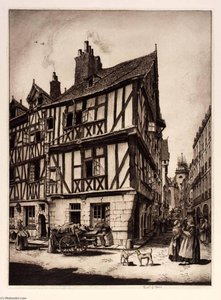
Основные сведения
- Artistic Movement Or Style: Impressionism
- Artists Or Movements Influenced By This Artist: ['Newlyn School']
- Artists Who Influenced This Artist:
- William Paxton
- Henri Royer
- Date Of Birth: February 6, 1860
- Date Of Death: August 21, 1948
- Full Name: Frederick Garrison Hall
- Nationality: American
- Notable Artworks:
- Homeward
- December
- Place Of Birth: Baltimore, Maryland